
 Indian · Pakistani · Punjabi · Finger food
Papad (homemade urad dal papadum)
Vegetarian
पापड़ · pāpaṛ
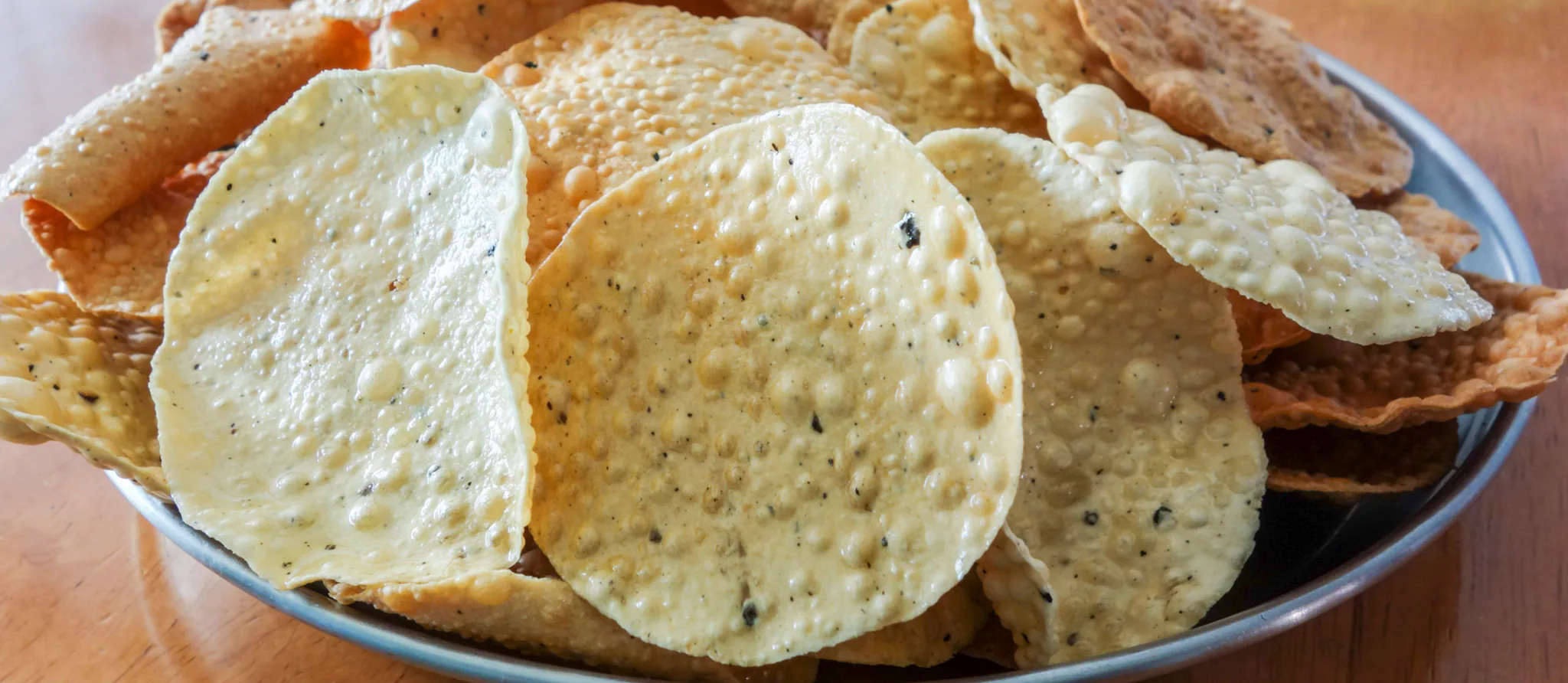
Paper-thin discs of peppery urad dal dough, rolled by hand, dried in the sun and then flame-roasted or flash-fried until they puff into crisp, blistered crackers. Eaten across India, Pakistan, Sri Lanka and Bangladesh with dal and rice, as a scoop for curries, or as a pre-dinner snack with chutneys and pickles.
Papad (homemade urad dal papadum) is an Indian side dish, ready in about 1 hour 40 minutes and made with urad dal flour and black pepper. It serves 8 and is rated intermediate to cook.
- Prep
- 1 h
- Cook
- 10 min
- Rest
- 30 min
- Total
- 1 h 40 min
- Serves
- 8
- Level
- Intermediate
- Calories
- 124
Plus 1–2 days drying the papads in the sun or a warm, airy room.
Main ingredients
Ingredients
For the dough
For cooking
Method
Dough
55 minStep 1
Mix the urad flour (opens in a new tab), crushed pepper (opens in a new tab), cumin, asafoetida (opens in a new tab), baking soda (opens in a new tab) and salt in a bowl. Add the water a little at a time and bring it together into a very stiff, dry dough — much firmer than chapati dough.
Step 2
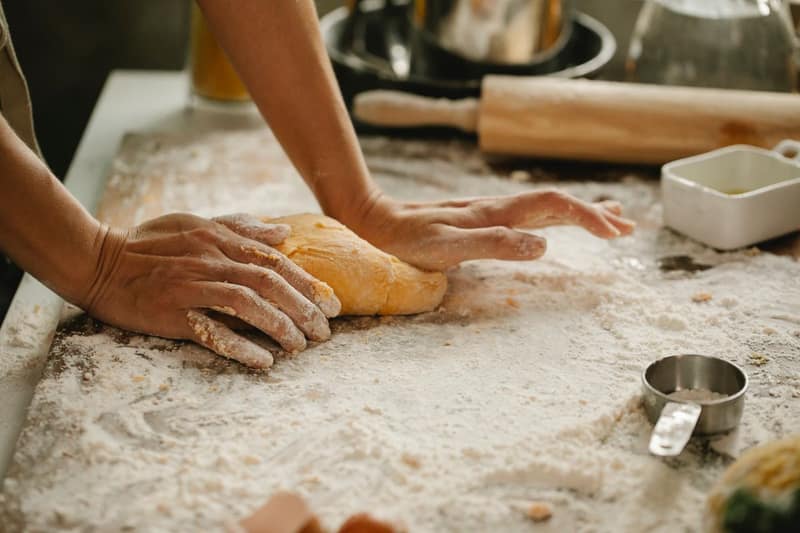
Rub your hands with a little of the oil and knead the dough hard for 10 minutes, or pound it on the worktop with a pestle or rolling pin (opens in a new tab), folding it over each time, until it turns smooth, slightly glossy and elastic.
Pounding is the traditional way; it develops the dough so the papads roll thin without cracking.
How it looks · Photo: Klaus Nielsen on Pexels Step 3
Shape the dough into a log, wrap it and leave it to rest for 30 minutes.
Step 4
Cut the log into 24 small pieces. Roll each piece on a lightly oiled surface into a paper-thin round about 15 cm across — you should almost be able to see the worktop through it. Lay the rounds side by side, not overlapping, on a clean cloth or trays.
Step 5
Dry the papads in the sun or a warm, airy room for 1–2 days, turning them once, until they are completely brittle and snap cleanly. Store them in an airtight tin.
Half-dry papads stuck together go mouldy; make sure every one is bone dry before storing.
Cooking
10 minStep 6
To serve, hold a papad with tongs (opens in a new tab) over a gas flame and keep turning it for 20–30 seconds until it bubbles and pales all over without scorching. Alternatively, fry each papad in hot oil (about 180 °C) for 3–5 seconds until it expands, then drain on kitchen paper.
- 10 min
- medium-high heat
- Tongs (opens in a new tab)
- Frying pan / skillet (opens in a new tab)
Food safety: Use a deep, heavy pan no more than one-third full of oil, keep a lid nearby, never leave hot oil unattended and never put water on an oil fire.
Papads can also be puffed in the microwave: 40–60 seconds on high on a plate, brushed with a few drops of oil.
At a glance
1 · Dough in a bowl
 Urad dal flour
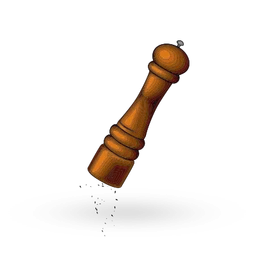 Black pepper
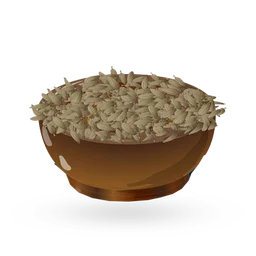 Cumin seeds
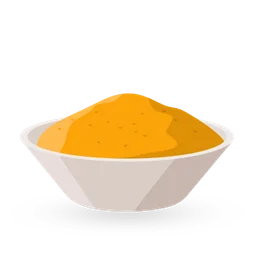 Asafoetida
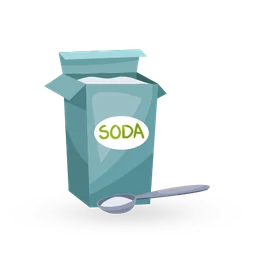 Baking soda
 Salt
 Neutral vegetable oil
then hold
2 · Cooking in a pan
- Neutral vegetable oil
About this dish
- Origin
- Indian subcontinent (Punjab, Rajasthan, Gujarat and the South), India · Commonly attributedPapad is made all over the subcontinent, including Pakistan; Punjabi and Rajasthani papads are peppery urad dal discs, while South Indian appalam is plainer and puffier. Home papad-making was traditionally a summer, communal task, and is today also a large women's cooperative industry in India.Also popular in Pakistan, Sri Lanka, Bangladesh, United KingdomMore food from India
India - Dish
- Lunch · Dinner · Snack · Side dishes · Finger food · Appetizers & starters
- Cooking method
- Toasted, Deep-fried
- Taste
- peppery, salty, savoury, earthy
- Diet
- Vegan · Dairy-free · No nut ingredients · Low-carb · High-fibreWorked out from the ingredients. How labels work
All labels
Vegan · Plant-based · Vegetarian (lacto-ovo) · Eggetarian · Lacto-vegetarian · Ovo-vegetarian · Pescatarian · Flexitarian-friendly · Dairy-free · Egg-free · No nut ingredients · No added sugar · Alcohol-free · Pork-free · Beef-free · Low-carb · High-fibre · DASH-style · Carb-conscious - Good for
- Make-ahead · Budget-friendly · Portable / lunchbox
- Cook more with
- Cumin seeds · Asafoetida · Baking soda
- Techniques
- Toasting · Deep-frying · Spice roasting (dry-roasting) · Kneading
Allergens
- May contain: Wheatfrom asafoetida
- May contain: Glutenfrom asafoetida
Based on typical versions of these ingredients and not verified allergen-free. Brands differ and cross-contact happens, so always check labels. For severe allergies, follow your clinician’s advice.
Nutrition
124 kcal per serving
Estimated1 serving ≈ 48 g · recipe makes 8
Where the energy comes from
- Protein 25%
- Carbohydrate 59%
- Fat 16%
| Nutrient | Per serving | Per 100 g* |
|---|---|---|
| Energy | 124 kcal | 255 kcal |
| Protein | 8 g | 16.5 g |
| Carbohydrate | 18.8 g | 38.9 g |
| Net carbohydrate | 13 g | 26.8 g |
| Sugars | — | — |
| Added sugars | 0 g | 0 g |
| Fibre | 5.9 g | 12.1 g |
| Fat | 2.3 g | 4.7 g |
| Saturated fat | 0.2 g | 0.4 g |
| Trans fat | 0 g | 0 g |
| Cholesterol | 0 mg | 0 mg |
| Sodium | 384 mg | 793 mg |
| Salt equivalent | 1 g | 2 g |
Vitamins & minerals per serving
- Potassium
- 318 mg
- Calcium
- 49 mg
- Iron
- 2.6 mg
- Magnesium
- 85 mg
- Vitamin A (RAE)
- 1 µg
- Vitamin C
- 0 mg
- Vitamin D
- 0 µg
- Vitamin B12
- 0 µg
- Folate (DFE)
- 68 µg
How these numbers were made
- Calculated from USDA FoodData Central (SR Legacy) per-100 g values and the listed quantities.
- *Per 100 g of combined raw ingredients; the cooked dish may weigh more or less.
- Optional ingredients are not included: neutral vegetable oil.
- Not counted (tiny amounts or “to taste”): asafoetida.
- Urad dal flour: Raw mungo (urad) beans (FDC 174259); flour milled from the split, hulled dal is nutritionally very close.
- “—” means the value isn’t known for enough of the ingredients; it is never zero by default.
- Values are estimates for guidance, not for medical dosing. U.S. Department of Agriculture, Agricultural Research Service. FoodData Central, 2019. fdc.nal.usda.gov.
Good to know
Tips
- Roast or fry papads just before serving; they turn chewy within an hour in humid air.
- Spiced variants are easy: add red chilli powder, crushed garlic or extra pepper to the dough.
Common mistakes
- Making the dough too soft — it sticks, will not roll thin and the papads stay leathery.
- Storing papads before they are fully dry.
Serve with
- With dal, rice and pickle as part of a thali.
- As masala papad: top a roasted papad with chopped onion, tomato, coriander, chaat masala and lemon juice just before serving.
- British-Indian style, as a starter with mango chutney, lime pickle and raita.
Storage
- Dried, uncooked papads keep for 6 months in an airtight tin. Roasted or fried papads are best within an hour.
Variations
- Masala papad: A roasted or fried papad heaped with a chopped onion-tomato salad and chaat masala; a bar and restaurant snack across India.
- Rice papad (khichiya): Gujarati and Rajasthani papads made from rice flour dough that is steamed or boiled before rolling, so they puff very white and light.
- Appalam (India): South Indian papads made with urad dal but little or no pepper, deep-fried until they swell into thick, crisp bubbles.
- Jackfruit papad (India): A coastal Karnataka speciality in which jackfruit pulp is worked into the dough before drying.
Is papad baked?
No. Papads are dried raw, then cooked very briefly: roasted directly over a flame, fried for a few seconds or puffed in a microwave.
Original editorial recipe · FriendsPantry editorial · source: TasteAtlas (dish facts) · Not yet independently reviewed · Added
Sauces, chutneys & dips for this dish
Recipe DNA
How this dish is built
Built from the recipe’s own sections. Each band’s width is its share of the dish by weight. Choose a component to see what it does.
Structure
For the dough
- Urad dal flour250 g
- Black pepper, coarsely crushed1.5 tsp · 3.6 g
- Cumin seeds, lightly crushed1 tsp · 2.1 g
- Asafoetida2 pinch · 0.2 g
- Baking soda0.5 tsp · 2.3 g
- Salt1 tsp · 6 g
- Water110 ml · 110 g
- Neutral vegetable oil1 tbsp · 14 g
Reviews & corrections
Reviews come from signed-in cooks and appear after a moderator checks them. We never show made-up ratings.
You might also like
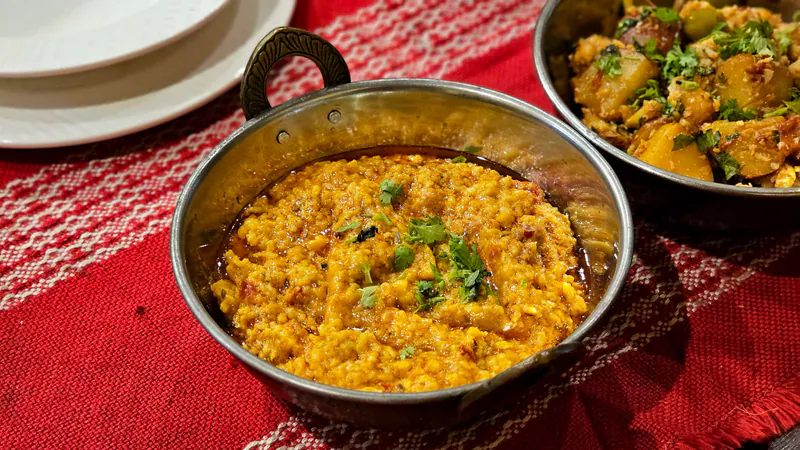
Dal tadka with red lentils
Indian · 40 min · 268 kcal · Vegetarian
Cucumber raita
Indian · 12 min · 71 kcal · Vegetarian
Moong dal khichdi
Indian · 30 min · 261 kcal · Vegetarian
Gol gappay
 Pakistani · 1 h 30 min · 366 kcal · Vegan