
Napoleon cake (Russian layered custard cake)
Contains egg (no meat or fish)
Торт Наполеон · tort Napoleon
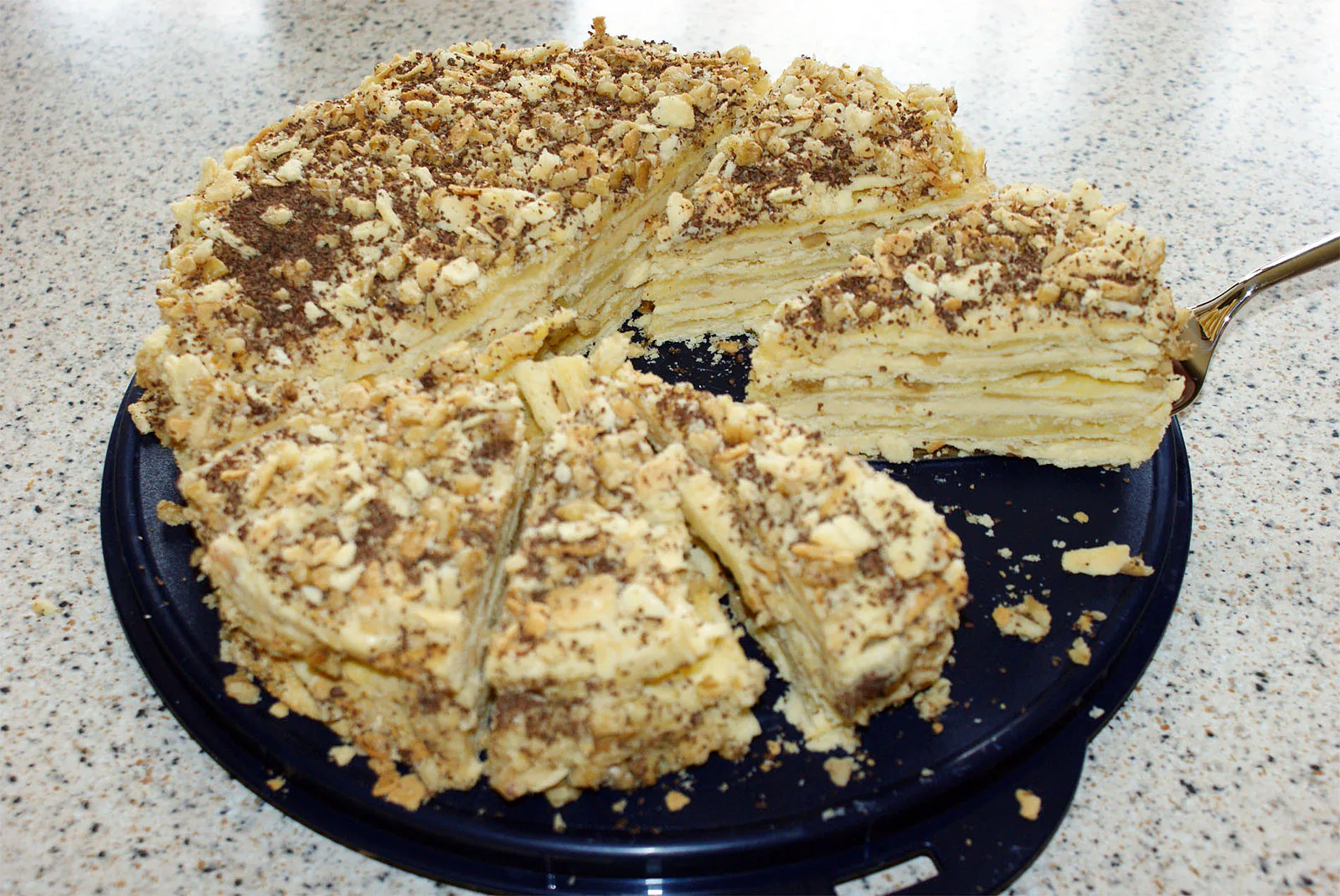
A tall cake of many crisp, wafer-thin pastry layers sandwiched with vanilla custard enriched with butter and cream, covered with crumbs from the trimmings and chilled overnight until meltingly soft. A celebration cake of every Russian and post-Soviet home.
Napoleon cake (Russian layered custard cake) is a Russian cake, ready in about 14 hours 30 minutes and made with all-purpose flour, unsalted butter and egg yolk. It serves 12 and is rated advanced to cook.
- Prep
- 1 h 30 min
- Cook
- 1 h
- Rest
- 12 h
- Total
- 14 h 30 min
- Serves
- 12
- Level
- Advanced
- Calories
- 640
Includes 1 hour chilling the dough and an overnight rest so the layers soften.
Main ingredients
Method
Pastry layers
15 minStep 1
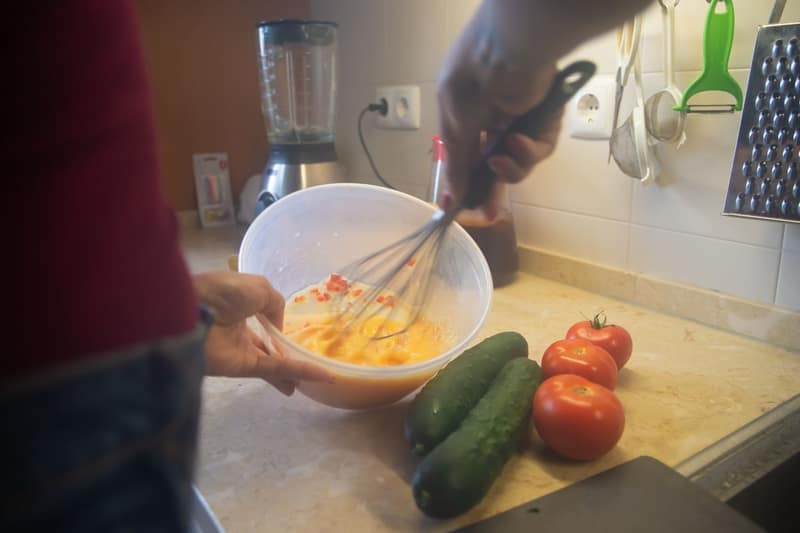
Toss the grated cold butter with the flour and salt, rubbing quickly into coarse crumbs. Whisk (opens in a new tab) the egg (opens in a new tab), vodka (opens in a new tab), vinegar and cold water together, add to the flour and bring together into a dough without kneading. Divide into 8 equal balls, wrap and chill for 1 hour.
How it looks · Photo: Kampus Production on Pexels
Custard
1 h 40 minStep 2
Make the custard: heat 800 ml of the milk (opens in a new tab) with the sugar (opens in a new tab). Whisk (opens in a new tab) the remaining 200 ml milk with the yolks, whole egg (opens in a new tab) and cornstarch (opens in a new tab). Pour some hot milk into the egg mixture while whisking, then return everything to the pan and cook, whisking constantly, until thick and bubbling for 1 minute. Stir in the vanilla (opens in a new tab), cover the surface with film and cool completely.
- 15 min
- medium heat
- Saucepan (opens in a new tab)
- Whisk (opens in a new tab)
Food safety: Cook custards and creams containing egg until they thicken and bubble (at least 71 °C) to make the eggs safe.
Step 3
Heat the oven (opens in a new tab) to 200 °C. Roll each ball very thinly (about 2 mm) on baking paper into a circle slightly larger than 24 cm, prick all over with a fork and bake on a tray for 6–8 minutes until golden and crisp. While still warm, trim each layer to a neat 24 cm circle using a plate as a guide; keep the trimmings.
- 60 min
- 200°C
- Rolling pin (opens in a new tab)
- Baking tray / sheet (opens in a new tab)
- Oven (opens in a new tab)
Roll the next layer while the previous one bakes.
Step 4
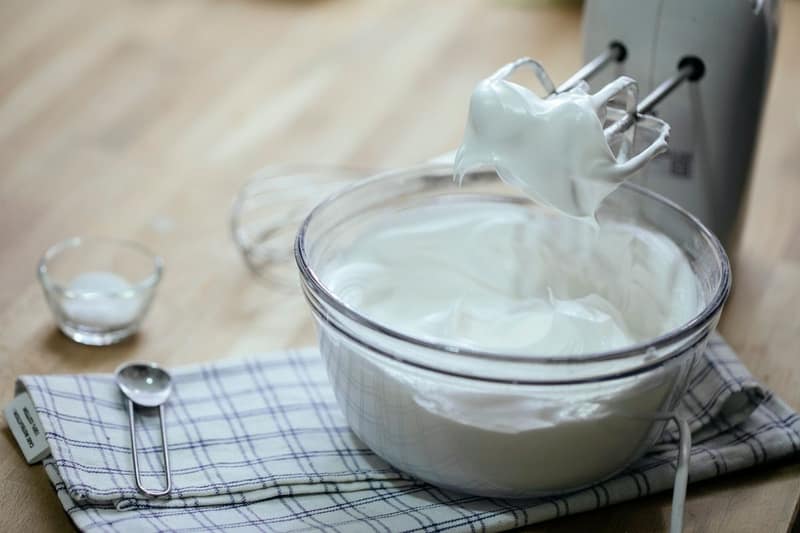
Beat the softened butter until pale, then beat in the cold custard a spoonful at a time. Whip the cream with the powdered sugar (opens in a new tab) to soft peaks and fold it in.
How it looks · Photo: Katerina Holmes on Pexels Step 5
Spread a layer of cream over each pastry round and stack them, pressing gently. Cover the top and sides with the remaining cream. Crush the trimmings into fine crumbs and press them all over the top and sides.
- 15 min
Step 6
Cover and refrigerate for at least 12 hours, until the layers have absorbed the cream and the cake cuts like a soft sponge.
At a glance
1 · Pastry layers in a bowl
 All-purpose flour
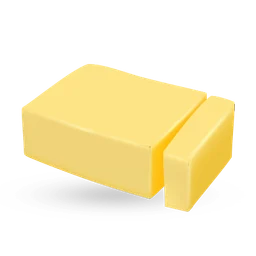 Unsalted butter
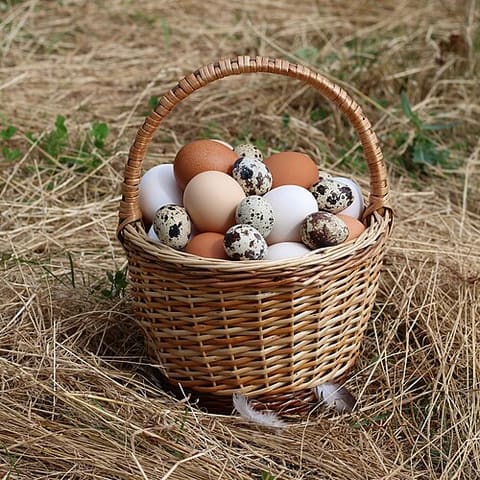 Egg
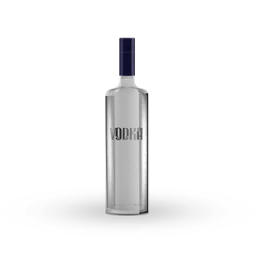 Vodka
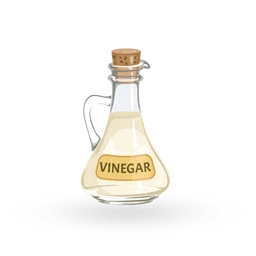 White vinegar
 Salt
then make
2 · Custard in a bowl
 Milk
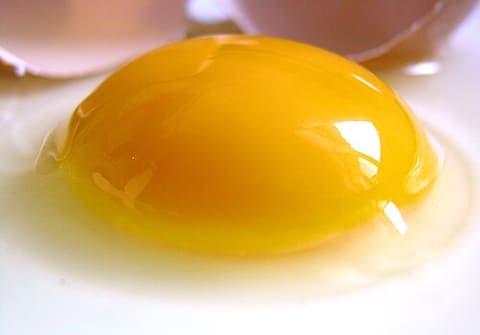 Egg yolk
- Egg
 Sugar
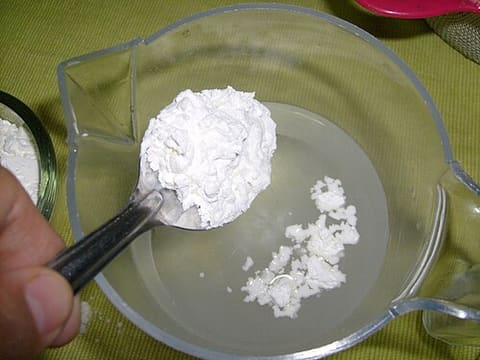 Cornstarch
 Vanilla extract
- Unsalted butter
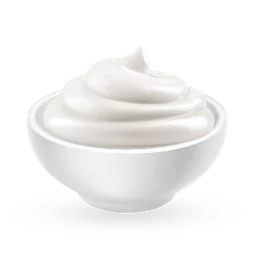 Heavy cream
 Icing sugar
About this dish
- Origin
- Russia · Commonly attributedSaid to have been created in 1912 for the centenary of Napoleon's retreat from Moscow, its triangular slices recalling his hat. Unlike the French mille-feuille, the Russian version has many thin layers and is left to soften overnight.Also popular in Ukraine, Belarus, Georgia, Armenia, KazakhstanMore food from Russia
Russia - Dish
- Dessert · Cakes · Desserts
- Cooking method
- Oven-baked, Simmered, Whipped
- Taste
- creamy, sweet, buttery
- Diet
- Vegetarian (lacto-ovo) · No nut ingredientsWorked out from the ingredients. How labels work
All labels
Vegetarian (lacto-ovo) · Eggetarian · Pescatarian · Flexitarian-friendly · No nut ingredients · Pork-free · Beef-free · Low-sodium - Good for
- Festive & celebration · Make-ahead
- Cook more with
- All-purpose flour · Unsalted butter · Egg yolk · Egg · Vodka · White vinegar
- Techniques
- Baking · Simmering · Kneading · Emulsification
Allergens
- Contains: Milkfrom unsalted butter, milk, heavy cream
- Contains: Eggsfrom egg, egg yolk
- Contains: Wheatfrom all-purpose flour
- Contains: Glutenfrom all-purpose flour
Based on typical versions of these ingredients and not verified allergen-free. Brands differ and cross-contact happens, so always check labels. For severe allergies, follow your clinician’s advice.
Nutrition
640 kcal per serving
Estimated1 serving ≈ 231 g · recipe makes 12
Where the energy comes from
- Protein 6%
- Carbohydrate 38%
- Fat 56%
| Nutrient | Per serving | Per 100 g* |
|---|---|---|
| Energy | 640 kcal | 277 kcal |
| Protein | 9.4 g | 4.1 g |
| Carbohydrate | 59.9 g | 25.9 g |
| Net carbohydrate | 58.9 g | 25.5 g |
| Sugars | 26.8 g | 11.6 g |
| Added sugars | 21.6 g | 9.4 g |
| Fibre | 1.1 g | 0.5 g |
| Fat | 40 g | 17.3 g |
| Saturated fat | 24.1 g | 10.4 g |
| Trans fat | — | — |
| Cholesterol | 196 mg | 85 mg |
| Sodium | 111 mg | 48 mg |
| Salt equivalent | 0.3 g | 0.1 g |
Vitamins & minerals per serving
- Potassium
- 201 mg
- Calcium
- 138 mg
- Iron
- 2.1 mg
- Magnesium
- 21 mg
- Vitamin A (RAE)
- 388 µg
- Vitamin C
- 0 mg
- Vitamin D
- 1.9 µg
- Vitamin B12
- 0.7 µg
- Folate (DFE)
- 127 µg
How these numbers were made
- Calculated from USDA FoodData Central (SR Legacy) per-100 g values and the listed quantities.
- *Per 100 g of combined raw ingredients; the cooked dish may weigh more or less.
- Vodka: Generic 80-proof distilled spirit (FDC 174815: gin, rum, vodka, whiskey).
- “—” means the value isn’t known for enough of the ingredients; it is never zero by default.
- Values are estimates for guidance, not for medical dosing. U.S. Department of Agriculture, Agricultural Research Service. FoodData Central, 2019. fdc.nal.usda.gov.
Good to know
Tips
- Store-bought all-butter puff pastry, rolled very thin, is a common shortcut.
Common mistakes
- Serving the cake the same day — the layers stay crisp and the slices shatter.
Serve with
- Serve chilled with black tea or coffee.
Food safety
- Cook custards and creams containing egg until they thicken and bubble (at least 71 °C) to make the eggs safe.
- Keep the cake refrigerated because of the custard and cream filling.
Storage
- Keeps 3–4 days covered in the fridge.
Variations
- Mille-feuille (France): The French ancestor: three layers of puff pastry with pastry cream and a glazed top, served crisp.
- Kremówka / cremeschnitte (Poland): Central European cream slices with two pastry layers and a thick custard.
History
A popular story says Moscow confectioners created the cake in 1912 for the centenary of Napoleon's defeat, cutting it into triangles like his bicorne hat. It became a fixture of Soviet home baking because it could be made from basic ingredients.
Confidence: Origin disputed
Original editorial recipe · FriendsPantry editorial · source: TasteAtlas (dish facts) · Not yet independently reviewed · Added
Recipe DNA
How this dish is built
Built from the recipe’s own sections. Each band’s width is its share of the dish by weight. Choose a component to see what it does.
The body of the dish
For the custard
- Milk1 l · 1030 g
- Egg yolk4 piece · 68 g
- Egg1 piece · 50 g
- Sugar220 g
- Cornstarch60 g
- Vanilla extract2 tsp · 8.7 g
- Unsalted butter, softened150 g
- Heavy cream, well chilled250 ml · 250 g
- Icing sugar40 g
Reviews & corrections
Reviews come from signed-in cooks and appear after a moderator checks them. We never show made-up ratings.
You might also like
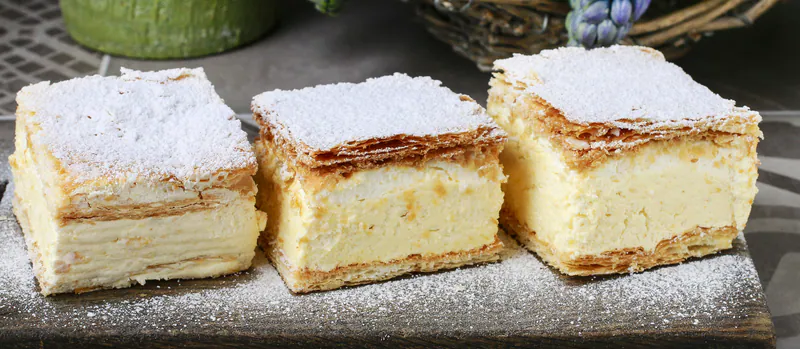
Cremeschnitte (vanilla cream slice)
 Austrian · 5 h 5 min · 502 kcal · Contains egg
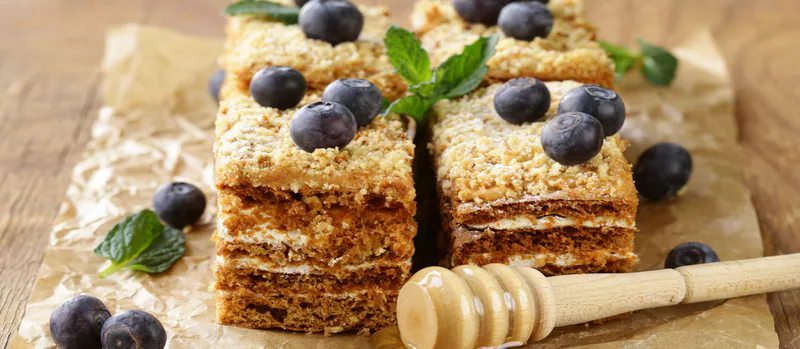
Medovik (Russian honey cake)
 Russian · 9 h 50 min · 521 kcal · Contains egg
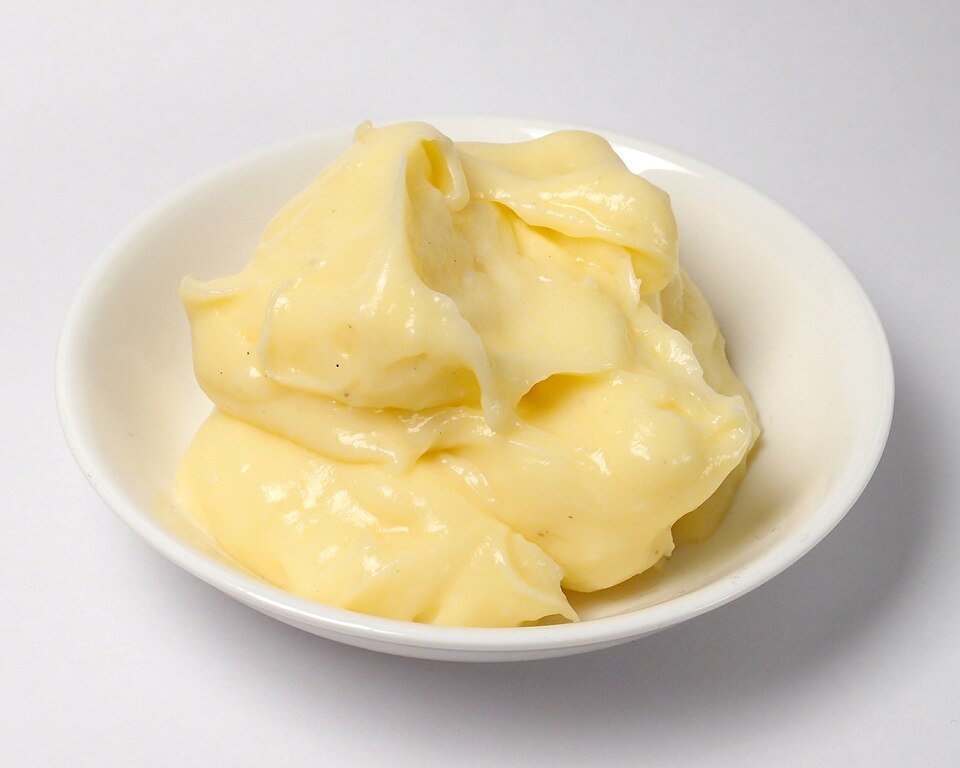
Crème pâtissière (pastry cream)
 French · 2 h 15 min · 171 kcal · Contains egg
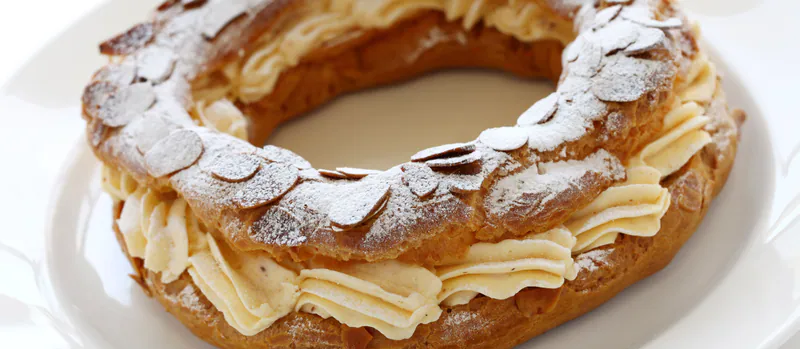
Paris-Brest
French · 3 h 25 min · 630 kcal · Contains egg