
Fatira (Ethiopian crisp pancake with egg and honey)
Contains egg (no meat or fish)
ፈጢራ · fäṭira
A thin wheat dough stretched out wide, folded around scrambled eggs and pan-fried in spiced butter until crisp and flaky, then cut into squares and drizzled with honey. A street breakfast across Ethiopia, especially popular at Eid al-Fitr.
Fatira (Ethiopian crisp pancake with egg and honey) is an Ethiopian dish, ready in about 1 hour 15 minutes and made with all-purpose flour, egg and niter kibbeh (ethiopian spiced butter). It serves 4 and is rated intermediate to cook.
No licensed photograph of this dish yet.
- Prep
- 20 min
- Cook
- 25 min
- Rest
- 30 min
- Total
- 1 h 15 min
- Serves
- 4
- Level
- Intermediate
- Calories
- 666
Main ingredients


Ingredients
For the dough
For the egg filling
For cooking
To serve
Method
Dough
10 minStep 1
Mix the flour and salt, add the warm water and knead for 8 minutes to a very soft, smooth, elastic dough. Divide into 4 balls, coat with oil, cover and rest for 30 minutes.
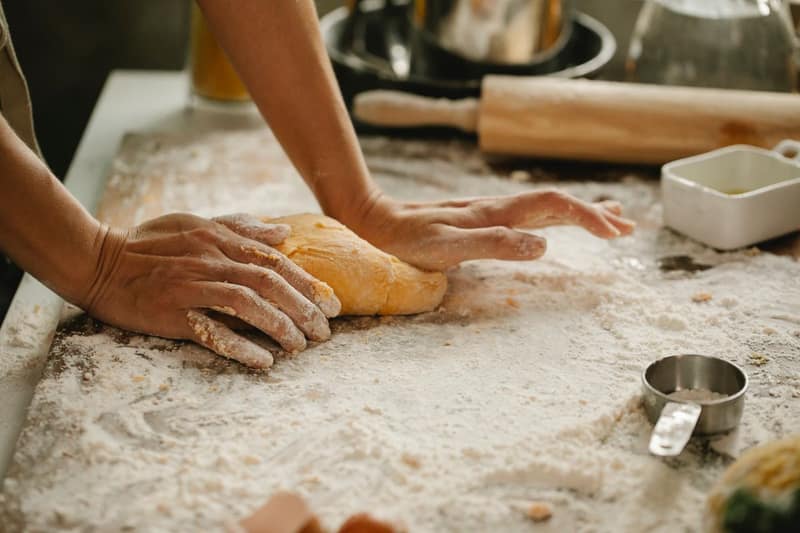
How it looks · Photo: Klaus Nielsen on Pexels
Egg filling
24 minStep 2
Melt 1 tbsp niter kibbeh (opens in a new tab) in a frying pan and soft-scramble the eggs (opens in a new tab) with the onion (opens in a new tab), chilli and salt until just set. Set aside.
- 4 min
- medium-low heat
- Frying pan / skillet (opens in a new tab)
Step 3
On an oiled surface, flatten a dough ball and stretch it with oiled hands, pulling gently from the centre outwards, into a very thin sheet about 40 cm across. Small holes don't matter.
- 3 min
Work slowly and let the dough relax if it springs back.
Step 4
Spoon a quarter of the eggs (opens in a new tab) into the centre and fold the sides over to make a square parcel about 18 cm across.
- 1 min
Step 5
Heat 1 tbsp niter kibbeh (opens in a new tab) in the pan and fry the fatira for 2–3 minutes a side, pressing with a spatula (opens in a new tab), until golden and crisp. Repeat with the rest of the dough.
- 16 min
- medium heat
- Spatula (opens in a new tab)
To serve
2 minStep 6
Cut into squares and serve hot, drizzled with honey (opens in a new tab) and sprinkled with berbere (opens in a new tab) if you like.
- 2 min

How it looks · Photo: Willians Huerta on Pexels
At a glance
1 · Dough in a bowl
 All-purpose flour
 Salt
 Neutral vegetable oil
then melt
2 · Egg filling in a bowl
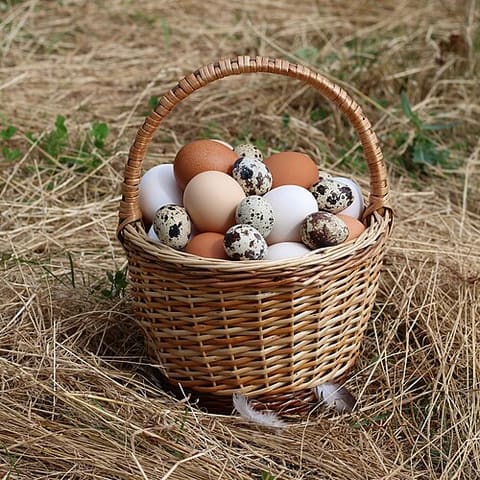 Egg
 Onion
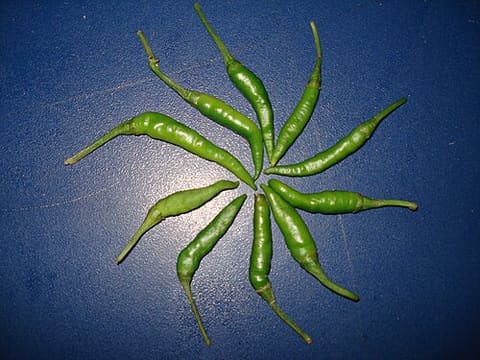 Green chilli
- Salt
then cut
3 · To serve in a bowl
 Honey
 Berbere
About this dish
- Origin
- Ethiopia, especially Harar, Dire Dawa and Addis Ababa, Ethiopia · Commonly attributedAssociated with Ethiopian Muslim communities and Eid breakfasts; sold by street cafés with or without the egg.Also popular in EritreaMore food from Ethiopia
Ethiopia - Dish
- Breakfast · Brunch · Pancakes & crêpes · Breakfast dishes · Street food
- Cooking method
- Pan-fried, Stir-fried
- Taste
- sweet & savoury, buttery, aromatic / warmly spiced
- Diet
- Vegetarian (lacto-ovo) · No nut ingredientsWorked out from the ingredients. How labels work
All labels
Vegetarian (lacto-ovo) · Eggetarian · Pescatarian · Flexitarian-friendly · No nut ingredients · Alcohol-free · Pork-free · Beef-free - Good for
- Street food · Festive & celebration
- Cook more with
- All-purpose flour · Egg · Niter kibbeh (Ethiopian spiced butter) · Honey
- Techniques
- Pan-frying · Stir-frying · Kneading
Allergens
- Contains: Milkfrom niter kibbeh (ethiopian spiced butter)
- Contains: Eggsfrom egg
- Contains: Wheatfrom all-purpose flour
- Contains: Glutenfrom all-purpose flour
Based on typical versions of these ingredients and not verified allergen-free. Brands differ and cross-contact happens, so always check labels. For severe allergies, follow your clinician’s advice.
Nutrition
666 kcal per serving
Estimated1 serving ≈ 243 g · recipe makes 4
Where the energy comes from
- Protein 10%
- Carbohydrate 45%
- Fat 45%
| Nutrient | Per serving | Per 100 g* |
|---|---|---|
| Energy | 666 kcal | 274 kcal |
| Protein | 17.3 g | 7.1 g |
| Carbohydrate | 75.1 g | 30.9 g |
| Net carbohydrate | 73 g | 30.1 g |
| Sugars | 17.7 g | 7.3 g |
| Added sugars | 17.2 g | 7.1 g |
| Fibre | 2.1 g | 0.9 g |
| Fat | 33 g | 13.6 g |
| Saturated fat | 12.5 g | 5.2 g |
| Trans fat | — | — |
| Cholesterol | 317 mg | 131 mg |
| Sodium | 693 mg | 285 mg |
| Salt equivalent | 1.7 g | 0.7 g |
Vitamins & minerals per serving
- Potassium
- 196 mg
- Calcium
- 60 mg
- Iron
- 4.9 mg
- Magnesium
- 27 mg
- Vitamin A (RAE)
- 246 µg
- Vitamin C
- 0 mg
- Vitamin D
- 1.5 µg
- Vitamin B12
- 0.7 µg
- Folate (DFE)
- 254 µg
How these numbers were made
- Calculated from USDA FoodData Central (SR Legacy) per-100 g values and the listed quantities.
- *Per 100 g of combined raw ingredients; the cooked dish may weigh more or less.
- Optional ingredients are not included: onion, green chilli, berbere.
- Niter kibbeh (Ethiopian spiced butter): Anhydrous butter oil (ghee) used as a stand-in; niter kibbeh is clarified butter simmered with spices, which add negligible nutrients.
- “—” means the value isn’t known for enough of the ingredients; it is never zero by default.
- Values are estimates for guidance, not for medical dosing. U.S. Department of Agriculture, Agricultural Research Service. FoodData Central, 2019. fdc.nal.usda.gov.
Good to know
Tips
- For plain fatira, fold the dough without filling and serve the scrambled eggs on the side.
Common mistakes
- Making the dough too stiff — it tears instead of stretching paper-thin.
Serve with
- Serve with Ethiopian coffee or spiced tea (shai).
Food safety
- Soft-set yolks are not recommended for pregnant people, young children, older people or anyone with weakened immunity; bake until the yolks are firm for them.
Storage
- Best eaten freshly fried.
Variations
- Fatira with meat: Filled with minced beef cooked with onion and spices, like a Yemeni or Sudanese mutabbaq.
- Sweet fatira: Folded without eggs and served only with honey and sugar.
Original editorial recipe · FriendsPantry editorial · source: TasteAtlas (dish facts) · Not yet independently reviewed · Added
Recipe DNA
How this dish is built
Built from the recipe’s own sections. Each band’s width is its share of the dish by weight. Choose a component to see what it does.
Structure
For the dough
- All-purpose flour300 g
- Salt0.5 tsp · 3 g
- Water, warm180 ml · 180 g
- Neutral vegetable oil3 tbsp · 41 g
Masalas in this recipe
Make the masala first, then come back to finish the dish.
Dry spice blend
Berbere spice blend
This recipe uses ½ tsp (1.1 g for 4 servings (4 fatira)).
Reviews & corrections
Reviews come from signed-in cooks and appear after a moderator checks them. We never show made-up ratings.
You might also like
Chechebsa
 Ethiopian · 30 min · 453 kcal · Vegetarian
Taita fit-fit (injera fir-fir)
 Eritrean · 35 min · 534 kcal · Vegetarian
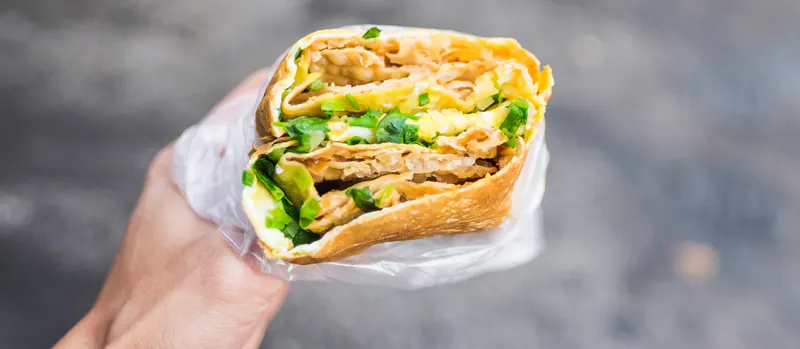
Jianbing (Chinese breakfast crepe)
 Chinese · 25 min · 353 kcal · Contains egg
Dan bing (Taiwanese egg crepe)
 Taiwanese · 15 min · 265 kcal · Contains egg