
Coda alla vaccinara (Roman oxtail stew)
Non-vegetarian
Coda alla vaccinara
Oxtail browned with guanciale and braised for hours in white wine and tomato until it falls from the bone, then finished with a mass of celery, raisins, pine nuts and a little bitter cocoa. The great quinto quarto dish of Rome's old slaughterhouse district.
Coda alla vaccinara (Roman oxtail stew) is an Italian stew from Italy, ready in about 4 hours 55 minutes and made with oxtail, tomato passata and celery. It serves 6 and is rated intermediate to cook.
No licensed photograph of this dish yet.
- Prep
- 30 min
- Cook
- 4 h 15 min
- Rest
- 10 min
- Total
- 4 h 55 min
- Serves
- 6
- Level
- Intermediate
- Calories
- 1594
Plus 1 hour soaking the oxtail.
Main ingredients
Ingredients
For the braise
To finish
Method
Braise
4 h 13 minStep 1
Heat the olive oil (opens in a new tab) in a large heavy casserole and fry the guanciale (opens in a new tab) over medium heat until it releases its fat. Add the oxtail (opens in a new tab) in batches and brown well on all sides, 12–15 minutes in all. Lift out.
- 15 min
- medium-high heat
- Dutch oven / casserole pot (opens in a new tab)
- Tongs (opens in a new tab)
Food safety: Wash hands, boards and knives after handling raw meat, and keep it apart from salad and other ready-to-eat food.
Step 2
Add the onion (opens in a new tab), carrot (opens in a new tab), chopped celery (opens in a new tab), leek (opens in a new tab) and garlic (opens in a new tab) to the fat and cook gently until soft, 8 minutes.
- 8 min
- medium heat
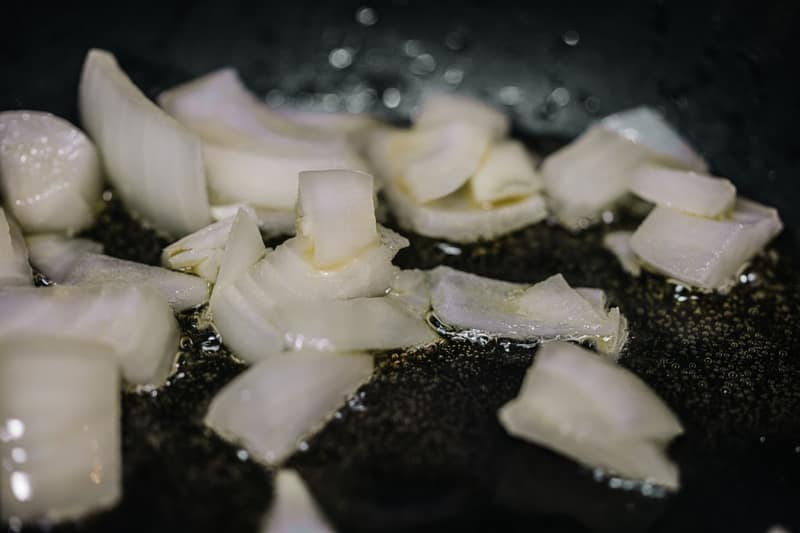
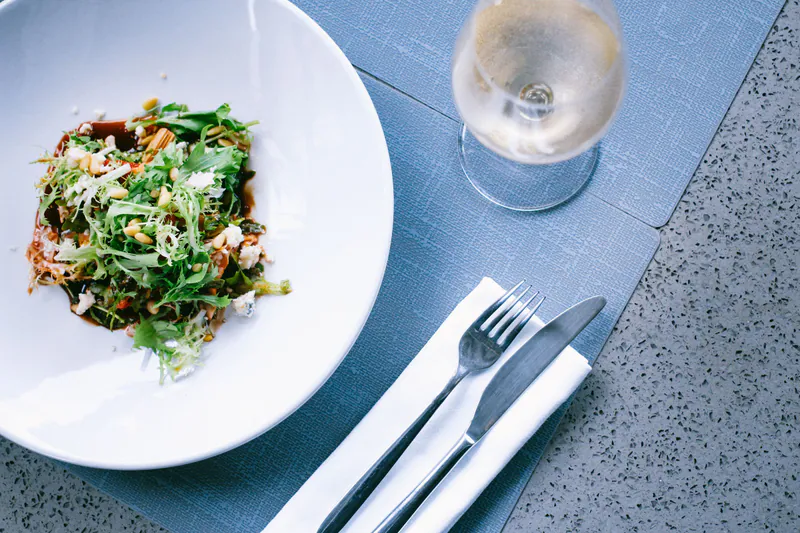
How it looks · Photo: Magda Ehlers on Pexels Step 3
Return the oxtail (opens in a new tab), add the cloves (opens in a new tab) and pour in the wine. Let it bubble until it has almost evaporated, 5 minutes.
- 5 min
- medium-high heat
Step 4
Stir in the passata, hot water, bay leaves (opens in a new tab), thyme (opens in a new tab), nutmeg (opens in a new tab), cinnamon (opens in a new tab), salt and pepper (opens in a new tab). Bring to a simmer, cover with the lid slightly ajar and cook very gently for 3½–4 hours, turning the pieces now and then and adding hot water if the sauce gets too thick, until the meat comes away from the bone easily.
- 225 min
- low heat
- Wooden spoon (opens in a new tab)
To finish
22 minStep 5
Meanwhile, blanch the celery (opens in a new tab) batons in salted boiling water for 5 minutes and drain.
- 7 min
- high heat
- Saucepan (opens in a new tab)
Step 6
Skim off excess fat from the sauce and remove the bay and thyme (opens in a new tab). Stir in the cocoa, then add the celery (opens in a new tab), drained raisins (opens in a new tab) and pine nuts (opens in a new tab) and simmer uncovered for 15 minutes until the celery is tender and the sauce is thick and glossy. Rest for 10 minutes before serving.
- 15 min
- low heat
At a glance
1 · Braise in a pan
 Oxtail
 Guanciale (cured pork cheek)
 Olive oil
 Onion
 Carrot
 Celery
 Leek
 Garlic
 Cloves
 Dry white wine
 Tomato passata
 Bay leaves
 Thyme (fresh)
 Nutmeg
 Cinnamon
 Salt
 Black pepper
then blanch
2 · To finish in a pot
- Celery
 Raisins
 Pine nuts
 Cocoa powder
About this dish
- Origin
- Rome (Testaccio and Regola), Lazio, Italy · Well documentedNamed after the vaccinari, the butchers and hide workers of Rome who were paid partly in offcuts (the 'fifth quarter'); the trattorias of Testaccio near the old Mattatoio made it famous. The sweet-and-sour finish of raisins, pine nuts and cocoa is a later, much-loved addition.More food from Italy
Italy - Dish
- Lunch · Dinner · Stews & braises · Main courses
- Cooking method
- Braised, Slow-cooked
- Taste
- rich, savoury, sweet & savoury, aromatic / warmly spiced
- Diet
- No gluten ingredients · Dairy-free · Low-carb · High-proteinWith the listed swaps: Whole-food focused, Paleo-styleWorked out from the ingredients. How labels work
All labels
Non-vegetarian · No gluten ingredients · Dairy-free · Egg-free · No added sugar · Low-carb · High-protein - Good for
- Make-ahead · Uses leftovers · Freezer-friendly · One-pot
- Cook more with
- Oxtail · Tomato passata · Celery · Guanciale (cured pork cheek) · Onion · Carrot
Allergens
- Contains: Tree nutsfrom pine nuts
- Contains: Celeryfrom celery
- Contains: Sulphitesfrom dry white wine, raisins
Based on typical versions of these ingredients and not verified allergen-free. Brands differ and cross-contact happens, so always check labels. For severe allergies, follow your clinician’s advice.
Nutrition
1594 kcal per serving
Estimated1 serving ≈ 686 g · recipe makes 6
Where the energy comes from
- Protein 13%
- Carbohydrate 6%
- Fat 81%
| Nutrient | Per serving | Per 100 g* |
|---|---|---|
| Energy | 1594 kcal | 232 kcal |
| Protein | 52.5 g | 7.7 g |
| Carbohydrate | 23.4 g | 3.4 g |
| Net carbohydrate | 19.1 g | 2.8 g |
| Sugars | — | — |
| Added sugars | 0 g | 0 g |
| Fibre | 4.3 g | 0.6 g |
| Fat | 140.1 g | 20.4 g |
| Saturated fat | 57.1 g | 8.3 g |
| Trans fat | — | — |
| Cholesterol | 265 mg | 39 mg |
| Sodium | 1021 mg | 149 mg |
| Salt equivalent | 2.6 g | 0.4 g |
Vitamins & minerals per serving
- Potassium
- 1630 mg
- Calcium
- 97 mg
- Iron
- 8.4 mg
- Magnesium
- 105 mg
- Vitamin A (RAE)
- 127 µg
- Vitamin C
- 18 mg
- Vitamin D
- —
- Vitamin B12
- 8.6 µg
- Folate (DFE)
- 51 µg
How these numbers were made
- Calculated from USDA FoodData Central (SR Legacy) per-100 g values and the listed quantities.
- *Per 100 g of combined raw ingredients; the cooked dish may weigh more or less.
- Optional ingredients are not included: leek, cinnamon.
- Oxtail: Raw beef short ribs (lean and fat) used as a stand-in; USDA SR Legacy has no oxtail entry. Both are fatty, collagen-rich bone-in cuts — recipes count only the edible portion.
- Guanciale (cured pork cheek): Raw pork jowl used as a stand-in; guanciale is the same cut salt-cured and dried, so it is somewhat saltier and more concentrated.
- “—” means the value isn’t known for enough of the ingredients; it is never zero by default.
- Values are estimates for guidance, not for medical dosing. U.S. Department of Agriculture, Agricultural Research Service. FoodData Central, 2019. fdc.nal.usda.gov.
Good to know
Tips
- Make it a day ahead: chill overnight, lift off the set fat and reheat. The flavour deepens too.
- Romans eat it with their fingers to get every bit of meat and gelatine off the bones.
Common mistakes
- Rushing the braise; oxtail needs long, gentle cooking to turn tender and sticky.
- Adding too much cocoa, which turns the sauce bitter; it should be barely detectable.
Serve with
- Serve with crusty bread to mop the sauce, followed by a green salad.
- Toss leftover sauce with rigatoni or tonnarelli as a first course, Roman-style.
Food safety
- Wash hands, boards and knives after handling raw meat, and keep it apart from salad and other ready-to-eat food.
Storage
- Keeps 4 days in the fridge; freezes well for up to 3 months.
Reheating
- Reheat gently, covered, with a splash of water until piping hot.
Variations
- Without the sweet finish: The older version omits the raisins, pine nuts and cocoa and relies on the celery alone.
- Trapizzino filling: The braise is spooned into pockets of pizza bianca; see trapizzino.
Original editorial recipe · FriendsPantry editorial · source: TasteAtlas (dish facts) · Not yet independently reviewed · Added
Recipe DNA
How this dish is built
Built from the recipe’s own sections. Each band’s width is its share of the dish by weight. Choose a component to see what it does.
Reviews & corrections
Reviews come from signed-in cooks and appear after a moderator checks them. We never show made-up ratings.
You might also like
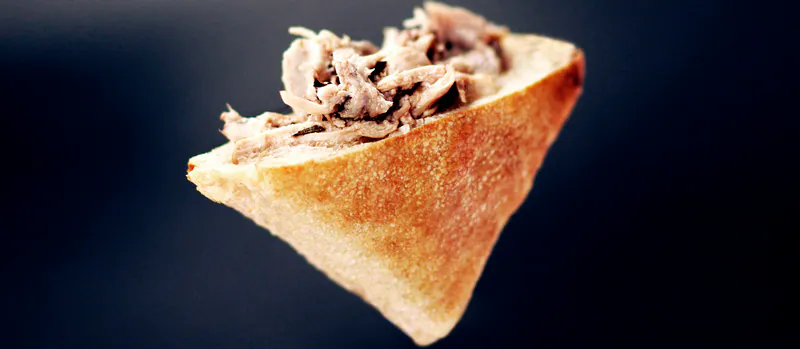
Trapizzino (Roman pizza pocket with chicken cacciatora)
 Italian · 4 h 35 min · 473 kcal
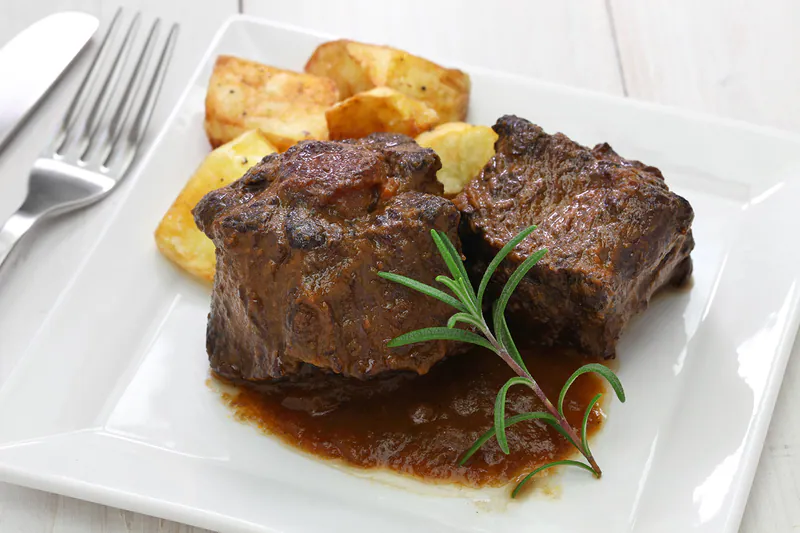
Rabo de toro (Córdoba braised oxtail)
 Spanish · 4 h 30 min · 1437 kcal
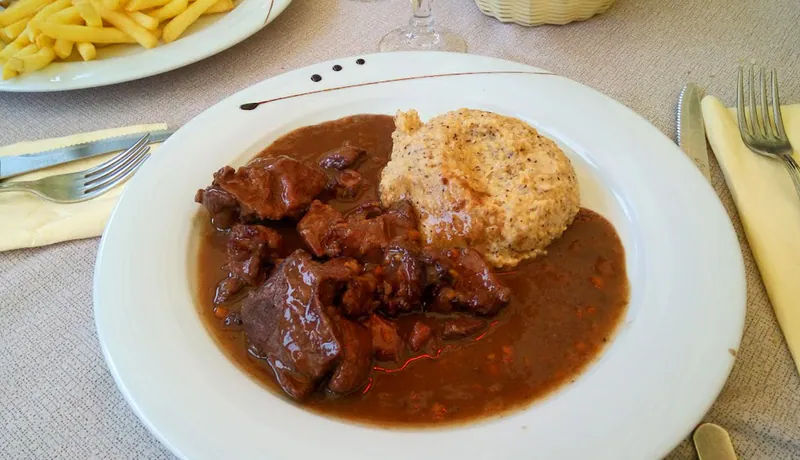
Salmì di cervo (Valtellina venison in red wine)
Italian · 3 h 15 min · 526 kcal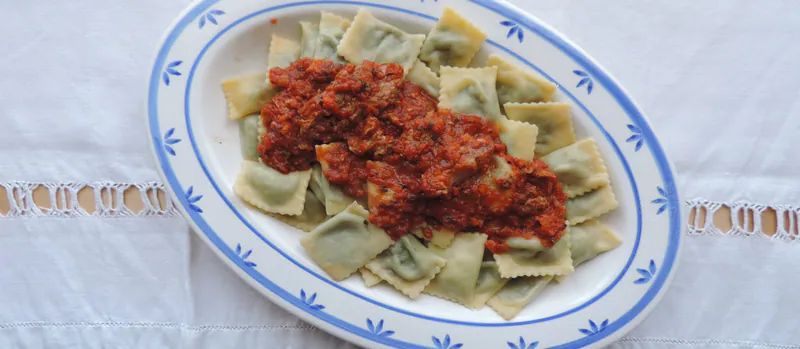
Ravioli alla genovese (Genoese ravioli with tocco meat sauce)
Italian · 5 h 20 min · 752 kcal