
Vegetables · Root vegetables
Lotus root (lotus stem)
Crunchy rhizome with a lacy pattern of holes when sliced; used in stir-fries, soups, curries and fritters.
Also called: lotus stem, nadru, kamal kakdi, bhein, renkon
What it is
Lotus root is the underwater stem (rhizome) of the lotus plant, sold as linked beige sausage-shaped segments. Slicing reveals a pretty wheel of air channels. It is crisp raw and stays crunchy when cooked briefly, becoming starchy with long cooking. In Kashmir and North India it is called nadru or kamal kakdi.
Nelumbo nucifera
How it’s used
- Stir-fried or braised (Chinese, Japanese renkon)
- Simmered in soups with pork
- Kashmiri nadru yakhni and nadru monje fritters
- Pickled
- Fried into chips
Characteristics
- Taste
- Mild, slightly sweet and nutty.
- Texture
- Crunchy; starchy and slightly sticky when cooked long.
- When cooked
- Browns quickly once cut; keep slices in water with a little vinegar.
- Sold as
- fresh, frozen, canned
- Cooking uses
- Commonly cooked, Suitable for frying, Suitable for boiling
Storage
Refrigerated. Wrap and refrigerate; keep cut slices submerged in acidulated water and use within a few days.
Diet, allergens and safety
No major allergens in typical versions.
- Vegetarian
- Vegan
- Dairy-free
- Egg-free
- Gluten-free
- Nut-free
- Soy-free
- Caffeine-free
- Cook before eating; lotus root grows in mud and raw roots may carry parasites.
Nutrition per 100 g
- Energy
- 74 kcal
- Protein
- 2.6 g
- Carbohydrate
- 17.23 g
- Fat
- 0.1 g
- Fibre
- 4.9 g
- Sugars
- — g
USDA FoodData Central: Lotus root, raw.
Related ingredients
Recipes with lotus root (lotus stem)
Gỏi ngó sen tôm thịt
 Vietnamese · 1 h · 451 kcal
Nadru yakhni
 Indian · 55 min · 204 kcal · Vegetarian
Singju
Indian · 28 min · 67 kcal
More root vegetables
Root vegetables
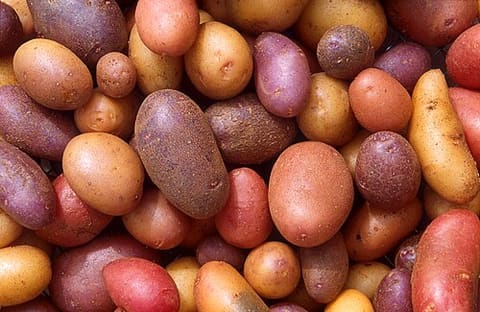
Potato
Starchy tuber with thin skin and pale flesh, eaten boiled, mashed, roasted, fried or simmered in curries worldwide.
225 recipes
Root vegetables
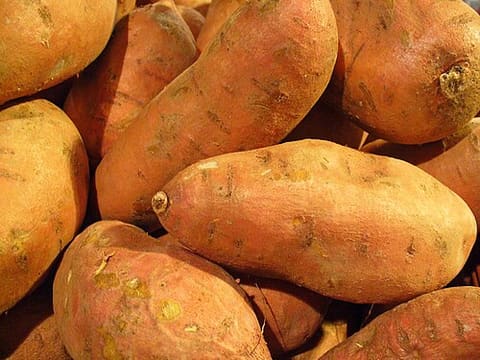
Sweet potato
Sweet, orange- or pale-fleshed root that roasts, mashes and bakes well; not a true yam despite the US nickname.
19 recipes
Root vegetables
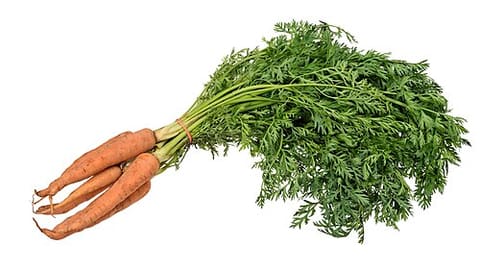
Carrot
Crunchy orange root, sweet raw or cooked, used in salads, stews, stocks, curries and cakes.
183 recipes
Root vegetables
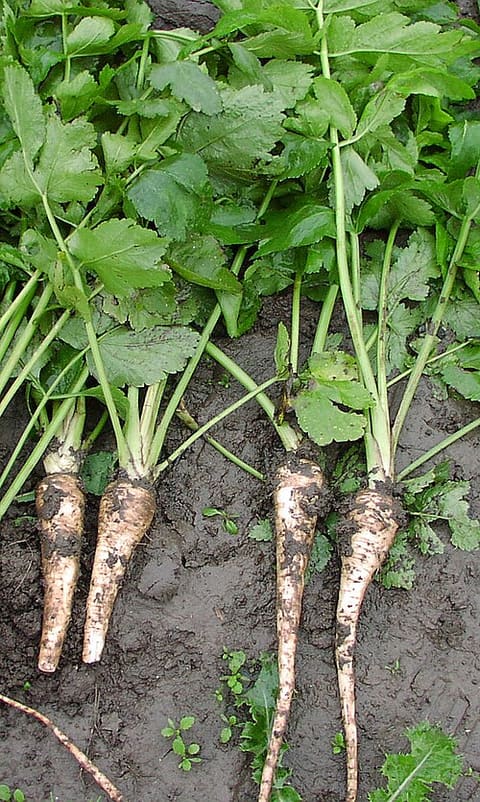
Parsnip
Cream-coloured carrot-like root with sweet, nutty, aromatic flesh; best roasted, mashed or in soups.
11 recipes
Root vegetables
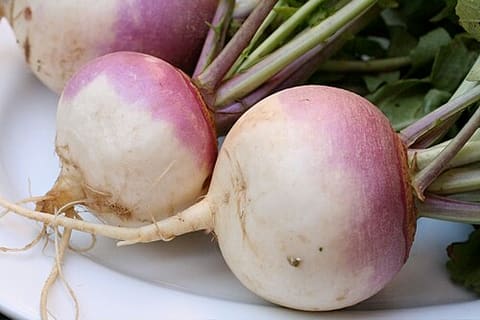
Turnip
Round white root with a purple top and peppery flesh, cooked in stews, curries and pickles.
9 recipes
Root vegetables
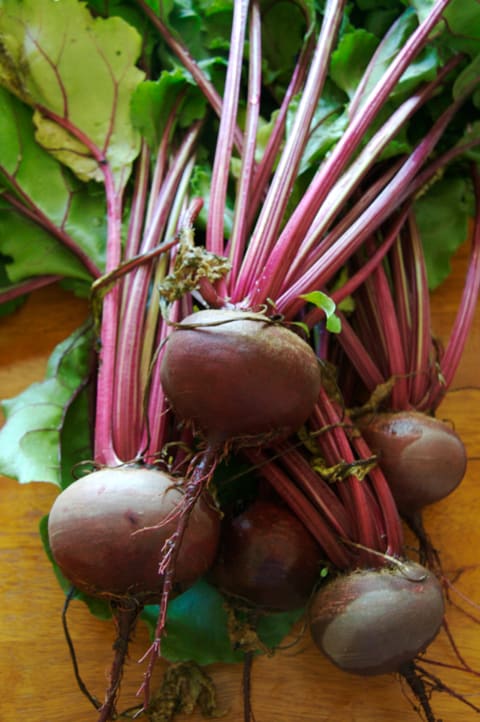
Beetroot
Earthy, sweet root with deep red flesh, roasted, boiled, pickled or grated raw into salads.
12 recipes
Root vegetables
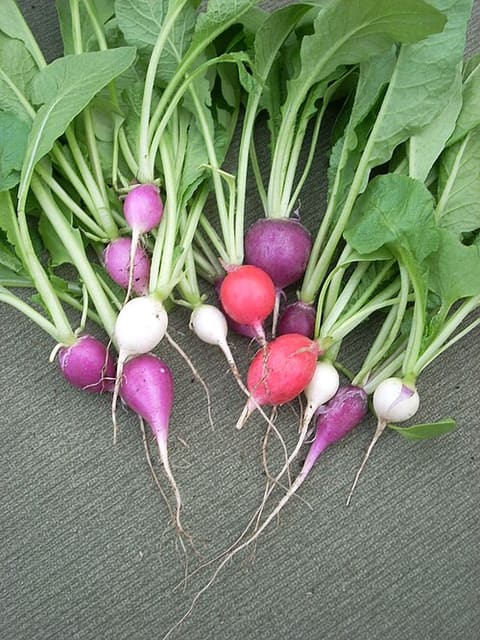
Radish
Small, crisp red or pink root with a peppery bite, mostly eaten raw in salads or as a crunchy garnish.
27 recipes
Root vegetables
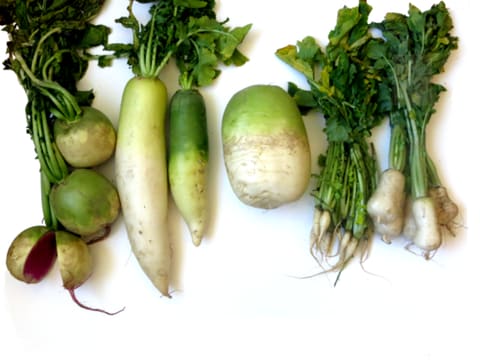
Daikon
Long white radish (mooli) with juicy, mildly peppery flesh, eaten raw, pickled, braised or stuffed into parathas.
23 recipes