
Vegetables · Fruiting vegetables
Green cooking bananas (matoke)
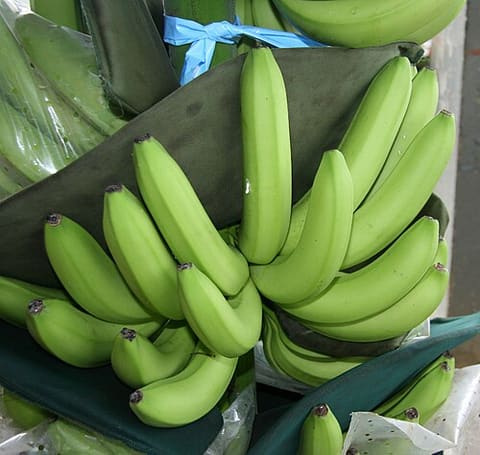
Unripe cooking bananas (matoke) peeled and steamed, boiled or mashed as a starchy staple.
Also called: matoke, matooke, green bananas, cooking bananas, ndizi, ibitoke, East African highland bananas
Around the world: ndizi mbichi (sw) · matooke (lg) · ibitoke (rw)
Photo: Gail Frederick, via Wikimedia Commons (CC-BY-2.0)
What it is
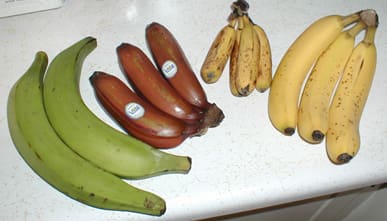
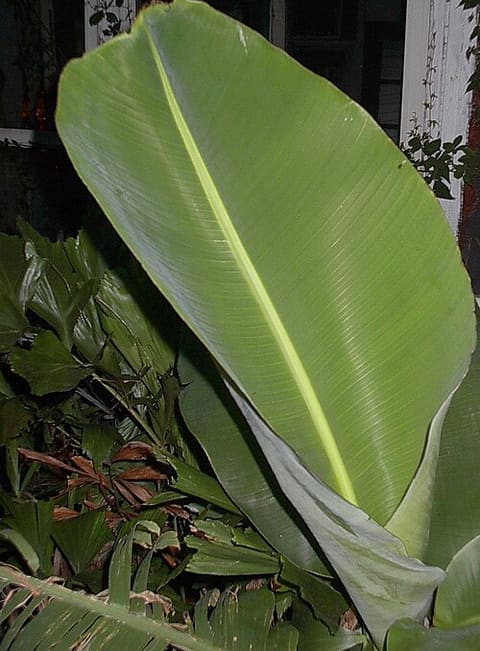
Green cooking bananas are starchy East African highland bananas and similar types picked unripe. They are smaller than plantains, with hard green skin and pale, firm flesh. Matoke is steamed in banana leaves and mashed in Uganda; in the Caribbean green figs are boiled. Sweet bananas are a different, dessert type.
Musa (AAA East African Highland group)
How it’s used
- Steamed and mashed as matoke
- Simmered in stews with meat or beans
- Boiled as a side (green fig)
- Fried into chips
Characteristics
- Taste
- Starchy and neutral, potato-like.
- Texture
- Firm when raw; soft and dense when cooked.
- When cooked
- The sap stains hands and darkens on contact with air; oil hands and keep peeled pieces in water.
- Sold as
- fresh
- Cooking uses
- Commonly cooked, Suitable for boiling, Suitable for frying
Storage
At room temperature. Keep at room temperature and use while green; they slowly ripen and sweeten.
Diet, allergens and safety
No major allergens in typical versions.
- Vegetarian
- Vegan
- Dairy-free
- Egg-free
- Gluten-free
- Nut-free
- Soy-free
- Caffeine-free
Nutrition per 100 g
- Energy
- 152 kcal
- Protein
- 1.25 g
- Carbohydrate
- 36.66 g
- Fat
- 0.07 g
- Fibre
- 2.2 g
- Sugars
- 2.29 g
USDA FoodData Central: Plantains, green, raw (a close stand-in).
Substitutes
Optional — what works if you don’t have it, and how it changes the dish.
Related ingredients
Recipes with green cooking bananas (matoke)
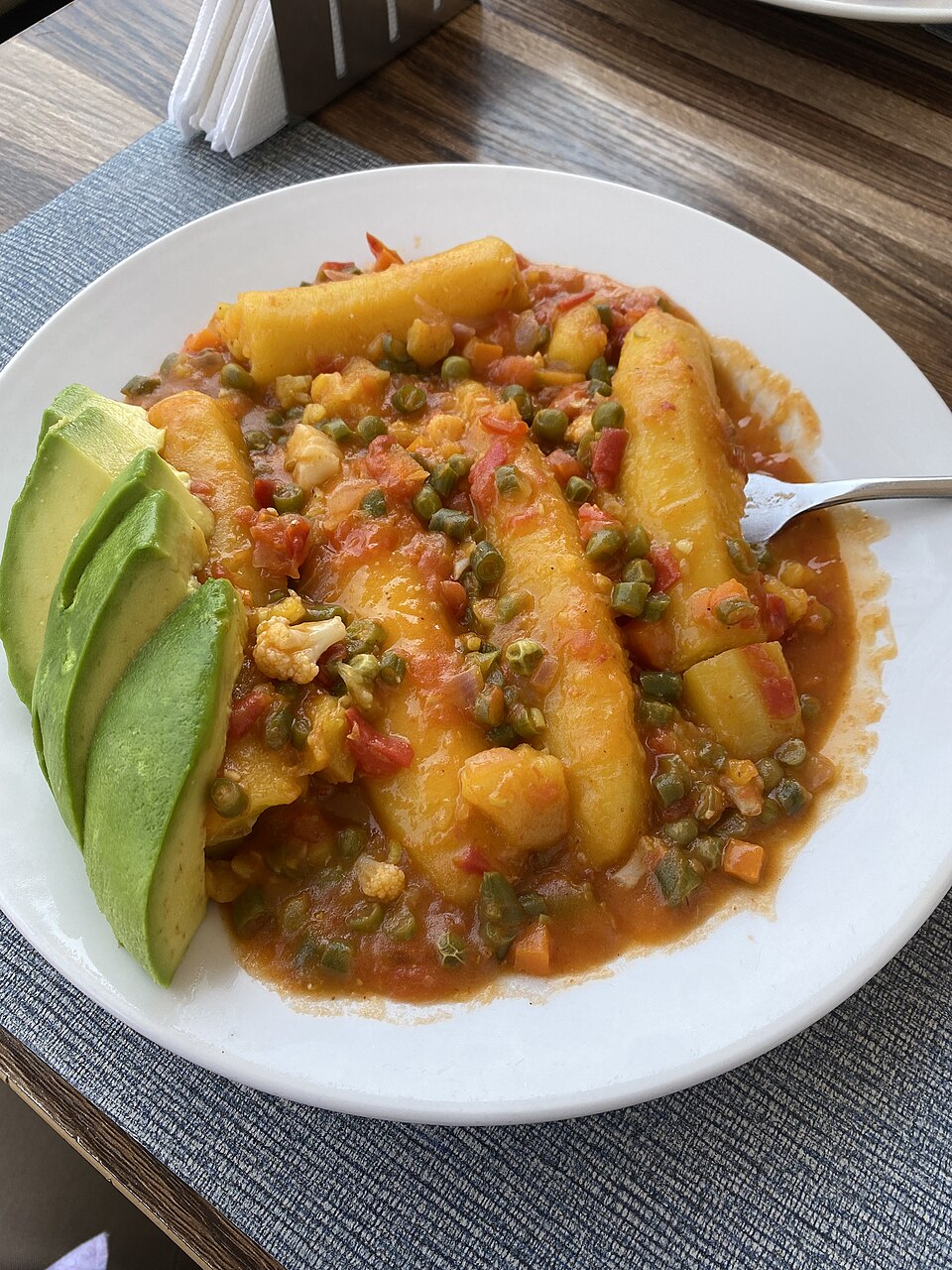
Katogo with beans
 Ugandan · 50 min · 571 kcal · Vegan
Matoke with groundnut sauce
Ugandan · 1 h 20 min · 619 kcal · VeganNdizi nyama
 Tanzanian · 1 h 35 min · 593 kcal
More fruiting vegetables
Fruiting vegetables
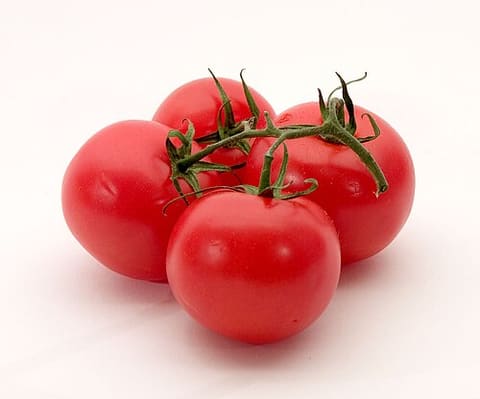
Tomato
Juicy red (or yellow) fruit used as a vegetable, eaten raw in salads and cooked into sauces, curries and stews.
497 recipes
Fruiting vegetables
Eggplant
Glossy purple nightshade (aubergine, brinjal) with spongy flesh that turns silky when roasted, fried or stewed.
56 recipes
Fruiting vegetables
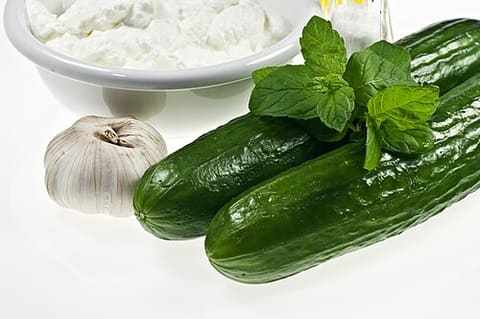
Cucumber
Cool, crisp, watery green gourd eaten raw in salads, raitas and sandwiches, or pickled.
111 recipes
Fruiting vegetables
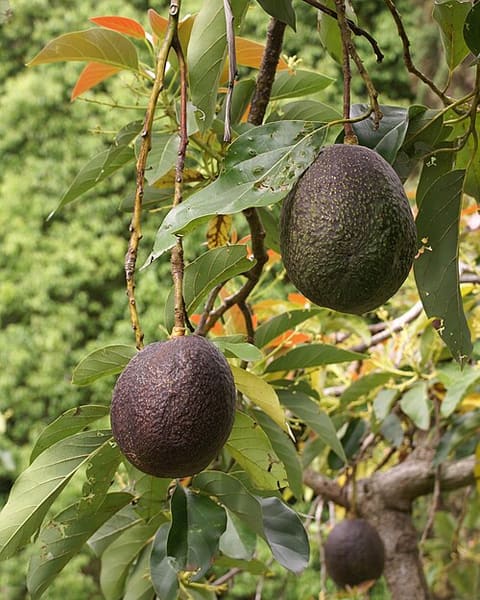
Avocado
Creamy, buttery green fruit with a large stone, eaten raw in guacamole, salads, toast and sushi.
35 recipes
Fruiting vegetables
Plantain
Large, starchy cooking banana eaten green or ripe, fried, boiled, roasted or mashed.
29 recipes
Fruiting vegetables
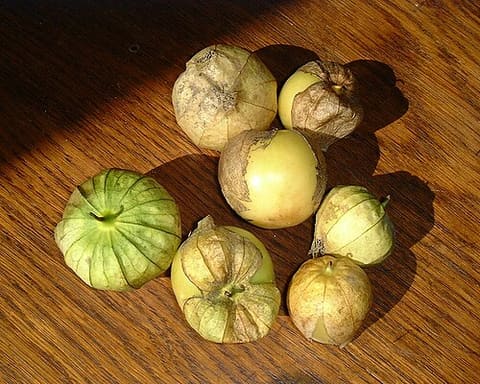
Tomatillo
Small, tart green fruit in a papery husk; roasted or boiled into Mexican salsa verde.
9 recipes
Fruiting vegetables
Green (raw) papaya
Unripe papaya with firm, pale flesh, shredded raw into som tam or cooked in soups, curries and pickles.
1 recipe