Cuisine
Taiwanese
A Hokkien-rooted island cuisine layered with Hakka, Japanese and post-1949 mainland influences, best known for night markets, braised pork rice, beef noodle soup and bubble tea.
Flavour character: Savoury-sweet soy braises scented with five-spice and fried shallots; basil (Thai basil) and white pepper on fried foods; a strong snack culture with chewy (Q) textures.
History
Most Taiwanese cooking descends from southern Fujian (Minnan) settlers who arrived from the 17th century, alongside Hakka communities and Indigenous peoples. Japanese rule (1895–1945) brought bento, oden-style dishes and a taste for certain sweets. After 1949, cooks from across mainland China arrived with the Nationalist government; Taiwanese beef noodle soup is commonly linked to veterans from Sichuan in Kaohsiung's military villages. Bubble tea was developed in Taiwan in the 1980s.
Commonly told; not firmly documented
Geography and influences
A mountainous subtropical island with fertile western plains: rice, sweet potato, tropical fruit, tea in the hills and abundant seafood.
- Southern Fujian (Minnan)
- Hakka
- Japanese colonial period
- Mainland Chinese migration after 1949
- Indigenous Taiwanese foods
Regional variations
- Tainan
- The old capital: sweeter cooking, milkfish, coffin bread, danzai noodles.
- Hakka areas
- Salty-savoury preserved vegetables and lei cha (pounded tea).
Festive and seasonal food
- Pineapple cakes as gifts
- Turnip cake and niangao at Lunar New Year
- Zongzi at the Dragon Boat Festival
Signature dishes
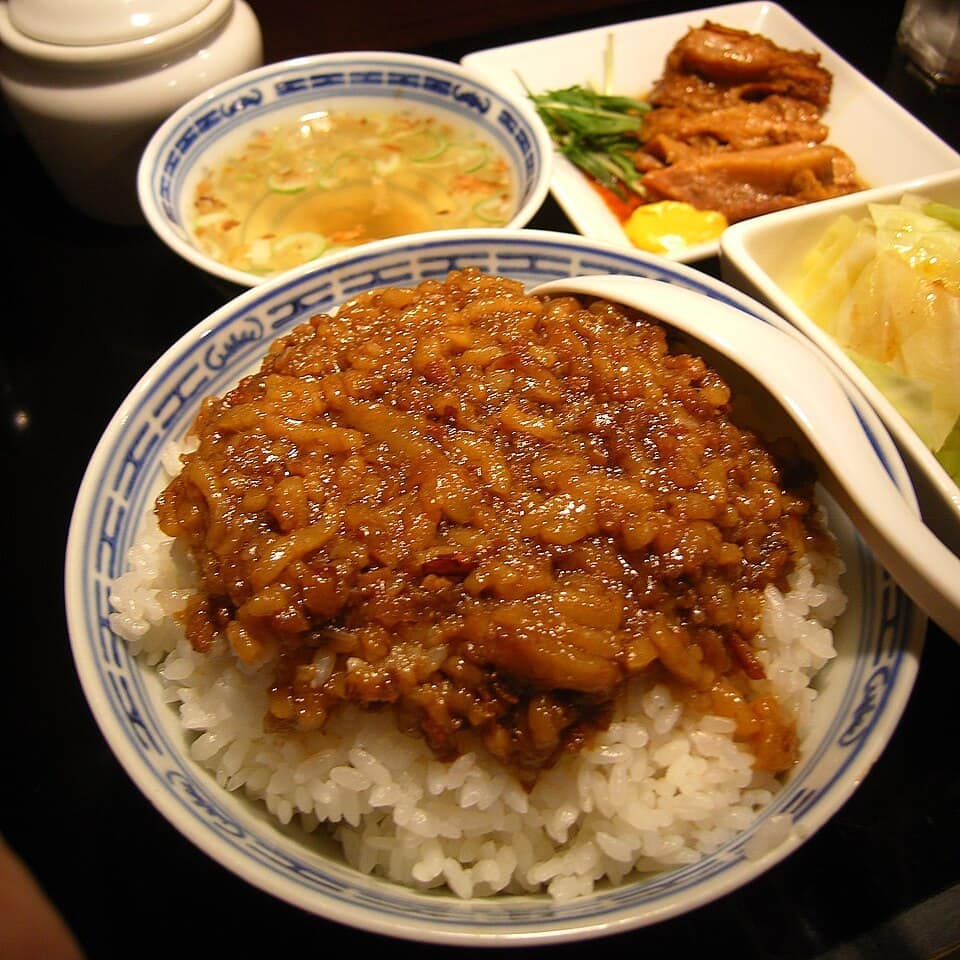
- Lu rou fan (Taiwanese braised pork rice)
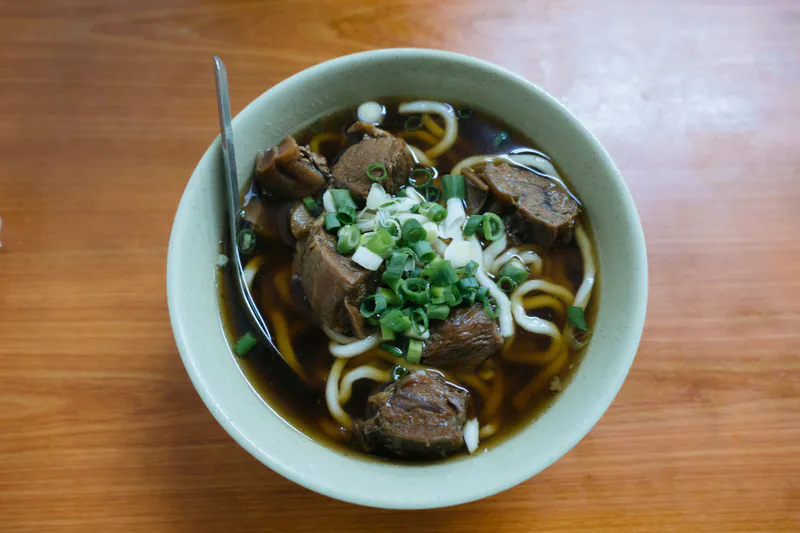
- Taiwanese beef noodle soup
- Three-cup chicken
- Gua bao (Taiwanese pork belly buns)
- Oyster omelette
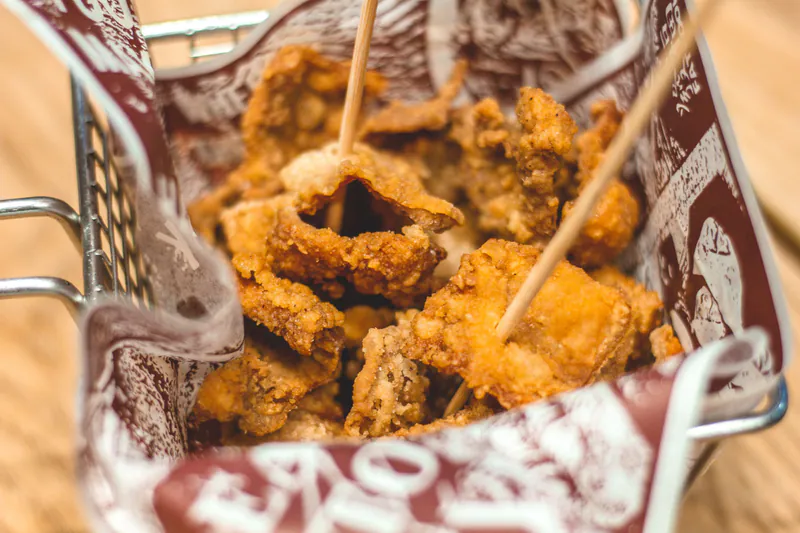
- Taiwanese popcorn chicken
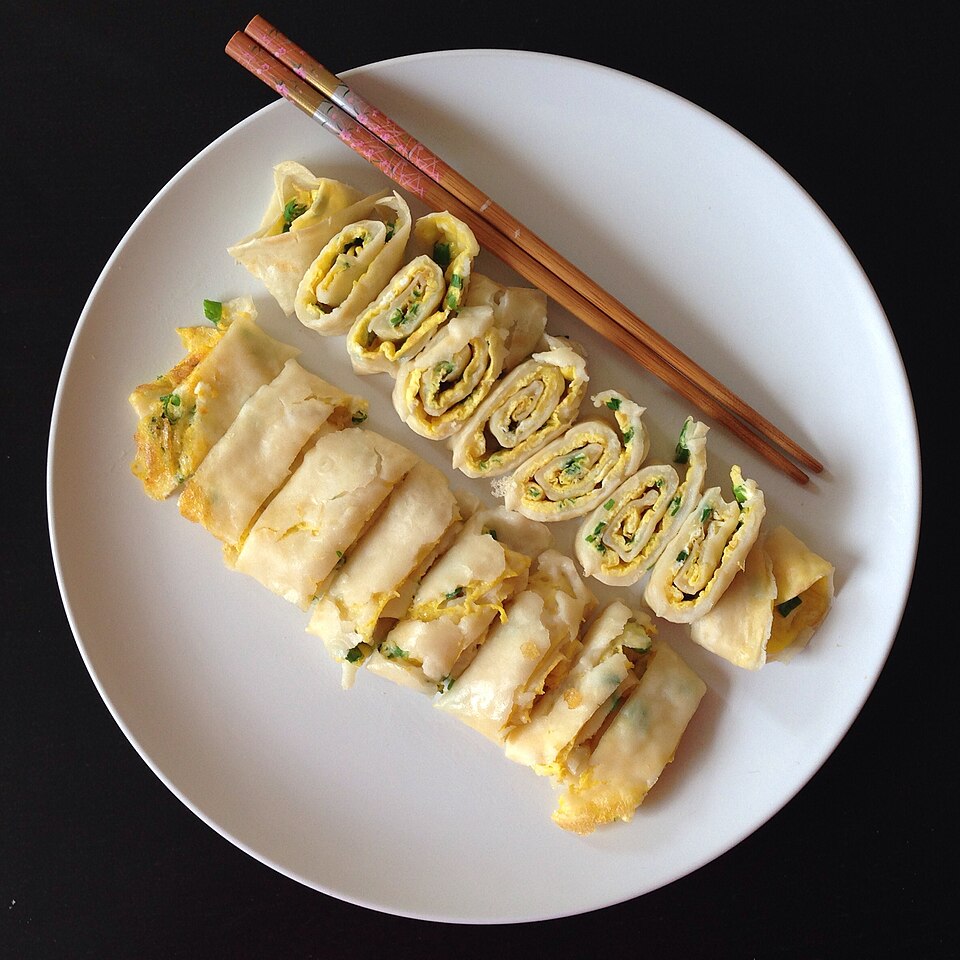
- Dan bing (Taiwanese egg crepe)
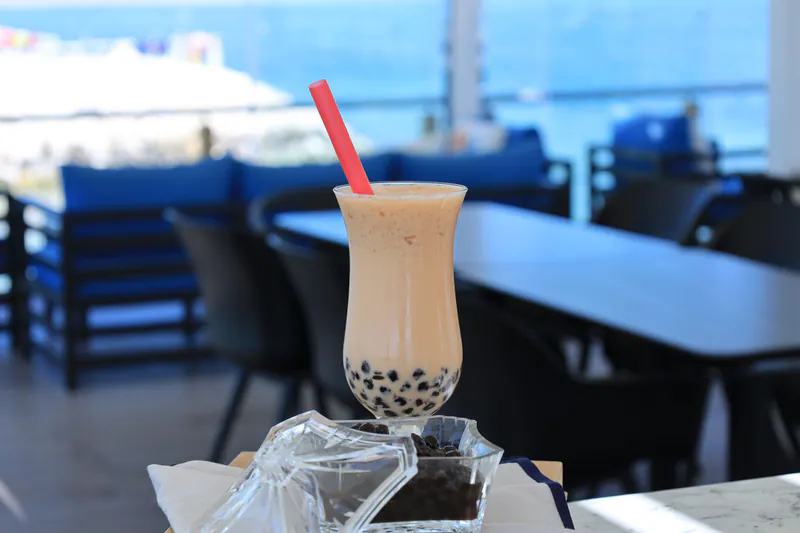
- Bubble milk tea
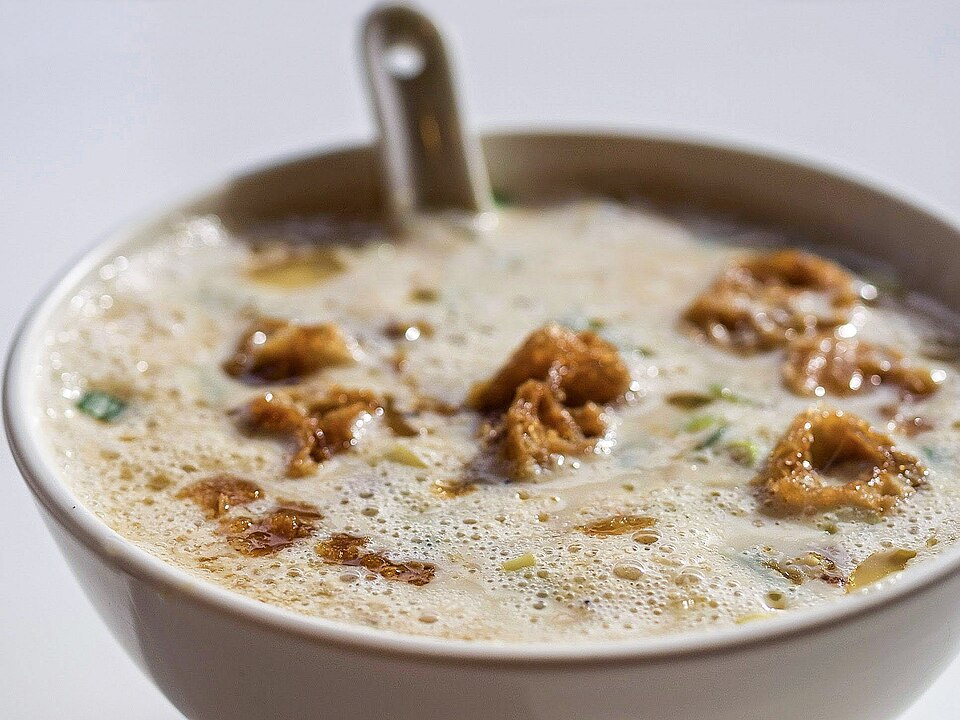
- Taiwanese savoury soy milk
- Taiwanese pineapple cakes
Not on the site yet: Stinky tofu, Ba-wan (meatball in translucent dough), Coffin bread (Tainan), Shaved ice
 Taiwanese · 35 min · 266 kcal ·
 Chinese · 50 min · 75 kcal ·