
Cuisine
Pacific Island
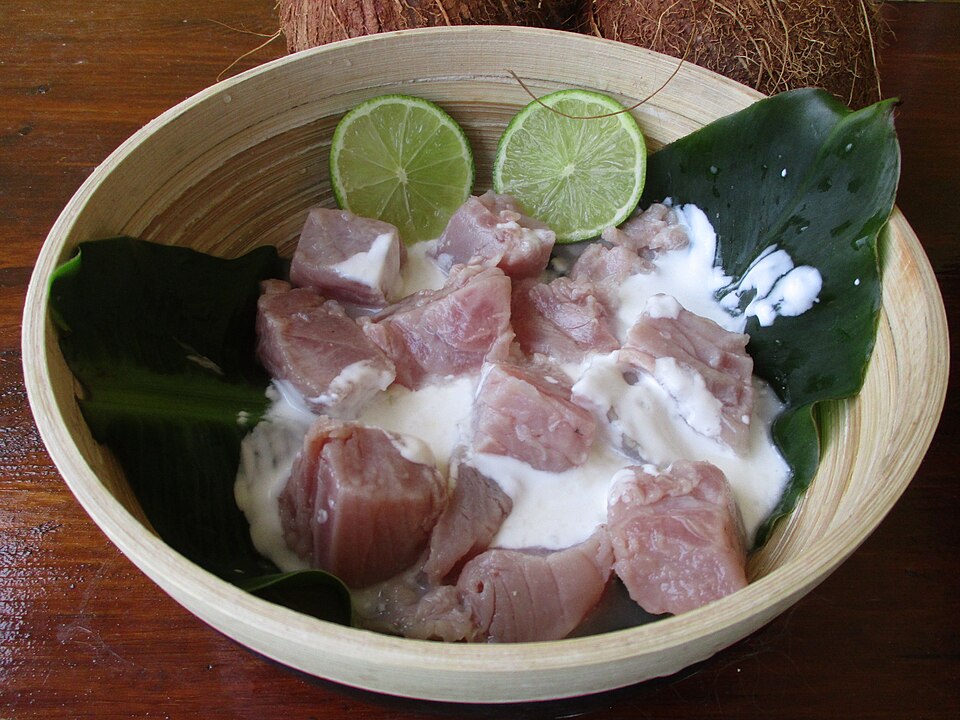
Island cooking of taro, breadfruit, yams, coconut cream and fish, much of it cooked in earth ovens or eaten raw in citrus and coconut.
Flavour character: Mild, rich and fresh: coconut cream, lime or lemon, sea salt, smoky earth-oven flavours, with chilli and curry in Fiji.
History
Austronesian voyagers who settled Melanesia and Polynesia carried taro, yams, breadfruit, bananas, coconuts, pigs and chickens in their canoes. Earth-oven cooking (umu in Samoa and Tonga, lovo in Fiji, mumu in Papua New Guinea, imu in Hawaii, hāngī in New Zealand) is shared across the region. European contact brought new foods such as corned beef and flour, now part of dishes like lu pulu; Fiji's large Indo-Fijian community, descended from indentured workers who arrived from 1879, made curry and roti everyday food.
Well documented
Geography and influences
Scattered volcanic and coral islands across the tropical Pacific: coconut palms, root crops, reef and ocean fish.
- Austronesian voyaging cultures
- European missionaries and traders
- Indo-Fijian community
- Asian (Chinese, Japanese) migrants in Hawaii and Fiji
Regional variations
- Polynesia (Samoa, Tonga)
- Umu-cooked taro and palusami, oka i'a / ota ika raw fish.
- Melanesia (Fiji, PNG)
- Lovo and mumu earth ovens, kokoda, Indo-Fijian curries in Fiji.
- Hawaii
- Kalua pig, poi and poke, now mixed with Asian-American food.
Festive and seasonal food
- Umu and lovo feasts for Sundays, weddings and funerals
- Kava ceremonies
- Whole roast pig at celebrations
Signature dishes
Not on the site yet: Lovo (Fijian earth-oven feast), Umu feast (Samoa, Tonga), Kava (ceremonial drink), Faikakai (Tongan sweet dumplings)
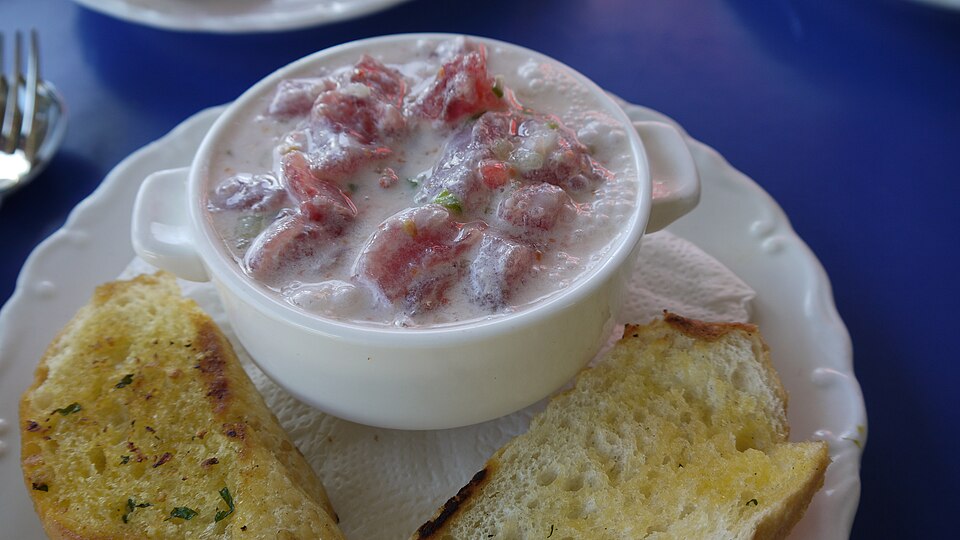
 Tongan · 50 min · 235 kcal
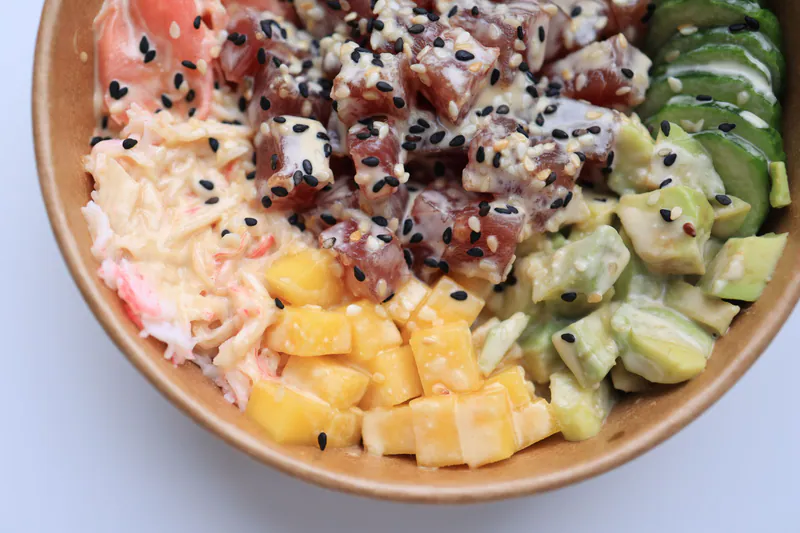
 American · 4 h 22 min · 337 kcal ·
 Fijian · 35 min · 502 kcal
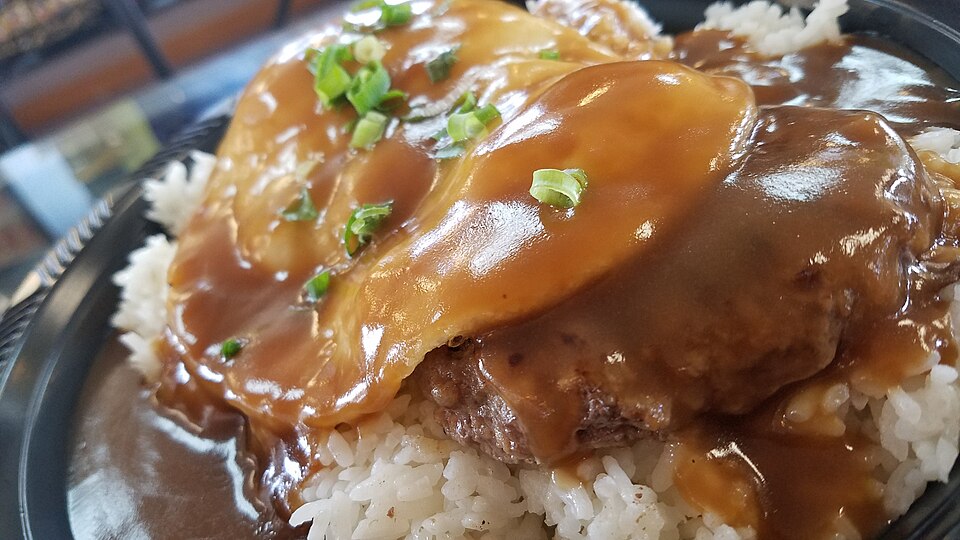
 Samoan · 40 min · 318 kcal
 New Zealand · 4 h 10 min · 635 kcal
 Papua New Guinean · 3 h 35 min · 646 kcal