
Vegetables · Root vegetables
Cassava
Long, starchy tropical root with bark-like brown skin and white flesh; must be peeled and cooked.
Also called: yuca, manioc, mandioca, tapioca root, kappa
What it is
Cassava (yuca, manioc) is a long, tapered root with waxy brown skin and dense white flesh around a fibrous core. It is starchier and firmer than potato. It is the source of tapioca, gari and cassava flour. Raw cassava contains natural cyanide-forming compounds that peeling, soaking and thorough cooking remove.
Manihot esculenta
How it’s used
- Boiled and served with mojo or sauces
- Fried as chips (yuca frita)
- Pounded into fufu
- Grated for cakes, bammy and bread
- Simmered in stews and curries (kappa)
Characteristics
- Taste
- Mild, slightly sweet and nutty.
- Texture
- Dense and starchy; becomes soft, chewy or fluffy when cooked.
- When cooked
- Takes longer to soften than potato; remove the woody core after boiling.
- Sold as
- fresh, frozen
- Cooking uses
- Commonly cooked, Suitable for boiling, Suitable for frying
- Common in
- West African, Nigerian, Ghanaian, Brazilian, Caribbean, South Indian, Filipino, Congolese
Storage
Cool, dry and dark. Fresh cassava spoils quickly; keep in a cool place and use within a couple of days. Peeled pieces freeze well, and frozen cassava is widely sold.
Diet, allergens and safety
No major allergens in typical versions.
- Vegetarian
- Vegan
- Dairy-free
- Egg-free
- Gluten-free
- Nut-free
- Soy-free
- Caffeine-free
- Never eat cassava raw. Peel completely, remove the core and cook thoroughly; bitter varieties need soaking or fermenting as well.
Nutrition per 100 g
- Energy
- 160 kcal
- Protein
- 1.36 g
- Carbohydrate
- 38.06 g
- Fat
- 0.28 g
- Fibre
- 1.8 g
- Sugars
- 1.7 g
USDA FoodData Central: Cassava, raw.
Substitutes
Optional — what works if you don’t have it, and how it changes the dish.
- Potato — In boiled and fried dishes; softer and cooks faster.
- Yam (ñame) — In pounded dishes and stews.
Related ingredients
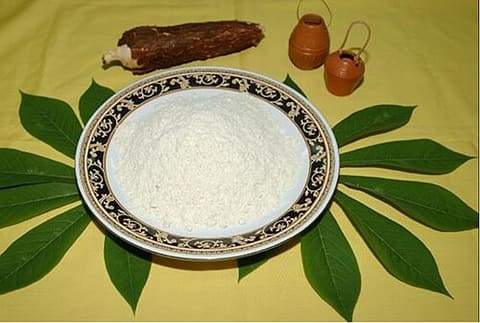
- Another formCassava flourDried, ground whole cassava.
 Another formTapioca starchPure starch extracted from cassava.
- Another formGari (toasted fermented cassava granules)Fermented, roasted cassava granules.
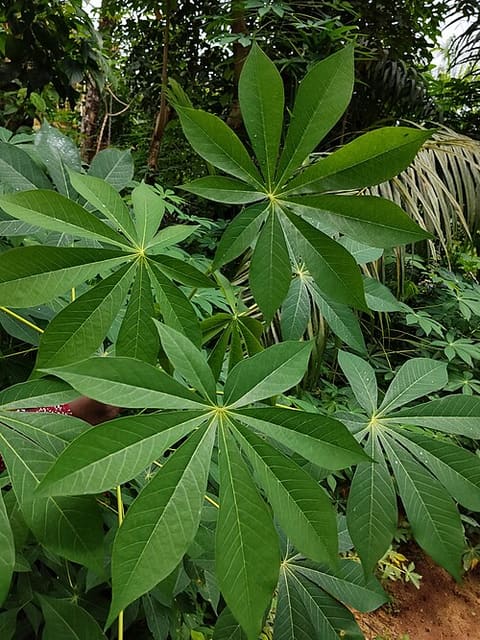 Another formCassava leavesThe leaves, cooked as a green.
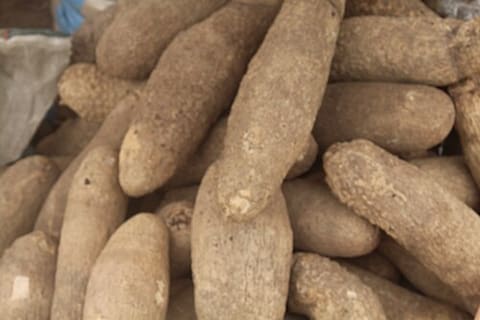 SimilarYam (ñame)Another starchy tuber for pounding.
Recipes with cassava
See all 14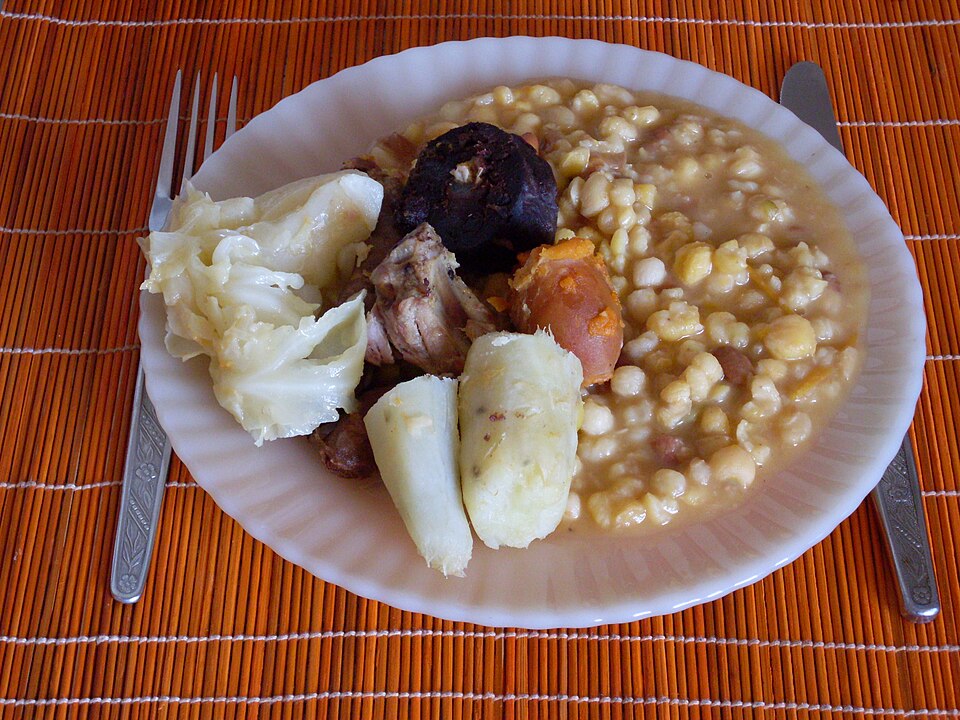
Cachupa
 Cape Verdean · 2 h 15 min · 580 kcal
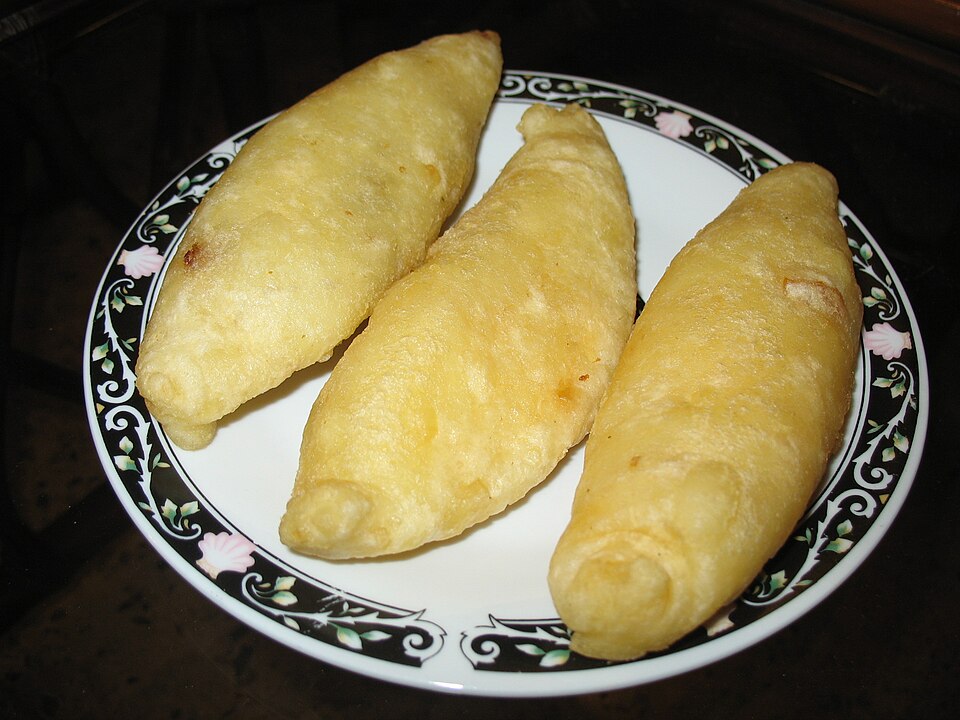
Carimañolas
 Panamanian · 1 h 25 min · 452 kcal
Encebollado
 Ecuadorian · 1 h 10 min · 396 kcal
Escondidinho de carne moída
 Brazilian · 1 h 30 min · 687 kcal
Fufu (cassava and plantain)
 Ghanaian · 45 min · 390 kcal · Vegan
Ika vakalolo
 Fijian · 35 min · 502 kcal
Metemgee
 Guyanese · 1 h 20 min · 660 kcal
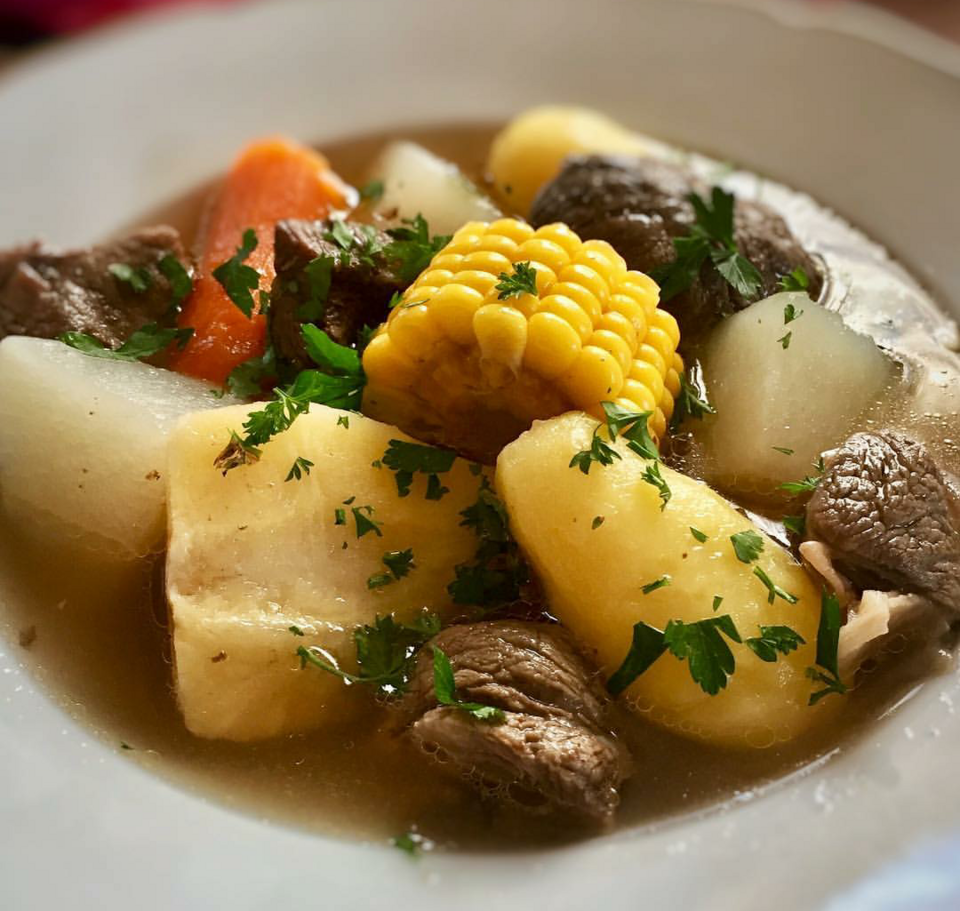
Olla de carne
 Costa Rican · 2 h 45 min · 365 kcal
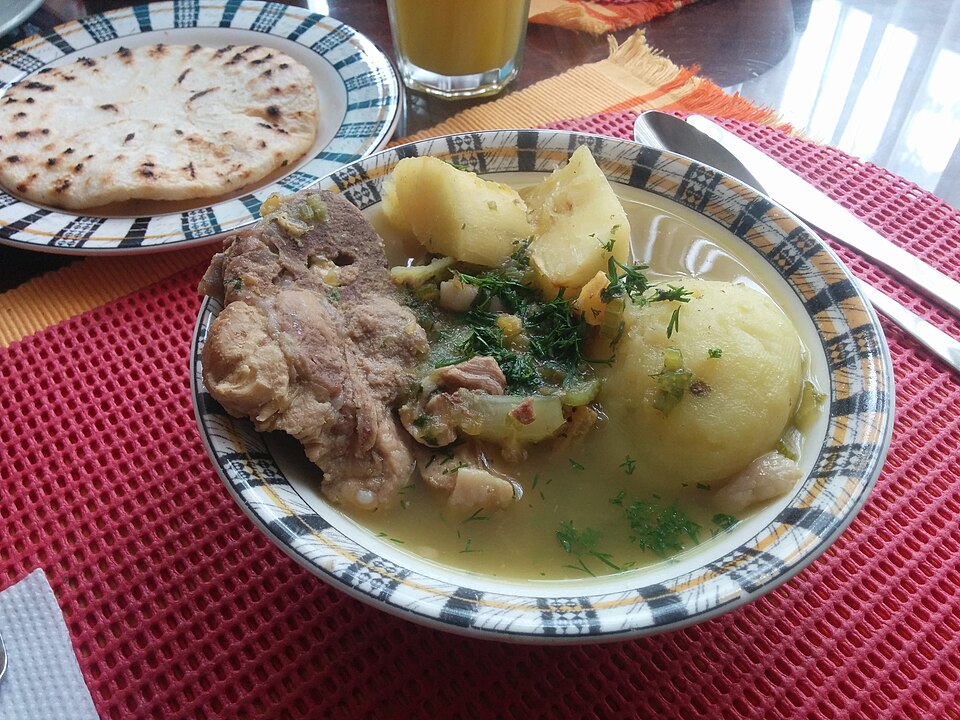
Sancocho
Caribbean · 1 h 45 min · 514 kcal
Sancocho de siete carnes
 Dominican · 3 h 10 min · 446 kcal
Sopa de caracol
 Honduran · 1 h 30 min · 564 kcal
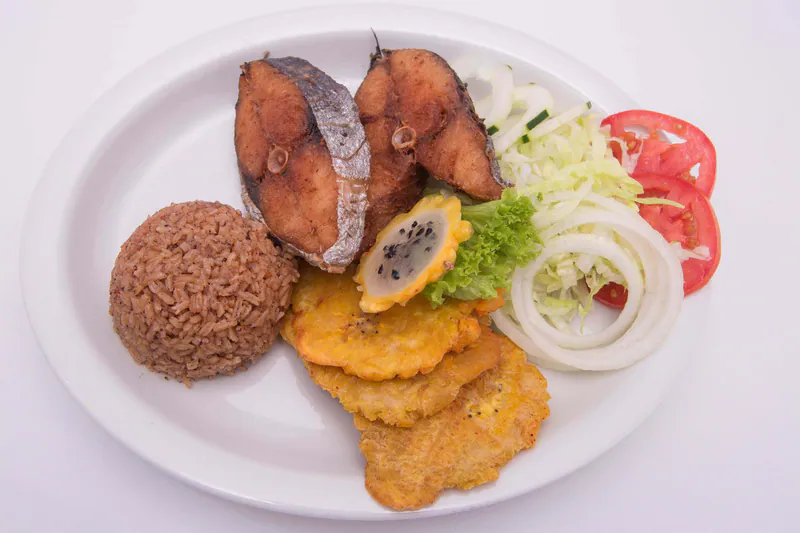
Thiéboudienne
 Senegalese · 2 h 10 min · 779 kcal
2 more
- Vigorón · Nicaraguan
- Yuca frita con chicharrón · Salvadoran
More root vegetables
Root vegetables
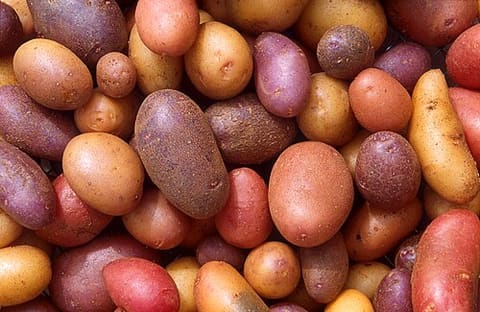
Potato
Starchy tuber with thin skin and pale flesh, eaten boiled, mashed, roasted, fried or simmered in curries worldwide.
225 recipes
Root vegetables
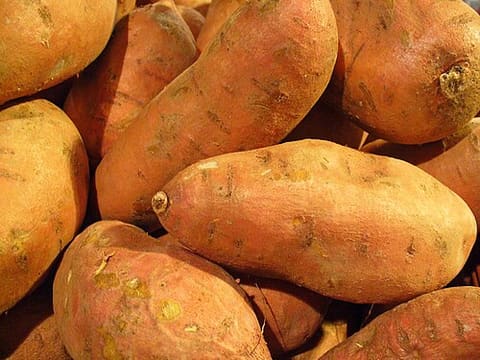
Sweet potato
Sweet, orange- or pale-fleshed root that roasts, mashes and bakes well; not a true yam despite the US nickname.
19 recipes
Root vegetables
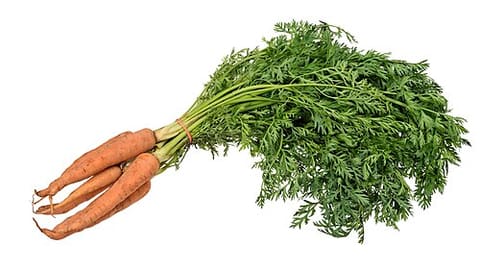
Carrot
Crunchy orange root, sweet raw or cooked, used in salads, stews, stocks, curries and cakes.
183 recipes
Root vegetables
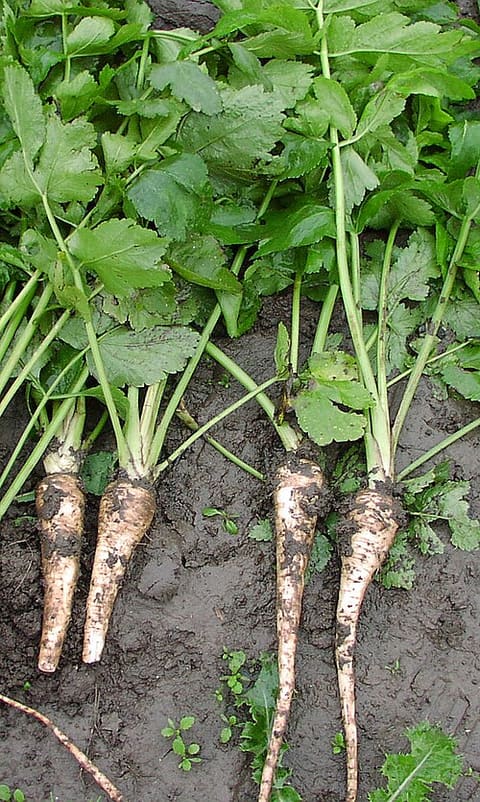
Parsnip
Cream-coloured carrot-like root with sweet, nutty, aromatic flesh; best roasted, mashed or in soups.
11 recipes
Root vegetables
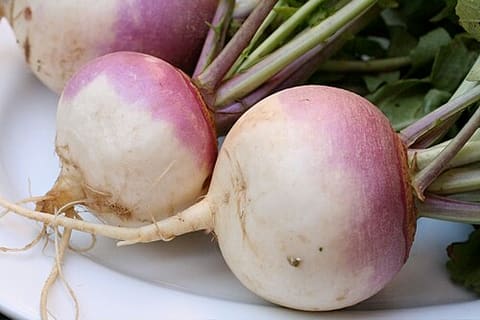
Turnip
Round white root with a purple top and peppery flesh, cooked in stews, curries and pickles.
9 recipes
Root vegetables
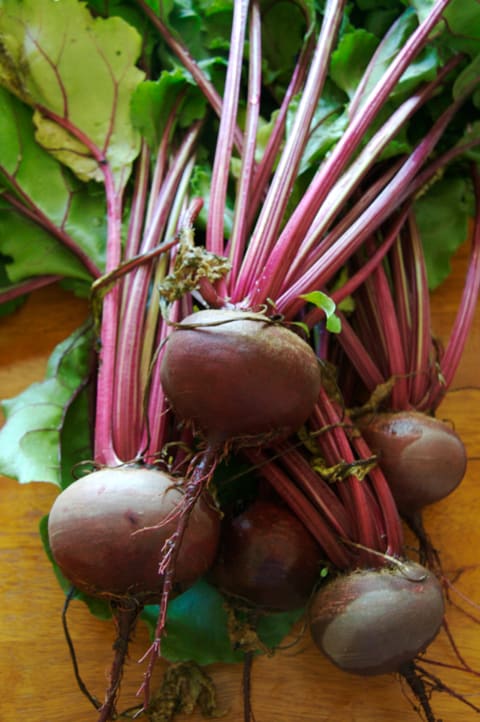
Beetroot
Earthy, sweet root with deep red flesh, roasted, boiled, pickled or grated raw into salads.
12 recipes
Root vegetables
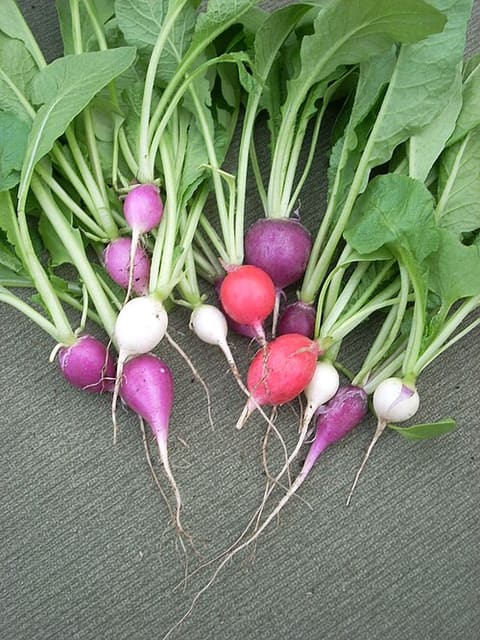
Radish
Small, crisp red or pink root with a peppery bite, mostly eaten raw in salads or as a crunchy garnish.
27 recipes
Root vegetables
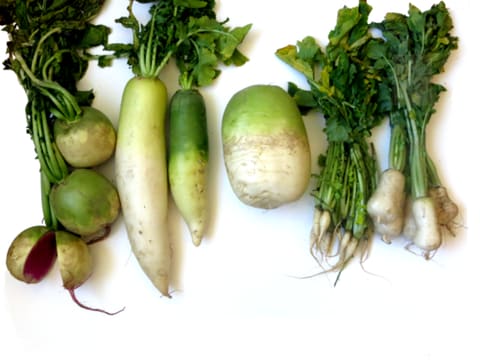
Daikon
Long white radish (mooli) with juicy, mildly peppery flesh, eaten raw, pickled, braised or stuffed into parathas.
23 recipes