
Nama yatsuhashi (Kyoto cinnamon rice dough with sweet bean paste)
Vegetarian
生八ツ橋 · nama yatsuhashi
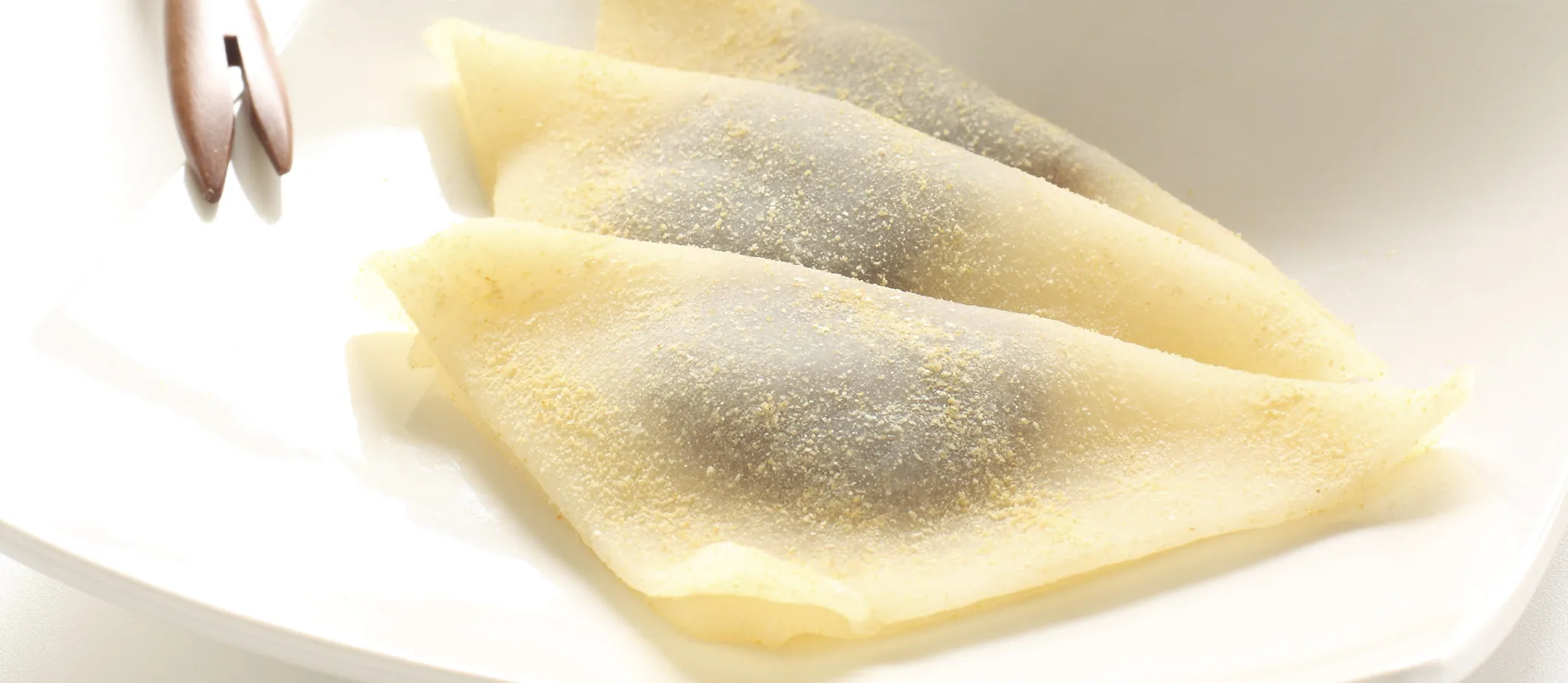
Soft, chewy sheets of steamed rice-flour dough flavoured with cinnamon, folded into triangles around a spoon of sweet red bean paste. It is Kyoto's most famous souvenir sweet; the original yatsuhashi is the same dough baked into crisp, curved koto-shaped biscuits.
Nama yatsuhashi (Kyoto cinnamon rice dough with sweet bean paste) is a Japanese dessert, ready in about 55 minutes and made with rice flour, glutinous rice flour and cinnamon. It serves 4 and is rated intermediate to cook.
- Prep
- 25 min
- Cook
- 20 min
- Rest
- 10 min
- Total
- 55 min
- Serves
- 4
- Level
- Intermediate
- Calories
- 256
Main ingredients
Ingredients
For the dough
For dusting
For the filling
Method
Dough
22 minStep 1
Mix both rice flours (opens in a new tab), the sugar (opens in a new tab) and the 1 tsp cinnamon (opens in a new tab) for the dough in a heatproof bowl. Add the water gradually, stirring, to a smooth, thick batter with no lumps.
Step 2
Set the bowl in a steamer (opens in a new tab) over boiling water, cover and steam for 15–20 minutes, stirring firmly with a wet wooden spoon (opens in a new tab) every 5 minutes, until the dough is translucent, sticky and cooked through.
In a microwave: cover loosely and cook on high in 1-minute bursts, stirring between each, for about 3–4 minutes.
Dusting
13 minStep 3
Mix the cinnamon (opens in a new tab) and rice flour (opens in a new tab) for dusting. Turn the hot dough onto a well-dusted board, dust the top and, when cool enough to touch, knead briefly with damp hands until smooth.
- 5 min

How it looks · Photo: Klaus Nielsen on Pexels Step 4
Roll the dough out as thinly as possible, about 2 mm, dusting often so it does not stick. Trim and cut into 7 cm squares.
Filling
8 minStep 5
Put a teaspoon of red bean paste in the centre of each square, fold it diagonally into a triangle and press the edges lightly; they do not need to seal. Brush off excess flour and leave to firm up for 10 minutes before serving.
- 8 min
At a glance
1 · Dough in a bowl
 Rice flour
- Glutinous rice flour
 Sugar
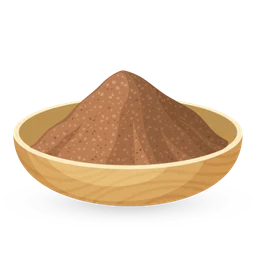 Cinnamon
then mix
2 · Dusting in a bowl
- Cinnamon
- Rice flour
then put
3 · Filling in a bowl
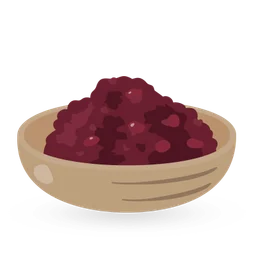 Sweet red bean paste
About this dish
- Origin
- Kyoto, Japan · Commonly attributedBaked yatsuhashi is said to date from 1689 and to be named after the koto master Yatsuhashi Kengyō, its arched shape recalling the instrument; the soft, unbaked nama yatsuhashi folded around anko became popular in the 1960s.More food from Japan
Japan - Dish
- Snack · Dessert · Desserts · Sweets & confectionery
- Cooking method
- Steamed
- Taste
- sweet, aromatic / warmly spiced, earthy
- Diet
- Vegan · No gluten ingredients · Dairy-free · No nut ingredientsWorked out from the ingredients. How labels work
All labels
Vegan · Plant-based · Vegetarian (lacto-ovo) · Eggetarian · Lacto-vegetarian · Ovo-vegetarian · Pescatarian · Flexitarian-friendly · No gluten ingredients · Dairy-free · Egg-free · No nut ingredients · Alcohol-free · Pork-free · Beef-free · Low-fat · Low-sodium · DASH-style - Good for
- Make-ahead
- Cook more with
- Rice flour · Glutinous rice flour · Cinnamon · Sweet red bean paste · Sugar
- Techniques
- Boiling · Steaming · Knife skills · Kneading
Allergens
None of the 14 major allergens appear in the listed ingredients.
Based on typical versions of these ingredients and not verified allergen-free. Brands differ and cross-contact happens, so always check labels. For severe allergies, follow your clinician’s advice.
Nutrition
256 kcal per serving
Estimated1 serving ≈ 111 g · recipe makes 4
Where the energy comes from
- Protein 5%
- Carbohydrate 93%
- Fat 2%
| Nutrient | Per serving | Per 100 g* |
|---|---|---|
| Energy | 256 kcal | 230 kcal |
| Protein | 3.4 g | 3 g |
| Carbohydrate | 59.6 g | 53.5 g |
| Net carbohydrate | — | — |
| Sugars | — | — |
| Added sugars | 24.5 g | 22 g |
| Fibre | — | — |
| Fat | 0.5 g | 0.4 g |
| Saturated fat | 0.1 g | 0.1 g |
| Trans fat | — | — |
| Cholesterol | 0 mg | 0 mg |
| Sodium | 88 mg | 79 mg |
| Salt equivalent | 0.2 g | 0.2 g |
Vitamins & minerals per serving
- Potassium
- 76 mg
- Calcium
- 28 mg
- Iron
- 0.7 mg
- Magnesium
- 24 mg
- Vitamin A (RAE)
- 0 µg
- Vitamin C
- 0 mg
- Vitamin D
- 0 µg
- Vitamin B12
- 0 µg
- Folate (DFE)
- 44 µg
How these numbers were made
- Calculated from USDA FoodData Central (SR Legacy) per-100 g values and the listed quantities.
- *Per 100 g of combined raw ingredients; the cooked dish may weigh more or less.
- Glutinous rice flour: White rice flour (FDC 169714) used as a stand-in; glutinous rice flour has a near-identical macronutrient profile.
- Sweet red bean paste: Canned sweetened adzuki beans (FDC 173729) used as a stand-in; home-made or bought anko is usually a little drier and sweeter.
- “—” means the value isn’t known for enough of the ingredients; it is never zero by default.
- Values are estimates for guidance, not for medical dosing. U.S. Department of Agriculture, Agricultural Research Service. FoodData Central, 2019. fdc.nal.usda.gov.
Good to know
Tips
- Matcha (1 tsp) in place of the cinnamon in the dough is a popular modern flavour.
Common mistakes
- Understeaming, which leaves a floury, crumbly dough that tears when folded.
Storage
- Best the day they are made; keep 1–2 days wrapped at cool room temperature. Refrigeration hardens the dough.
Variations
- Baked yatsuhashi: The original: the dough is rolled thinly, draped over a curved mould and baked until crisp, like a cinnamon biscuit.
- Matcha nama yatsuhashi: Green tea in the dough and sometimes in the bean paste.
Original editorial recipe · FriendsPantry editorial · source: TasteAtlas (dish facts) · Not yet independently reviewed · Added
Recipe DNA
How this dish is built
Built from the recipe’s own sections. Each band’s width is its share of the dish by weight. Choose a component to see what it does.
Structure
For the dough
- Rice flour50 g
- Glutinous rice flour50 g
- Sugar50 g
- Water110 ml · 110 g
- Cinnamon1 tsp · 2.6 g
Reviews & corrections
Reviews come from signed-in cooks and appear after a moderator checks them. We never show made-up ratings.
You might also like
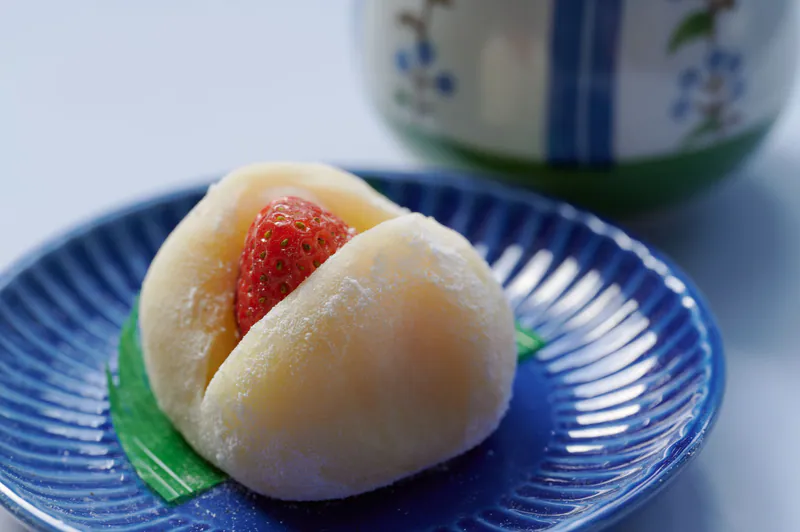
Ichigo daifuku (strawberry mochi)
 Japanese · 29 min · 171 kcal · Vegan
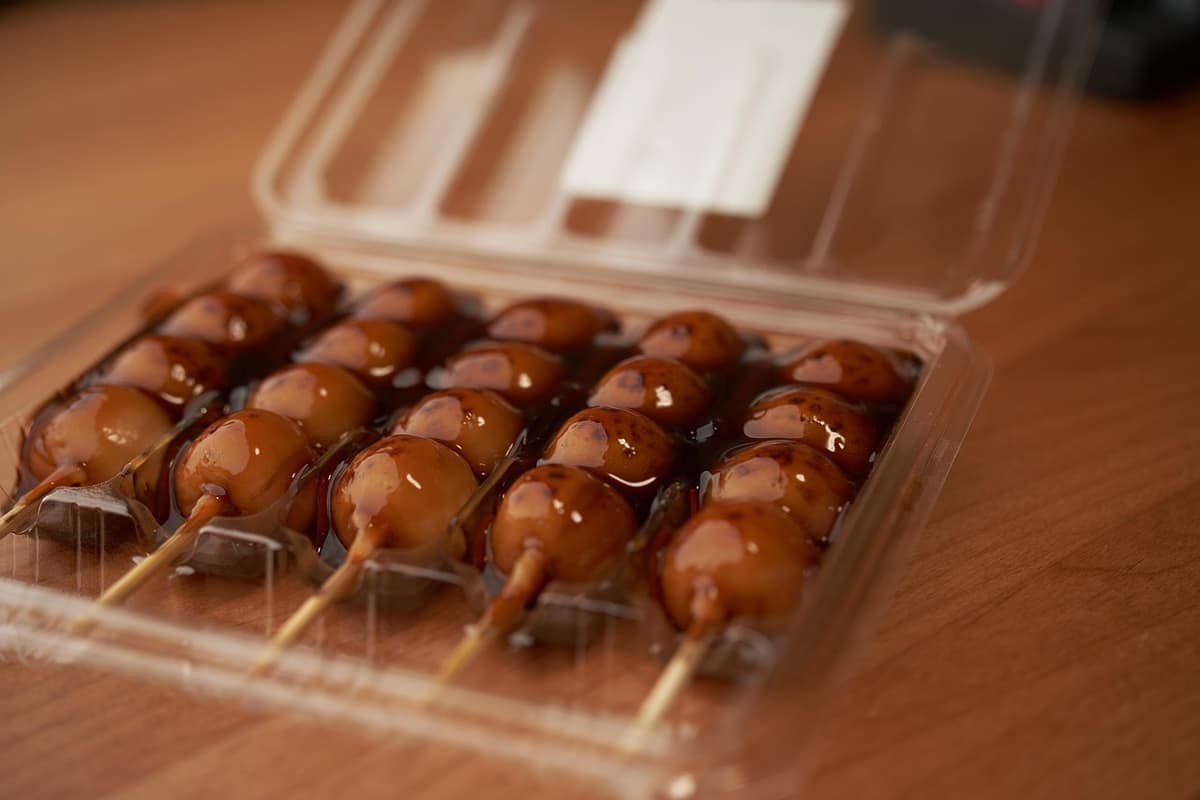
Mitarashi dango
Japanese · 30 min · 249 kcal · Vegan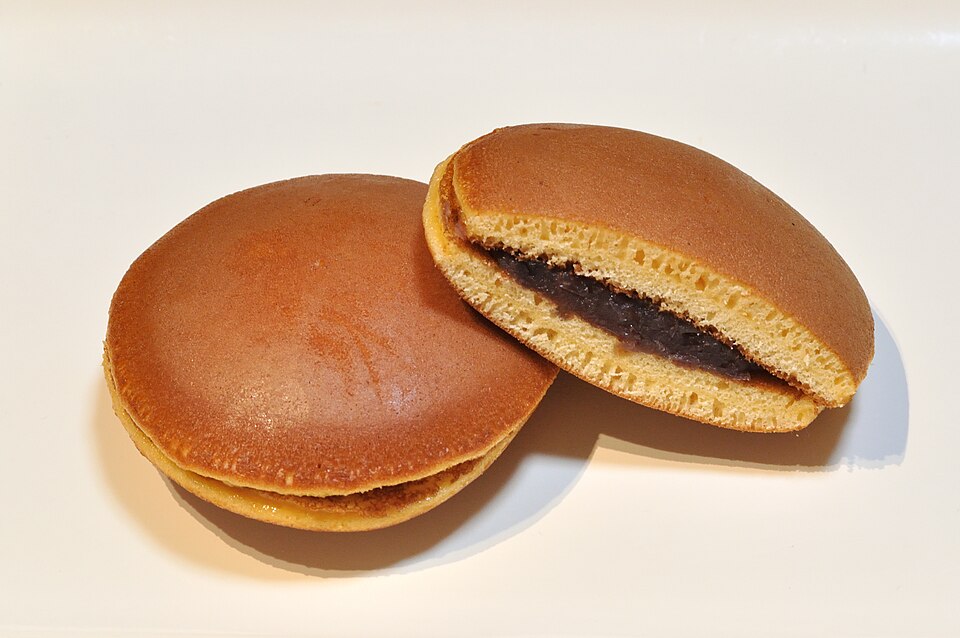
Dorayaki
Japanese · 45 min · 284 kcal · Contains egg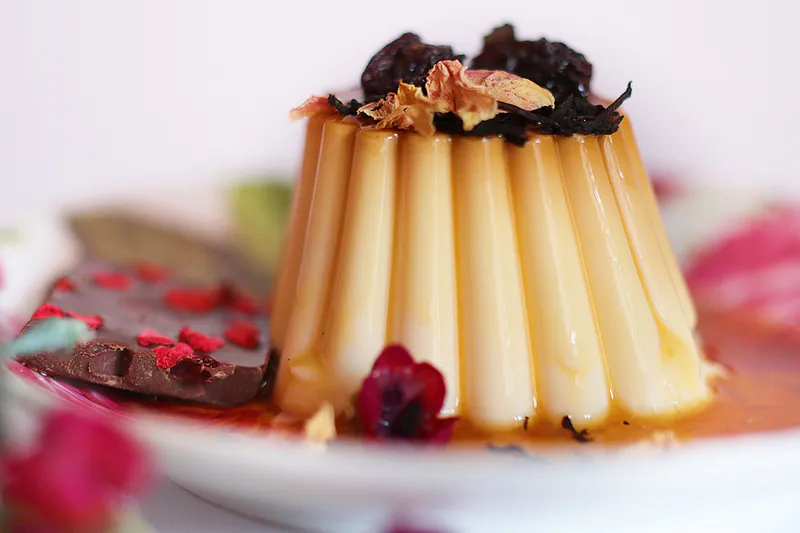
Purin
Japanese · 3 h 50 min · 199 kcal · Contains egg