
 South Indian · Indian · Sri Lankan · Rice dishes
Ven pongal (peppery rice and moong dal)
Vegetarian
வெண் பொங்கல் · veṇ poṅkal
Rice and split moong dal cooked together until soft and creamy, then finished with a ghee tempering of black pepper, cumin, ginger, curry leaves and cashews. A gentle Tamil breakfast and temple dish, eaten with coconut chutney and sambar.
Ven pongal (peppery rice and moong dal) is a South Indian rice dish, ready in about 40 minutes and made with long-grain white rice, mung beans and ghee. It serves 4 and is rated easy to cook.
No licensed photograph of this dish yet.
- Prep
- 10 min
- Cook
- 30 min
- Total
- 40 min
- Serves
- 4
- Level
- Easy
- Calories
- 424
Main ingredients
Ingredients
For the pongal
For the tempering
Method
Pongal
26 minStep 1
Dry-roast the moong dal (opens in a new tab) in the pressure cooker (opens in a new tab) or a heavy saucepan (opens in a new tab) over medium-low heat, stirring, until it smells nutty and just starts to colour, 3–4 minutes. Add the rinsed rice and stir for a minute.
- 5 min
- medium-low heat
- Pressure cooker (opens in a new tab)
Roasting the dal gives pongal its characteristic aroma; do not let it brown.
Step 2
Add the water, milk (opens in a new tab) (if using) and salt. Pressure-cook for 4–5 whistles (about 15 minutes), or simmer covered in a saucepan (opens in a new tab) for 30–35 minutes, stirring now and then and adding hot water if it gets dry, until the rice and dal are completely soft.
- 18 min
- medium heat
- Pressure cooker (opens in a new tab)
- Saucepan (opens in a new tab)
Step 3
Let the pressure release naturally, then mash the pongal lightly with a spoon into a soft, creamy mass. Loosen with a little hot water if it is stiff.
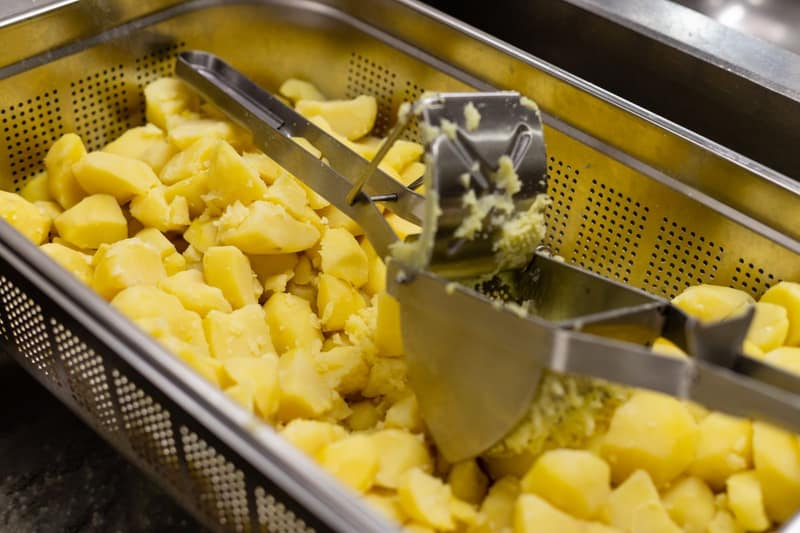
How it looks · Photo: Mateusz Feliksik on Pexels
Tempering
4 minStep 4
Heat the ghee (opens in a new tab) in a small pan. Fry the cashews (opens in a new tab) until golden, then add the peppercorns (opens in a new tab) and cumin and let them sizzle. Add the ginger, green chilli (opens in a new tab), curry leaves (opens in a new tab) and asafoetida (opens in a new tab) and fry for 30 seconds.
- 3 min
- medium heat
- Frying pan / skillet (opens in a new tab)
Step 5
Pour the tempering over the pongal and stir it through. Serve hot.
- 1 min
Food safety: Cooked rice can carry Bacillus cereus spores that survive cooking; cool leftover rice quickly and refrigerate it within an hour.
At a glance
1 · Pongal in a pan
 Long-grain white rice
 Mung beans
 Milk
 Salt
then heat
2 · Tempering in a pan
 Ghee
 Black peppercorns
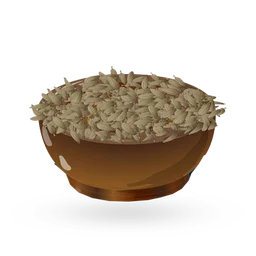 Cumin seeds
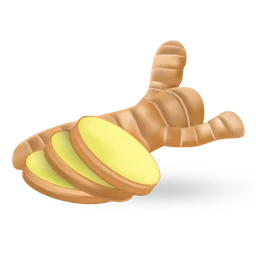 Fresh ginger
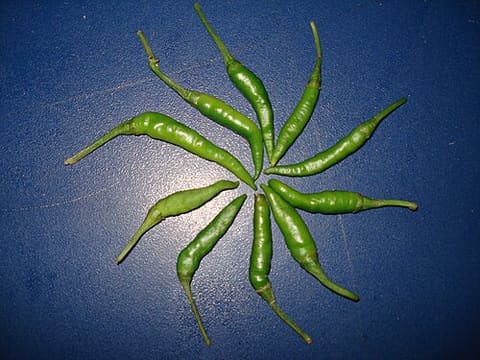 Green chilli
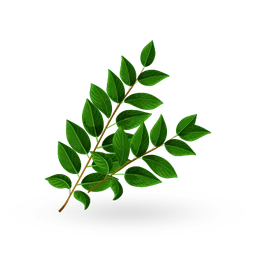 Curry leaves
 Cashews
 Asafoetida
About this dish
- Origin
- Tamil Nadu, and Tamil communities in Sri Lanka, Tamil Nadu, India · Well documentedVen ('white') pongal is the savoury partner of sweet sakkarai pongal; both are made for Thai Pongal, the Tamil harvest festival, and pongal is a classic temple offering. Called khara pongal in Karnataka.Also popular in Sri Lanka, Singapore, MalaysiaMore food from India
India - Dish
- Breakfast · Lunch · Rice dishes · Breakfast dishes · Porridge & cereals
- Cooking method
- Toasted, Boiled, Pressure-cooked
- Taste
- peppery, buttery, mild, creamy
- Diet
- Vegetarian (lacto-ovo)Worked out from the ingredients. How labels work
All labels
Vegetarian (lacto-ovo) · Eggetarian · Lacto-vegetarian · Pescatarian · Flexitarian-friendly · Egg-free · No added sugar · Alcohol-free · Pork-free · Beef-free - Good for
- Everyday · Budget-friendly · One-pot
- Cook more with
- Long-grain white rice · Mung beans · Ghee · Black peppercorns · Cumin seeds · Fresh ginger
- Techniques
- Toasting · Boiling · Simmering · Pressure cooking · Tadka (tempering)
Allergens
- Contains: Milkfrom milk, ghee
- Contains: Tree nutsfrom cashews
- May contain: Wheatfrom asafoetida
- May contain: Glutenfrom asafoetida
Based on typical versions of these ingredients and not verified allergen-free. Brands differ and cross-contact happens, so always check labels. For severe allergies, follow your clinician’s advice.
Nutrition
424 kcal per serving
Estimated1 serving ≈ 401 g · recipe makes 4
Where the energy comes from
- Protein 10%
- Carbohydrate 55%
- Fat 35%
| Nutrient | Per serving | Per 100 g* |
|---|---|---|
| Energy | 424 kcal | 106 kcal |
| Protein | 10.8 g | 2.7 g |
| Carbohydrate | 58.9 g | 14.7 g |
| Net carbohydrate | 53.5 g | 13.4 g |
| Sugars | 2.1 g | 0.5 g |
| Added sugars | 0 g | 0 g |
| Fibre | 5.3 g | 1.3 g |
| Fat | 16.4 g | 4.1 g |
| Saturated fat | 8.9 g | 2.2 g |
| Trans fat | — | — |
| Cholesterol | 34 mg | 9 mg |
| Sodium | 743 mg | 185 mg |
| Salt equivalent | 1.9 g | 0.5 g |
Vitamins & minerals per serving
- Potassium
- 447 mg
- Calcium
- 93 mg
- Iron
- 4.8 mg
- Magnesium
- 87 mg
- Vitamin A (RAE)
- 115 µg
- Vitamin C
- 1 mg
- Vitamin D
- 0 µg
- Vitamin B12
- 0 µg
- Folate (DFE)
- 352 µg
How these numbers were made
- Calculated from USDA FoodData Central (SR Legacy) per-100 g values and the listed quantities.
- *Per 100 g of combined raw ingredients; the cooked dish may weigh more or less.
- Optional ingredients are not included: milk, green chilli.
- Not counted (tiny amounts or “to taste”): curry leaves, asafoetida.
- “—” means the value isn’t known for enough of the ingredients; it is never zero by default.
- Values are estimates for guidance, not for medical dosing. U.S. Department of Agriculture, Agricultural Research Service. FoodData Central, 2019. fdc.nal.usda.gov.
Good to know
Tips
- Pongal firms up quickly as it stands; stir in a little hot water and a spoon of ghee just before serving.
- Use the full amount of ghee for the temple-style version; it is part of the flavour, not just the fat.
Common mistakes
- Under-cooking the rice — pongal should be soft and creamy, not separate grains.
Serve with
- Serve with coconut chutney, sambar and a medu vada for a classic Tamil breakfast.
- A spoon of gotsu (tamarind-aubergine relish) is the traditional Chidambaram pairing.
Food safety
- Cooked rice can carry Bacillus cereus spores that survive cooking; cool leftover rice quickly and refrigerate it within an hour.
Storage
- Keeps 1 day refrigerated.
Reheating
- Add hot water, stir well and heat until steaming hot.
Variations
- Sakkarai pongal: The sweet festival version: rice and moong cooked with jaggery, ghee, cardamom, cashews and raisins.
- Millet pongal: Foxtail or little millet replaces the rice for a lighter, nuttier version.
- Khara pongal: The Karnataka name; often a little looser and served with gojju.
Original editorial recipe · FriendsPantry editorial · source: TasteAtlas (dish facts) · Not yet independently reviewed · Added
Sauces, chutneys & dips for this dish
Recipe DNA
How this dish is built
Built from the recipe’s own sections. Each band’s width is its share of the dish by weight. Choose a component to see what it does.
Spices bloomed in hot fat
For the tempering
- Ghee4 tbsp · 54 g
- Black peppercorns, half whole, half coarsely crushed1.5 tsp · 4.4 g
- Cumin seeds1.5 tsp · 3.2 g
- Fresh ginger, finely chopped15 g
- Green chilli, slit (optional)1 piece · 6 g
- Curry leaves2 sprig · 2 g
- Cashews, halved20 g
- Asafoetida1 pinch · 0.1 g
Reviews & corrections
Reviews come from signed-in cooks and appear after a moderator checks them. We never show made-up ratings.
You might also like
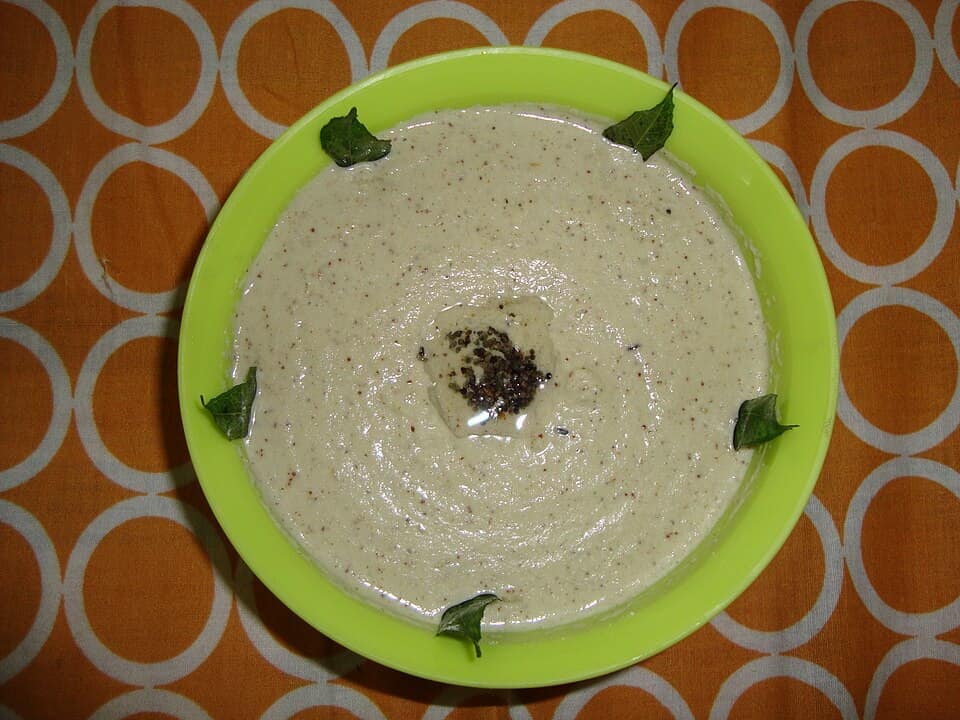
Coconut chutney
South Indian · 12 min · 135 kcal · Vegan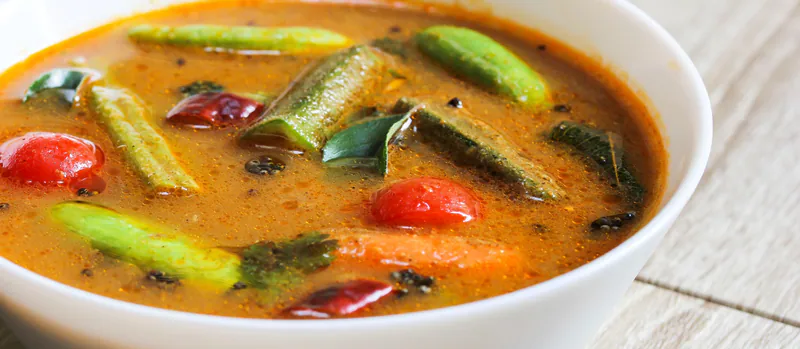
Sambar
South Indian · 1 h · 192 kcal · Vegan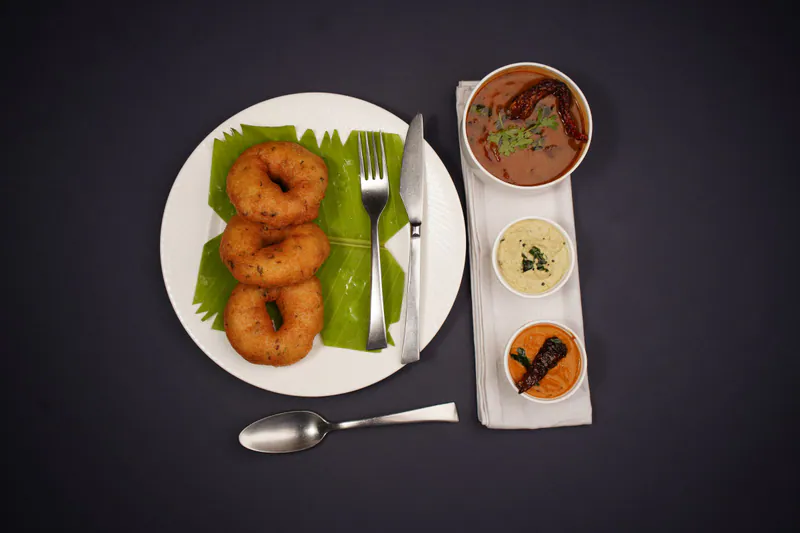
Medu vada
South Indian · 45 min · 264 kcal · Vegan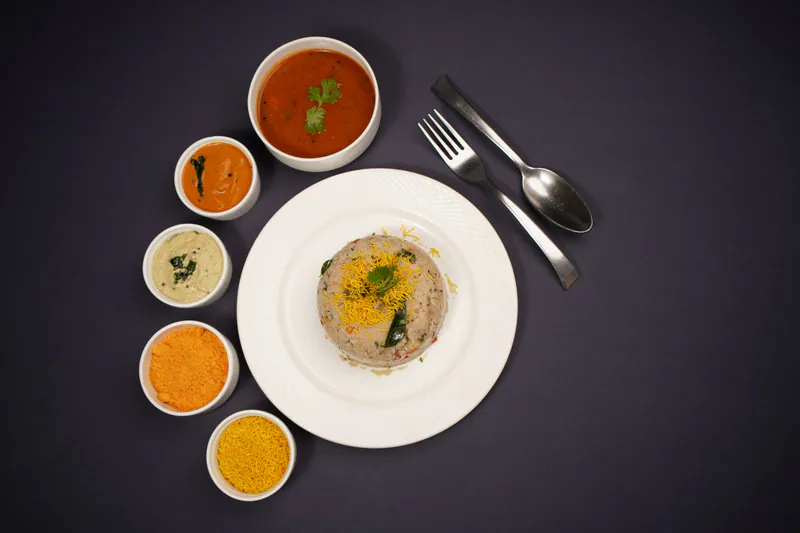
Upma
South Indian · 32 min · 323 kcal · Vegetarian