
 Somali · Ethiopian · Breads & flatbreads
Sabaayad (Somali layered flatbread)
Vegetarian
Sabaayad
A soft, flaky Somali flatbread made by brushing thin rounds of dough with oil or ghee, coiling them to build layers, then rolling them out again and cooking them on a hot pan until blistered. Eaten morning to night with tea, eggs, stews and suqaar.
Sabaayad (Somali layered flatbread) is a Somali bread from Somalia, ready in about 2 hours and made with all-purpose flour and ghee. It serves 10 and is rated intermediate to cook.
No licensed photograph of this dish yet.
- Prep
- 30 min
- Cook
- 30 min
- Rest
- 1 h
- Total
- 2 h
- Serves
- 10
- Level
- Intermediate
- Calories
- 290
Main ingredients
Ingredients
For the dough
For layering and cooking
Method
Dough
12 minStep 1
Mix the flour, sugar (opens in a new tab), salt, baking powder (opens in a new tab) and coriander. Add the warm milk (opens in a new tab), 2 tbsp oil and enough warm water to make a soft dough, then knead for 8–10 minutes until smooth and elastic. Cover and rest for 30 minutes.
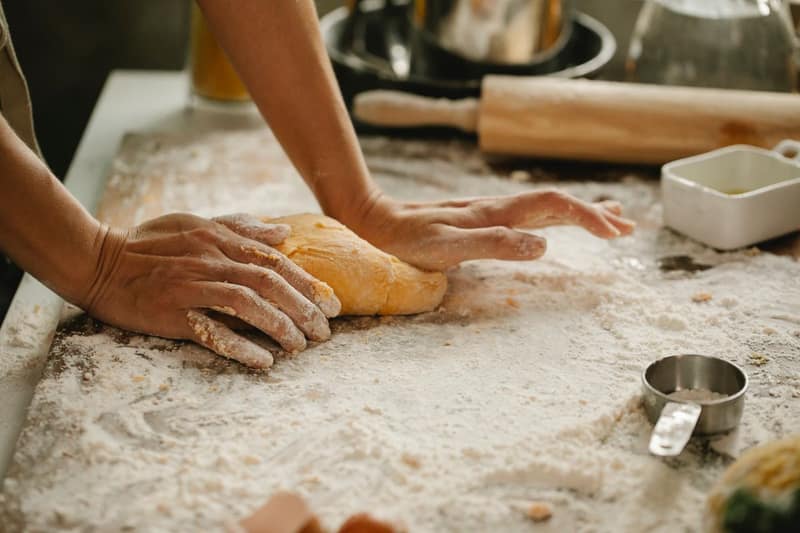
How it looks · Photo: Klaus Nielsen on Pexels
Layering and cooking
57 minStep 2
Divide into 10 balls. Roll each out very thin, about 25 cm across. Brush generously with melted ghee (opens in a new tab) and sprinkle lightly with flour.
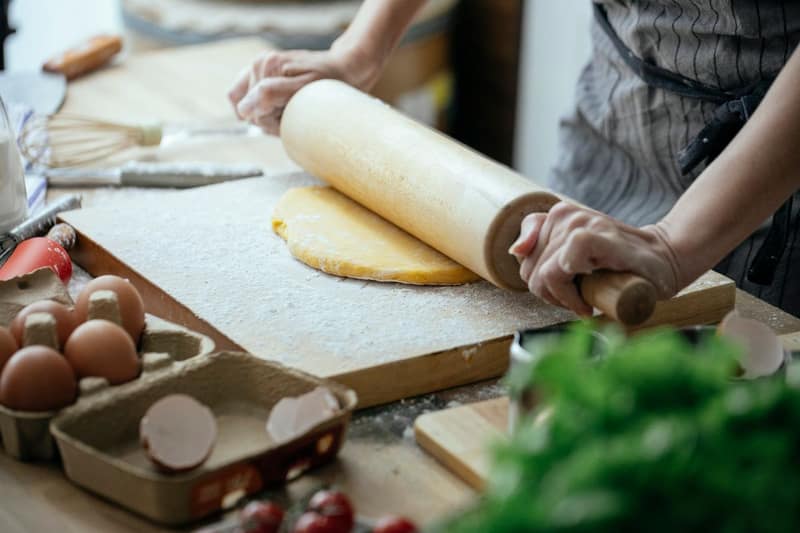
How it looks · Photo: Katerina Holmes on Pexels Step 3
Cut a slit from the centre to the edge of each round, then roll it up from the cut edge into a cone. Stand the cone on its wide end and press down to make a layered disc. Cover and rest for 30 minutes.
- 10 min
Alternatively, fold the round like a fan and coil the strip into a snail.
Step 4
Roll each disc out gently to about 20 cm, keeping the layers intact.
Step 5
Cook one at a time in a dry pan over medium heat for 1 minute, flip, brush with ghee (opens in a new tab) and cook until golden-spotted underneath; flip again, brush and cook until both sides are blistered and the bread is cooked through, 3–4 minutes in all.
Step 6
Stack the breads in a cloth as they are cooked, then scrunch the stack between your hands to separate the layers.
- 1 min
At a glance
1 · Dough in a bowl
 All-purpose flour
 Sugar
 Salt
 Baking powder
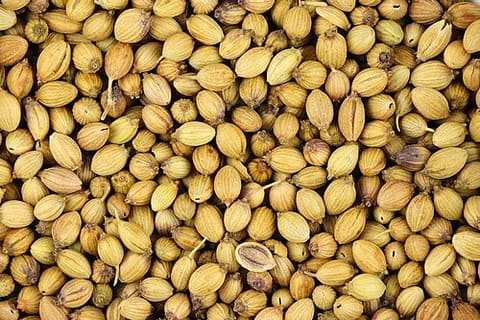 Ground coriander
 Milk
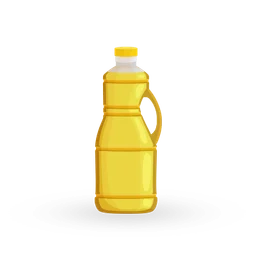 Neutral vegetable oil
then divide
2 · Layering and cooking in a pan
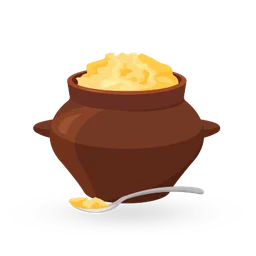 Ghee
About this dish
- Origin
- Somalia, Somaliland, Djibouti and the Somali Region of eastern Ethiopia, Somalia · Commonly attributedShares its roots with the laminated parathas of the Indian Ocean trade; in Kenya and Tanzania similar breads are called chapati. Shapes vary — round, square or triangular — depending on how the dough is folded.Also popular in Ethiopia, Djibouti, KenyaMore food from Somalia
Somalia - Dish
- Breakfast · Lunch · Dinner · Breads & flatbreads
- Cooking method
- Pan-fried
- Taste
- buttery, mild
- Diet
- Vegetarian (lacto-ovo) · No nut ingredientsWorked out from the ingredients. How labels work
All labels
Vegetarian (lacto-ovo) · Eggetarian · Lacto-vegetarian · Pescatarian · Flexitarian-friendly · Egg-free · No nut ingredients · Alcohol-free · Pork-free · Beef-free - Good for
- Everyday · Freezer-friendly
- Cook more with
- All-purpose flour · Ghee · Sugar · Milk
- Techniques
- Pan-frying · Kneading
Allergens
- Contains: Milkfrom milk, ghee
- Contains: Wheatfrom all-purpose flour, baking powder
- Contains: Glutenfrom all-purpose flour, baking powder
Based on typical versions of these ingredients and not verified allergen-free. Brands differ and cross-contact happens, so always check labels. For severe allergies, follow your clinician’s advice.
Nutrition
290 kcal per serving
Calculated1 serving ≈ 93 g · recipe makes 10
Where the energy comes from
- Protein 8%
- Carbohydrate 56%
- Fat 36%
| Nutrient | Per serving | Per 100 g* |
|---|---|---|
| Energy | 290 kcal | 312 kcal |
| Protein | 5.7 g | 6.1 g |
| Carbohydrate | 40.2 g | 43.2 g |
| Net carbohydrate | 38.8 g | 41.7 g |
| Sugars | 2.2 g | 2.3 g |
| Added sugars | 1.3 g | 1.4 g |
| Fibre | 1.4 g | 1.5 g |
| Fat | 11.7 g | 12.5 g |
| Saturated fat | 5.5 g | 5.9 g |
| Trans fat | — | — |
| Cholesterol | 22 mg | 24 mg |
| Sodium | 241 mg | 259 mg |
| Salt equivalent | 0.6 g | 0.6 g |
Vitamins & minerals per serving
- Potassium
- 74 mg
- Calcium
- 27 mg
- Iron
- 2.3 mg
- Magnesium
- 13 mg
- Vitamin A (RAE)
- 74 µg
- Vitamin C
- 0 mg
- Vitamin D
- 0.2 µg
- Vitamin B12
- 0.1 µg
- Folate (DFE)
- 146 µg
How these numbers were made
- Calculated from USDA FoodData Central (SR Legacy) per-100 g values and the listed quantities.
- *Per 100 g of combined raw ingredients; the cooked dish may weigh more or less.
- Optional ingredients are not included: baking powder, ground coriander.
- “—” means the value isn’t known for enough of the ingredients; it is never zero by default.
- Values are estimates for guidance, not for medical dosing. U.S. Department of Agriculture, Agricultural Research Service. FoodData Central, 2019. fdc.nal.usda.gov.
Good to know
Tips
- Resting the coiled dough is essential: it relaxes the gluten so the bread rolls thin without the layers tearing.
Common mistakes
- Cooking on too high a heat, which browns the outside before the inner layers cook.
Serve with
- Breakfast with shaah (spiced tea), honey or eggs; lunch and dinner with suqaar, beef or goat stew, beans or lentils.
Storage
- Keeps 2 days wrapped at room temperature; freezes well for 2 months with paper between each.
Reheating
- Warm in a dry pan for 30 seconds each side.
Variations
- Sabaayad macaan: A sweeter version made with more sugar and cardamom, eaten with tea.
- Kenyan chapati (Kenya): The East African relative, made the same way with oil and usually without milk.
Original editorial recipe · FriendsPantry editorial · source: TasteAtlas (dish facts) · Not yet independently reviewed · Added
Recipe DNA
How this dish is built
Built from the recipe’s own sections. Each band’s width is its share of the dish by weight. Choose a component to see what it does.
Structure
For the dough
- All-purpose flour, plain flour, plus extra for rolling500 g
- Sugar1 tbsp · 13 g
- Salt1 tsp · 6 g
- Baking powder (optional)0.5 tsp · 2.2 g
- Ground coriander, ground (optional)0.5 tsp · 0.9 g
- Milk, warm150 ml · 155 g
- Water, warm; add gradually150 ml · 150 g
- Neutral vegetable oil2 tbsp · 27 g
Reviews & corrections
Reviews come from signed-in cooks and appear after a moderator checks them. We never show made-up ratings.
You might also like
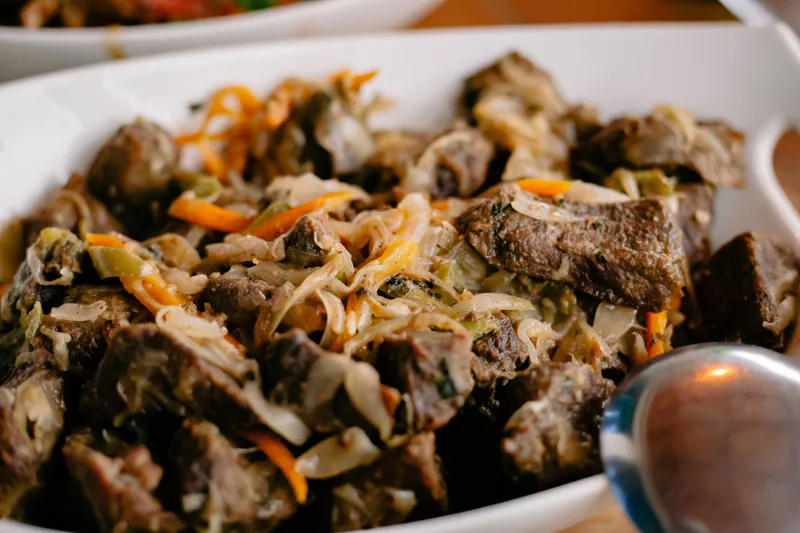
Suqaar
Somali · 35 min · 324 kcalCanjeero
Somali · 3 h 40 min · 253 kcal · VegetarianSomali shaah
Somali · 10 min · 89 kcal · Vegetarian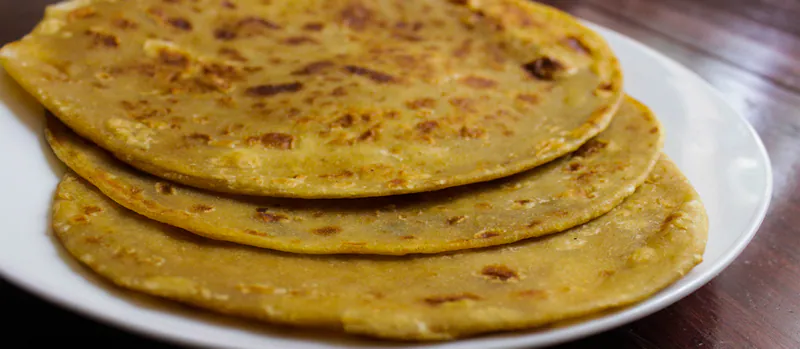
Kenyan chapati
 Kenyan · 1 h 30 min · 271 kcal · Vegan