
 Albanian · Balkan · Fried dough & doughnuts
Petulla (Albanian fried dough)
Contains egg (no meat or fish)
Petulla
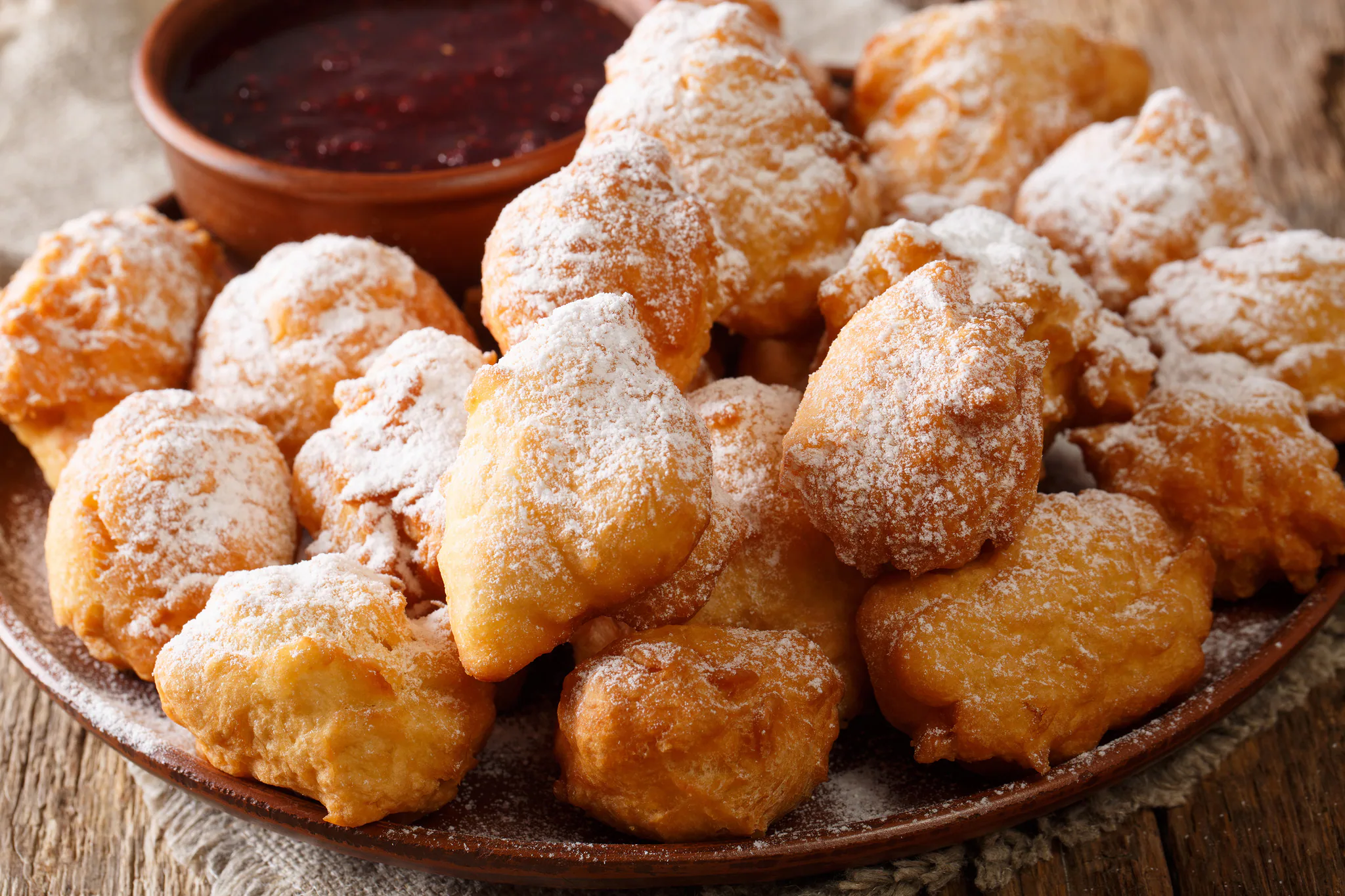
Puffy, irregular fritters of a soft yeasted batter-dough enriched with milk and egg, spooned into hot oil and fried until golden. Albanians eat them for breakfast or with coffee, either dusted with sugar, spread with jam or honey, or with salty white cheese.
Petulla (Albanian fried dough) is an Albanian dish, ready in about 1 hour 45 minutes and made with all-purpose flour, instant yeast and milk. It serves 6 and is rated easy to cook.
- Prep
- 15 min
- Cook
- 30 min
- Rest
- 1 h
- Total
- 1 h 45 min
- Serves
- 6
- Level
- Easy
- Calories
- 499
Main ingredients
Ingredients
For the dough
For frying
To serve
Method
Dough
33 minStep 1
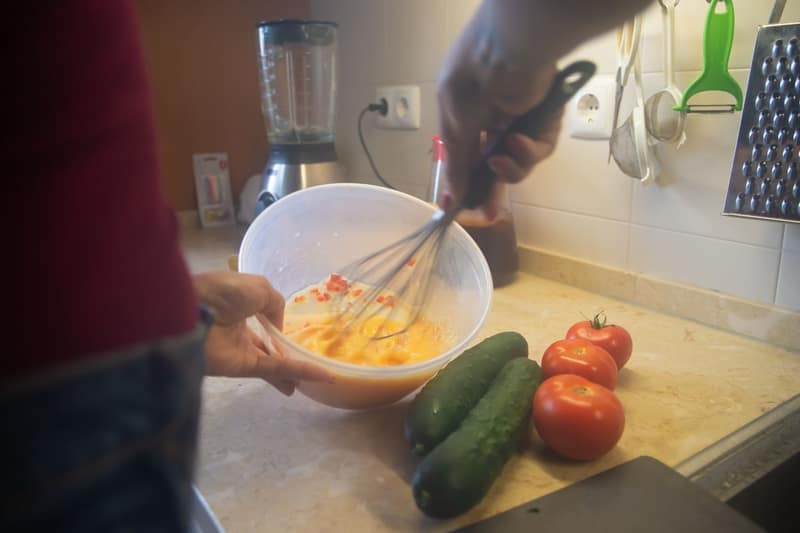
Mix the flour, yeast, sugar (opens in a new tab) and salt in a large bowl. Whisk the lukewarm milk (opens in a new tab) with the water, eggs (opens in a new tab) and 2 tbsp oil, pour into the flour and beat with a wooden spoon (opens in a new tab) or your hand for 5 minutes into a very soft, sticky, stretchy dough, somewhere between a thick batter and a bread dough.
Beating well develops the gluten, which gives the airy, chewy inside.
How it looks · Photo: Kampus Production on Pexels Step 2
Cover the bowl and leave in a warm place until doubled and full of bubbles, about 1 hour.
Step 3
Heat the frying oil in a deep pan to 175 °C. Keep a bowl of oil or water next to you. Dip a tablespoon (or your fingers) in it, scoop out a walnut-sized piece of dough, stretching it a little, and drop it into the oil. Fry 6–8 at a time, turning, for 3–4 minutes until puffed and golden on all sides.
- 25 min
- 175°C
- medium heat
- Dutch oven / casserole pot (opens in a new tab)
- Food thermometer (opens in a new tab)
Food safety: Never leave hot oil unattended; keep the pan's handle turned inwards and lower food in gently, away from you.
Wet or oiled hands stop the sticky dough clinging; do not knock the air out of the dough.
To serve
2 minStep 4
Lift out with a slotted spoon (opens in a new tab) and drain on paper towels. Serve warm, dusted with powdered sugar (opens in a new tab) or with honey (opens in a new tab), jam (opens in a new tab) or crumbled white cheese (opens in a new tab) on the side.

How it looks · Photo: Willians Huerta on Pexels
At a glance
1 · Dough in a bowl
 All-purpose flour
 Instant yeast
 Sugar
 Salt
 Milk
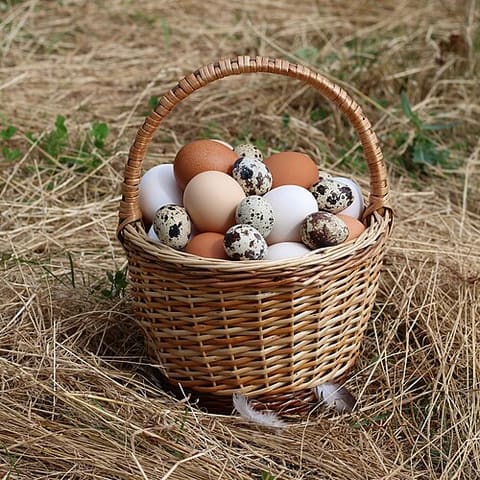 Egg
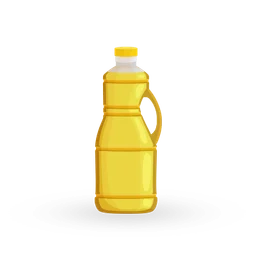 Neutral vegetable oil
then lift
2 · To serve in a bowl
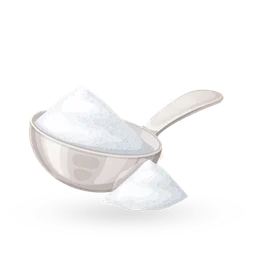 Icing sugar
 Honey
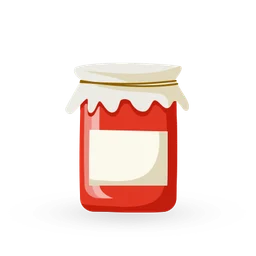 Jam
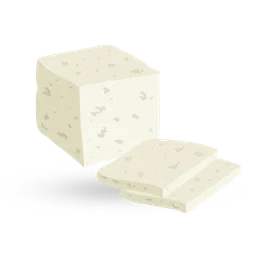 Feta
About this dish
- Origin
- Albania · Well documentedMade all over Albania and in Albanian communities in Kosovo and North Macedonia; closely related to Balkan fritule and Greek-style fried dough.Also popular in Kosovo, North MacedoniaMore food from Albania
Albania - Dish
- Breakfast · Snack · Fried dough & doughnuts · Breakfast dishes
- Cooking method
- Deep-fried
- Taste
- mild, sweet, buttery
- Diet
- Vegetarian (lacto-ovo) · No nut ingredientsWorked out from the ingredients. How labels work
All labels
Vegetarian (lacto-ovo) · Eggetarian · Pescatarian · Flexitarian-friendly · No nut ingredients · Alcohol-free · Pork-free · Beef-free · DASH-style - Good for
- Everyday · Budget-friendly · Child-friendly
- Cook more with
- All-purpose flour · Instant yeast · Milk · Sugar · Egg
- Techniques
- Deep-frying · Fermentation
Allergens
- Contains: Milkfrom milk, feta
- Contains: Eggsfrom egg
- Contains: Wheatfrom all-purpose flour
- Contains: Glutenfrom all-purpose flour
Based on typical versions of these ingredients and not verified allergen-free. Brands differ and cross-contact happens, so always check labels. For severe allergies, follow your clinician’s advice.
Nutrition
499 kcal per serving
Calculated1 serving ≈ 187 g · recipe makes 6
Where the energy comes from
- Protein 10%
- Carbohydrate 56%
- Fat 34%
| Nutrient | Per serving | Per 100 g* |
|---|---|---|
| Energy | 499 kcal | 267 kcal |
| Protein | 12.8 g | 6.8 g |
| Carbohydrate | 68.8 g | 36.8 g |
| Net carbohydrate | 66.2 g | 35.4 g |
| Sugars | 5 g | 2.7 g |
| Added sugars | 2.1 g | 1.1 g |
| Fibre | 2.6 g | 1.4 g |
| Fat | 18.7 g | 10 g |
| Saturated fat | 2.7 g | 1.4 g |
| Trans fat | — | — |
| Cholesterol | 67 mg | 36 mg |
| Sodium | 437 mg | 234 mg |
| Salt equivalent | 1.1 g | 0.6 g |
Vitamins & minerals per serving
- Potassium
- 191 mg
- Calcium
- 82 mg
- Iron
- 4.2 mg
- Magnesium
- 26 mg
- Vitamin A (RAE)
- 50 µg
- Vitamin C
- 0 mg
- Vitamin D
- 1 µg
- Vitamin B12
- 0.4 µg
- Folate (DFE)
- 280 µg
How these numbers were made
- Calculated from USDA FoodData Central (SR Legacy) per-100 g values and the listed quantities.
- *Per 100 g of combined raw ingredients; the cooked dish may weigh more or less.
- Optional ingredients are not included: icing sugar, honey, jam, feta.
- “—” means the value isn’t known for enough of the ingredients; it is never zero by default.
- Values are estimates for guidance, not for medical dosing. U.S. Department of Agriculture, Agricultural Research Service. FoodData Central, 2019. fdc.nal.usda.gov.
Good to know
Tips
- Petulla are irregular by nature; uneven shapes give more crisp edges.
- If the oil is too hot the outside browns before the inside cooks; test one first and break it open.
Common mistakes
- Adding too much flour to make the dough easier to handle, which gives heavy, bready petulla.
Serve with
- Serve with Turkish-style coffee or tea for breakfast.
- Pair with feta and a glass of yoghurt or dhallë (salted yoghurt drink) for a savoury version.
Food safety
- Never leave hot oil unattended; keep the pan's handle turned inwards and lower food in gently, away from you.
Storage
- Best eaten within a few hours. Keep leftovers covered at room temperature for 1 day.
Reheating
- Warm in a 180 °C oven for 5 minutes to refresh the crust.
Variations
- Petulla me djathë: Served with salty white cheese, or with crumbled cheese worked into the dough before frying.
- Petulla with yoghurt dough: Some families replace part of the milk with yoghurt and add a pinch of baking soda for a softer, slightly tangy crumb.
Original editorial recipe · FriendsPantry editorial · source: TasteAtlas (dish facts) · Not yet independently reviewed · Added
Recipe DNA
How this dish is built
Built from the recipe’s own sections. Each band’s width is its share of the dish by weight. Choose a component to see what it does.
Structure
For the dough
- All-purpose flour, plain white flour500 g
- Instant yeast7 g
- Sugar1 tbsp · 13 g
- Salt1 tsp · 6 g
- Milk, lukewarm300 ml · 309 g
- Water, lukewarm100 ml · 100 g
- Egg, beaten2 piece · 100 g
- Neutral vegetable oil2 tbsp · 27 g
Reviews & corrections
Reviews come from signed-in cooks and appear after a moderator checks them. We never show made-up ratings.
You might also like
Lángos
 Hungarian · 1 h 40 min · 601 kcal · Vegetarian
Loukoumades
 Greek · 1 h 40 min · 376 kcal · Vegetarian
Petulla të fshira (Korçë wiped pancake bake)
Albanian · 2 h 5 min · 605 kcal · Contains egg
Qumështor (Albanian baked milk custard)
Albanian · 3 h 35 min · 265 kcal · Contains egg