
 Cuban · Caribbean · Sandwiches
Pan con timba (Cuban guava and cheese sandwich)
Vegetarian
Pan con timba
Soft Cuban bread split, buttered and filled with slices of sweet guava paste and cheese, then pressed on a hot griddle until crisp and melting. A cheap, much-loved Cuban school snack and breakfast — 'timba' being slang for the guava-and-cheese pairing.
Pan con timba (Cuban guava and cheese sandwich) is a Cuban sandwich, ready in about 11 minutes and made with white bread, guava paste (bocadillo) and swiss cheese. It serves 4 and is rated beginner to cook.
No licensed photograph of this dish yet.
- Prep
- 5 min
- Cook
- 6 min
- Total
- 11 min
- Serves
- 4
- Level
- Beginner
- Calories
- 606
Main ingredients
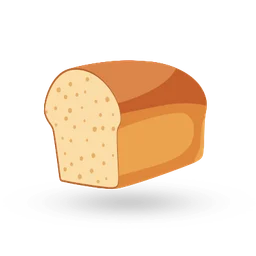
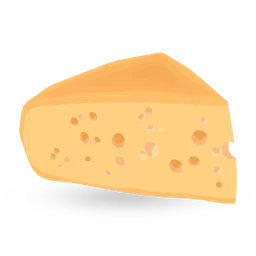
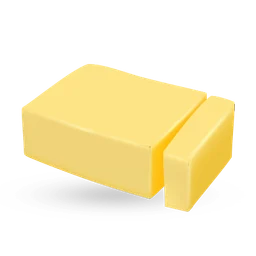
Method
Step 1
Split the bread lengthways and spread the cut sides thinly with butter (opens in a new tab). Lay the guava slices on one half and the cheese on the other, then close the sandwich and press it down.
Step 2
Brush the outside with a little more butter (opens in a new tab) and cook on a griddle or grill pan (opens in a new tab) over medium heat, pressed under a heavy pan, for 2–3 minutes per side until crisp and the cheese melts.
- 6 min
- medium heat
- Grill pan (opens in a new tab)
- Spatula (opens in a new tab)
Skip the pressing for the simplest version — many Cubans eat it cold from the lunchbox.
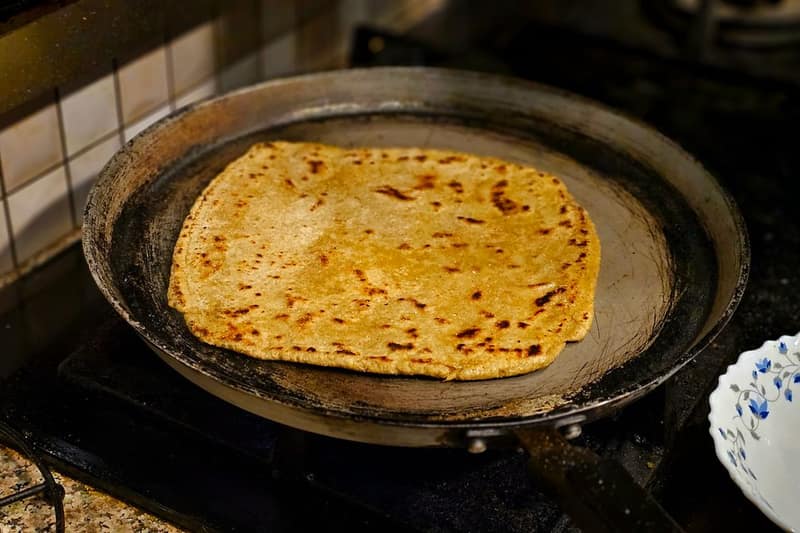
How it looks · Photo: Muhammad Khawar Nazir on Pexels Step 3
Cut each loaf in half diagonally and serve warm.
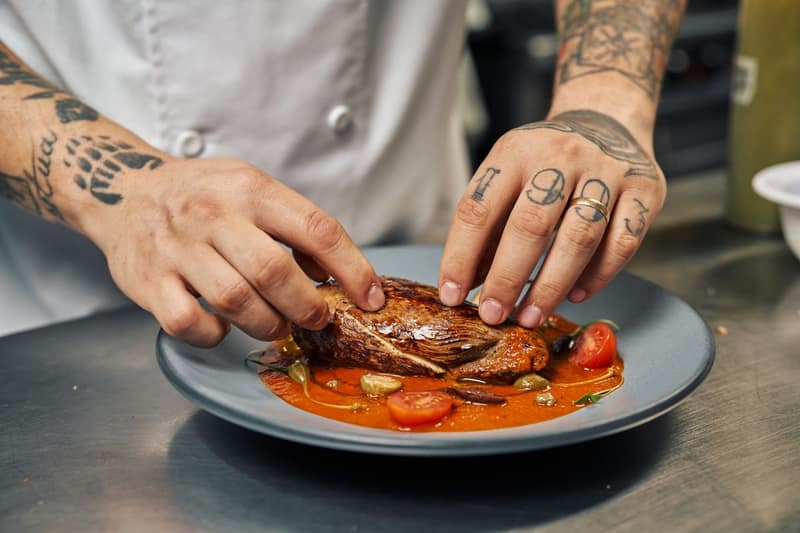
How it looks · Photo: Willians Huerta on Pexels
About this dish
- Origin
- Cuba · Commonly attributedA staple of Cuban cafeterias and lunchboxes, carried to Miami by Cuban exiles; on the island it is often made with queso blanco, in Miami with Swiss or cream cheese.Also popular in United StatesMore food from Cuba
Cuba - Dish
- Breakfast · Snack · Sandwiches · Breakfast dishes
- Cooking method
- Toasted, Pan-fried
- Taste
- sweet & savoury, fruity, buttery
- Diet
- Vegetarian (lacto-ovo) · No nut ingredientsWorked out from the ingredients. How labels work
All labels
Vegetarian (lacto-ovo) · Eggetarian · Lacto-vegetarian · Pescatarian · Flexitarian-friendly · Egg-free · No nut ingredients · Alcohol-free · Pork-free · Beef-free - Good for
- Child-friendly · Budget-friendly · Portable / lunchbox · Everyday
- Cook more with
- White bread · Guava paste (bocadillo) · Swiss cheese · Butter
- Techniques
- Grilling · Toasting · Pan-frying · Spice roasting (dry-roasting)
Allergens
- Contains: Milkfrom white bread, butter, swiss cheese
- May contain: Eggsfrom white bread
- Contains: Wheatfrom white bread
- Contains: Glutenfrom white bread
- May contain: Soyfrom white bread
- May contain: Sesamefrom white bread
Based on typical versions of these ingredients and not verified allergen-free. Brands differ and cross-contact happens, so always check labels. For severe allergies, follow your clinician’s advice.
Nutrition
606 kcal per serving
Estimated1 serving ≈ 195 g · recipe makes 4
Where the energy comes from
- Protein 13%
- Carbohydrate 56%
- Fat 31%
| Nutrient | Per serving | Per 100 g* |
|---|---|---|
| Energy | 606 kcal | 311 kcal |
| Protein | 19.2 g | 9.9 g |
| Carbohydrate | 84.4 g | 43.3 g |
| Net carbohydrate | 81.1 g | 41.6 g |
| Sugars | 29.9 g | 15.3 g |
| Added sugars | 25 g | 12.8 g |
| Fibre | 3.3 g | 1.7 g |
| Fat | 21.1 g | 10.8 g |
| Saturated fat | 11.4 g | 5.8 g |
| Trans fat | — | — |
| Cholesterol | 51 mg | 26 mg |
| Sodium | 624 mg | 320 mg |
| Salt equivalent | 1.6 g | 0.8 g |
Vitamins & minerals per serving
- Potassium
- 193 mg
- Calcium
- 490 mg
- Iron
- 3.9 mg
- Magnesium
- 38 mg
- Vitamin A (RAE)
- 159 µg
- Vitamin C
- 4 mg
- Vitamin D
- 0 µg
- Vitamin B12
- 1.2 µg
- Folate (DFE)
- 180 µg
How these numbers were made
- Calculated from USDA FoodData Central (SR Legacy) per-100 g values and the listed quantities.
- *Per 100 g of combined raw ingredients; the cooked dish may weigh more or less.
- Guava paste (bocadillo): Jams and preserves (FDC 169641) used as a stand-in; guava paste is guava pulp cooked down with sugar until firm enough to slice.
- “—” means the value isn’t known for enough of the ingredients; it is never zero by default.
- Values are estimates for guidance, not for medical dosing. U.S. Department of Agriculture, Agricultural Research Service. FoodData Central, 2019. fdc.nal.usda.gov.
Good to know
Tips
- Guava paste that is too firm can be softened for 10 seconds in the microwave and spread instead of sliced.
Common mistakes
- Using too much guava — it overwhelms the cheese and runs out when pressed.
Serve with
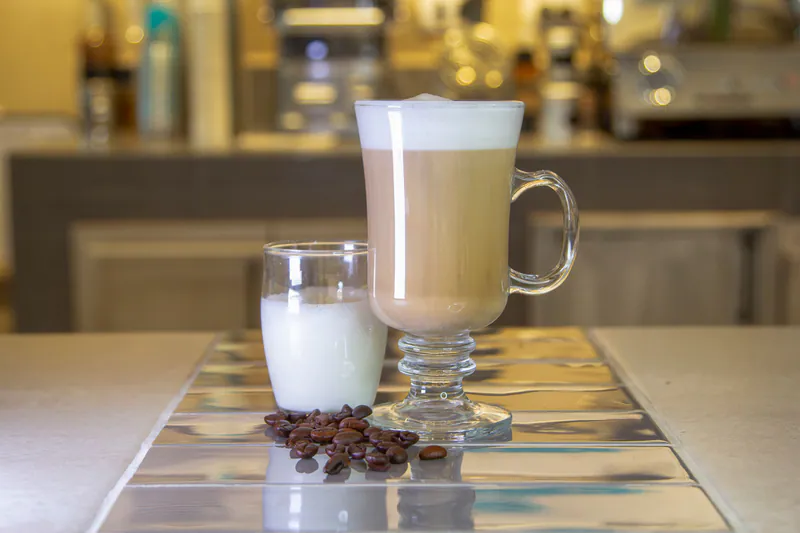
- Serve with a café con leche or cafecito for breakfast, or as an afternoon merienda.
Storage
- Best eaten fresh; an unpressed sandwich keeps a few hours wrapped.
Variations
- Pastelito de guayaba y queso: The same pairing baked inside puff pastry.
- Romeo y Julieta (Brazil): The Latin American dessert of guava paste with slices of fresh cheese, eaten without bread.
Original editorial recipe · FriendsPantry editorial · source: TasteAtlas (dish facts) · Not yet independently reviewed · Added
Recipe DNA
How this dish is built
Grouped by each ingredient’s role in the dish. Each band’s width is its share of the dish by weight. Choose a component to see what it does.
What the dish is built around
Main ingredient
- White bread, 2 Cuban bread loaves or 4 soft rolls about 20 cm long, halved lengthways400 g
- Butter, softened30 g
- Swiss cheese, thinly sliced150 g
Reviews & corrections
Reviews come from signed-in cooks and appear after a moderator checks them. We never show made-up ratings.
You might also like
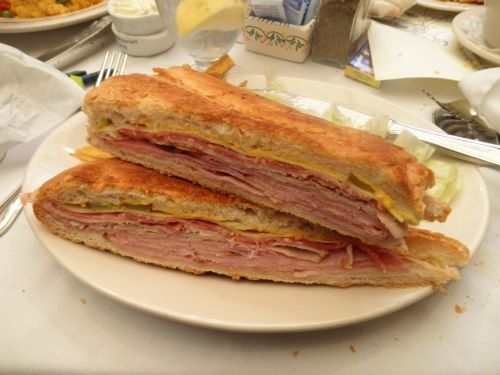
Cuban sandwich
Cuban · 1 h 55 min · 770 kcal
Medianoche (Cuban midnight sandwich)
Cuban · 3 h · 655 kcal
Cafecito cubano
Cuban · 8 min · 41 kcal · Vegan
Pastelitos criollos (Argentine quince pastries)
 Argentine · 2 h 15 min · 397 kcal