
Eggs & dairy · Fresh cheeses
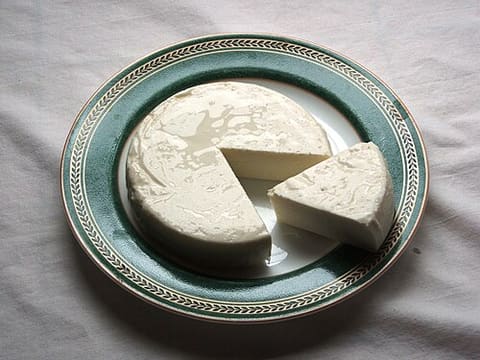
Queso fresco
Mild, moist, crumbly Mexican fresh cheese that softens but does not melt; crumbled over tacos and beans.
Also called: fresh cheese, queso blanco
A kind of cheese
Photo: Geoff, via Wikimedia Commons (CC-BY-SA-3.0)
What it is
Queso fresco ('fresh cheese') is a young white cheese of cow's or mixed milk, lightly salted and pressed but not aged. It is milder and less salty than feta or cotija and softens without melting. Queso blanco is a similar acid-set cheese.
How it’s used
- Crumbled over tacos, enchiladas and tostadas
- Topping beans, salads and soups
- Fillings for chiles rellenos and pupusas
- Served with fruit or on arepas
Characteristics
- Taste
- Fresh, mildly salty and milky, with a light tang.
- Texture
- Soft, moist and crumbly.
- When cooked
- Warms and softens but holds its crumbles; it can be fried briefly in slices.
- Sold as
- fresh
- Cooking uses
- Usually eaten raw, Used as a garnish
- Common in
- Mexican, Central American, Colombian, Salvadoran, Guatemalan, Tex-Mex
Storage
Refrigerated. Highly perishable: keep sealed in the fridge and use within a few days of opening.
Diet, allergens and safety
Contains Milk.
- Vegetarian
- Vegan
- Dairy-free
- Egg-free
- Gluten-free
- Nut-free
- Soy-free
- Caffeine-free
- Contains milk (allergen).
- Soft fresh cheeses made from unpasteurised milk have been linked to Listeria; buy pasteurised, especially for pregnant people, young children, older adults and the immunocompromised.
Nutrition per 100 g
- Energy
- 299 kcal
- Protein
- 18.09 g
- Carbohydrate
- 2.98 g
- Fat
- 23.82 g
- Fibre
- 0 g
- Sugars
- 2.32 g
USDA FoodData Central: Cheese, fresh, queso fresco.
Substitutes
Optional — what works if you don’t have it, and how it changes the dish.
Related ingredients
Recipes with queso fresco
See all 28Ají verde (Peruvian green sauce)
 Peruvian · 10 min · 108 kcal · Contains egg
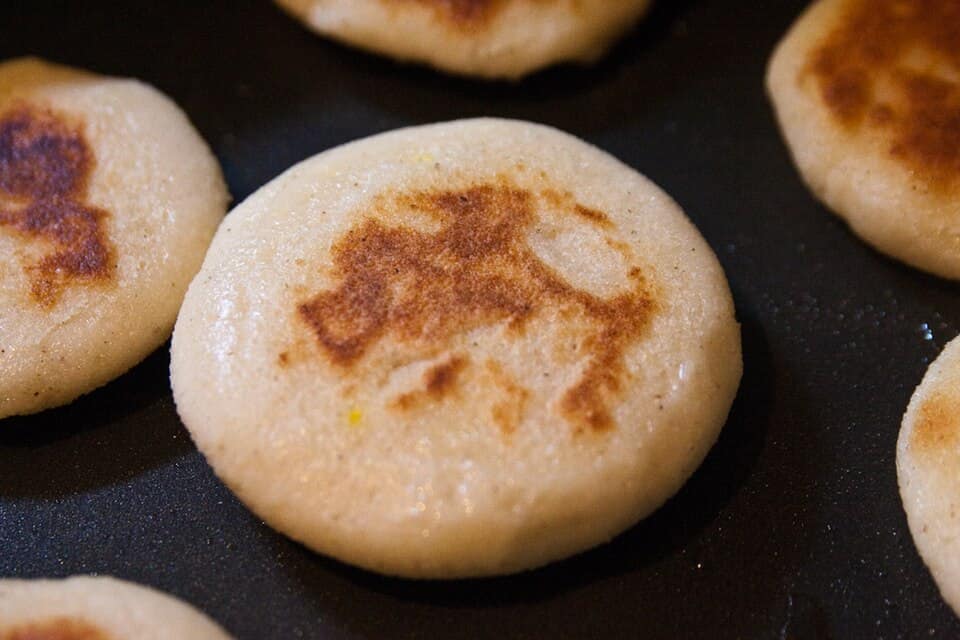
Arepas
 Venezuelan · 40 min · 348 kcal · Vegetarian
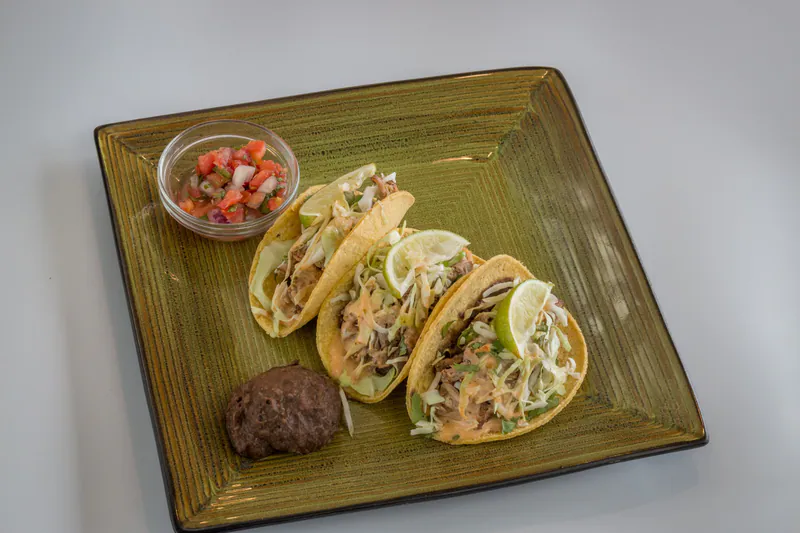
Black bean tacos
 Mexican · 25 min · 388 kcal · Vegetarian
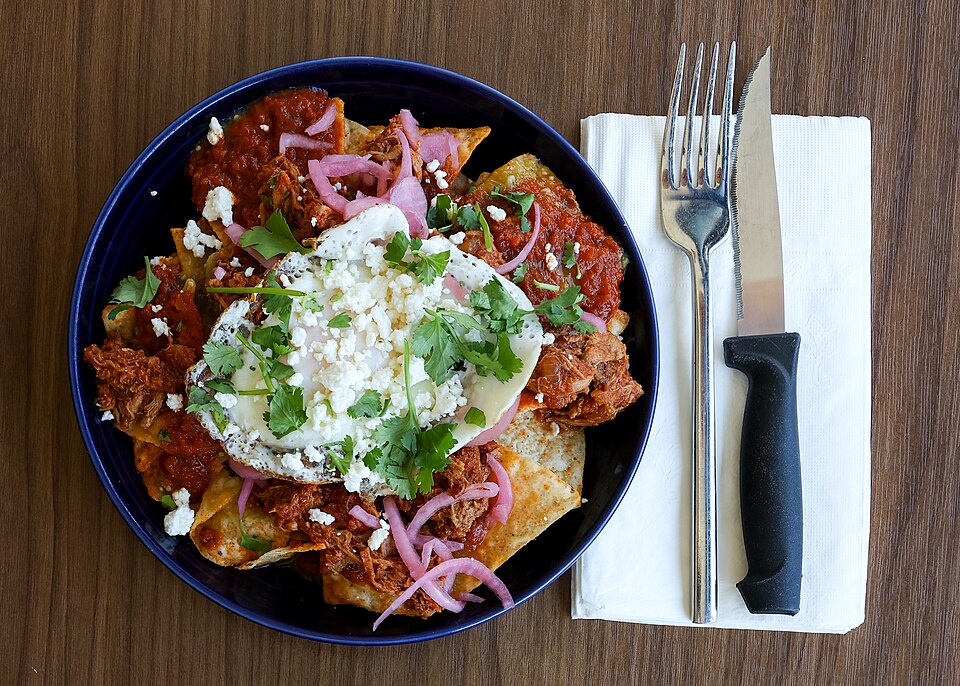
Chilaquiles rojos
Mexican · 35 min · 291 kcal · Vegetarian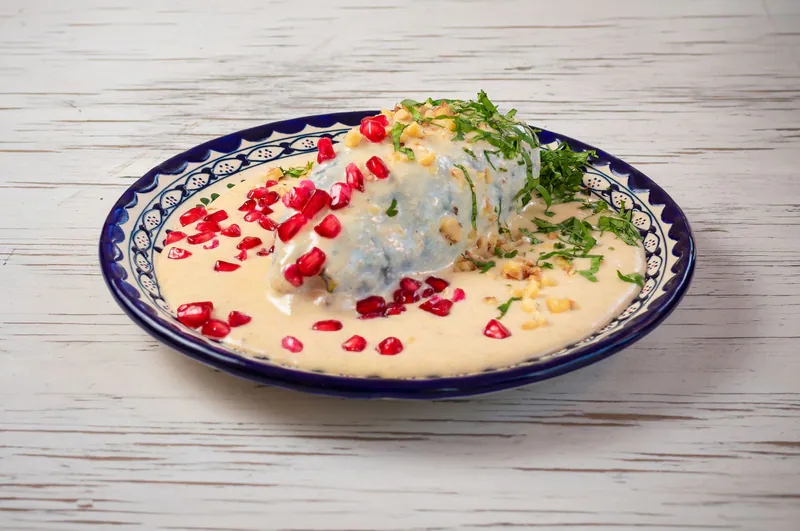
Chiles en nogada
Mexican · 1 h 55 min · 734 kcalChipa
 Paraguayan · 50 min · 395 kcal · Contains egg
Chupe de camarones
Peruvian · 1 h 15 min · 723 kcal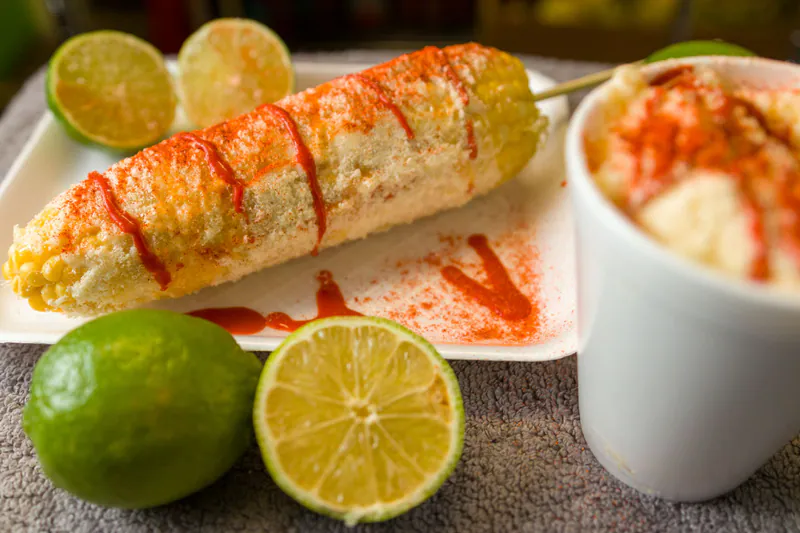
Elote
Mexican · 17 min · 199 kcal · Contains eggEnchiladas rojas
Mexican · 50 min · 551 kcal · Vegetarian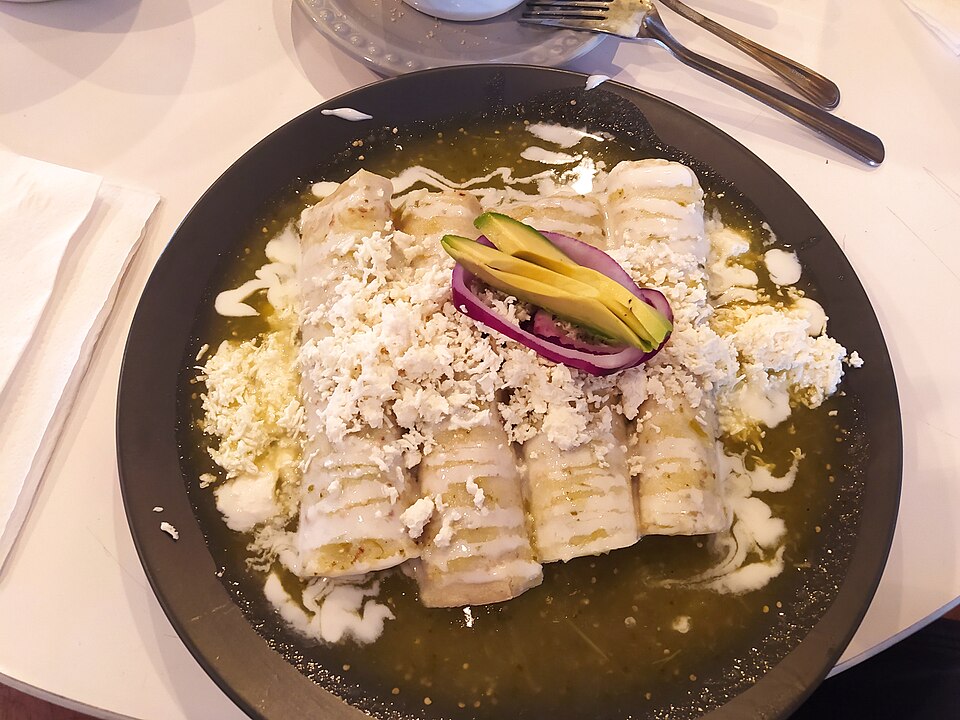
Enchiladas verdes
Mexican · 55 min · 645 kcal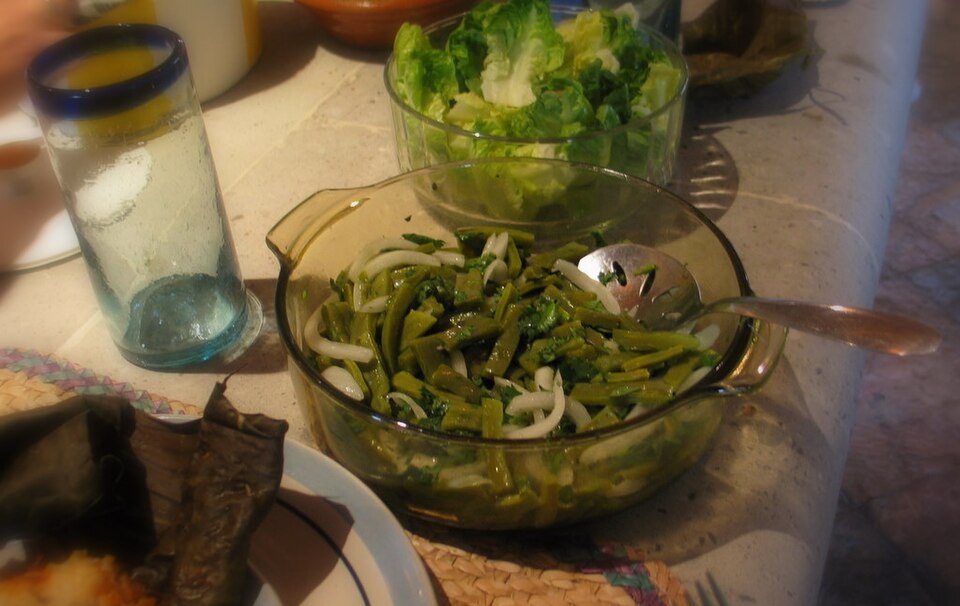
Ensalada de nopales
Mexican · 50 min · 72 kcal · Vegetarian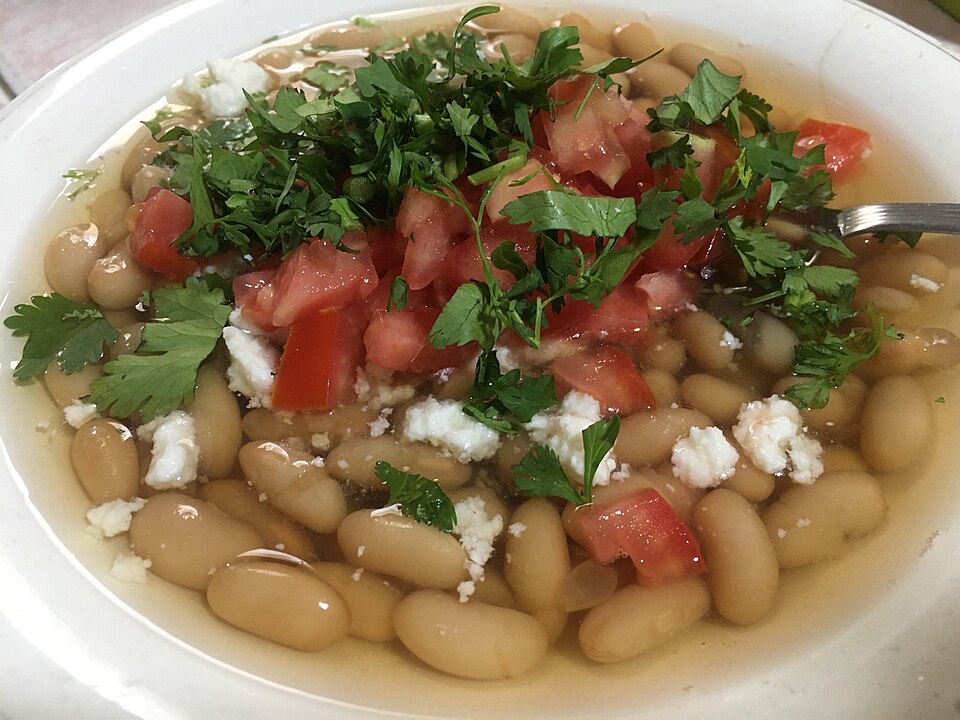
Frijoles de olla
Mexican · 2 h 40 min · 218 kcal
16 more
- Huevos rancheros · Mexican
- Llapingachos · Ecuadorian
- Locro de papa · Ecuadorian
- Mangú con los tres golpes · Dominican
- Papa a la huancaína · Peruvian
- Plato típico hondureño · Honduran
- Pupusas with curtido · Central American
- Rocoto relleno · Peruvian
- Salsa huancaína · Peruvian
- Solterito arequipeño · Peruvian
- Sopa de fideo · Mexican
- Sopa de tortilla · Mexican
- Sopa paraguaya · Paraguayan
- Tequeños · Venezuelan
- Tinga de pollo tostadas · Mexican
- Vori vori · Paraguayan
More fresh cheeses
Fresh cheeses
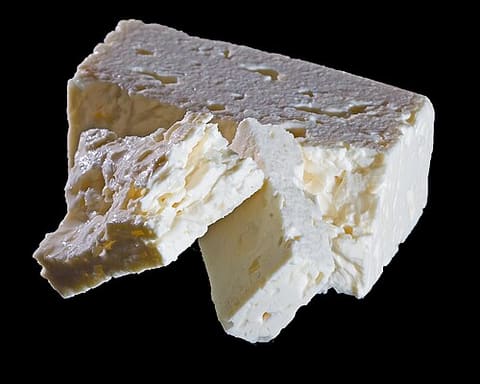
Feta
Salty, tangy white brined cheese from Greece, traditionally sheep's milk; crumbled into salads and pastries.
35 recipes
Fresh cheeses
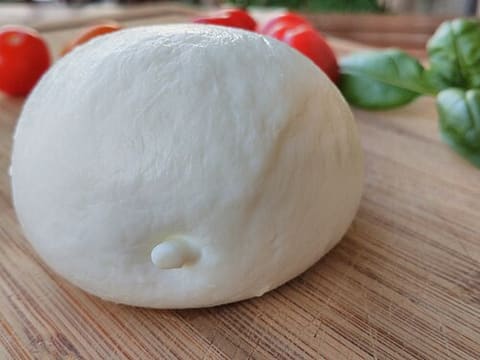
Mozzarella
Mild, milky Italian stretched-curd cheese; fresh balls for salads, low-moisture blocks for pizza.
24 recipes
Fresh cheeses
Cream cheese
Smooth, spreadable, mildly tangy fresh cheese for cheesecake, frosting, dips and bagels.
9 recipes
Fresh cheeses
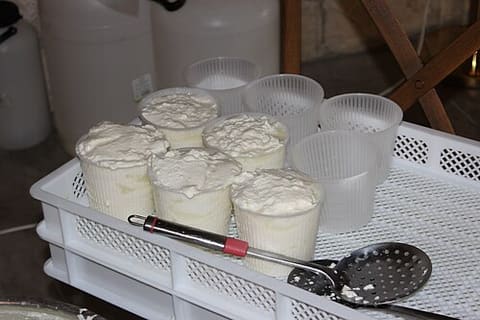
Ricotta
Soft, moist, mildly sweet Italian whey cheese for lasagne, cannoli, pancakes and pasta fillings.
9 recipes
Fresh cheeses
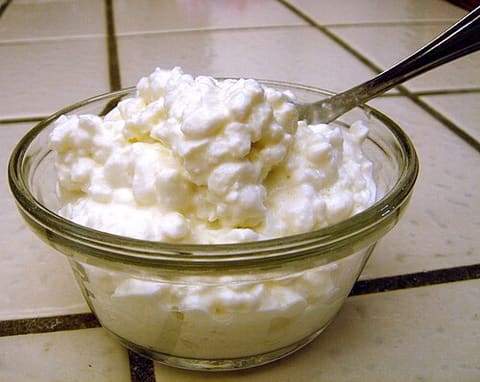
Cottage cheese
Mild fresh cheese of soft, moist curds in a light creamy dressing; eaten plain, in bakes and pancakes.
9 recipes
Fresh cheeses
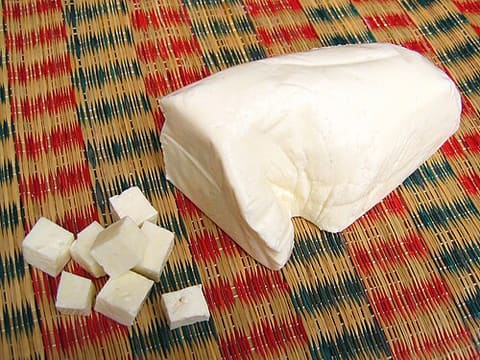
Paneer
Firm, mild South Asian fresh cheese set with acid; holds its shape in curries, grills and fritters.
9 recipes
Fresh cheeses
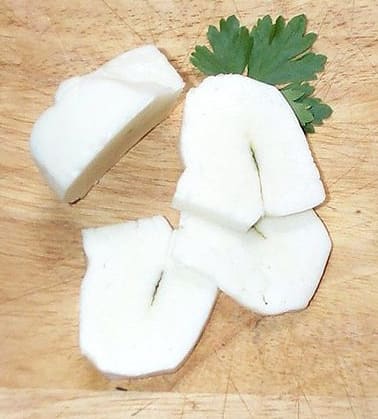
Halloumi
Firm, salty, squeaky Cypriot brined cheese that browns on a grill or pan without melting.
1 recipe
Fresh cheeses
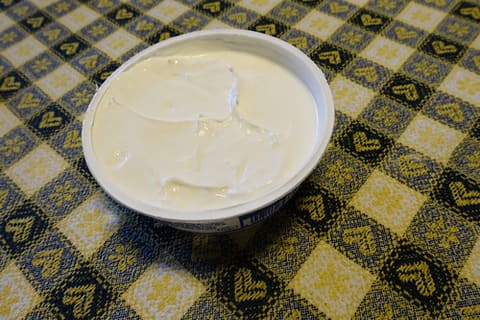
Mascarpone
Very rich, smooth Italian cream cheese with a sweet, buttery taste; essential for tiramisu.
1 recipe