
 Iranian · Middle Eastern · Soups
Kaleh pacheh (Iranian sheep's head and trotter soup)
Non-vegetarian
کلهپاچه · kalle-pāche
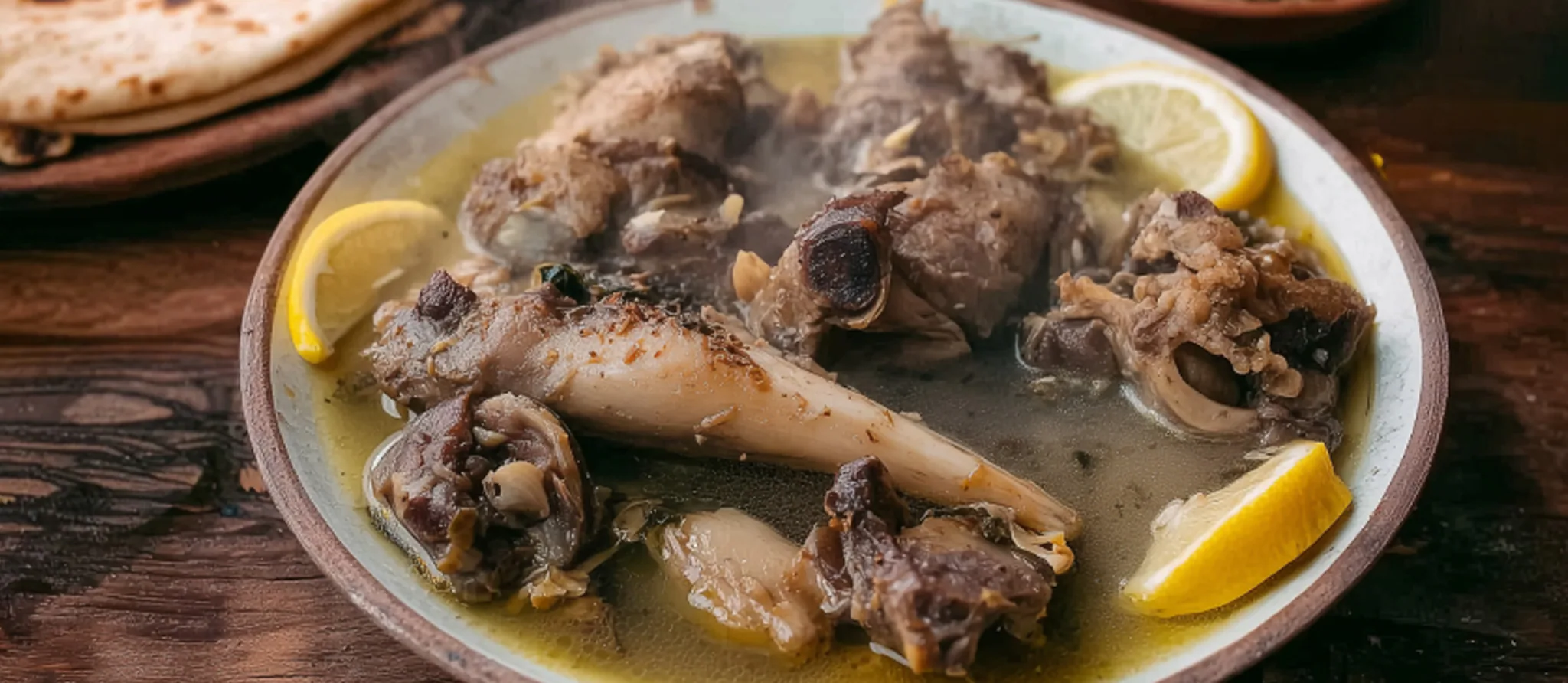
Sheep's head and trotters simmered for hours with onion, garlic, turmeric and dried lime until the broth turns rich and gelatinous and the meat falls away. In Iran it is a famous early-morning breakfast, eaten with flatbread soaked in broth and the meats seasoned with lemon and cinnamon.
Kaleh pacheh (Iranian sheep's head and trotter soup) is an Iranian soup, ready in about 6 hours 45 minutes and made with lamb or sheep's head, lamb or sheep's trotters and dried lime (loomi). It serves 6 and is rated advanced to cook.
- Prep
- 45 min
- Cook
- 6 h
- Total
- 6 h 45 min
- Serves
- 6
- Level
- Advanced
- Calories
- 1136
Plus 2 hours soaking the head and trotters (and overnight soaking for the chickpeas).
Main ingredients
Ingredients
For the broth
To serve
Method
Broth
6 h 25 minStep 1
Drain the soaked head and trotters. Put them in a large pot, cover with fresh water and bring to a hard boil for 10 minutes, skimming the grey scum. Drain, rinse the meat and wash the pot.
Food safety: Buy heads and trotters from a butcher who has singed, scraped and split them; keep them chilled, cook them the day you buy them and simmer until the meat falls from the bone.
Step 2
Return the head and trotters to the pot with the 4.5 l water, onions (opens in a new tab), garlic (opens in a new tab) and drained chickpeas. Bring to the boil and skim again.
- 15 min
- high heat
Step 3
Add the dried limes (opens in a new tab), turmeric (opens in a new tab), cinnamon (opens in a new tab), pepper (opens in a new tab) and salt. Cover and simmer very gently for 5–6 hours, topping up with boiling water so the meat stays covered, until the cheek meat and tongue are meltingly soft and the trotters come apart.
- 330 min
- low heat
Overnight cooking on the lowest heat is the traditional method.
Step 4
If using the brain, poach it in a ladle (opens in a new tab) of the broth for 15 minutes during the last half hour. Lift out the head and trotters. Peel the tongue, pick out the cheek meat and pull the trotter meat from the bones; arrange on a platter.
To serve
5 minStep 5
Taste the broth for salt. Tear the bread into bowls and ladle (opens in a new tab) the hot broth over it. Serve the meats separately with lemon (opens in a new tab) wedges, cinnamon (opens in a new tab) and pepper (opens in a new tab) for everyone to season at the table.
At a glance
1 · Broth in a pot
 Lamb or sheep's head
- Lamb or sheep's trotters
 Onion
 Garlic
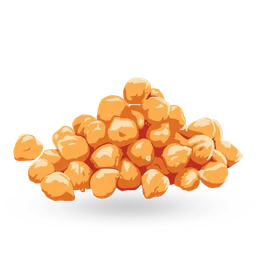 Dried chickpeas
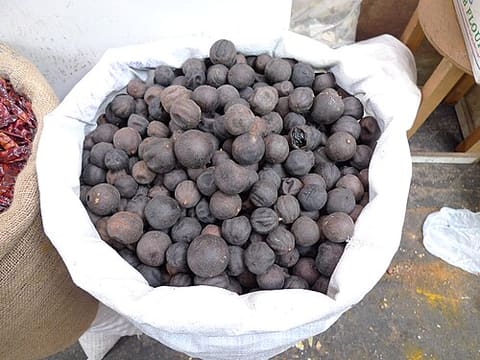 Dried lime (loomi)
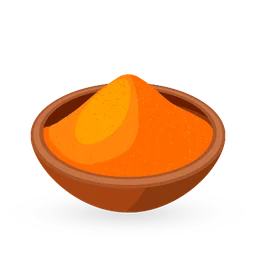 Turmeric
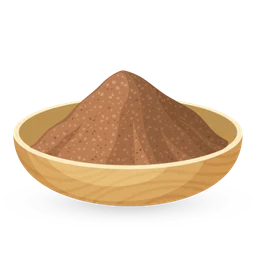 Cinnamon
 Black pepper
 Salt
then taste
2 · To serve in a pot
 Lavash
 Lemon
- Cinnamon
- Black pepper
About this dish
- Origin
- Tehran, Isfahan, Tabriz and across Iran, Iran · Well documentedDedicated kaleh-pazi shops open before dawn; similar head-and-foot soups exist across the region, including Iraqi pacha and Caucasian khash.Also popular in Iraq, Afghanistan, AzerbaijanMore food from Iran
Iran - Dish
- Breakfast · Soups · Main courses · Breakfast dishes
- Cooking method
- Boiled, Slow-cooked
- Taste
- savoury, rich, sour, aromatic / warmly spiced
- Diet
- Dairy-free · No nut ingredients · High-proteinWorked out from the ingredients. How labels work
All labels
Non-vegetarian · Dairy-free · Egg-free · No nut ingredients · No added sugar · Alcohol-free · Pork-free · Beef-free · High-protein · Low-sodium - Good for
- Festive & celebration · Batch cooking · One-pot
- Cook more with
- Lamb or sheep's head · Dried lime (loomi) · Onion · Garlic · Turmeric · Cinnamon
- Techniques
- Boiling · Simmering · Poaching · Slow-cooked gravy
Allergens
- Contains: Wheatfrom lavash
- Contains: Glutenfrom lavash
Based on typical versions of these ingredients and not verified allergen-free. Brands differ and cross-contact happens, so always check labels. For severe allergies, follow your clinician’s advice.
Nutrition
1136 kcal per serving
Estimated1 serving ≈ 1310 g · recipe makes 6
Where the energy comes from
- Protein 30%
- Carbohydrate 15%
- Fat 55%
| Nutrient | Per serving | Per 100 g* |
|---|---|---|
| Energy | 1136 kcal | 87 kcal |
| Protein | 83.4 g | 6.4 g |
| Carbohydrate | 43.3 g | 3.3 g |
| Net carbohydrate | 38.6 g | 2.9 g |
| Sugars | — | — |
| Added sugars | 0 g | 0 g |
| Fibre | 4.7 g | 0.4 g |
| Fat | 69.2 g | 5.3 g |
| Saturated fat | 28.8 g | 2.2 g |
| Trans fat | — | — |
| Cholesterol | 215 mg | 16 mg |
| Sodium | 1551 mg | 118 mg |
| Salt equivalent | 3.9 g | 0.3 g |
Vitamins & minerals per serving
- Potassium
- 1524 mg
- Calcium
- 271 mg
- Iron
- 9.6 mg
- Magnesium
- 106 mg
- Vitamin A (RAE)
- 36 µg
- Vitamin C
- 22 mg
- Vitamin D
- —
- Vitamin B12
- 10.2 µg
- Folate (DFE)
- —
How these numbers were made
- Calculated from USDA FoodData Central (SR Legacy) per-100 g values and the listed quantities.
- *Per 100 g of combined raw ingredients; the cooked dish may weigh more or less.
- Optional ingredients are not included: dried chickpeas.
- Lamb or sheep's head: Raw lamb shoulder, lean and fat (FDC 175262) used as a stand-in for the edible parts of a sheep's head (cheek meat, tongue and brain); it overstates the edible yield, as much of the weight is bone.
- Lamb or sheep's trotters: Bone-in beef shank (FDC 169441) used as a rough stand-in; sheep's trotters are mostly bone, skin and collagen-rich tendon, giving a gelatinous broth with little lean meat. No sheep's feet entry is in FDC SR Legacy.
- Dried lime (loomi): Raw lemon peel used as a stand-in; dried limes are dehydrated whole limes and are used in small amounts for flavour.
- Lavash: Flour tortilla (FDC 175037) used as a stand-in; lavash is a thin, soft unleavened or lightly leavened wheat flatbread of very similar composition.
- “—” means the value isn’t known for enough of the ingredients; it is never zero by default.
- Values are estimates for guidance, not for medical dosing. U.S. Department of Agriculture, Agricultural Research Service. FoodData Central, 2019. fdc.nal.usda.gov.
Good to know
Tips
- Ask the butcher to singe off the wool and split the head; cleaning a head at home is a long job.
- A pressure cooker cuts the cooking to about 1½ hours on high pressure.
Common mistakes
- Skipping the first boil and rinse, which leaves the broth cloudy and gamey.
Serve with
- Serve at breakfast with sangak bread, fresh herbs (sabzi khordan), raw onion and lemon wedges.
Food safety
- Buy heads and trotters from a butcher who has singed, scraped and split them; keep them chilled, cook them the day you buy them and simmer until the meat falls from the bone.
- In many countries sheep's brain is not sold to the public; the dish is still traditional without it.
Storage
- Keeps 2 days in the fridge; the broth sets to a firm jelly when cold.
Reheating
- Bring back to a full boil before serving.
Variations
- Iraqi pacha (Iraq): Sheep's head, trotters and stuffed tripe served over bread soaked in broth; often eaten late at night.
- Kaleh pacheh with chickpeas: A heartier home style with chickpeas cooked in the broth.
Original editorial recipe · FriendsPantry editorial · source: TasteAtlas (dish facts) · Not yet independently reviewed · Added
Recipe DNA
How this dish is built
Built from the recipe’s own sections. Each band’s width is its share of the dish by weight. Choose a component to see what it does.
The liquid foundation
For the broth
- Lamb or sheep's head, 1 head, singed, cleaned and split by the butcher; brain removed and kept separately1500 g
- Lamb or sheep's trotters, 4 trotters, singed and scraped1000 g
- Water4.5 l · 4500 g
- Onion, peeled and halved2 piece · 220 g
- Garlic, peeled10 clove · 40 g
- Dried chickpeas, soaked overnight (optional)100 g
- Dried lime (loomi), pierced2 piece · 8 g
- Turmeric1 tsp · 3.2 g
- Cinnamon0.5 tsp · 1.3 g
- Black pepper1 tsp · 2.4 g
- Salt2 tsp · 12 g
Reviews & corrections
Reviews come from signed-in cooks and appear after a moderator checks them. We never show made-up ratings.
You might also like
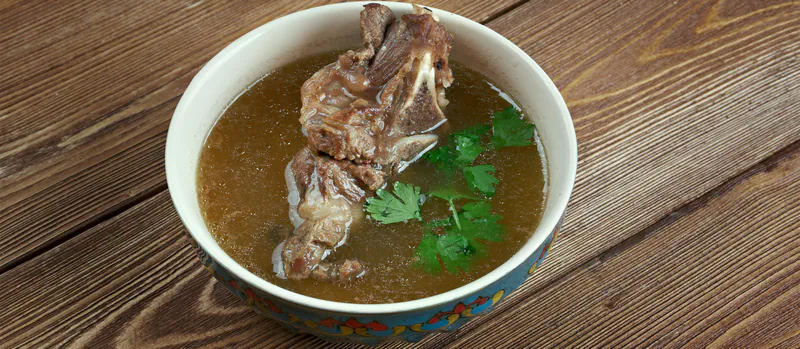
Khash (Armenian cow's foot broth)
 Armenian · 8 h 30 min · 569 kcal
Meygoo polo (southern Iranian shrimp rice)
Iranian · 2 h 10 min · 696 kcal
Morgh-e shekam por (Persian stuffed chicken)
Iranian · 2 h 40 min · 1011 kcal
Ghormeh sabzi
Iranian · 3 h 30 min · 457 kcal