
Hornado pastuso (Carchi slow-roast pork)
Non-vegetarian
Hornado pastuso
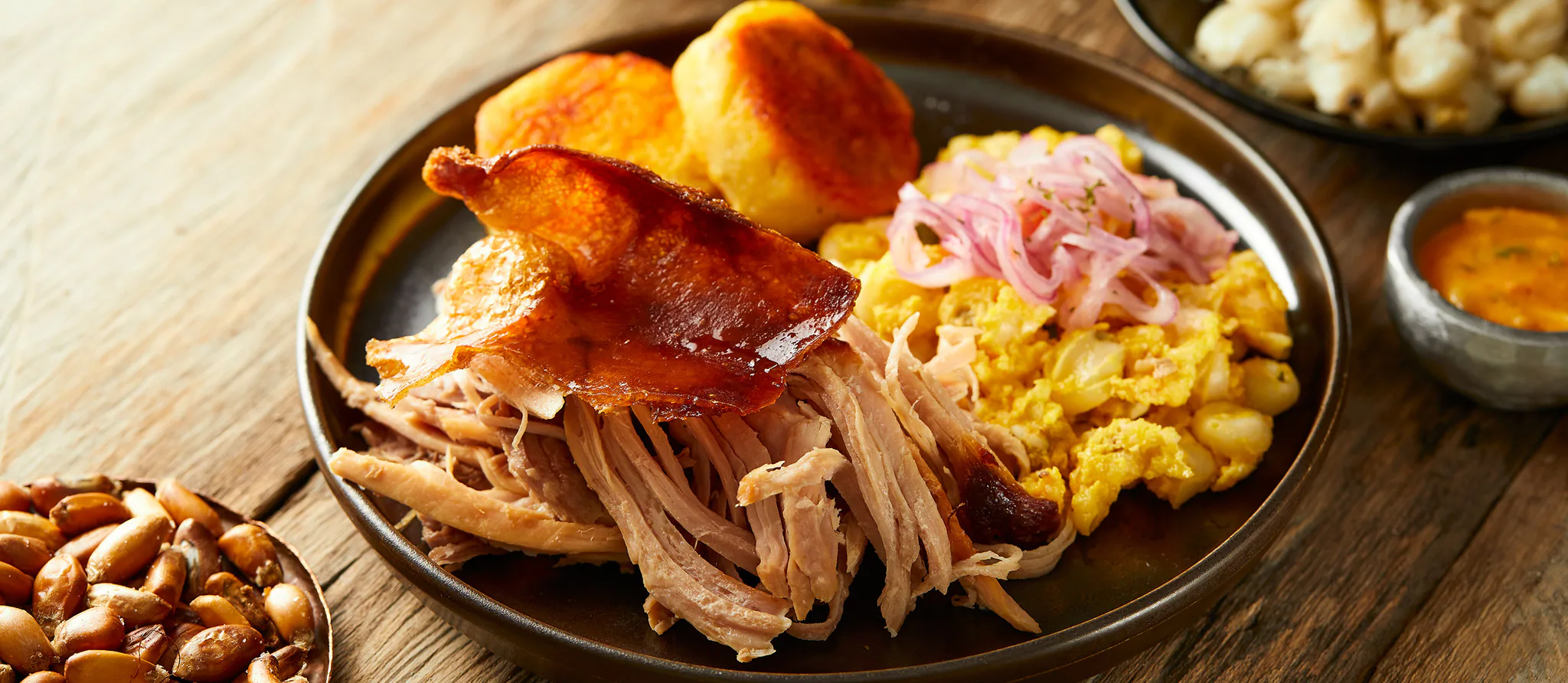
Skin-on pork marinated overnight with garlic, onion, cumin, achiote and beer, then slow-roasted with plenty of liquid and served with its salty roasting broth (caldillo). A specialty of Carchi province in northern Ecuador, near the Colombian border.
Hornado pastuso (Carchi slow-roast pork) is an Ecuadorian main course, ready in about 5 hours 10 minutes and made with pork shoulder, garlic and beer. It serves 8 and is rated intermediate to cook.
- Prep
- 20 min
- Cook
- 4 h 30 min
- Rest
- 20 min
- Total
- 5 h 10 min
- Serves
- 8
- Level
- Intermediate
- Calories
- 794
Plus 12–24 hours marinating.
Main ingredients

Ingredients
For the marinade
For roasting
Method
Marinade
15 minStep 1
Blend the garlic (opens in a new tab), red onion (opens in a new tab), spring onions (opens in a new tab), cumin (opens in a new tab), annatto, salt, pepper (opens in a new tab), lime juice (opens in a new tab), coriander and chilli with a splash of beer (opens in a new tab) to a paste.
Step 2
Score the pork skin in a diamond pattern and make deep cuts in the meat. Rub the paste all over and into the cuts. Put in a roasting tin, cover and refrigerate for 12–24 hours.
Food safety: Wash hands, boards and knives after handling raw meat, and keep it apart from salad and other ready-to-eat food.
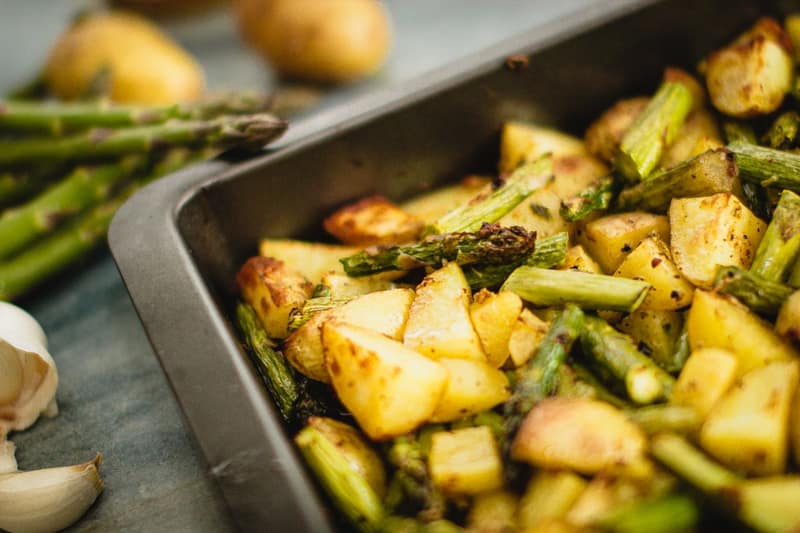
How it looks · Photo: locrifa on Pexels
Roasting
4 h 50 minStep 3
Heat the oven (opens in a new tab) to 160 °C. Pour the beer (opens in a new tab) and water around the pork, cover tightly with foil and roast for 3 hours, basting with the juices every 45 minutes.
Step 4
Uncover, raise the oven (opens in a new tab) to 200 °C and roast for 1–1½ hours more, basting, until the meat is falling-apart tender and the skin is browned and crisp in places. Top up with water if the tin runs dry; you want plenty of broth.
- 90 min
- 200°C
Food safety: Cook pork until it reaches at least 63 °C (whole cuts, then rested) or 71 °C for minced pork and sausage.
Step 5
Rest the pork for 20 minutes. Skim some of the fat from the pan juices and season this caldillo to taste. Pull or slice the meat, break up the crackling and serve with the hot caldillo spooned over.
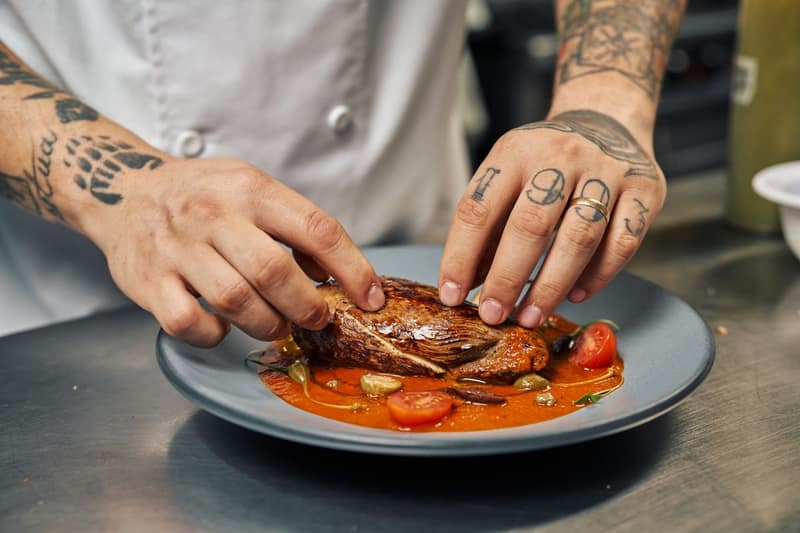
How it looks · Photo: Willians Huerta on Pexels
At a glance
1 · Marinade in a bowl
 Garlic
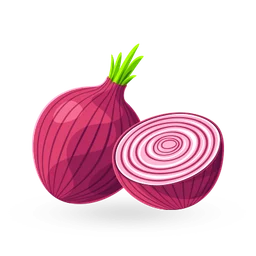 Red onion
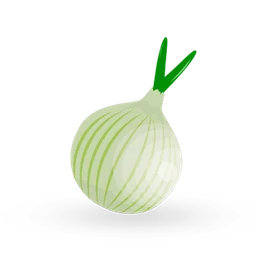 Spring onion
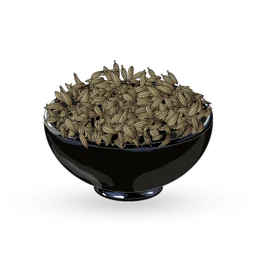 Cumin
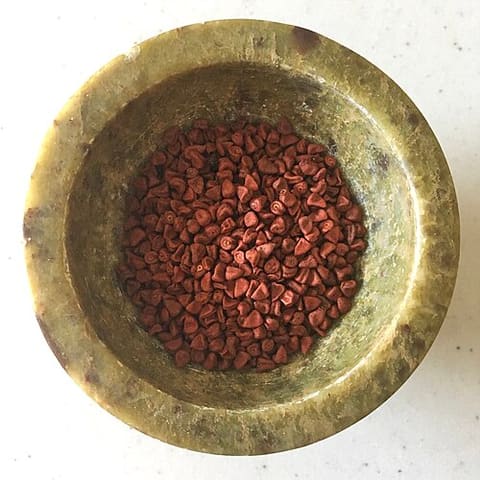 Annatto (achiote) seeds / ground
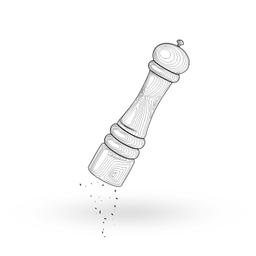 Salt
 Black pepper
 Lime juice
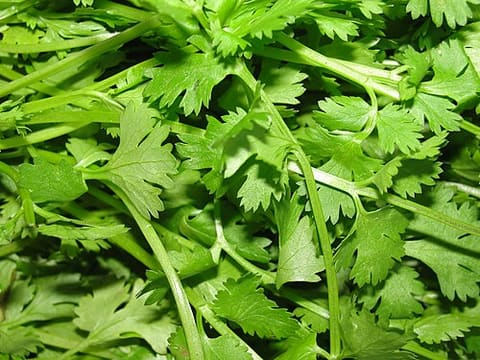 Coriander leaves
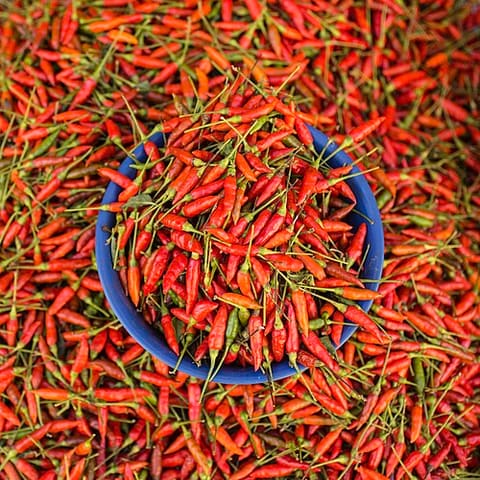 Fresh red chilli
then heat
2 · Roasting in a pan
 Beer
About this dish
- Origin
- Carchi Province (Tulcán), Ecuador · Commonly attributedPastuso refers to the people of the Pasto area on both sides of the Ecuador–Colombia border; whole pigs are roasted for fiestas, while legs and shoulders are used for smaller batches.Also popular in ColombiaMore food from Ecuador
Ecuador - Dish
- Lunch · Dinner · Main courses
- Cooking method
- Marinated / cured, Roasted, Slow-cooked
- Taste
- savoury, garlicky, salty, rich
- Diet
- Dairy-free · No nut ingredients · Keto-style · Low-carb · High-proteinWorked out from the ingredients. How labels work
All labels
Non-vegetarian · Whole-food focused · Dairy-free · Egg-free · No nut ingredients · No added sugar · Beef-free · Keto-style · Low-carb · High-protein - Good for
- Festive & celebration · Batch cooking · Uses leftovers
- Cook more with
- Pork shoulder · Garlic · Beer · Red onion · Spring onion · Cumin
- Techniques
- Roasting · Marinating · Curing
Allergens
- Contains: Glutenfrom beer
Based on typical versions of these ingredients and not verified allergen-free. Brands differ and cross-contact happens, so always check labels. For severe allergies, follow your clinician’s advice.
Nutrition
794 kcal per serving
Estimated1 serving ≈ 498 g · recipe makes 8
Where the energy comes from
- Protein 29%
- Carbohydrate 4%
- Fat 67%
| Nutrient | Per serving | Per 100 g* |
|---|---|---|
| Energy | 794 kcal | 159 kcal |
| Protein | 54.9 g | 11 g |
| Carbohydrate | 7.6 g | 1.5 g |
| Net carbohydrate | 6.9 g | 1.4 g |
| Sugars | 1.1 g | 0.2 g |
| Added sugars | 0 g | 0 g |
| Fibre | 0.7 g | 0.1 g |
| Fat | 56.4 g | 11.3 g |
| Saturated fat | 19.5 g | 3.9 g |
| Trans fat | — | — |
| Cholesterol | 222 mg | 45 mg |
| Sodium | 1524 mg | 306 mg |
| Salt equivalent | 3.8 g | 0.8 g |
Vitamins & minerals per serving
- Potassium
- 1060 mg
- Calcium
- 85 mg
- Iron
- 4 mg
- Magnesium
- 70 mg
- Vitamin A (RAE)
- 17 µg
- Vitamin C
- 9 mg
- Vitamin D
- 5.3 µg
- Vitamin B12
- 2.3 µg
- Folate (DFE)
- 28 µg
How these numbers were made
- Calculated from USDA FoodData Central (SR Legacy) per-100 g values and the listed quantities.
- *Per 100 g of combined raw ingredients; the cooked dish may weigh more or less.
- Not counted (tiny amounts or “to taste”): annatto (achiote) seeds / ground.
- “—” means the value isn’t known for enough of the ingredients; it is never zero by default.
- Values are estimates for guidance, not for medical dosing. U.S. Department of Agriculture, Agricultural Research Service. FoodData Central, 2019. fdc.nal.usda.gov.
Good to know
Tips
- Carchi cooks keep the broth deliberately salty; it is served sparingly over the pork and potatoes.
Common mistakes
- Letting the tin dry out — hornado pastuso is meant to come with a generous caldillo.
Serve with
- Serve with llapingachos or boiled potatoes, mote (hominy), curtido of onion and tomato, and ají sauce.
- In Tulcán it is often eaten with tortillas de tiesto and a glass of chicha.
Food safety
- Cook pork until it reaches at least 63 °C (whole cuts, then rested) or 71 °C for minced pork and sausage.
- Wash hands, boards and knives after handling raw meat, and keep it apart from salad and other ready-to-eat food.
Storage
- Keeps 3 days refrigerated or 2 months frozen in its juices.
Reheating
- Reheat covered with some caldillo at 170 °C until piping hot, then crisp the skin uncovered.
Variations
- Hornado (Sierra-style): The more common Ecuadorian hornado from Quito and Riobamba, roasted drier and served with agrio, a sour chicha-based sauce.
Original editorial recipe · FriendsPantry editorial · source: TasteAtlas (dish facts) · Not yet independently reviewed · Added
Recipe DNA
How this dish is built
Built from the recipe’s own sections. Each band’s width is its share of the dish by weight. Choose a component to see what it does.
What the dish is built around
Main ingredient
- Pork shoulder, bone-in, skin on2.5 kg · 2500 g
Reviews & corrections
Reviews come from signed-in cooks and appear after a moderator checks them. We never show made-up ratings.
You might also like
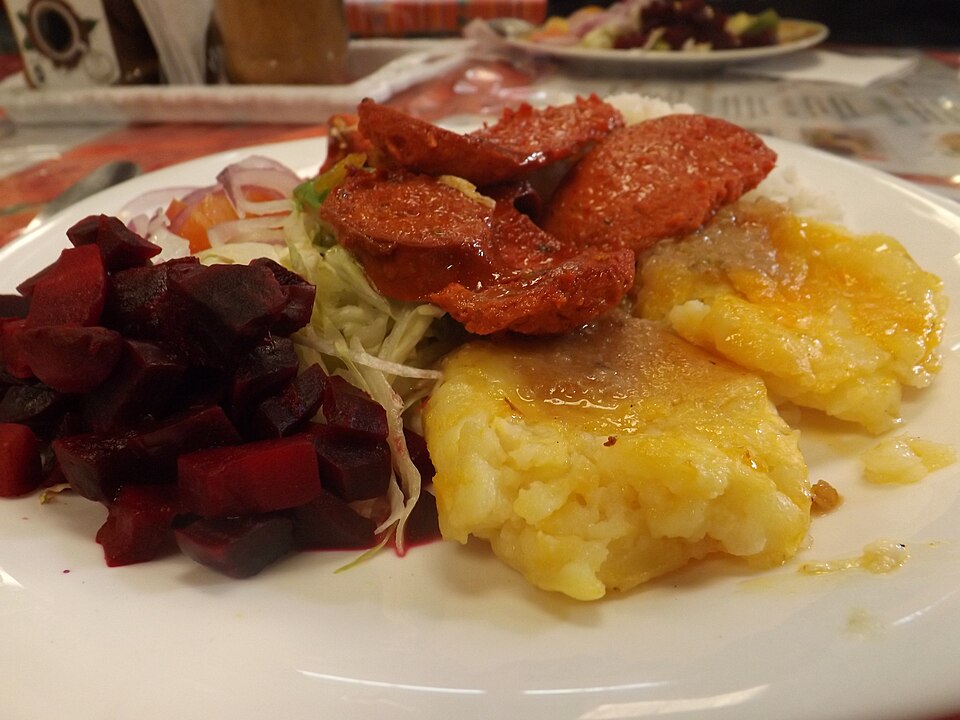
Llapingachos
 Ecuadorian · 1 h 40 min · 668 kcal
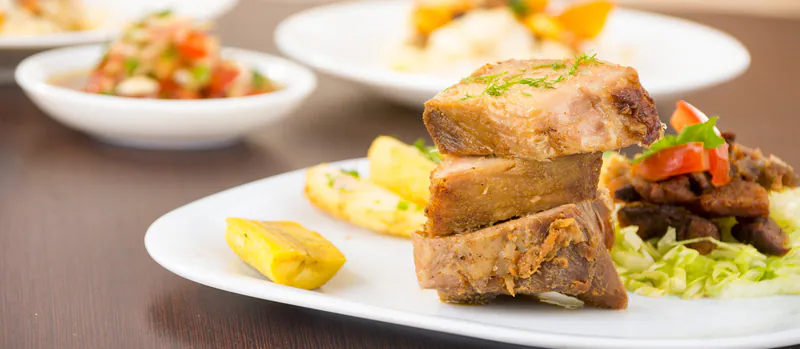
Fritada (Ecuadorian fried pork)
Ecuadorian · 1 h 50 min · 561 kcal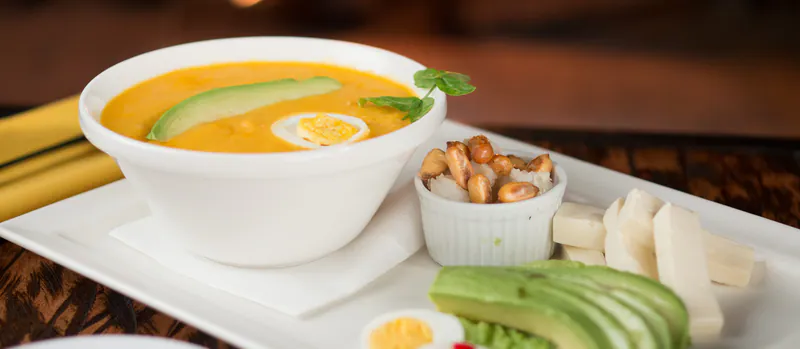
Locro de papa
Ecuadorian · 55 min · 324 kcal · Vegetarian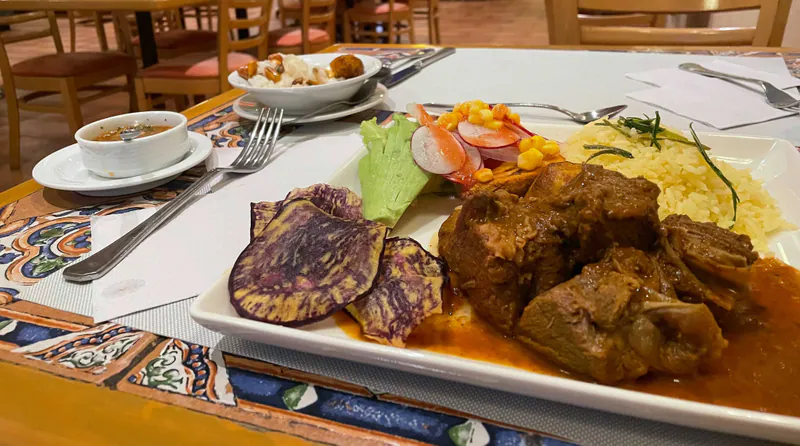
Seco de chivo (Ecuadorian goat stew)
Ecuadorian · 7 h · 753 kcal