
Gänsebraten (German roast goose)
Non-vegetarian
Gänsebraten
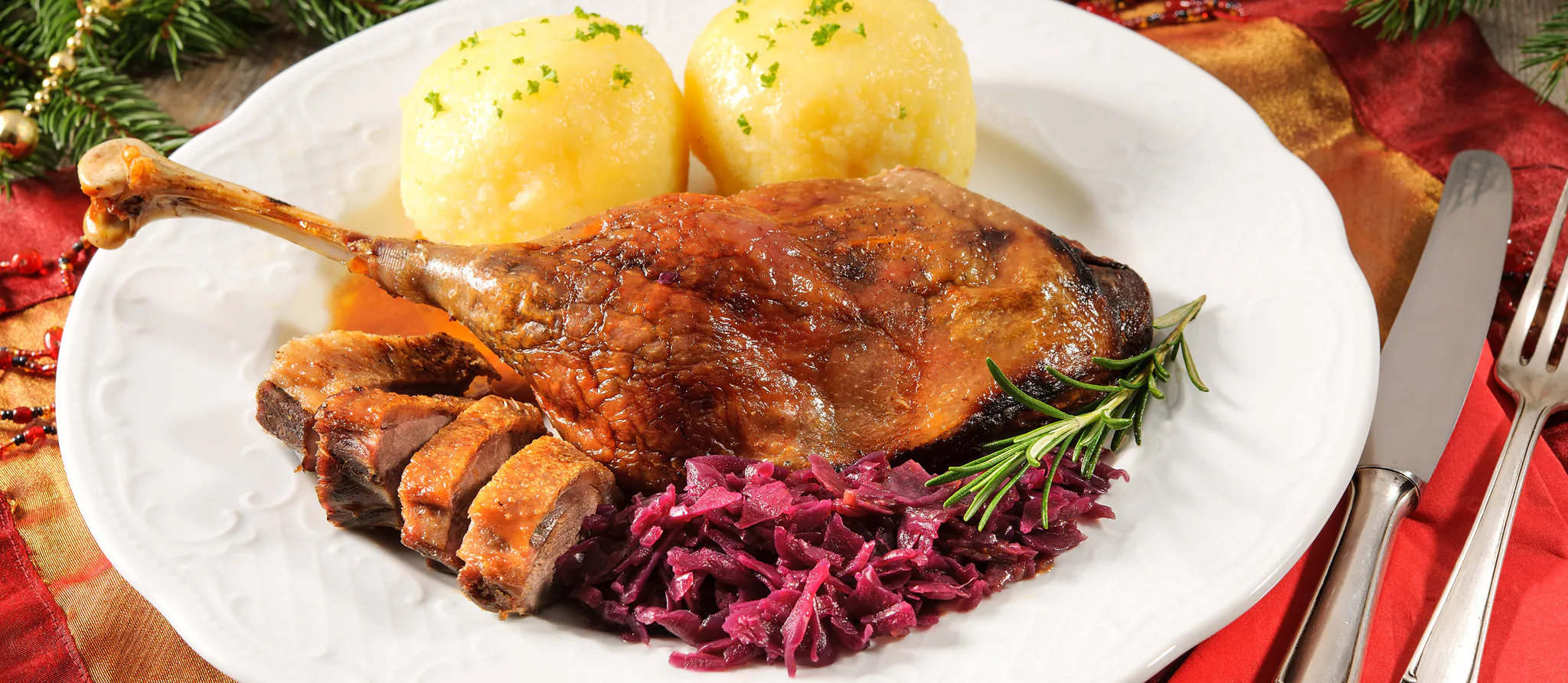
A whole goose rubbed with salt and marjoram, stuffed with apples and onions and roasted slowly until the skin is crisp and lacquered and the meat tender, with a rich gravy from the pan juices. Germany's festive roast for St. Martin's Day and Christmas, served with red cabbage and potato dumplings.
Gänsebraten (German roast goose) is a German main course from Germany, ready in about 5 hours 15 minutes and made with goose (whole, oven-ready), dried marjoram and apple. It serves 6 and is rated intermediate to cook.
- Prep
- 30 min
- Cook
- 4 h 30 min
- Rest
- 15 min
- Total
- 5 h 15 min
- Serves
- 6
- Level
- Intermediate
- Calories
- 723
Ideally salt the goose the day before and leave it uncovered in the fridge overnight.
Main ingredients
Ingredients
For the goose
For the stuffing
For roasting
For the crisping glaze
For the gravy
Method
Goose
15 minStep 1
The day before if possible, pat the goose (opens in a new tab) dry, pull out the loose fat from the cavity and cut off the wing tips. Mix the salt, pepper (opens in a new tab), marjoram (opens in a new tab) and thyme (opens in a new tab) and rub it inside and out. Leave uncovered in the fridge overnight to dry the skin.
- 15 min
Stuffing
10 minStep 2
Heat the oven (opens in a new tab) to 160 °C. Toss the apples (opens in a new tab) and onions (opens in a new tab) with 1 tsp marjoram (opens in a new tab) and stuff them into the cavity; close it with a skewer. Prick the skin all over (not the meat), especially under the wings and on the thighs, so the fat can escape.
- 10 min
- 160°C
Roasting
4 h 15 minStep 3
Put the goose (opens in a new tab) breast-side down on a rack in a roasting pan (opens in a new tab) and pour in the hot water. Roast for 1½ hours, then turn breast-side up and roast for about 2–2½ hours more (about 50 minutes per kg in total), basting with the pan juices every 30 minutes and spooning off excess fat into a jar as it collects.
Keep the rendered goose fat: it is superb for roasting potatoes and keeps for months in the fridge.
Step 4
When the thigh reaches 80 °C and the leg moves freely, raise the oven (opens in a new tab) to 220 °C. Brush the skin with the cold salted water and roast for 10–15 minutes more until crisp and deep brown.
Food safety: Cook poultry until the thickest part of the thigh reaches 74 °C and the juices run clear.
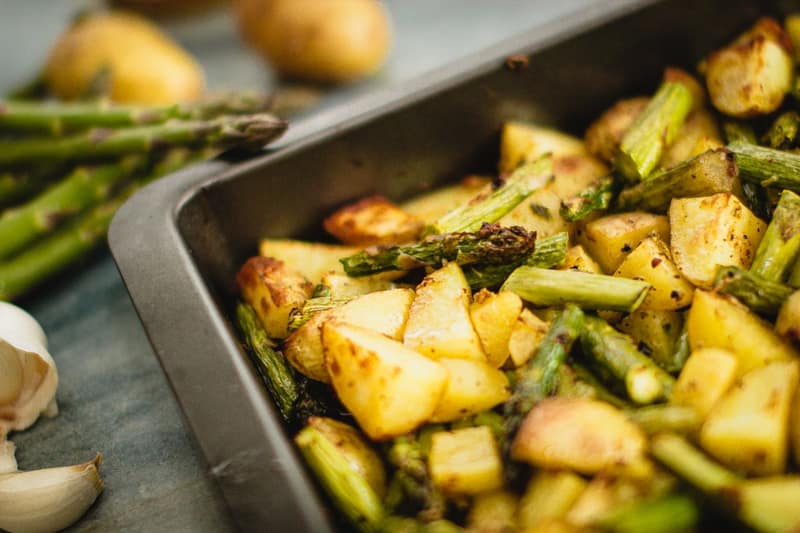
How it looks · Photo: locrifa on Pexels
Gravy
25 minStep 5
Rest the goose (opens in a new tab) for 15 minutes. Meanwhile pour the pan juices into a jug and skim off the fat. Deglaze the pan with the stock and wine, scraping up the browned bits, and tip into a saucepan (opens in a new tab) with the skimmed juices, bay leaves (opens in a new tab) and cloves (opens in a new tab). Simmer for 10 minutes, strain, thicken with the cornstarch (opens in a new tab) slurry and season.
- 15 min
- medium heat
- Saucepan (opens in a new tab)
- Sieve / strainer (opens in a new tab)
- Whisk (opens in a new tab)
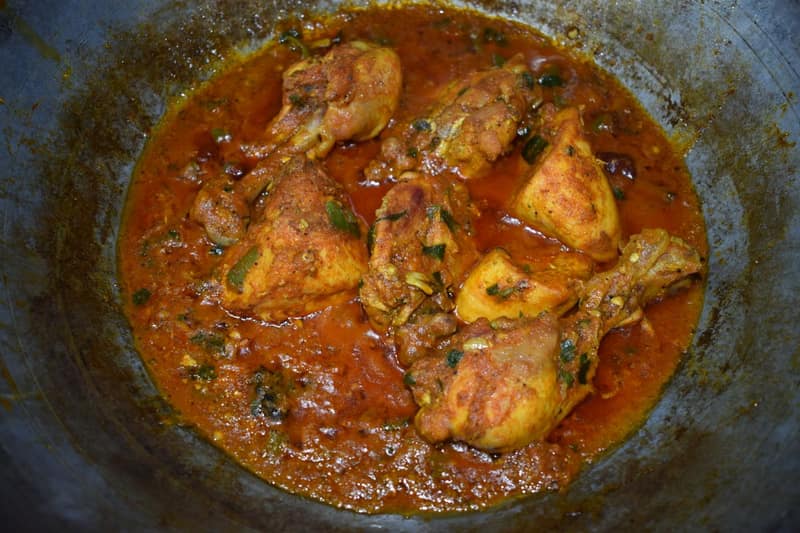
How it looks · Photo: Bachir Mamud on Pexels Step 6
Carve into legs, thighs and breast slices and serve with the roasted apples (opens in a new tab) and the gravy.
- 10 min

How it looks · Photo: Willians Huerta on Pexels
At a glance
1 · Goose in a bowl
- Goose (whole, oven-ready)
 Salt
 Black pepper
 Dried marjoram
- Dried thyme
then heat
2 · Stuffing in a bowl
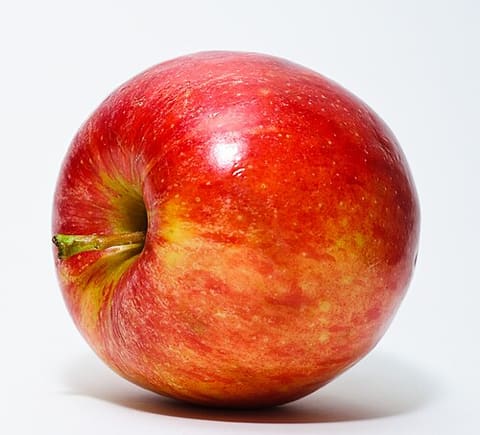 Apple
 Onion
- Dried marjoram
then put
3 · Roasting in a pan
then rest
4 · Gravy in a pan
 Chicken stock
 Dry red wine
 Bay leaves
 Cloves
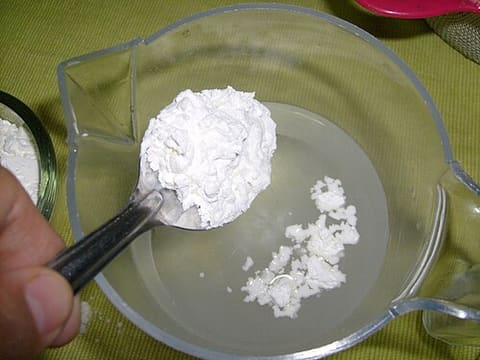 Cornstarch
About this dish
- Origin
- Germany · Well documentedRoast goose is the traditional dish of Martinstag (11 November) and of Christmas in much of Germany and Austria; the Christmas version is known as Weihnachtsgans.Also popular in Austria, Poland, CzechiaMore food from Germany
Germany - Dish
- Lunch · Dinner · Main courses
- Cooking method
- Roasted
- Taste
- rich, savoury, herby, fruity
- Diet
- No gluten ingredients · Dairy-free · No nut ingredients · High-proteinWithout the optional extras: Alcohol-freeWorked out from the ingredients. How labels work
All labels
Non-vegetarian · No gluten ingredients · Dairy-free · Egg-free · No nut ingredients · No added sugar · Pork-free · Beef-free · High-protein - Good for
- Festive & celebration
- Cook more with
- Dried marjoram · Apple · Dried thyme · Onion · Chicken stock · Bay leaves
Allergens
- May contain: Celeryfrom chicken stock
- Contains, can be adapted: Sulphitesfrom dry red wine
Based on typical versions of these ingredients and not verified allergen-free. Brands differ and cross-contact happens, so always check labels. For severe allergies, follow your clinician’s advice.
Nutrition
723 kcal per serving
Estimated1 serving ≈ 797 g · recipe makes 6
Where the energy comes from
- Protein 48%
- Carbohydrate 16%
- Fat 36%
| Nutrient | Per serving | Per 100 g* |
|---|---|---|
| Energy | 723 kcal | 91 kcal |
| Protein | 85.2 g | 10.7 g |
| Carbohydrate | 29.3 g | 3.7 g |
| Net carbohydrate | 25.3 g | 3.2 g |
| Sugars | 15.4 g | 1.9 g |
| Added sugars | 0 g | 0 g |
| Fibre | 4 g | 0.5 g |
| Fat | 28.1 g | 3.5 g |
| Saturated fat | 10.8 g | 1.4 g |
| Trans fat | — | — |
| Cholesterol | 349 mg | 44 mg |
| Sodium | 2012 mg | 252 mg |
| Salt equivalent | 5 g | 0.6 g |
Vitamins & minerals per serving
- Potassium
- 1508 mg
- Calcium
- 98 mg
- Iron
- 12.1 mg
- Magnesium
- 104 mg
- Vitamin A (RAE)
- 116 µg
- Vitamin C
- 35 mg
- Vitamin D
- 0.5 µg
- Vitamin B12
- 1.8 µg
- Folate (DFE)
- 130 µg
How these numbers were made
- Calculated from USDA FoodData Central (SR Legacy) per-100 g values and the listed quantities.
- *Per 100 g of combined raw ingredients; the cooked dish may weigh more or less.
- Optional ingredients are not included: dry red wine.
- Goose (whole, oven-ready): Raw duck meat (FDC 172410) used as a stand-in; goose is a close relative but a whole bird with skin carries much more fat, most of which renders out during roasting.
- “—” means the value isn’t known for enough of the ingredients; it is never zero by default.
- Values are estimates for guidance, not for medical dosing. U.S. Department of Agriculture, Agricultural Research Service. FoodData Central, 2019. fdc.nal.usda.gov.
Good to know
Tips
- Goose has much less meat than its size suggests; a 4.5 kg bird feeds about 6 people.
Common mistakes
- Skipping the pricking and fat removal — the skin stays flabby and the pan overflows with fat.
Serve with
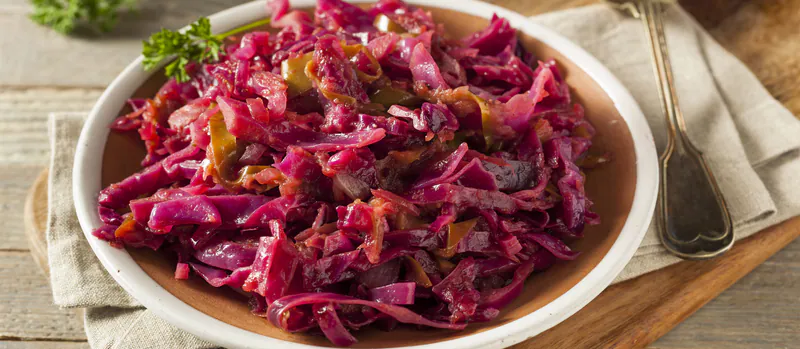
- Serve with Apfelrotkohl (braised red cabbage), Kartoffelklöße or Semmelknödel and the gravy.
- Roasted chestnuts and baked apples are classic extras.
Food safety
- Cook poultry until the thickest part of the thigh reaches 74 °C and the juices run clear.
- Cool leftovers within 2 hours and refrigerate in a covered container.
Storage
- Leftover meat keeps 3 days in the fridge or 2 months frozen. The rendered fat keeps for 3 months refrigerated.
Reheating
- Warm slices covered with a little gravy in a 160 °C oven for 15 minutes; crisp the skin under the grill.
Variations
- Chestnut stuffing: Peeled roasted chestnuts and bread are mixed into the apple and onion stuffing.
- Gänsekeulen: Only goose legs, roasted on root vegetables for a smaller household.
Original editorial recipe · FriendsPantry editorial · source: TasteAtlas (dish facts) · Not yet independently reviewed · Added
Recipe DNA
How this dish is built
Reviews & corrections
Reviews come from signed-in cooks and appear after a moderator checks them. We never show made-up ratings.
You might also like
Apfelrotkohl
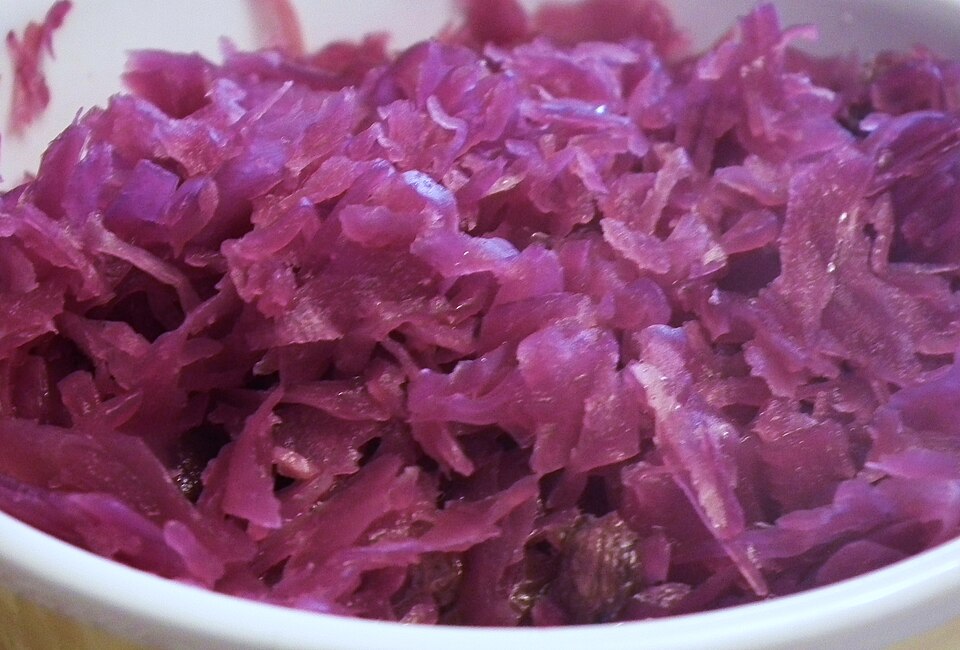
 German · 1 h 30 min · 145 kcal · Vegetarian
Kaspressknödel
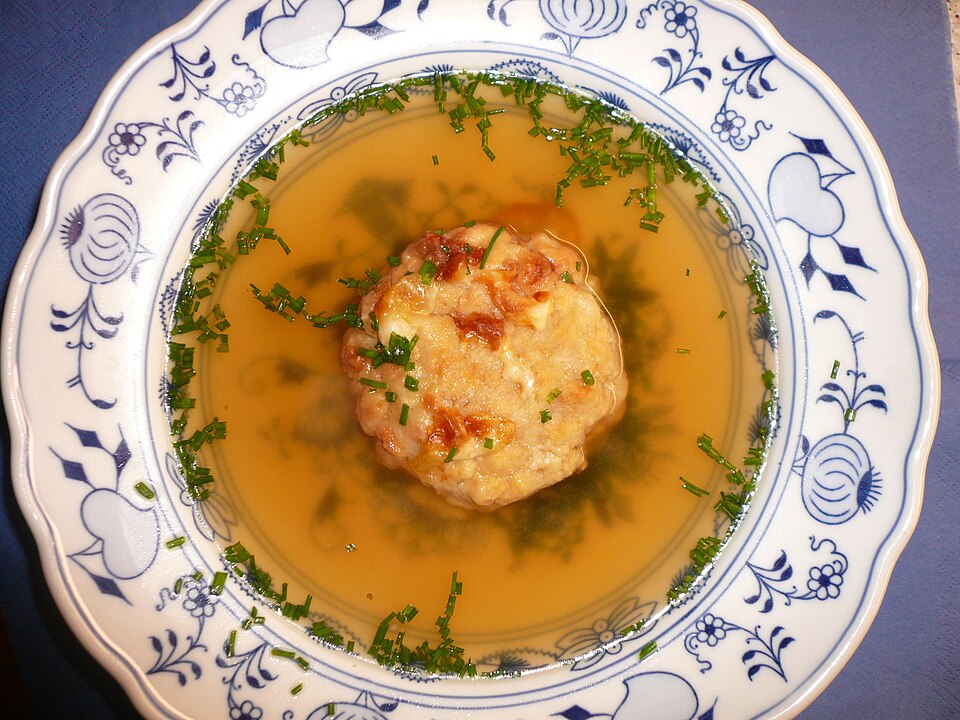
 Austrian · 50 min · 547 kcal
Sauerbraten
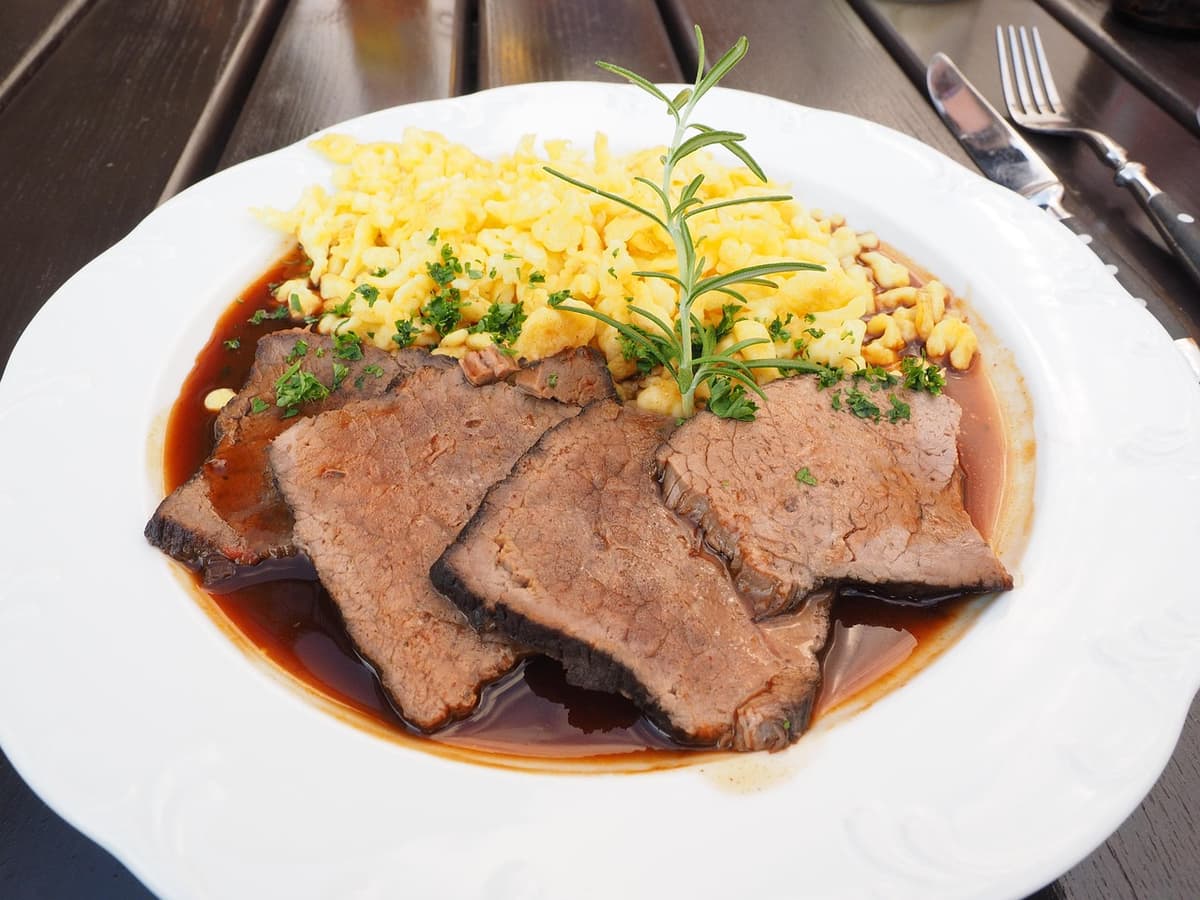
German · 3 h 40 min · 441 kcal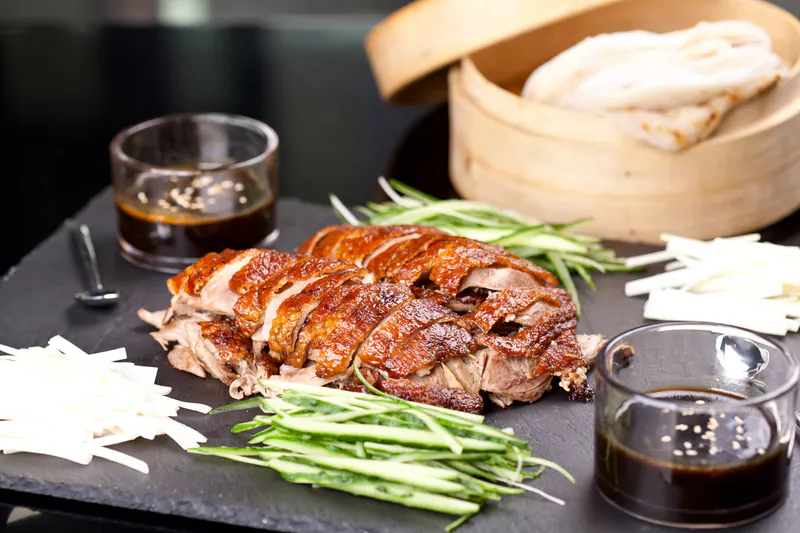
Peking duck (Beijing kao ya)
 Chinese · 26 h 50 min · 1141 kcal