
 Italian · Mediterranean · Breads & flatbreads
Focaccia barese (Apulian potato focaccia)
Vegetarian
Focaccia barese
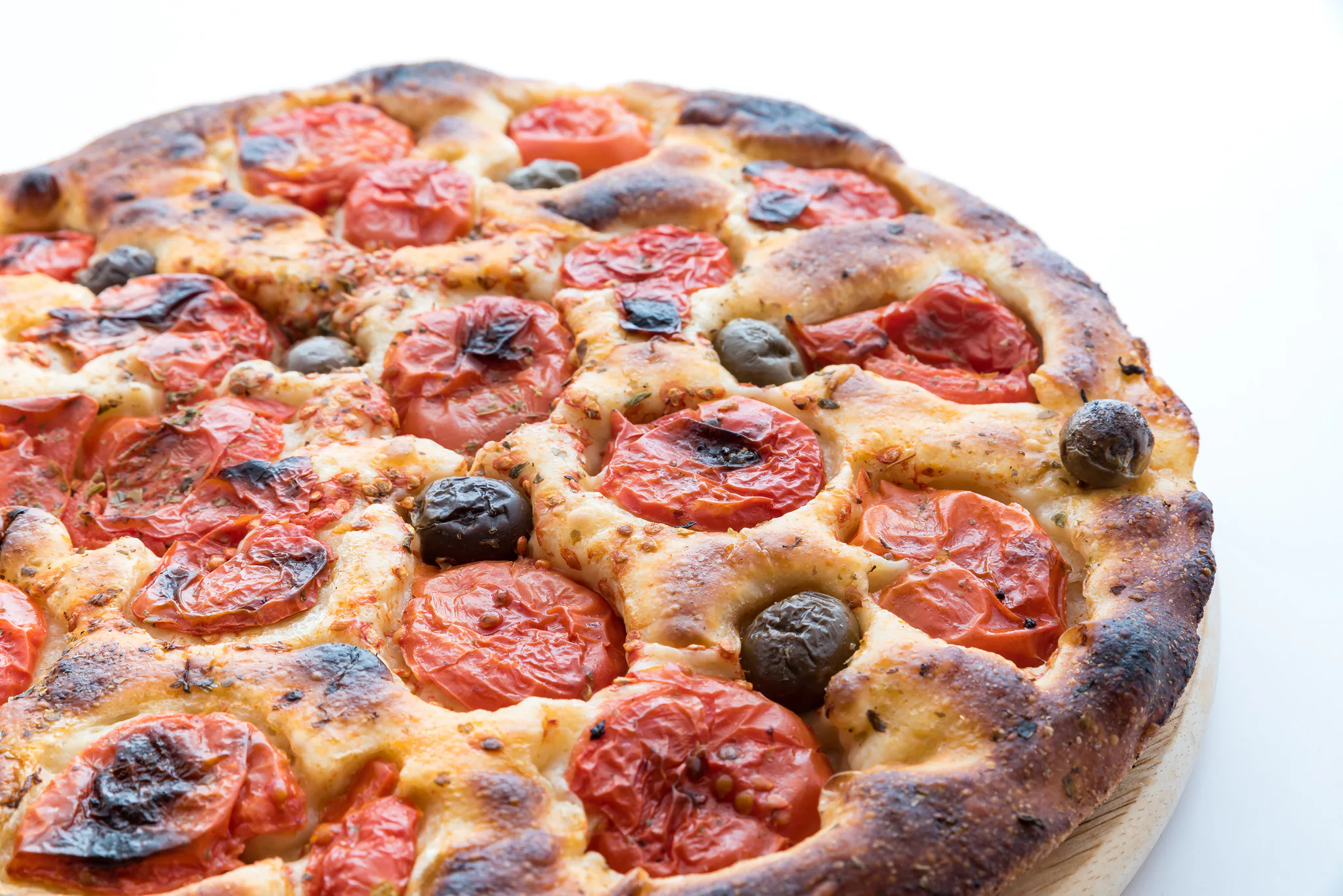
A soft, airy focaccia made with durum semolina, flour and mashed potato, pressed full of juicy cherry tomatoes and olives and baked in a round tin swimming in olive oil until the base fries crisp. Best eaten lukewarm, it is Bari's favourite street snack.
Focaccia barese (Apulian potato focaccia) is an Italian bread from Italy, ready in about 3 hours 50 minutes and made with potato, semolina and tomato. It serves 8 and is rated intermediate to cook.
- Prep
- 30 min
- Cook
- 50 min
- Rest
- 2 h 30 min
- Total
- 3 h 50 min
- Serves
- 8
- Level
- Intermediate
- Calories
- 374
Main ingredients
Ingredients
For the dough
For the tin and topping
Method
Dough
39 minStep 1
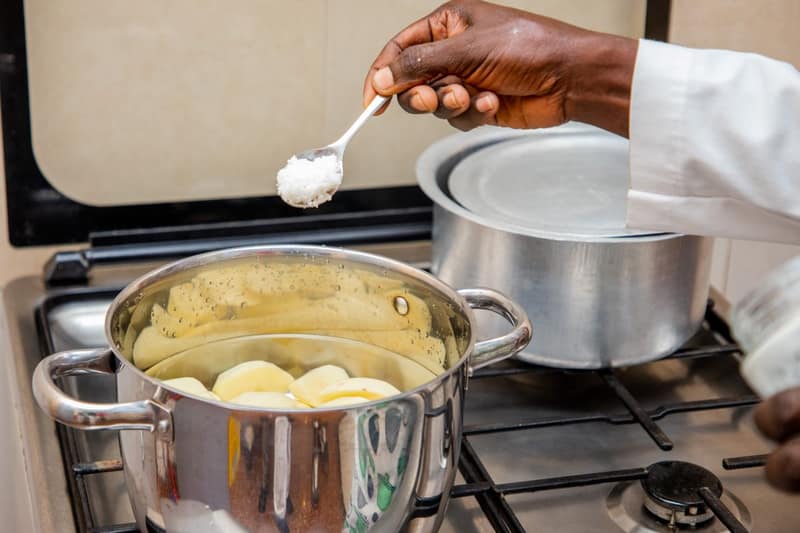
Boil the potato (opens in a new tab) in its skin until tender, about 20 minutes. Peel and mash it smoothly, then let it cool to lukewarm.
- 22 min
- medium heat
- Saucepan (opens in a new tab)
How it looks · Photo: Lionel Ntasano on Pexels Step 2
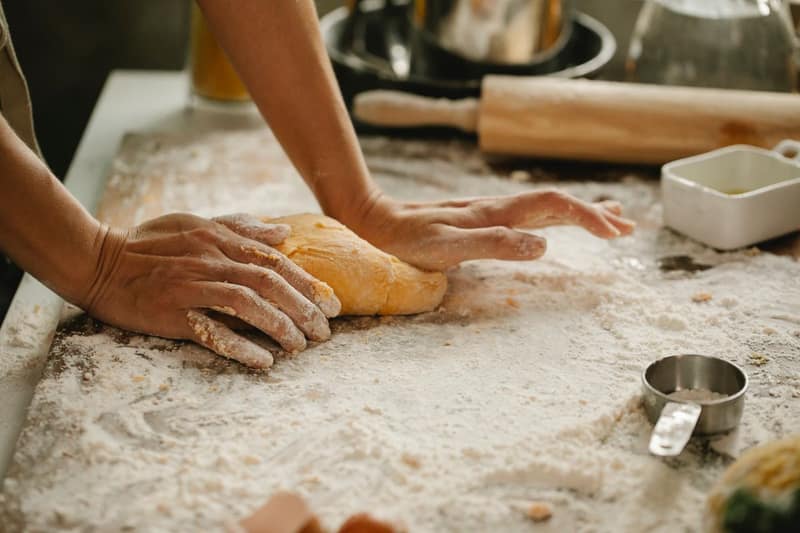
Mix the semolina (opens in a new tab), flour, yeast and mashed potato (opens in a new tab), add the water and work into a soft, sticky dough. Add the salt and 2 tbsp oil and knead (or beat with a spoon) for 8–10 minutes until smooth and elastic. Cover and leave to rise for about 2 hours until doubled.
How it looks · Photo: Klaus Nielsen on Pexels Step 3
Pour half the 80 ml oil into a 30 cm round tin (or two 24 cm tins). Tip in the dough, turn it to coat in oil and gently stretch it to the edges with oiled fingers. Leave to rest for 30 minutes.
Tin and topping
33 minStep 4
Heat the oven (opens in a new tab) to 230 °C. Press the tomatoes (opens in a new tab), cut side down, and the olives into the dough, dimpling it all over with your fingertips. Sprinkle with oregano (opens in a new tab) and coarse salt and drizzle with the remaining oil.
- 5 min
- 230°C
How it looks · Photo: Klaus Nielsen on Pexels Step 5
Bake on the lowest shelf for 25–30 minutes until the top is golden and the base is crisp and fried-looking when lifted with a spatula. Cool in the tin for 10 minutes before slicing.
- 28 min
- 230°C
- Oven (opens in a new tab)
At a glance
1 · Dough in a bowl
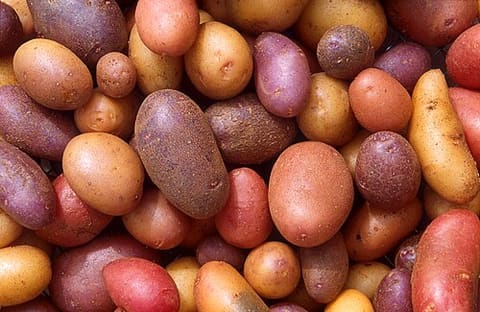 Potato
 Semolina
 Bread flour
 Instant yeast
 Salt
 Olive oil
then heat
2 · Tin and topping in a bowl
- Olive oil
 Tomato
 Green olives
 Dried oregano
- Salt
About this dish
- Origin
- Bari, Apulia, Italy · Well documentedSold by the slice in Bari's bakeries and eaten as a snack at any hour; the potato in the dough keeps it moist and tender.More food from Italy
Italy - Dish
- Lunch · Snack · Breads & flatbreads · Street food
- Cooking method
- Boiled, Oven-baked
- Taste
- savoury, fruity, herby, salty
- Diet
- Vegan · Dairy-free · No nut ingredientsWorked out from the ingredients. How labels work
All labels
Vegan · Plant-based · Vegetarian (lacto-ovo) · Eggetarian · Lacto-vegetarian · Ovo-vegetarian · Pescatarian · Flexitarian-friendly · Dairy-free · Egg-free · No nut ingredients · No added sugar · Alcohol-free · Pork-free · Beef-free - Good for
- Street food · Portable / lunchbox · Make-ahead
- Cook more with
- Potato · Semolina · Tomato · Bread flour · Instant yeast · Green olives
- Techniques
- Baking · Boiling · Kneading · Fermentation
Allergens
- Contains: Wheatfrom semolina, bread flour
- Contains: Glutenfrom semolina, bread flour
Based on typical versions of these ingredients and not verified allergen-free. Brands differ and cross-contact happens, so always check labels. For severe allergies, follow your clinician’s advice.
Nutrition
374 kcal per serving
Calculated1 serving ≈ 188 g · recipe makes 8
Where the energy comes from
- Protein 9%
- Carbohydrate 54%
- Fat 36%
| Nutrient | Per serving | Per 100 g* |
|---|---|---|
| Energy | 374 kcal | 199 kcal |
| Protein | 8.8 g | 4.7 g |
| Carbohydrate | 50.9 g | 27.1 g |
| Net carbohydrate | 47.5 g | 25.3 g |
| Sugars | — | — |
| Added sugars | 0 g | 0 g |
| Fibre | 3.4 g | 1.8 g |
| Fat | 15 g | 8 g |
| Saturated fat | 2.1 g | 1.1 g |
| Trans fat | — | — |
| Cholesterol | 0 mg | 0 mg |
| Sodium | 937 mg | 499 mg |
| Salt equivalent | 2.3 g | 1.2 g |
Vitamins & minerals per serving
- Potassium
- 270 mg
- Calcium
- 28 mg
- Iron
- 3.2 mg
- Magnesium
- 34 mg
- Vitamin A (RAE)
- 18 µg
- Vitamin C
- 9 mg
- Vitamin D
- 0 µg
- Vitamin B12
- 0 µg
- Folate (DFE)
- 195 µg
How these numbers were made
- Calculated from USDA FoodData Central (SR Legacy) per-100 g values and the listed quantities.
- *Per 100 g of combined raw ingredients; the cooked dish may weigh more or less.
- “—” means the value isn’t known for enough of the ingredients; it is never zero by default.
- Values are estimates for guidance, not for medical dosing. U.S. Department of Agriculture, Agricultural Research Service. FoodData Central, 2019. fdc.nal.usda.gov.
Good to know
Tips
- A dark metal tin gives the crispest, almost fried base.
- Squeezing the tomatoes removes excess juice and seeds so the focaccia does not turn soggy.
Common mistakes
- Skimping on oil in the tin — the base will be dry and pale instead of crisp.
Serve with
- Eat warm or at room temperature as a snack, or with burrata, cured meats and a glass of Primitivo.
Storage
- Keep wrapped at room temperature for 1 day; freeze slices for up to a month.
Reheating
- Warm slices in a hot dry frying pan or a 200 °C oven for 5 minutes to re-crisp the base.
Variations
- Focaccia with potato slices: Thin slices of potato and rosemary on top in place of tomatoes.
- Focaccia bianca: Just olive oil, coarse salt and rosemary.
- Focaccia genovese (Italy): Liguria's flatter, wheat-only focaccia brushed with brine and oil.
Original editorial recipe · FriendsPantry editorial · source: TasteAtlas (dish facts) · Not yet independently reviewed · Added
Recipe DNA
How this dish is built
Built from the recipe’s own sections. Each band’s width is its share of the dish by weight. Choose a component to see what it does.
Structure
For the dough
- Potato, 1 floury potato, boiled, peeled and mashed while warm150 g
- Semolina250 g
- Bread flour250 g
- Instant yeast5 g
- Water350 ml · 350 g
- Salt10 g
- Olive oil2 tbsp · 27 g
Reviews & corrections
Reviews come from signed-in cooks and appear after a moderator checks them. We never show made-up ratings.
You might also like
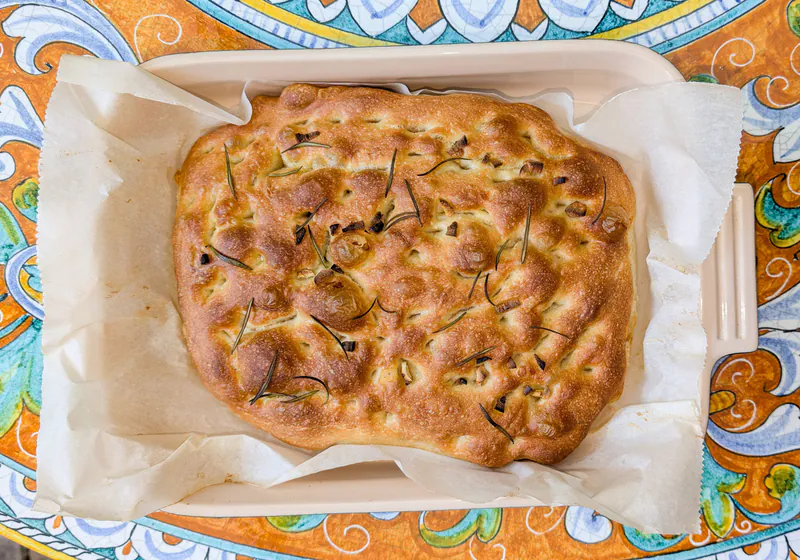
Focaccia
Italian · 3 h 10 min · 319 kcal · Vegan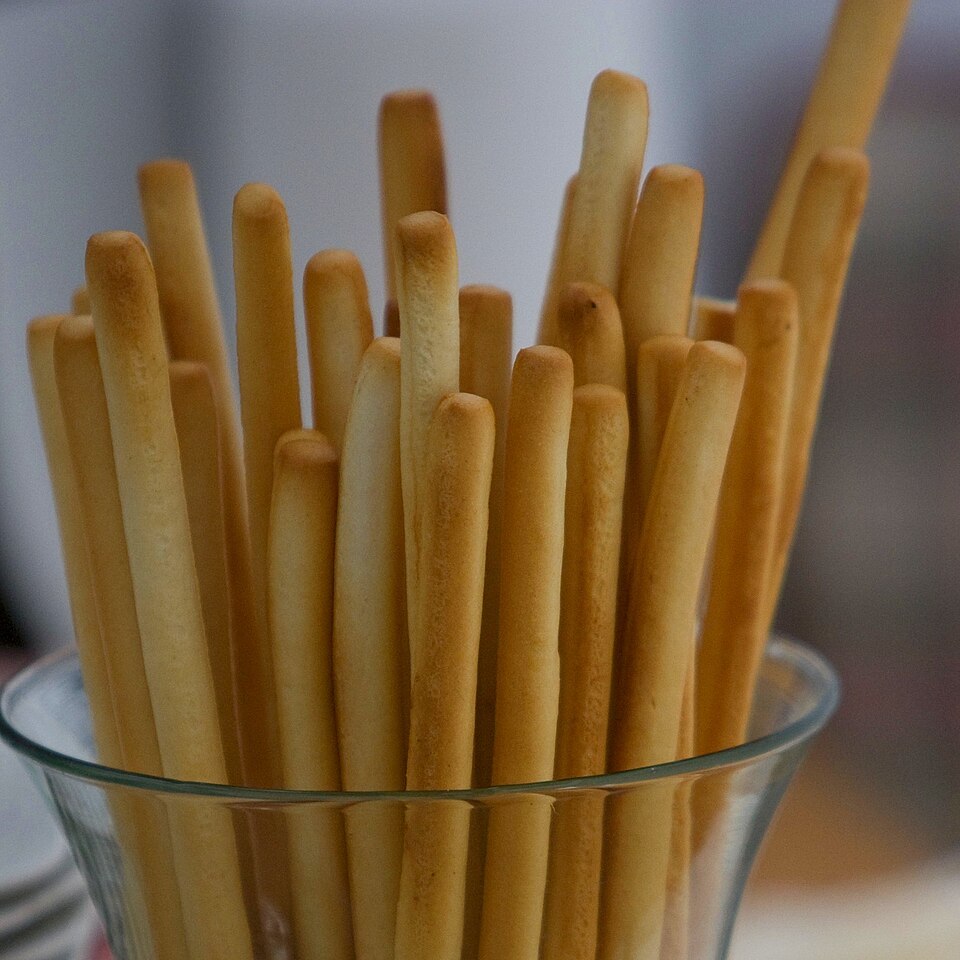
Grissini torinesi
Italian · 2 h 18 min · 55 kcal · Vegan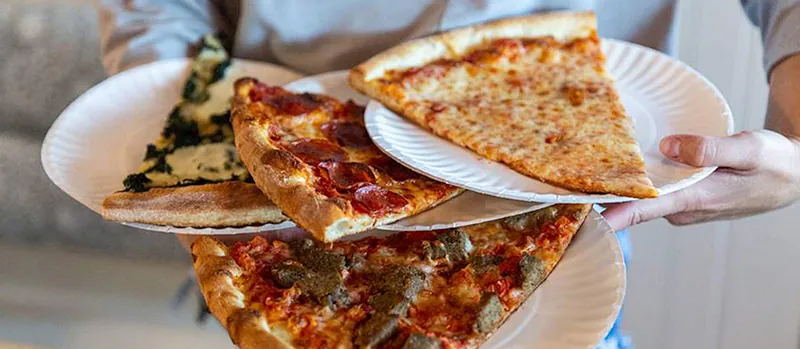
New York-style pizza
 American · 26 h 50 min · 869 kcal · Vegetarian
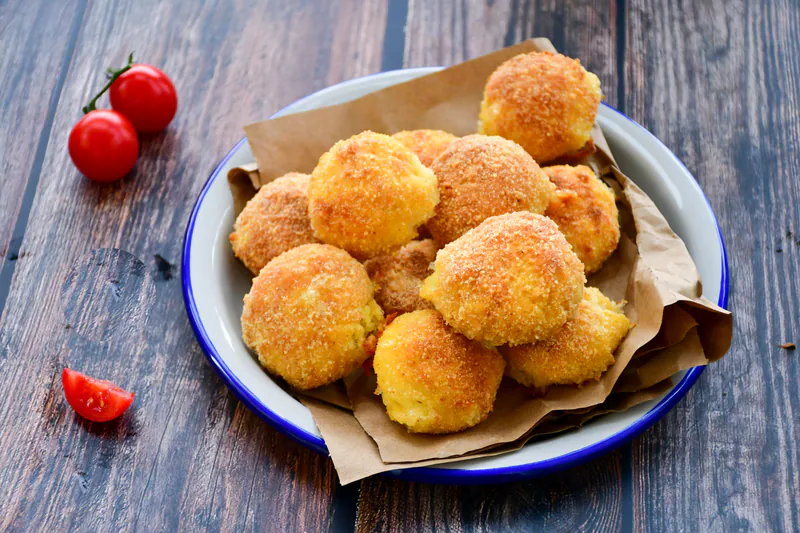
Arancini alla Norma
Italian · 4 h 15 min · 820 kcal · Vegetarian