
Cubanitos (Argentine dulce de leche wafer rolls)
Contains egg (no meat or fish)
Cubanitos
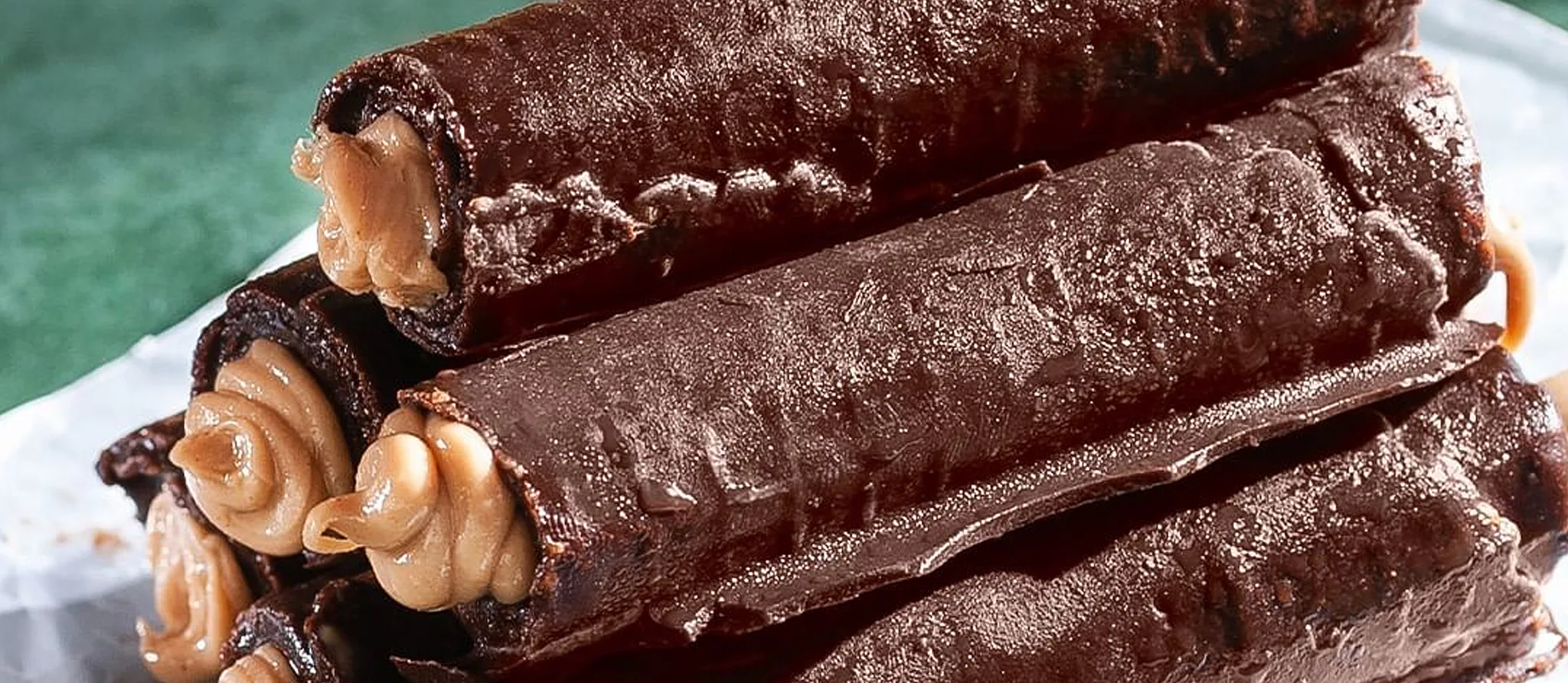
Thin, crisp vanilla-and-cinnamon wafers rolled into cigar-shaped tubes while still warm and piped full of thick dulce de leche. Named 'little Cubans' after Cuban cigars, they are a favourite of Argentine kiosks, birthday tables and beach vendors.
Cubanitos (Argentine dulce de leche wafer rolls) is an Argentine pastry from Argentina, ready in about 1 hour 20 minutes and made with vanilla extract and dulce de leche. It serves 16 and is rated intermediate to cook.
- Prep
- 25 min
- Cook
- 35 min
- Rest
- 20 min
- Total
- 1 h 20 min
- Serves
- 16
- Level
- Intermediate
- Calories
- 163
Main ingredients
Ingredients
For the wafers
For the filling
For dipping
Method
Wafers
43 minStep 1
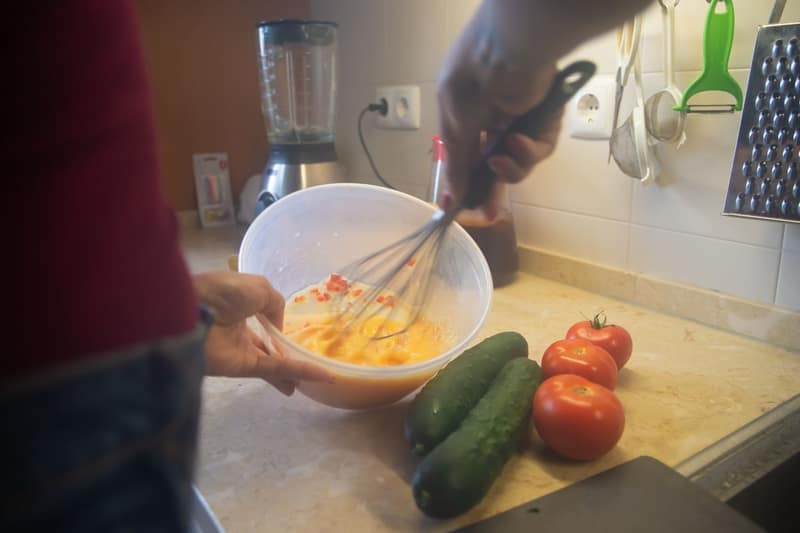
Heat the oven (opens in a new tab) to 180 °C and line two baking trays with baking paper or silicone mats. Whisk (opens in a new tab) the egg whites (opens in a new tab) with the sugar (opens in a new tab) just until frothy, then whisk in the melted butter (opens in a new tab), milk (opens in a new tab), vanilla (opens in a new tab), cinnamon (opens in a new tab) and salt. Fold in the flour to a smooth, pourable batter.
- 8 min
- 180°C
- Mixing bowl (opens in a new tab)
- Whisk (opens in a new tab)
- Baking tray / sheet (opens in a new tab)
How it looks · Photo: Kampus Production on Pexels Step 2
Spread 1 tablespoon of batter into a very thin 12 cm round with the back of a spoon. Bake only 3 or 4 at a time, for 6–8 minutes, until golden at the edges and pale in the centre.
- 30 min
- 180°C
- Oven (opens in a new tab)
Bake one test wafer first: if it cracks when rolled, the next ones need a minute less.
Step 3
Working fast while the wafers are hot, lift each with a spatula (opens in a new tab) and roll it tightly around the handle of a wooden spoon or a cannoli tube. Hold for a few seconds, slide off and cool on a rack. If they harden before rolling, return the tray to the oven (opens in a new tab) for 30 seconds.
Food safety: The wafers are very hot straight from the oven; handle them by the edges or wear thin cotton gloves.
Filling
10 minStep 4
Once the tubes are cold and crisp, pipe dulce de leche (opens in a new tab) into both ends until full. Dip the ends in melted chocolate (opens in a new tab) if you like and leave to set for 20 minutes.
At a glance
1 · Wafers in a bowl
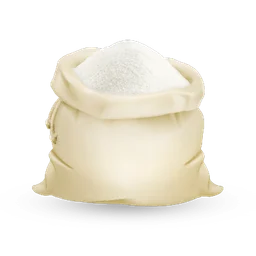 All-purpose flour
 Sugar
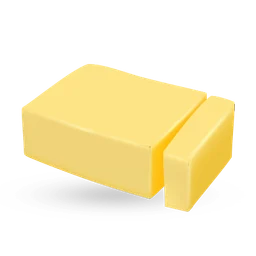 Butter
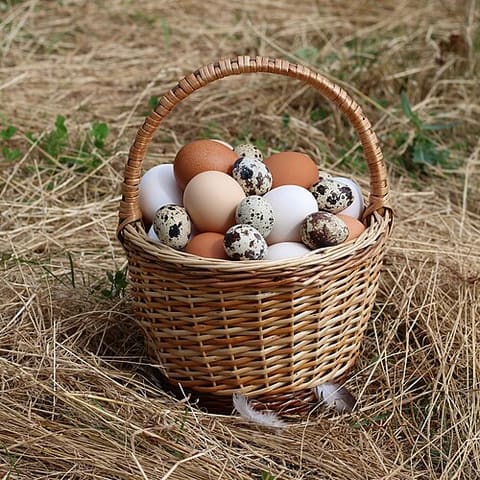 Egg white
 Milk
 Vanilla extract
 Cinnamon
 Salt
then pipe
2 · Filling in a bowl
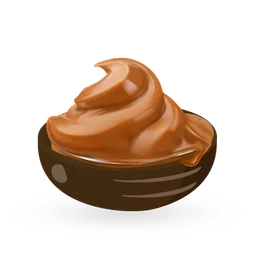 Dulce de leche
About this dish
- Origin
- Argentina · Commonly attributedSold across Argentina and Uruguay, often by the bag from kiosks and at the beach; the ends are sometimes dipped in chocolate.Also popular in UruguayMore food from Argentina
Argentina - Dish
- Snack · Dessert · Pastries · Sweets & confectionery
- Cooking method
- Oven-baked
- Taste
- sweet, buttery, aromatic / warmly spiced
- Diet
- Vegetarian (lacto-ovo)Without the optional extras: No nut ingredientsWorked out from the ingredients. How labels work
All labels
Vegetarian (lacto-ovo) · Eggetarian · Pescatarian · Flexitarian-friendly · Pork-free · Beef-free - Good for
- Child-friendly · Festive & celebration · Make-ahead
- Cook more with
- Vanilla extract · Dulce de leche · All-purpose flour · Sugar · Butter · Egg white
- Techniques
- Baking · Fermentation
Allergens
- Contains: Milkfrom butter, milk, dulce de leche, dark chocolate (70–85%)
- Contains: Eggsfrom egg white
- May contain: Peanutsfrom dark chocolate (70–85%)
- May contain: Tree nutsfrom dark chocolate (70–85%)
- Contains: Wheatfrom all-purpose flour
- Contains: Glutenfrom all-purpose flour
- May contain: Soyfrom dark chocolate (70–85%)
Based on typical versions of these ingredients and not verified allergen-free. Brands differ and cross-contact happens, so always check labels. For severe allergies, follow your clinician’s advice.
Nutrition
163 kcal per serving
Calculated1 serving ≈ 51 g · recipe makes 16
Where the energy comes from
- Protein 8%
- Carbohydrate 64%
- Fat 28%
| Nutrient | Per serving | Per 100 g* |
|---|---|---|
| Energy | 163 kcal | 320 kcal |
| Protein | 3.1 g | 6.1 g |
| Carbohydrate | 26.1 g | 51.4 g |
| Net carbohydrate | 25.9 g | 50.9 g |
| Sugars | 19 g | 37.3 g |
| Added sugars | 16.3 g | 31.9 g |
| Fibre | 0.2 g | 0.5 g |
| Fat | 5.1 g | 10 g |
| Saturated fat | 3.1 g | 6.2 g |
| Trans fat | — | — |
| Cholesterol | 16 mg | 31 mg |
| Sodium | 75 mg | 147 mg |
| Salt equivalent | 0.2 g | 0.4 g |
Vitamins & minerals per serving
- Potassium
- 109 mg
- Calcium
- 70 mg
- Iron
- 0.4 mg
- Magnesium
- 8 mg
- Vitamin A (RAE)
- 46 µg
- Vitamin C
- 1 mg
- Vitamin D
- 0.1 µg
- Vitamin B12
- 0.1 µg
- Folate (DFE)
- 25 µg
How these numbers were made
- Calculated from USDA FoodData Central (SR Legacy) per-100 g values and the listed quantities.
- *Per 100 g of combined raw ingredients; the cooked dish may weigh more or less.
- Optional ingredients are not included: dark chocolate (70–85%).
- “—” means the value isn’t known for enough of the ingredients; it is never zero by default.
- Values are estimates for guidance, not for medical dosing. U.S. Department of Agriculture, Agricultural Research Service. FoodData Central, 2019. fdc.nal.usda.gov.
Good to know
Tips
- Unfilled tubes keep crisp for a week in an airtight tin; fill them on the day you serve them.
Common mistakes
- Spreading the batter too thick, which makes soft wafers that tear instead of rolling.
Serve with
- Serve with mate or coffee, or pile on a birthday table with alfajores.
Storage
- Filled cubanitos are best within a day; keep in a cool place in an airtight box.
Variations
- Chocolate-dipped cubanitos: Both ends are dipped in melted chocolate or chocolate glaze.
- Cubanitos de crema: Filled with pastry cream or whipped cream instead of dulce de leche.
Original editorial recipe · FriendsPantry editorial · source: TasteAtlas (dish facts) · Not yet independently reviewed · Added
Sauces, chutneys & dips for this dish
Recipe DNA
How this dish is built
Built from the recipe’s own sections. Each band’s width is its share of the dish by weight. Choose a component to see what it does.
Reviews & corrections
Reviews come from signed-in cooks and appear after a moderator checks them. We never show made-up ratings.
You might also like
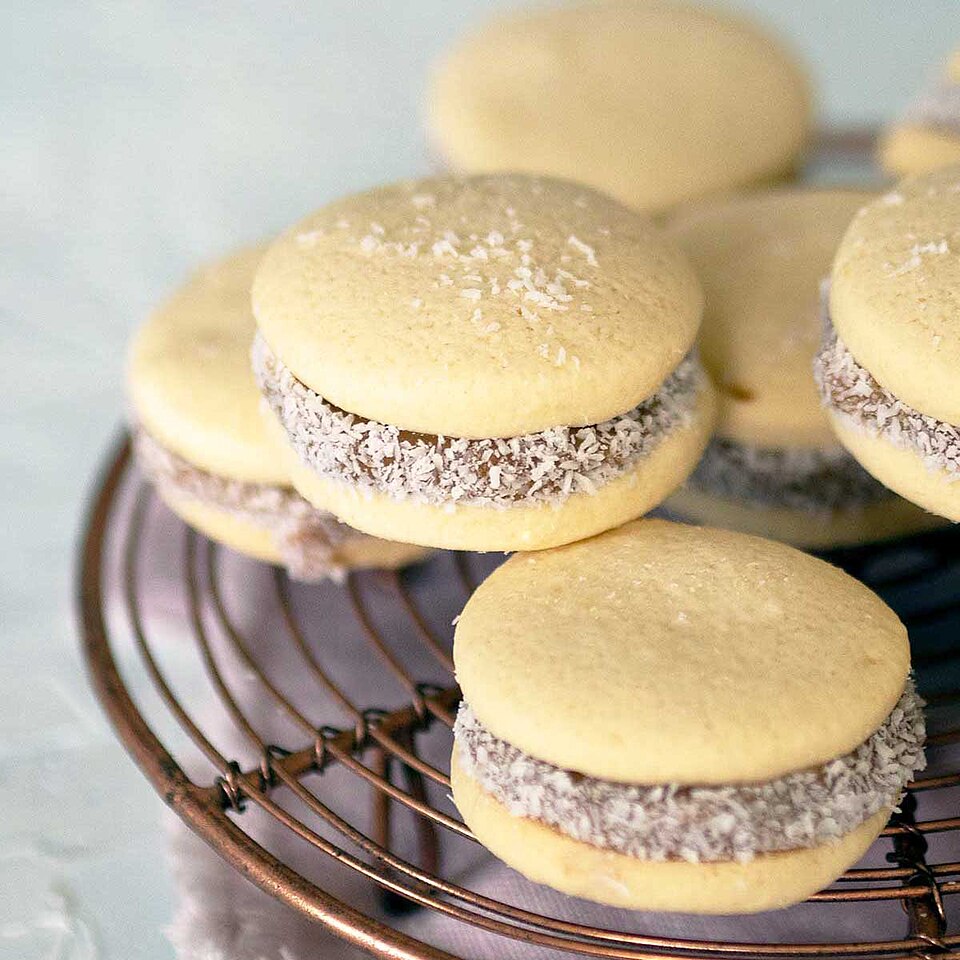
Alfajores de maicena
 Argentine · 1 h 50 min · 170 kcal · Contains egg
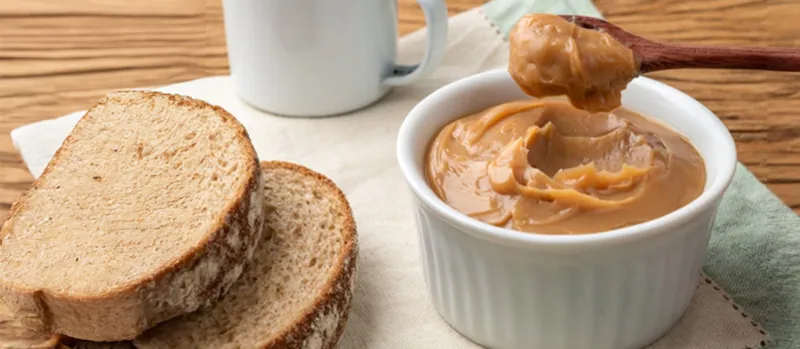
Homemade dulce de leche
Argentine · 2 h 55 min · 88 kcal · Vegetarian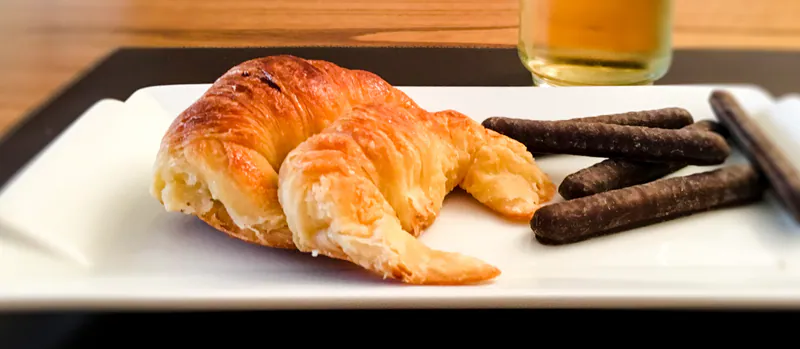
Medialunas (Argentine croissants)
Argentine · 5 h 15 min · 189 kcal · Contains egg
Bolas de fraile (dulce de leche filled doughnuts)
 Uruguayan · 2 h 55 min · 344 kcal · Contains egg