
 Swiss · French · Main courses
Cordon bleu
Non-vegetarian
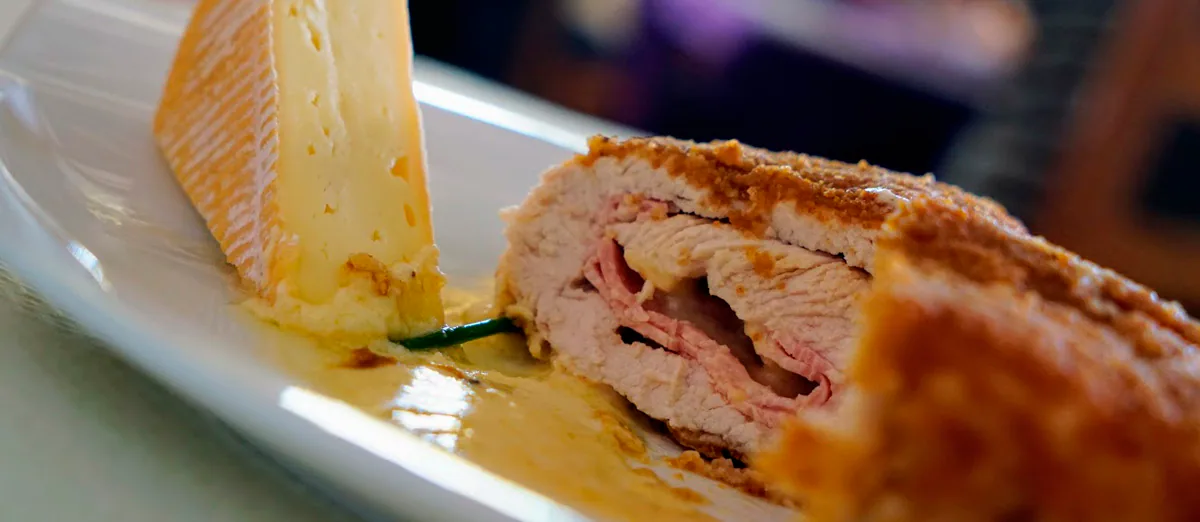
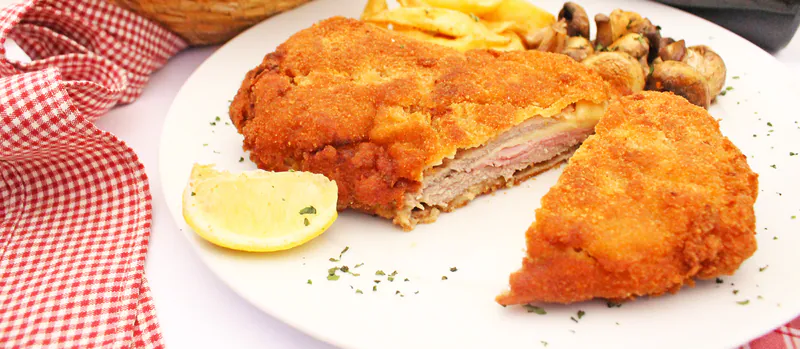
Thin veal or pork escalopes sandwiched around ham and Gruyère, breaded and shallow-fried in butter until the crumb is golden and the cheese runs. A Swiss restaurant classic served with chips or rösti and a wedge of lemon.
Cordon bleu is a Swiss main course from Switzerland, ready in about 50 minutes and made with veal cutlet, ham and gruyère. It serves 4 and is rated intermediate to cook.
- Prep
- 25 min
- Cook
- 15 min
- Rest
- 10 min
- Total
- 50 min
- Serves
- 4
- Level
- Intermediate
- Calories
- 609
Main ingredients
Ingredients
For the cutlets
For the filling
For the coating
For frying
To serve
Method
Cutlets
8 minStep 1
Lay the escalopes between two sheets of cling film and beat them with a meat mallet or rolling pin to an even 4 mm thickness. Season lightly on both sides.
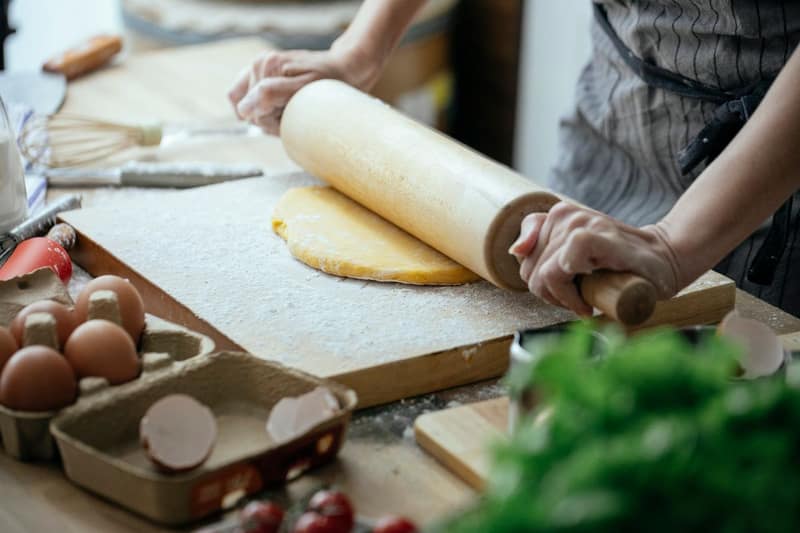
How it looks · Photo: Katerina Holmes on Pexels
Filling
5 minStep 2
On four of the escalopes, lay a slice of ham (opens in a new tab) and a slice of cheese, folded if needed so they stay 1 cm inside the edges. Cover with the remaining escalopes and press the edges firmly together, beating them lightly so they stick.
- 5 min
A well-sealed edge keeps the cheese from leaking out.
Coating
7 minStep 3
Put the flour, beaten egg (opens in a new tab) and breadcrumbs (opens in a new tab) in three shallow dishes. Dip each cutlet in flour, shaking off the excess, then egg, then breadcrumbs, pressing gently so the crumbs coat the edges too. Rest on a rack for 10 minutes so the coating sets.
- 7 min
Frying
15 minStep 4
Heat the oil and butter (opens in a new tab) in a large frying pan over medium heat until the butter foams. Fry the cutlets two at a time, 4–5 minutes per side, until deep golden and the cheese is melted inside. Drain briefly on kitchen paper.
Too hot and the crumbs burn before the cheese melts; keep the heat at medium.
To serve
1 minStep 5
Serve at once with lemon (opens in a new tab) wedges.
- 1 min

How it looks · Photo: Willians Huerta on Pexels
At a glance
1 · Cutlets in a bowl
 Veal cutlet
 Salt
 Black pepper
then lay
2 · Filling in a bowl
 Ham
 Gruyère
then put
3 · Coating in a bowl
 All-purpose flour
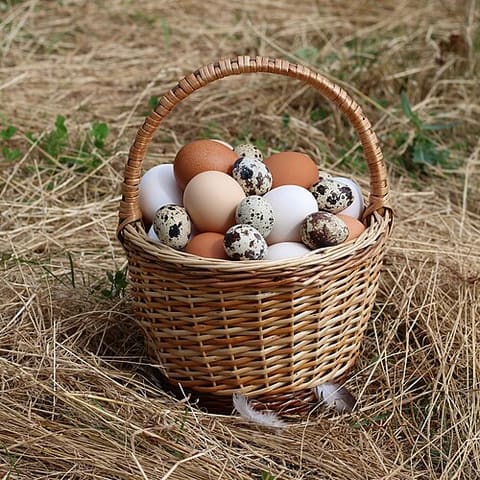 Egg
 Breadcrumbs
then heat
4 · Frying in a pan
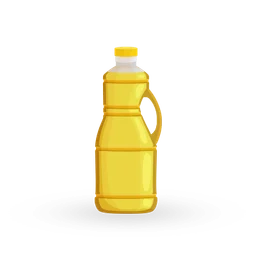 Neutral vegetable oil
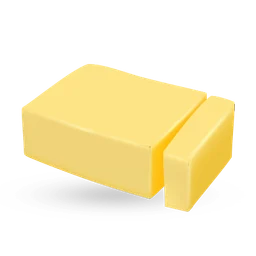 Butter
then serve
5 · To serve in a bowl
 Lemon
About this dish
- Origin
- Switzerland · Commonly attributedCheese-filled breaded cutlets appear in Swiss cookbooks from the mid-20th century. The name, 'blue ribbon', recalls a mark of excellence in French cooking. Chicken cordon bleu, rolled around the filling, became popular in the United States.Also popular in Austria, Germany, France, United StatesMore food from Switzerland
Switzerland - Dish
- Lunch · Dinner · Main courses
- Cooking method
- Shallow-fried
- Taste
- savoury, rich, buttery, salty
- Diet
- No nut ingredients · Low-carb · High-proteinWith the listed swaps: Beef-freeWorked out from the ingredients. How labels work
All labels
Non-vegetarian · No nut ingredients · No added sugar · Alcohol-free · Low-carb · High-protein - Good for
- Festive & celebration · Child-friendly
- Cook more with
- Veal cutlet · Ham · Gruyère · All-purpose flour · Egg · Breadcrumbs
- Techniques
- Shallow-frying
Allergens
- Contains: Milkfrom gruyère, breadcrumbs, butter
- Contains: Eggsfrom egg
- Contains: Wheatfrom all-purpose flour, breadcrumbs
- Contains: Glutenfrom all-purpose flour, breadcrumbs
- May contain: Soyfrom breadcrumbs
- May contain: Sesamefrom breadcrumbs
Based on typical versions of these ingredients and not verified allergen-free. Brands differ and cross-contact happens, so always check labels. For severe allergies, follow your clinician’s advice.
Nutrition
609 kcal per serving
Calculated1 serving ≈ 306 g · recipe makes 4
Where the energy comes from
- Protein 36%
- Carbohydrate 13%
- Fat 51%
| Nutrient | Per serving | Per 100 g* |
|---|---|---|
| Energy | 609 kcal | 199 kcal |
| Protein | 55.2 g | 18.1 g |
| Carbohydrate | 19.9 g | 6.5 g |
| Net carbohydrate | 17.9 g | 5.9 g |
| Sugars | 2.1 g | 0.7 g |
| Added sugars | 0 g | 0 g |
| Fibre | 2 g | 0.6 g |
| Fat | 34.5 g | 11.3 g |
| Saturated fat | 13.8 g | 4.5 g |
| Trans fat | — | — |
| Cholesterol | 253 mg | 83 mg |
| Sodium | 1245 mg | 407 mg |
| Salt equivalent | 3.1 g | 1 g |
Vitamins & minerals per serving
- Potassium
- 651 mg
- Calcium
- 373 mg
- Iron
- 3.3 mg
- Magnesium
- 79 mg
- Vitamin A (RAE)
- 190 µg
- Vitamin C
- 12 mg
- Vitamin D
- 1.8 µg
- Vitamin B12
- 4.2 µg
- Folate (DFE)
- 69 µg
How these numbers were made
- Calculated from USDA FoodData Central (SR Legacy) per-100 g values and the listed quantities.
- *Per 100 g of combined raw ingredients; the cooked dish may weigh more or less.
- “—” means the value isn’t known for enough of the ingredients; it is never zero by default.
- Values are estimates for guidance, not for medical dosing. U.S. Department of Agriculture, Agricultural Research Service. FoodData Central, 2019. fdc.nal.usda.gov.
Good to know
Tips
- Ask the butcher to butterfly one large escalope per person instead of using two thin ones; fill it and fold it closed like a book.
- Use cheese that melts well; Gruyère, Emmental or raclette are typical in Switzerland.
Common mistakes
- Overfilling, so the cheese escapes into the pan.
- Frying over high heat, which burns the crumbs before the centre is hot.
Serve with
- Serve with chips, rösti or buttered noodles and a green salad.
- Add cranberry or lingonberry sauce on the side, as some Swiss and Austrian restaurants do.
Food safety
- Cook pork and chicken versions until the centre reaches 71 °C (pork) or 74 °C (chicken).
Storage
- Best eaten freshly fried. Leftovers keep 2 days refrigerated.
Reheating
- Reheat on a rack in a 190 °C oven for 12–15 minutes to keep the crust crisp.
Variations
- Chicken cordon bleu (United States): A pounded chicken breast rolled around ham and Swiss cheese, breaded and baked or fried.
- Pork cordon bleu (Schweins-Cordon-bleu) (Switzerland): Made with pork loin; the everyday Swiss version.
- Cordon bleu with raclette: Raclette cheese and sometimes a few gherkins inside.
Original editorial recipe · FriendsPantry editorial · source: TasteAtlas (dish facts) · Not yet independently reviewed · Added
Recipe DNA
How this dish is built
Reviews & corrections
Reviews come from signed-in cooks and appear after a moderator checks them. We never show made-up ratings.
You might also like
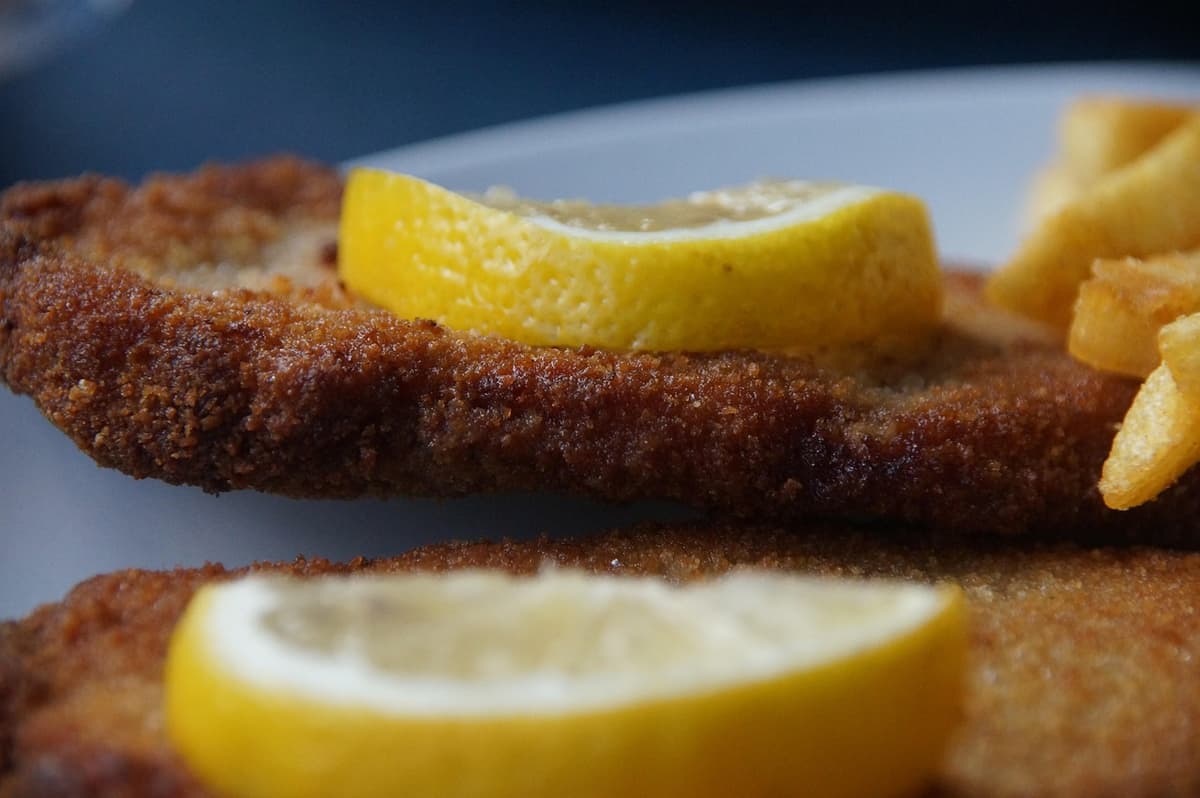
Wiener Schnitzel
 Austrian · 35 min · 574 kcal
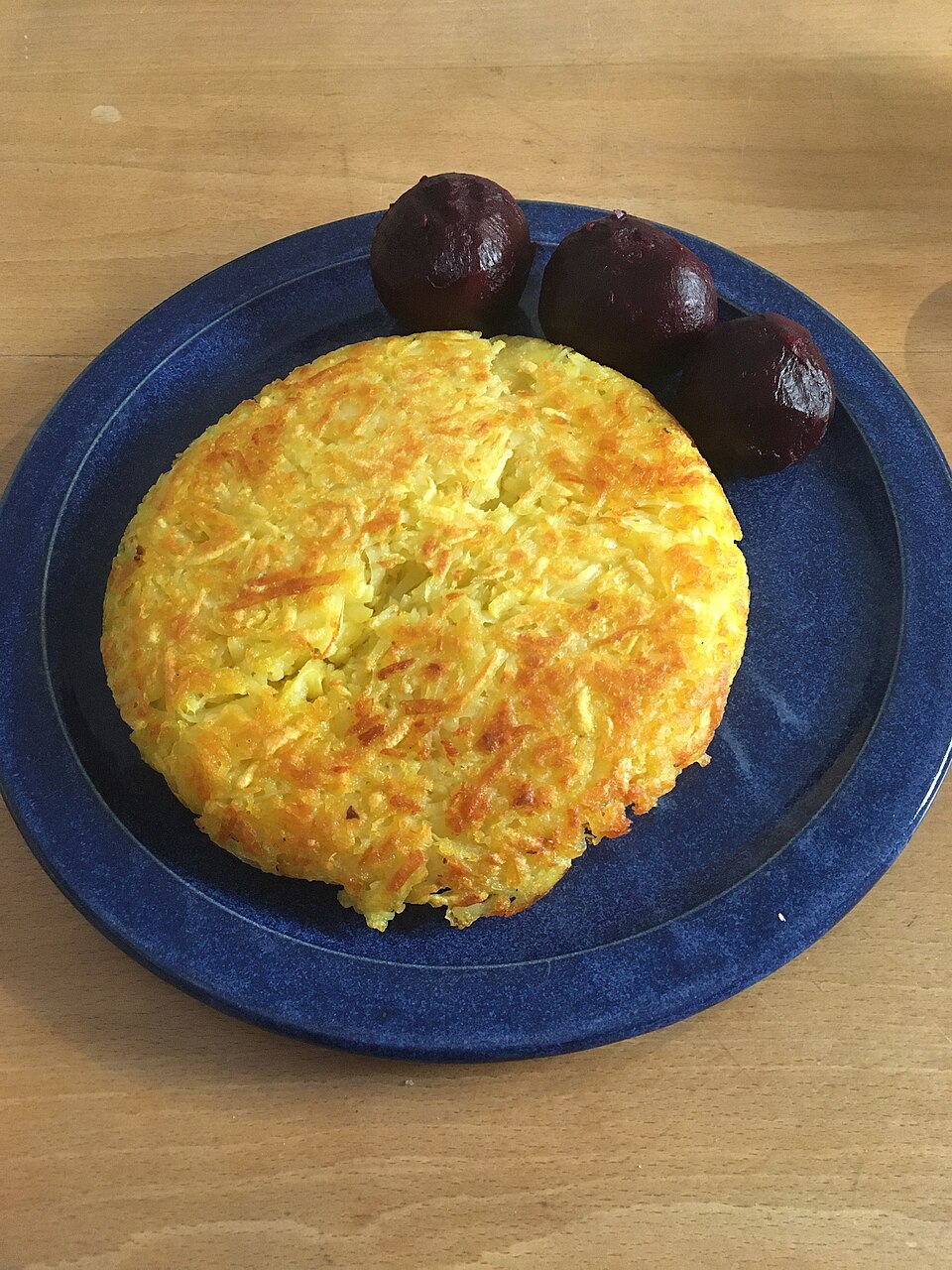
Rösti
Swiss · 2 h 50 min · 226 kcal · Vegetarian
Simple Green Salad with Mustard Vinaigrette
International · 10 min · 110 kcal · Vegetarian
Zagrebački odrezak (Zagreb veal schnitzel with ham and cheese)
 Croatian · 45 min · 708 kcal