
Indian · regional cuisine
Sikkimese
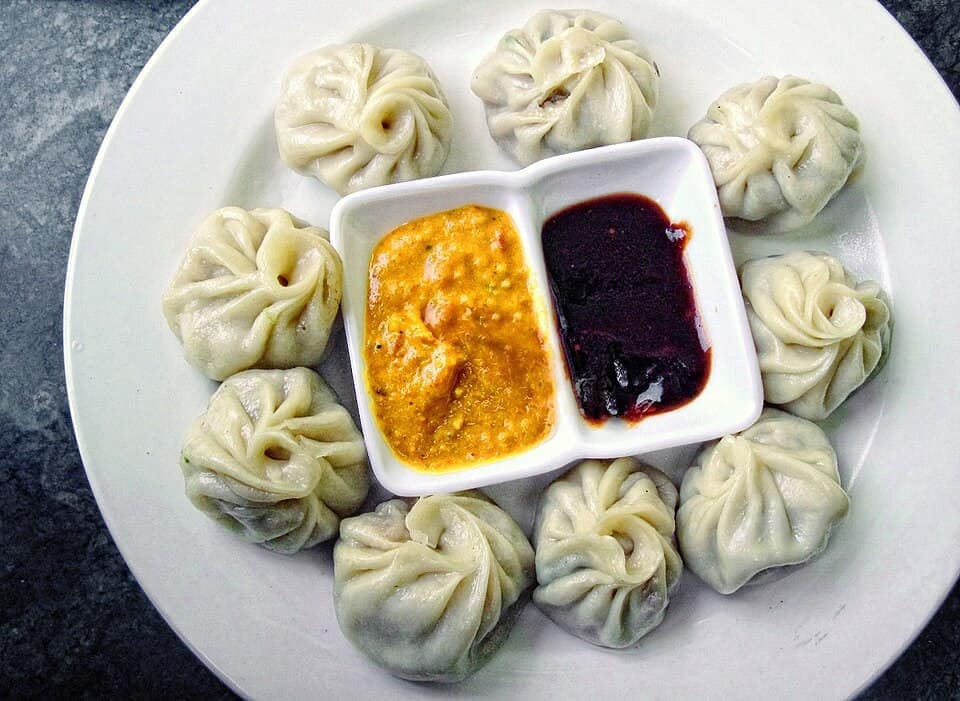
A Himalayan mix of Lepcha, Bhutia and Nepali cooking: fermented greens (gundruk, sinki), kinema, chhurpi cheese, momos and noodle soups, and dalle khursani chilli.
Flavour character: Sour (fermented greens), savoury and warming, with the fruity, intense heat of dalle khursani and the citrusy tingle of timur.
History
Sikkim was a Buddhist kingdom ruled by the Namgyal Chogyals until it joined India in 1975. The Lepcha are the earliest inhabitants, the Bhutia brought Tibetan foods (thukpa, momo, butter tea), and Nepali settlers, now the majority, brought dal-bhat, gundruk and sel roti. Fermented foods (gundruk from leafy greens, sinki from radish, kinema from soybean) preserve harvests through winter. Sikkim was declared a fully organic farming state in 2016.
Well documented
Geography and influences
A small, steep Himalayan state rising from subtropical valleys to Kangchenjunga; terraced rice, maize, millet, buckwheat, cardamom and ginger.
- Lepcha forest food
- Bhutia and Tibetan cooking
- Nepali hill cooking
- Buddhist monastery culture
Regional variations
- Bhutia
- Phagshapa, gya thuk, momo, butter tea.
- Lepcha
- Forest greens, bamboo shoot, fermented foods, millet beer.
- Nepali Sikkimese
- Dal-bhat, gundruk, sinki, kinema, sel roti.
Festive and seasonal food
- Losar (Bhutia and Tibetan new year): khapse fried biscuits
- Losoong (Bhutia harvest, December)
- Dashain and Tihar (Nepali): sel roti and meat
- Maghe Sankranti: yam, sweet potato and sesame
Signature dishes
Not on the site yet: Gundruk soup, Sinki, Kinema curry, Chhurpi soup (churpi ningro), Shaphaley, Thukpa, Chhang / tongba (millet beer)
 Indian · 72 h 25 min · 18 kcal ·