Cuisine
Egyptian
A Nile-valley cuisine of beans, lentils, rice, bread and vegetables: ful medames, ta'ameya, koshari and molokhia, with many dishes that are vegan because of Coptic fasting.
Flavour character: Earthy and savoury: cumin, coriander and garlic, often fried together (ta'leya); vinegar and lemon brightness; tahini and olive oil; simple but generous.
History
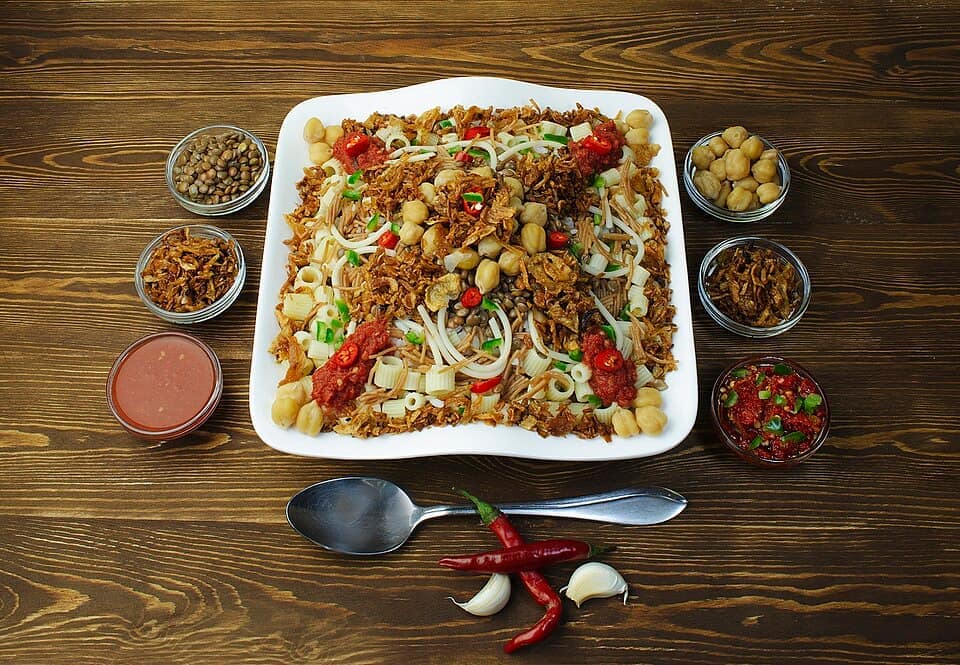
Bread, beer, onions, garlic, lentils and broad beans were staples of ancient Egypt, and Egyptian 'aish' (bread) still means life. Arab, Ottoman and later European rule added rice pilafs, stuffed vegetables (mahshi), pastries and coffee. Koshari is a 19th- to early-20th-century street dish combining rice, lentils and pasta, often linked to Indian khichdi and Italian pasta. Frequent Coptic Christian fasting days encourage plant-based dishes such as ta'ameya made from broad beans.
Commonly told; not firmly documented
Geography and influences
The narrow, fertile Nile valley and delta in the middle of desert, with Mediterranean and Red Sea coasts.
- Ancient Egyptian agriculture
- Arab and Ottoman cooking
- Levantine neighbours
- Greek and Italian communities in Alexandria and Cairo
Regional variations
- Alexandria and the coast
- Seafood, sayadeya (fish with spiced rice) and Greek-Italian influences.
- Upper Egypt (Saʿid)
- Hotter, simpler rural cooking with sun-baked breads.
- Nubia
- Distinct cooking with okra, dried fish and millet breads.
Festive and seasonal food
- Feseekh and coloured eggs at Sham el-Nessim (spring festival)
- Fattah at Eid al-Adha
- Kahk biscuits at Eid al-Fitr
- Ful medames at suhoor in Ramadan
Signature dishes
- Ful medames
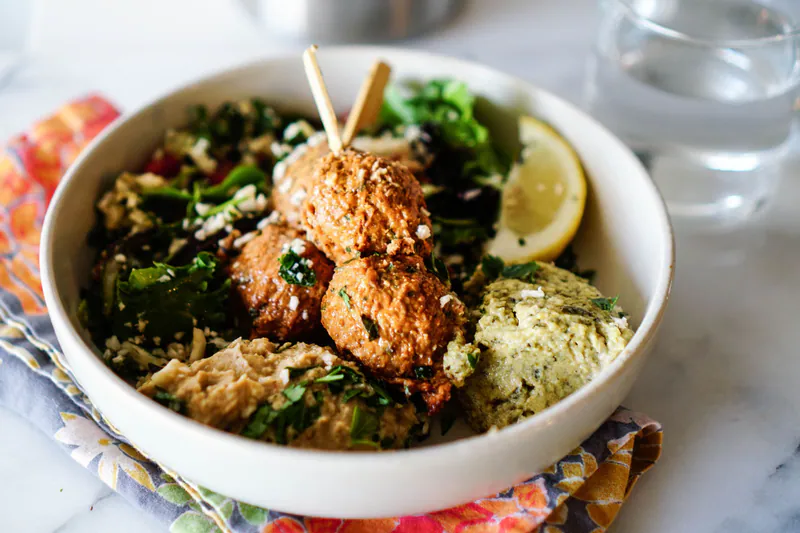
- Ta'ameya (Egyptian fava bean falafel)
- Koshari
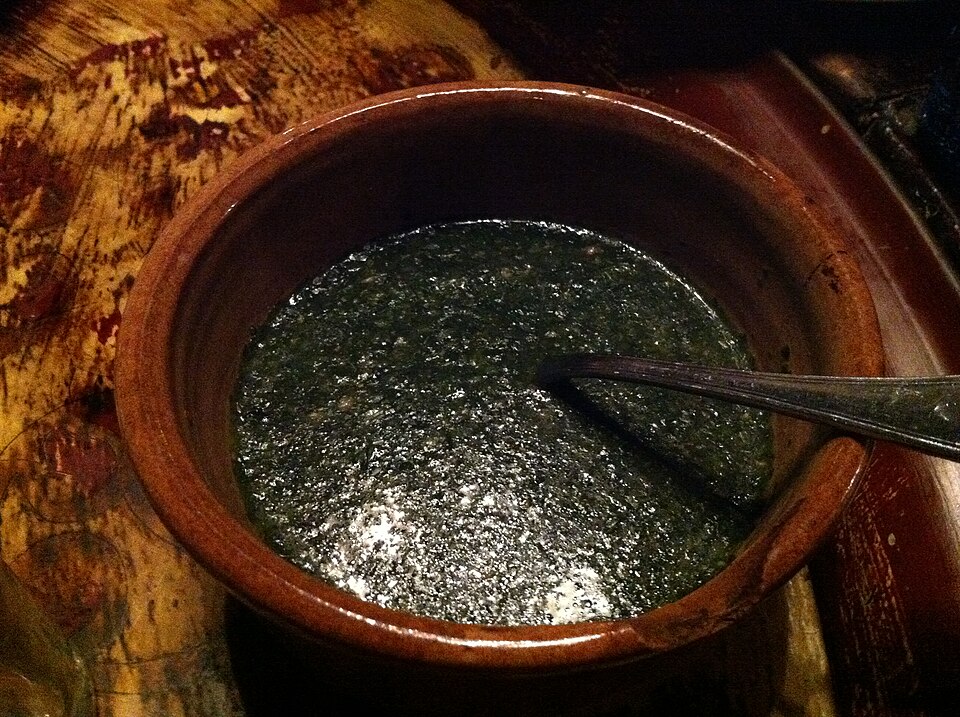
- Egyptian molokhia
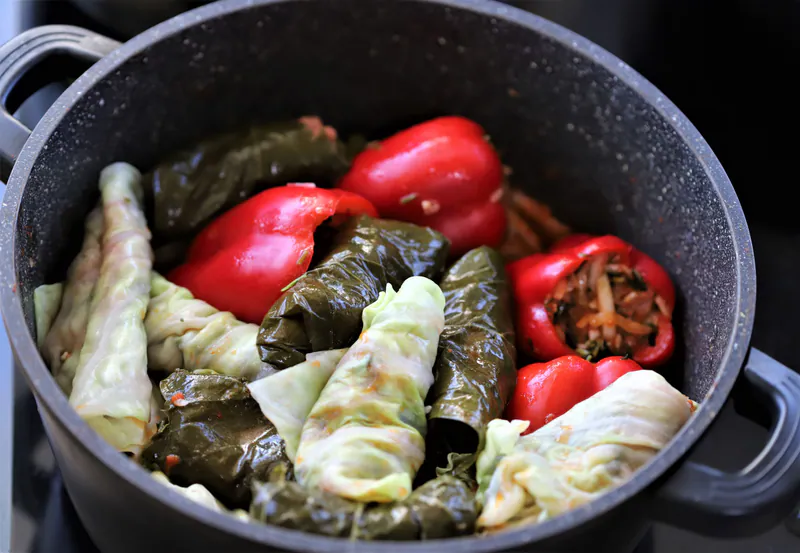
- Egyptian mahshi (stuffed vegetables)
- Hawawshi
- Feteer meshaltet
- Shorbet ads (Egyptian lentil soup)
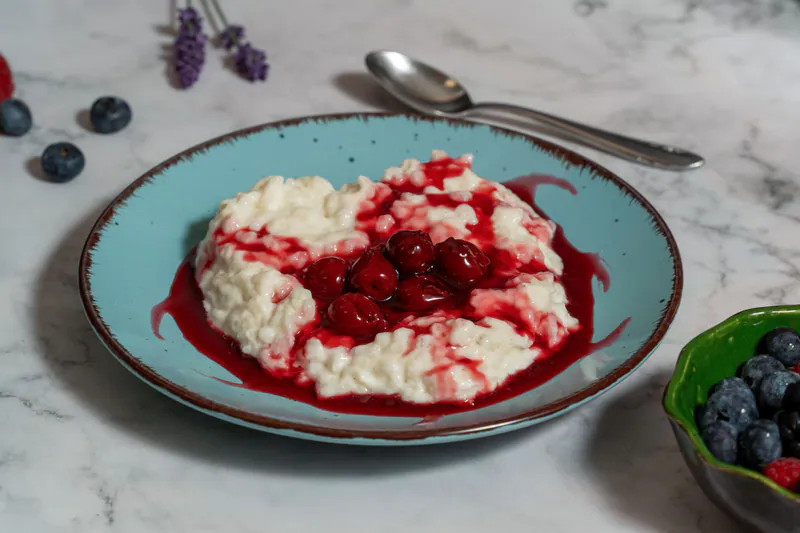
- Roz bel laban (Egyptian rice pudding)
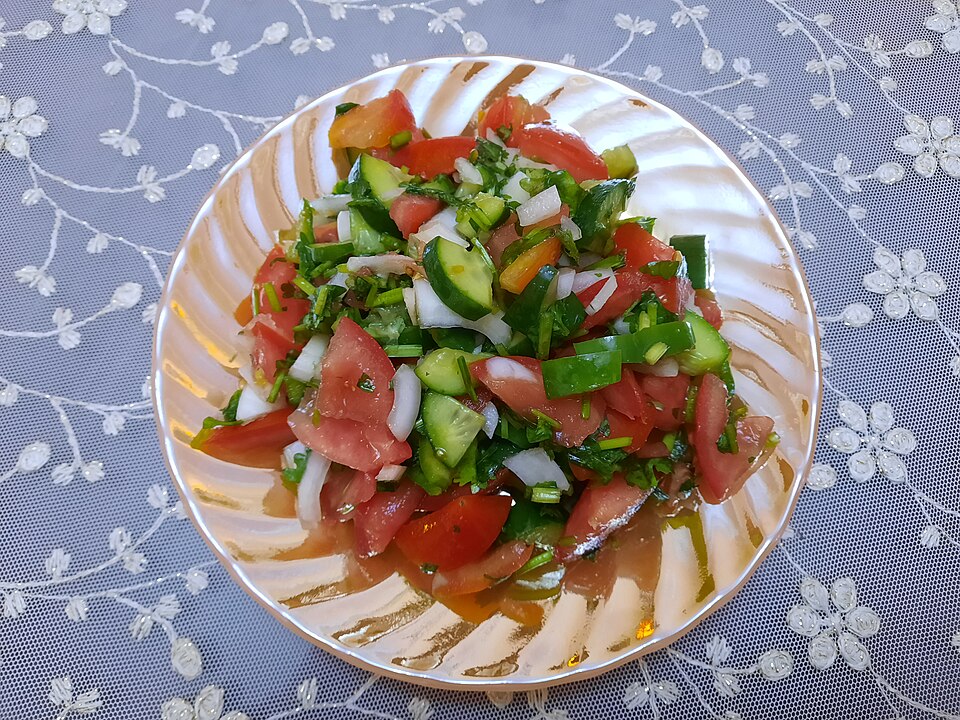
- Salata baladi
Not on the site yet: Fattah (at Eid al-Adha), Mesaqa'a, Feseekh (fermented fish), Om Ali
 Egyptian · 1 h 15 min · 225 kcal ·