
Fruits · Dried fruit
Dried jujubes
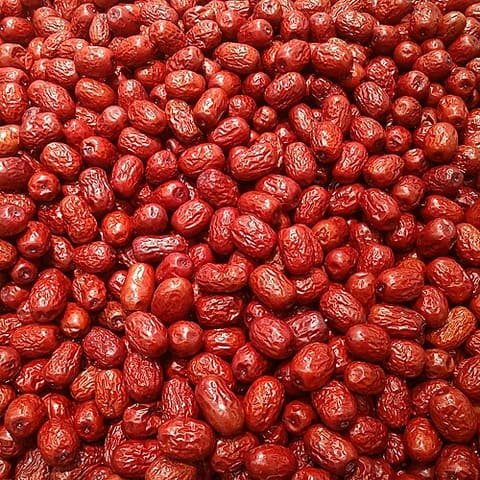
Dried red jujubes ('red dates'); sweet, apple-like fruit simmered in Chinese and Korean soups, teas and rice.
Also called: jujube dates, red dates, chinese dates, daechu, hong zao
Around the world: 대추, daechu (ko) · 红枣, hong zao (zh)
Photo: Fumikas Sagisavas, via Wikimedia Commons (CC0-1.0)
What it is
Jujubes are small oval fruits of the jujube tree, sold dried with wrinkled, shiny dark-red skin and a hard stone. Despite the name 'red dates' they are not related to date palms: they are drier, spongier and less sweet, with an apple-like flavour. Fresh jujubes are crisp and green to brown.
Ziziphus jujuba
How it’s used
- Simmered in Korean samgyetang and Chinese soups
- Brewed into jujube tea (daechu-cha)
- Cooked into sweet rice dishes such as yaksik
- Sliced as a garnish for Korean dishes
Characteristics
Storage
Cool, dry and dark. Keep sealed in a cool, dry place or the fridge; discard if mouldy or insect-damaged.
Diet, allergens and safety
No major allergens in typical versions.
- Vegetarian
- Vegan
- Dairy-free
- Egg-free
- Gluten-free
- Nut-free
- Soy-free
- Caffeine-free
Nutrition per 100 g
- Energy
- 281 kcal
- Protein
- 4.72 g
- Carbohydrate
- 72.52 g
- Fat
- 0.5 g
- Fibre
- 6 g
- Sugars
- — g
USDA FoodData Central: Jujube, Chinese, fresh, dried.
Substitutes
Optional — what works if you don’t have it, and how it changes the dish.
- Dates — In soups and teas; much sweeter, so use fewer.
Related ingredients
Recipes with dried jujubes
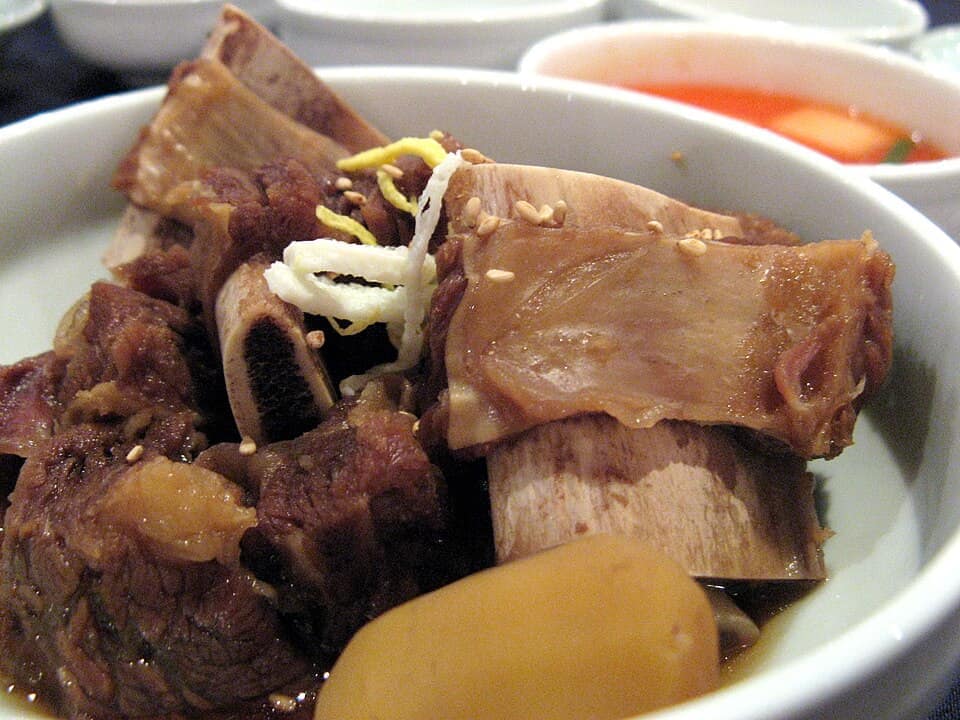
Galbi-jjim
 Korean · 2 h 40 min · 599 kcal
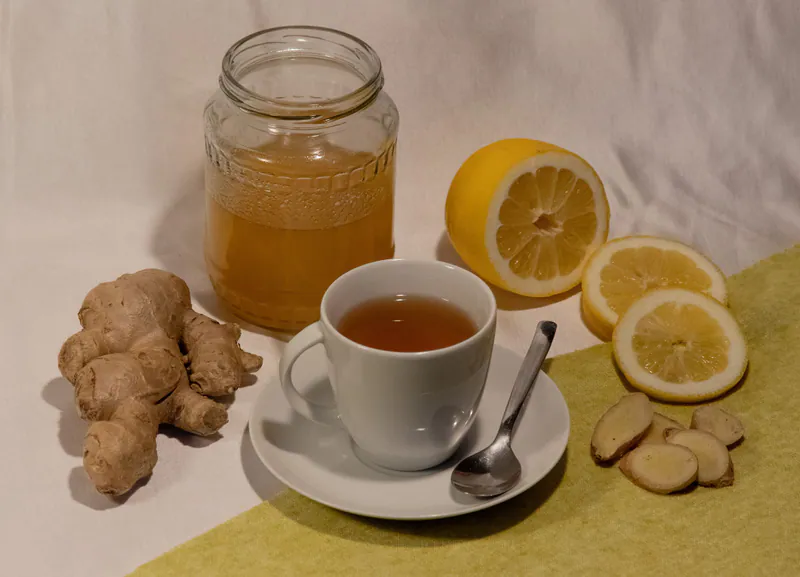
Saenggang-cha
Korean · 35 min · 50 kcal · Vegetarian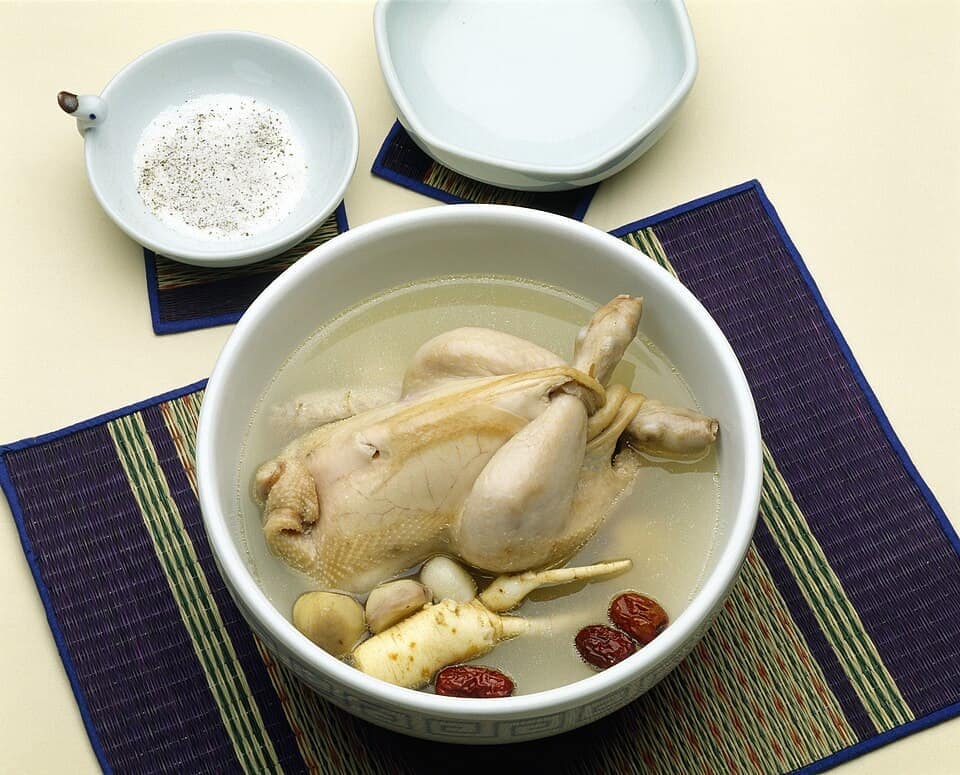
Samgyetang
Korean · 2 h · 905 kcal
More dried fruit
Dried fruit
Dried cranberries
Tart cranberries dried with added sugar, chewy and red; used like raisins in baking, salads and granola.
No recipes yet
Dried fruit
Dates
Sticky-sweet dried fruit of the date palm; eaten whole, stuffed, or blended to sweeten bakes and smoothies.
14 recipes
Dried fruit
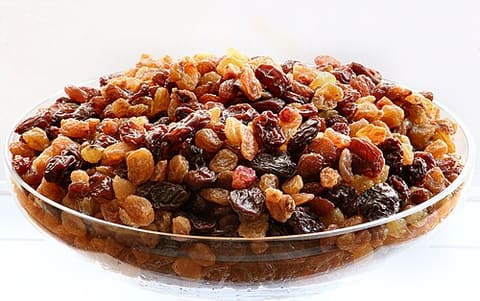
Raisins
Dried grapes, dark or golden; sweet and chewy for baking, pilafs, curries and snacks.
54 recipes
Dried fruit
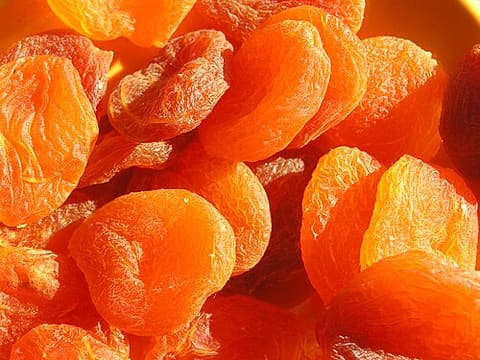
Dried apricots
Dried apricot halves, chewy and sweet-tart; used in tagines, pilafs, baking and snacking.
3 recipes
Dried fruit
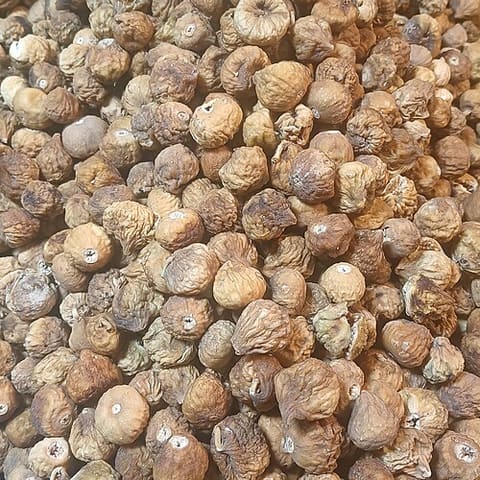
Dried figs
Chewy, sweet dried figs full of crunchy seeds; for snacking, baking, compotes and cheese boards.
1 recipe
Dried fruit
Dried barberries
Tiny, ruby-red dried berries (zereshk) with a sharp, sour taste; essential to Persian jeweled rice and zereshk polow.
2 recipes
Dried fruit
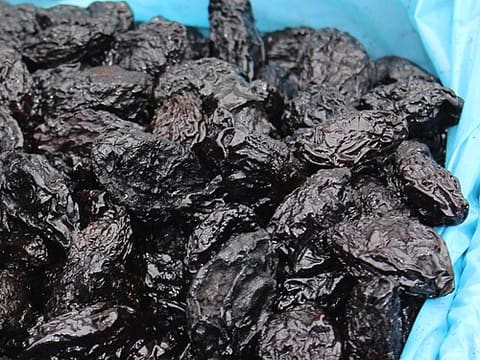
Prunes
Dried plums: dark, soft and sticky-sweet; stewed, baked and used in savoury braises.
6 recipes
Dried fruit
Aloo bukhara (dried sour plums)
Small dried sour plums that add a sweet-tart tang to Sindhi and Dhakai biryanis, kormas and chutneys.
2 recipes