
 Iranian · Condiments, chutneys & relishes
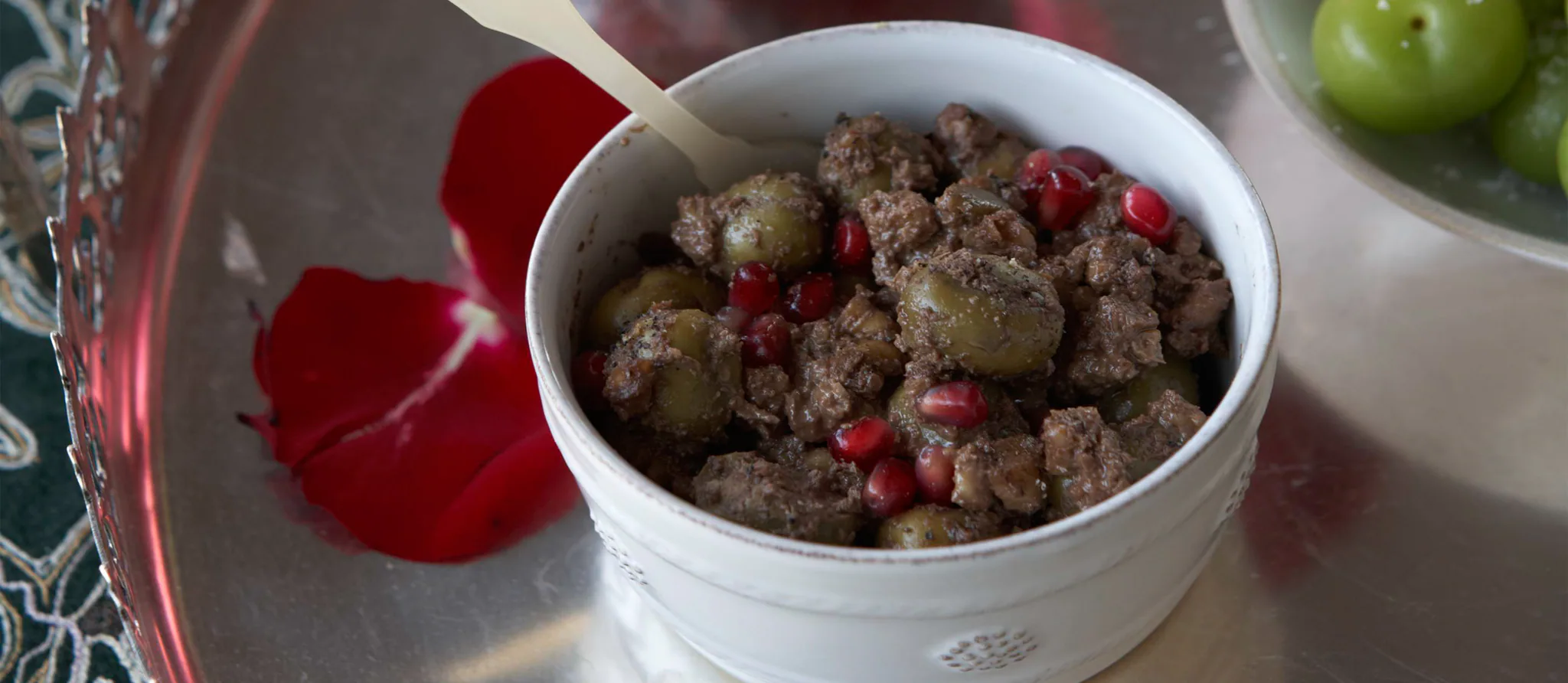
Zeytoon parvardeh (olives with walnuts and pomegranate)
Vegetarian
زیتون پرورده · zeytun parvarde
Green olives marinated in a thick paste of ground walnuts, pomegranate molasses, garlic and fresh herbs, sharp, sweet and nutty all at once. A meze and side dish from Iran's Caspian province of Gilan, eaten with flatbread or alongside kebabs and rice.
Zeytoon parvardeh (olives with walnuts and pomegranate) is an Iranian starter, ready in about 2 hours 15 minutes and made with green olives, walnuts and pomegranate molasses. It serves 6 and is rated easy to cook.
- Prep
- 15 min
- Cook
- 0 min
- Rest
- 2 h
- Total
- 2 h 15 min
- Serves
- 6
- Level
- Easy
- Calories
- 263
Best after marinating overnight.
Main ingredients
Ingredients
For the walnut paste
To serve
Method
Walnut paste
13 minStep 1
If the olives are very salty, soak them in cold water for 30 minutes, then drain and pat dry. Halve any large ones.
- 3 min
Step 2
Pound or pulse the walnuts (opens in a new tab) to a coarse, slightly pasty crumb; a little texture is good.
Step 3
Mix the walnuts (opens in a new tab) with the pomegranate molasses (opens in a new tab), garlic (opens in a new tab), mint (opens in a new tab), coriander and olive oil (opens in a new tab) to a thick paste. Taste and add salt only if needed; the olives are already salty.
Step 4
Fold in the olives until each one is coated. Pack into a jar, cover and refrigerate for at least 2 hours, ideally overnight, so the olives absorb the flavours.
To serve
2 minStep 5
Bring to room temperature and scatter with pomegranate seeds (opens in a new tab) before serving.
- 2 min
At a glance
1 · Walnut paste in a bowl
 Walnuts
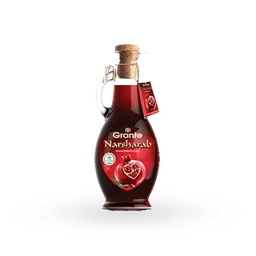 Pomegranate molasses
 Garlic
 Mint
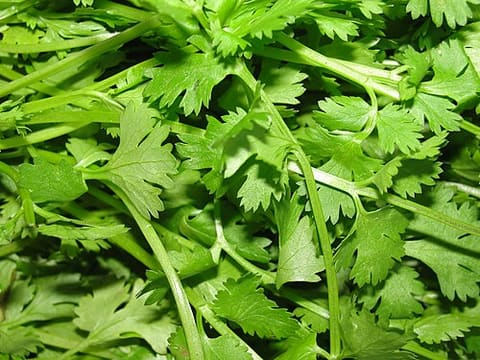 Coriander leaves
 Olive oil
 Salt
then bring
2 · To serve in a bowl
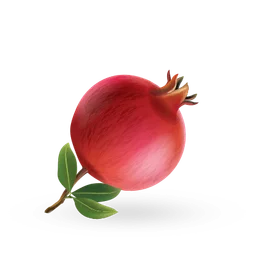 Pomegranate
About this dish
- Origin
- Gilan and the Caspian coast, around the olive groves of Rudbar, Iran · Well documentedParvardeh means 'nurtured' or 'cured'; the dish uses the olives grown in the Sefid Rud valley of Gilan. Many families add golpar (Persian hogweed) or chuchaq, a local wild herb.More food from Iran
Iran - Dish
- Lunch · Dinner · Snack · Appetizers & starters · Side dishes · Condiments, chutneys & relishes
- Cooking method
- No-cook, Marinated / cured
- Taste
- tangy, nutty, salty, herby
- Diet
- Vegan · No gluten ingredients · Dairy-free · Low-carbWorked out from the ingredients. How labels work
All labels
Vegan · Plant-based · Vegetarian (lacto-ovo) · Eggetarian · Lacto-vegetarian · Ovo-vegetarian · Pescatarian · Flexitarian-friendly · Whole-food focused · Paleo-style · No gluten ingredients · Dairy-free · Egg-free · No added sugar · Alcohol-free · Pork-free · Beef-free · Mediterranean-style · Low-carb - Good for
- Make-ahead · Portable / lunchbox
- Cook more with
- Green olives · Walnuts · Pomegranate molasses · Garlic · Mint · Coriander leaves
- Techniques
- Marinating · Curing
Allergens
- Contains: Tree nutsfrom walnuts
Based on typical versions of these ingredients and not verified allergen-free. Brands differ and cross-contact happens, so always check labels. For severe allergies, follow your clinician’s advice.
Nutrition
263 kcal per serving
Estimated1 serving ≈ 90 g · recipe makes 6
Where the energy comes from
- Protein 5%
- Carbohydrate 21%
- Fat 74%
| Nutrient | Per serving | Per 100 g* |
|---|---|---|
| Energy | 263 kcal | 292 kcal |
| Protein | 3.2 g | 3.6 g |
| Carbohydrate | 14.8 g | 16.4 g |
| Net carbohydrate | 11.8 g | 13.1 g |
| Sugars | 10.7 g | 11.8 g |
| Added sugars | 0 g | 0 g |
| Fibre | 3 g | 3.3 g |
| Fat | 23.1 g | 25.6 g |
| Saturated fat | 2.7 g | 3 g |
| Trans fat | — | — |
| Cholesterol | 0 mg | 0 mg |
| Sodium | 882 mg | 978 mg |
| Salt equivalent | 2.2 g | 2.4 g |
Vitamins & minerals per serving
- Potassium
- 315 mg
- Calcium
- 77 mg
- Iron
- 1.6 mg
- Magnesium
- 66 mg
- Vitamin A (RAE)
- 22 µg
- Vitamin C
- 2 mg
- Vitamin D
- 0 µg
- Vitamin B12
- 0 µg
- Folate (DFE)
- 21 µg
How these numbers were made
- Calculated from USDA FoodData Central (SR Legacy) per-100 g values and the listed quantities.
- *Per 100 g of combined raw ingredients; the cooked dish may weigh more or less.
- Optional ingredients are not included: pomegranate.
- Pomegranate molasses: Molasses (FDC 168820) as a stand-in for a concentrated fruit syrup of similar sugar density.
- “—” means the value isn’t known for enough of the ingredients; it is never zero by default.
- Values are estimates for guidance, not for medical dosing. U.S. Department of Agriculture, Agricultural Research Service. FoodData Central, 2019. fdc.nal.usda.gov.
Good to know
Tips
- Taste your pomegranate molasses: sweet supermarket brands may need a squeeze of lemon to get the proper sour edge.
- Add ½ tsp ground golpar if you can find it, for the authentic Gilani aroma.
Common mistakes
- Grinding the walnuts to a smooth butter, which makes the dish heavy.
Serve with
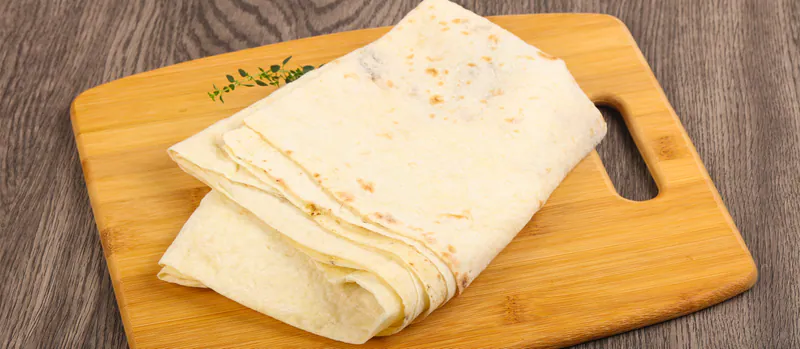
- Serve with lavash or sangak bread, fresh herbs (sabzi khordan) and feta.
- A classic side for kebabs and Gilani dishes such as mirza ghasemi and kateh.
Storage
- Keeps 1 week refrigerated in a covered jar, topped with a thin layer of olive oil.
Variations
- With golpar: Ground Persian hogweed seeds add a warm, resinous note typical of Gilan.
- Black olive parvardeh: Made with black olives for a milder, earthier version.
Original editorial recipe · FriendsPantry editorial · source: TasteAtlas (dish facts) · Not yet independently reviewed · Added
Sauces, chutneys & dips for this dish
Recipe DNA
How this dish is built
Built from the recipe’s own sections. Each band’s width is its share of the dish by weight. Choose a component to see what it does.
What the dish is built around
Main ingredient
- Green olives, pitted, rinsed and drained300 g
Reviews & corrections
Reviews come from signed-in cooks and appear after a moderator checks them. We never show made-up ratings.
You might also like
Kashk-e bademjan
Iranian · 1 h · 224 kcal · Vegetarian
Chelow kabab (saffron rice with kabab koobideh)
Iranian · 2 h 5 min · 1013 kcal
Kabab torsh (Gilani sour kebab)
Iranian · 6 h 32 min · 655 kcal
Kuku sabzi
Iranian · 55 min · 215 kcal · Contains egg