
 Moroccan · Maghrebi · Stews & braises
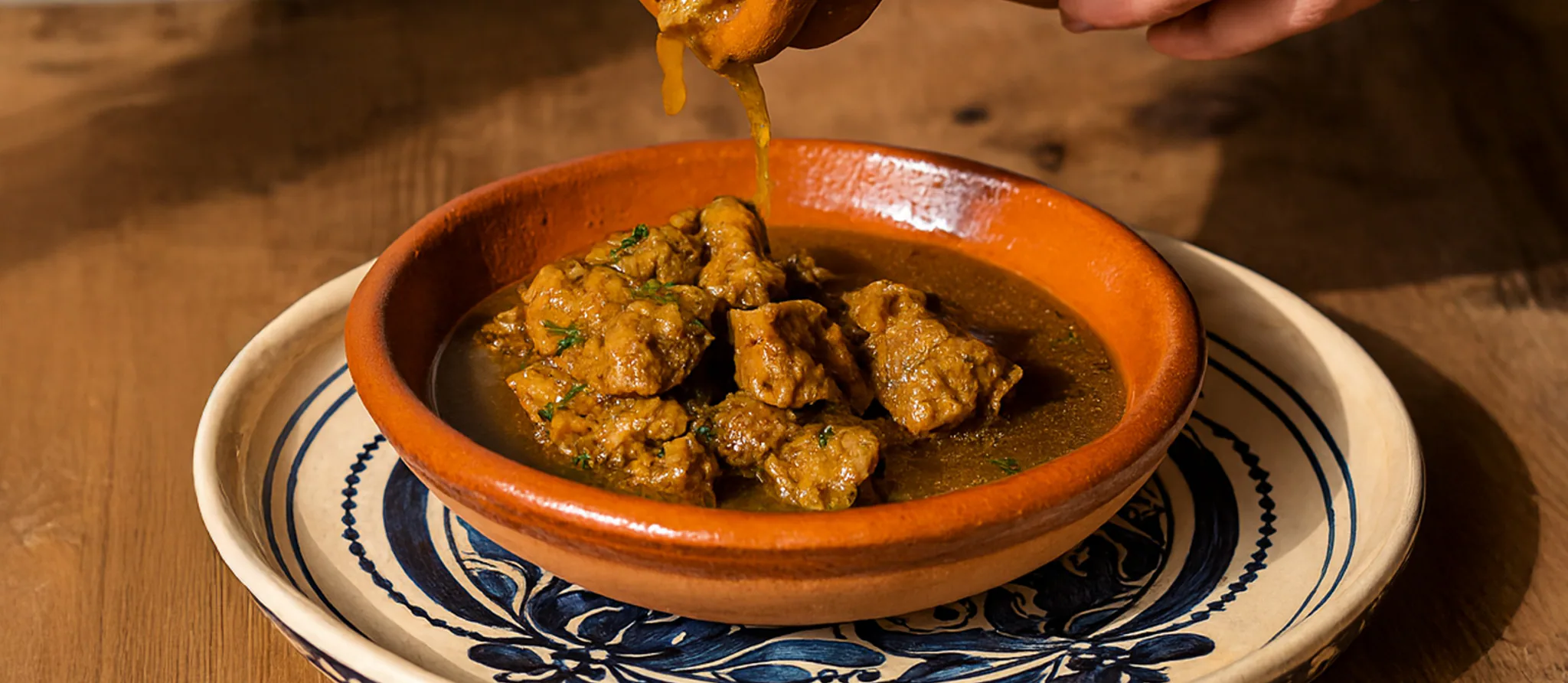
Tanjia marrakchia (slow-cooked lamb in a clay urn)
Non-vegetarian
طنجية · ṭanjiya
Lamb slow-cooked for hours in a sealed clay urn with preserved lemon, garlic, saffron, cumin and smen until it falls from the bone in its own rich juices. A Marrakech speciality, traditionally cooked overnight in the embers that heat the hammam.
Tanjia marrakchia (slow-cooked lamb in a clay urn) is a Moroccan main course from Morocco, ready in about 5 hours 15 minutes and made with lamb shoulder, preserved lemon and saffron. It serves 6 and is rated easy to cook.
- Prep
- 15 min
- Cook
- 5 h
- Total
- 5 h 15 min
- Serves
- 6
- Level
- Easy
- Calories
- 808
Main ingredients
Method
Step 1
Put the lamb in a bowl with the preserved lemon (opens in a new tab), garlic (opens in a new tab), saffron (opens in a new tab) water, cumin (opens in a new tab), ginger and ras el hanout (opens in a new tab) if using, butter (opens in a new tab), olive oil (opens in a new tab), salt and pepper (opens in a new tab) and mix well with your hands.
Step 2
Pack everything into a tanjia urn or a heavy lidded casserole and add the water. Seal the top tightly with baking paper and foil (or tie paper over the urn), then put the lid on.
A good seal is essential: the meat should cook in its own steam and juices.
Step 3
Cook in the oven (opens in a new tab) at 140 °C for 5 hours, without opening, until the meat falls from the bone. (A slow cooker on low for 8–9 hours also works.)
- 300 min
- 140°C
- Oven (opens in a new tab)
Step 4
Tip the meat and juices into a serving dish. If the sauce is thin, boil it down in a pan for a few minutes before pouring it back over the lamb.
- 5 min
At a glance
 Lamb shoulder
 Preserved lemon
 Garlic
 Saffron
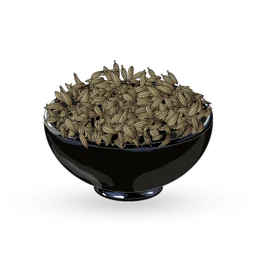 Cumin
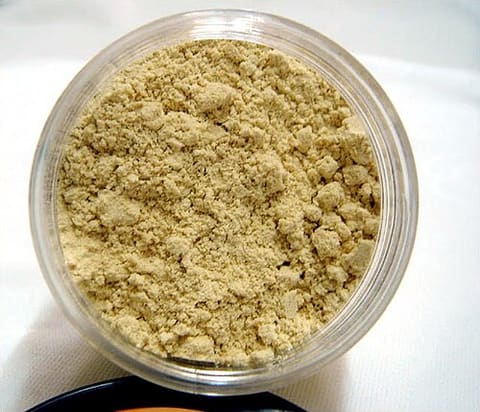 Ground ginger
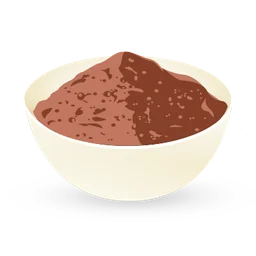 Ras el hanout
 Butter
 Olive oil
 Salt
 Black pepper
About this dish
- Origin
- Marrakesh, Morocco · Well documentedKnown as a 'bachelor's dish': men filled the urn and took it to the furnace keeper (farnatchi) of the hammam, collecting it hours later, often for outings and picnics.More food from Morocco
Morocco - Dish
- Lunch · Dinner · Main courses · Stews & braises
- Cooking method
- Slow-cooked, Braised
- Taste
- rich, aromatic / warmly spiced, tangy, garlicky
- Diet
- No gluten ingredients · No nut ingredients · Keto-style · Low-carb · High-proteinWorked out from the ingredients. How labels work
All labels
Non-vegetarian · Whole-food focused · No gluten ingredients · Egg-free · No nut ingredients · No added sugar · Alcohol-free · Pork-free · Beef-free · Keto-style · Low-carb · High-protein - Good for
- One-pot · Make-ahead · Festive & celebration
- Cook more with
- Lamb shoulder · Preserved lemon · Saffron · Cumin · Garlic · Butter
- Techniques
- Braising · Slow-cooked gravy
Allergens
- Contains: Milkfrom butter
Based on typical versions of these ingredients and not verified allergen-free. Brands differ and cross-contact happens, so always check labels. For severe allergies, follow your clinician’s advice.
Nutrition
808 kcal per serving
Estimated1 serving ≈ 326 g · recipe makes 6
Where the energy comes from
- Protein 20%
- Carbohydrate 3%
- Fat 77%
| Nutrient | Per serving | Per 100 g* |
|---|---|---|
| Energy | 808 kcal | 248 kcal |
| Protein | 41.3 g | 12.7 g |
| Carbohydrate | 5.4 g | 1.7 g |
| Net carbohydrate | 4 g | 1.2 g |
| Sugars | 0.5 g | 0.2 g |
| Added sugars | 0 g | 0 g |
| Fibre | 1.4 g | 0.4 g |
| Fat | 69.6 g | 21.4 g |
| Saturated fat | 29 g | 8.9 g |
| Trans fat | 3.2 g | 1 g |
| Cholesterol | 164 mg | 50 mg |
| Sodium | 790 mg | 242 mg |
| Salt equivalent | 2 g | 0.6 g |
Vitamins & minerals per serving
- Potassium
- 720 mg
- Calcium
- 67 mg
- Iron
- 3.3 mg
- Magnesium
- 50 mg
- Vitamin A (RAE)
- 81 µg
- Vitamin C
- 15 mg
- Vitamin D
- 0.5 µg
- Vitamin B12
- 4.7 µg
- Folate (DFE)
- —
How these numbers were made
- Calculated from USDA FoodData Central (SR Legacy) per-100 g values and the listed quantities.
- *Per 100 g of combined raw ingredients; the cooked dish may weigh more or less.
- Optional ingredients are not included: ground ginger, ras el hanout.
- Preserved lemon: Raw lemon peel used as a stand-in; the salt from the preserving brine is not included, so sodium is understated.
- “—” means the value isn’t known for enough of the ingredients; it is never zero by default.
- Values are estimates for guidance, not for medical dosing. U.S. Department of Agriculture, Agricultural Research Service. FoodData Central, 2019. fdc.nal.usda.gov.
Good to know
Tips
- Do not brown the meat: tanjia relies on long, gentle steaming in its own fat for its soft texture.
Serve with
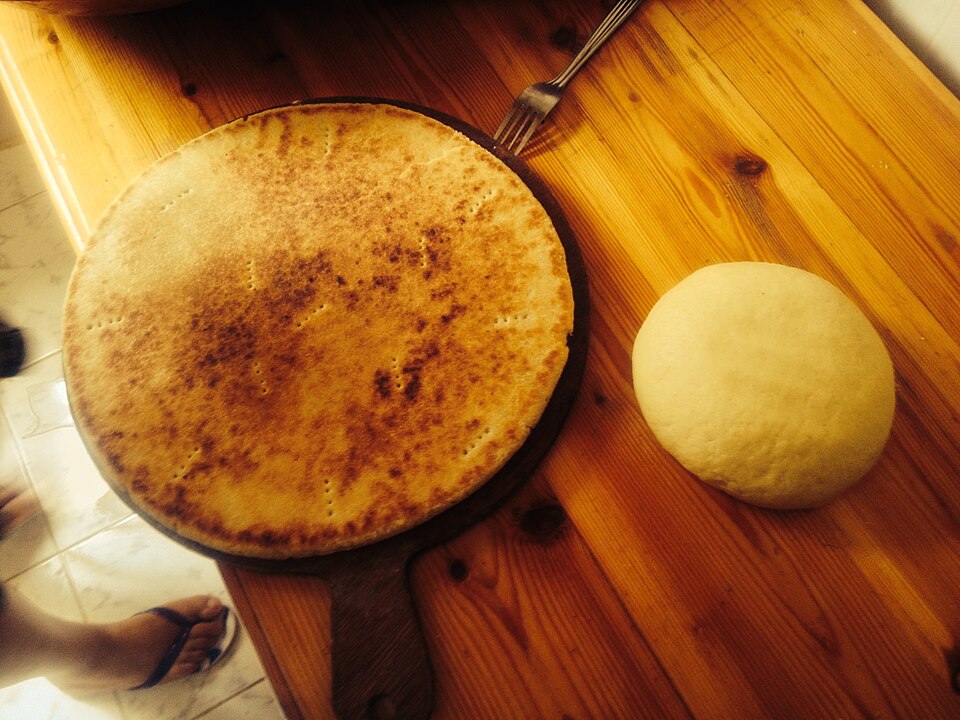
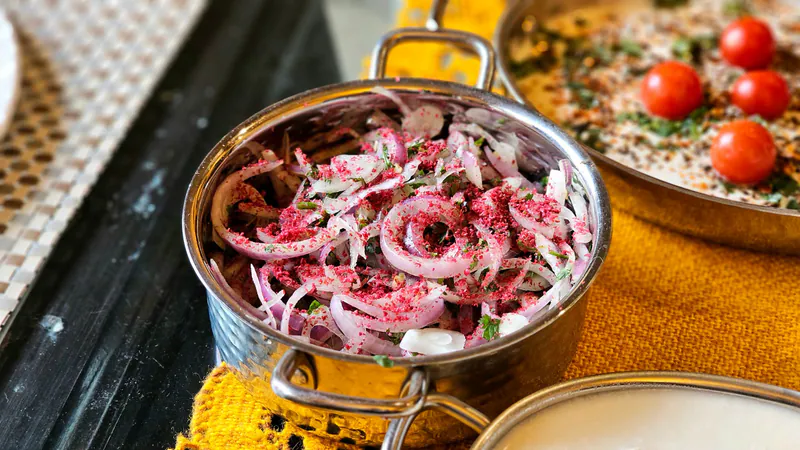
- Serve with Moroccan bread (khobz) to scoop up the meat and juices, with olives and a tomato and onion salad.
Storage
- Keeps 3 days in the fridge or 3 months frozen.
Reheating
- Reheat covered in a 160 °C oven or on the hob with a splash of water.
Variations
- Beef tanjia: Beef shin or tail replaces the lamb, with the same seasoning.
- Hammam tanjia: The traditional method: the sealed urn is buried in the embers of a bathhouse furnace overnight.
Original editorial recipe · FriendsPantry editorial · source: TasteAtlas (dish facts) · Not yet independently reviewed · Added
Recipe DNA
How this dish is built
Grouped by each ingredient’s role in the dish. Each band’s width is its share of the dish by weight. Choose a component to see what it does.
What the dish is built around
Main ingredient
- Lamb shoulder, bone-in, cut into large chunks1.5 kg · 1500 g
- Preserved lemon, quartered1 piece · 60 g
- Butter40 g
Masalas in this recipe
Make the masala first, then come back to finish the dish.
Dry spice blend
Ras el hanout
This recipe uses 1 tsp (2.1 g for 6 servings).
Reviews & corrections
Reviews come from signed-in cooks and appear after a moderator checks them. We never show made-up ratings.
You might also like
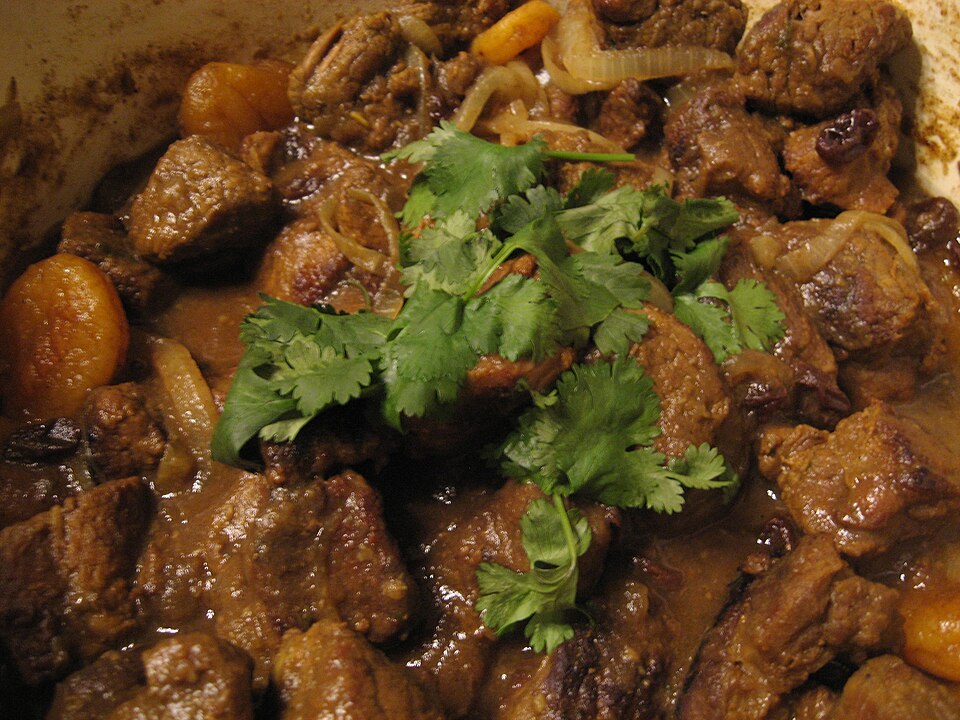
Lamb tagine with apricots
Moroccan · 2 h 35 min · 637 kcal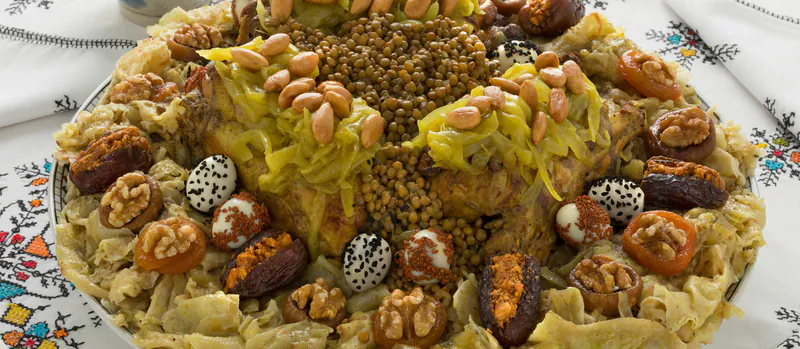
Rfissa (Moroccan chicken and lentils over shredded msemen)
Moroccan · 2 h 45 min · 1257 kcal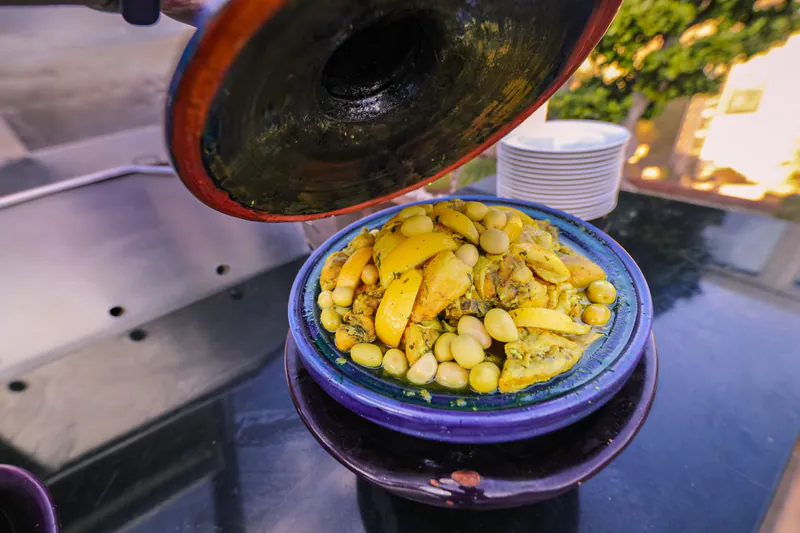
Moroccan chicken tagine with olives and lemon
Moroccan · 1 h 30 min · 718 kcal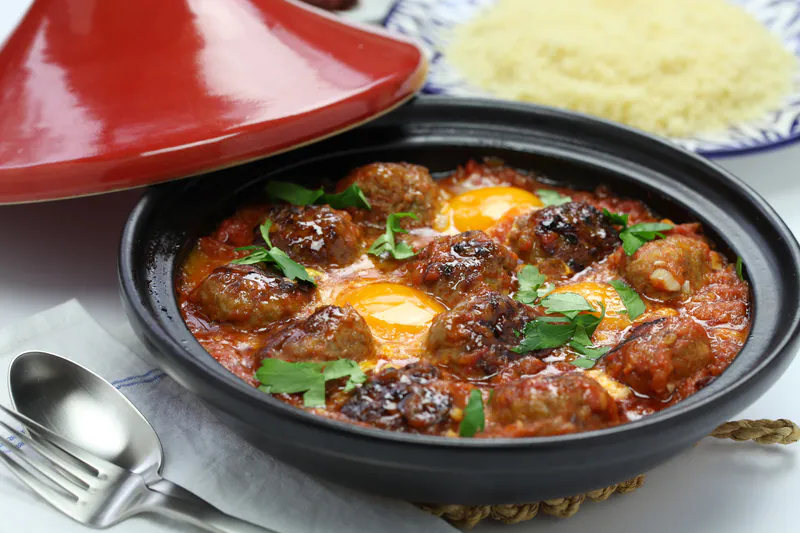
Kefta tagine with eggs
Moroccan · 50 min · 475 kcal