
 Cantonese · Singaporean · Chinese · Pastries
Mooncakes with lotus paste and salted yolk (kuih bulan)
Contains egg (no meat or fish)
月饼 · yuèbing
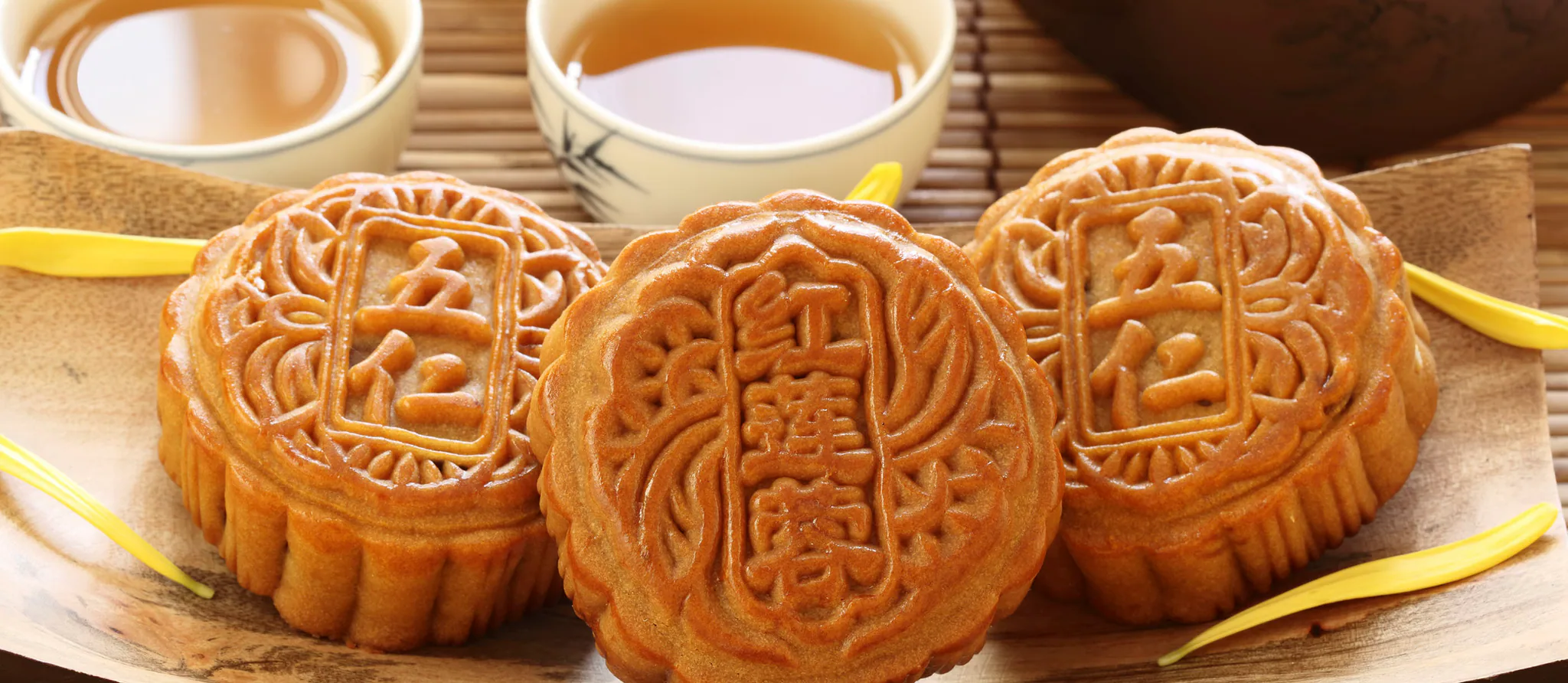
Small moulded pastries with a thin, glossy, golden crust wrapped around smooth lotus seed paste and a whole salted duck egg yolk that looks like the full moon when cut. They are exchanged and eaten with tea for the Mid-Autumn Festival across China and the Chinese diaspora, including Singapore and Malaysia, where they are called kuih bulan.
Mooncakes with lotus paste and salted yolk (kuih bulan) is a Cantonese pastry from China, ready in about 4 hours 25 minutes and made with all-purpose flour, golden syrup and lotus seed paste. It serves 12 and is rated advanced to cook.
- Prep
- 1 h
- Cook
- 25 min
- Rest
- 3 h
- Total
- 4 h 25 min
- Serves
- 12
- Level
- Advanced
- Calories
- 243
Plus 1–3 days in an airtight tin for the crust to soften and turn glossy.
Main ingredients
Ingredients
For the dough
For the filling
For the egg wash
Method
Dough
5 minStep 1
Stir the golden syrup (opens in a new tab), lye water (opens in a new tab) and oil together until fully blended. Add the flour and fold into a soft, smooth dough, without kneading. Wrap and rest at room temperature for 2–4 hours.
Filling
52 minStep 2
Heat the oven (opens in a new tab) to 180 °C. Rinse the salted yolks, pat dry, brush with Shaoxing wine (opens in a new tab) and bake on a tray for 5 minutes until just set. Cool.
Food safety: Salted egg yolks are raw; always bake them before using.
Step 3
Divide the lotus paste (opens in a new tab) into 12 portions of 60 g. Flatten each, wrap it around a yolk and roll into a smooth ball. Divide the dough into 12 portions of 25 g.
Step 4
Flatten a piece of dough into a thin round between two sheets of cling film, lay the filling ball in the centre and ease the dough up and around it with your palms until completely covered and even. Roll lightly in flour.
- 20 min
The dough is soft; push it up around the filling rather than stretching it.
Step 5
Dust a 100 g mooncake mould with flour, tap out the excess, press the ball in firmly, then turn out onto a lined baking tray. Mist lightly with water and bake for 5 minutes to set the pattern.
Egg wash
16 minStep 6
Cool the mooncakes for 10 minutes. Beat the egg yolk (opens in a new tab) with the water and brush a very thin layer over the tops, avoiding the grooves. Bake for 10–12 minutes more until deep golden.
Too much egg wash fills the pattern and blurs it.
Step 7
Cool completely, then store in an airtight container for 1–3 days so oil from the filling softens the crust and gives it its shine.
- 1 min
At a glance
1 · Dough in a bowl
 All-purpose flour
 Golden syrup
 Peanut oil
- Lye water (kansui)
then heat
2 · Filling in a bowl
- Lotus seed paste
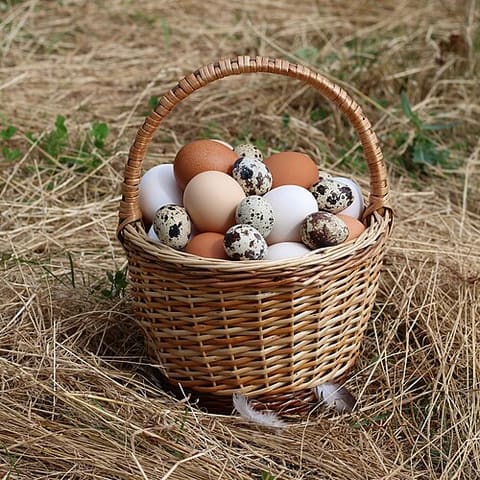 Salted duck egg yolk
 Shaoxing wine
then cool
3 · Egg wash in a pan
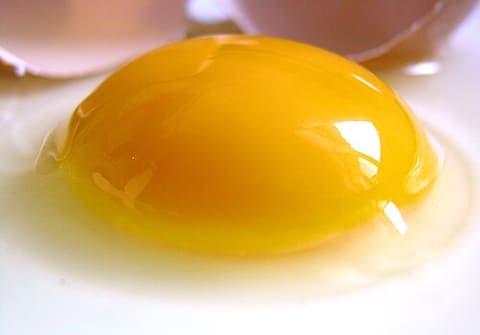 Egg yolk
About this dish
- Origin
- Southern China (Cantonese style); kuih bulan in Singapore and Malaysia, China · Well documentedMooncakes are tied to the Mid-Autumn Festival; the Cantonese baked style dominates in Singapore, where bakeries also popularised snowskin and novelty fillings.Also popular in Hong Kong, Taiwan, Singapore, Malaysia, Vietnam, Indonesia, Thailand, JapanMore food from China
China - Dish
- Snack · Dessert · Pastries · Sweets & confectionery
- Cooking method
- Oven-baked
- Taste
- sweet, sweet & savoury, rich, nutty
- Diet
- Vegetarian (lacto-ovo) · Dairy-freeWithout the optional extras: Alcohol-freeWith the listed swaps: No nut ingredientsWorked out from the ingredients. How labels work
All labels
Vegetarian (lacto-ovo) · Eggetarian · Ovo-vegetarian · Pescatarian · Flexitarian-friendly · Dairy-free · Pork-free · Beef-free · DASH-style - Good for
- Festive & celebration · Make-ahead · Portable / lunchbox
- Cook more with
- All-purpose flour · Golden syrup · Peanut oil · Egg yolk
Allergens
- Contains: Eggsfrom salted duck egg yolk, egg yolk
- Contains, can be adapted: Peanutsfrom peanut oil
- Contains: Wheatfrom all-purpose flour, shaoxing wine
- Contains: Glutenfrom all-purpose flour, shaoxing wine
Based on typical versions of these ingredients and not verified allergen-free. Brands differ and cross-contact happens, so always check labels. For severe allergies, follow your clinician’s advice.
Nutrition
243 kcal per serving
Estimated1 serving ≈ 87 g · recipe makes 12
Where the energy comes from
- Protein 6%
- Carbohydrate 80%
- Fat 13%
| Nutrient | Per serving | Per 100 g* |
|---|---|---|
| Energy | 243 kcal | 279 kcal |
| Protein | 3.8 g | 4.4 g |
| Carbohydrate | 49 g | 56.3 g |
| Net carbohydrate | — | — |
| Sugars | — | — |
| Added sugars | — | — |
| Fibre | — | — |
| Fat | 3.6 g | 4.1 g |
| Saturated fat | 0.7 g | 0.8 g |
| Trans fat | — | — |
| Cholesterol | 15 mg | 18 mg |
| Sodium | 137 mg | 157 mg |
| Salt equivalent | 0.3 g | 0.4 g |
Vitamins & minerals per serving
- Potassium
- 92 mg
- Calcium
- 18 mg
- Iron
- 1.6 mg
- Magnesium
- 22 mg
- Vitamin A (RAE)
- 5 µg
- Vitamin C
- 0 mg
- Vitamin D
- 0.1 µg
- Vitamin B12
- 0 µg
- Folate (DFE)
- 103 µg
How these numbers were made
- Calculated from USDA FoodData Central (SR Legacy) per-100 g values and the listed quantities.
- *Per 100 g of combined raw ingredients; the cooked dish may weigh more or less.
- Optional ingredients are not included: salted duck egg yolk, shaoxing wine.
- Not counted (tiny amounts or “to taste”): lye water (kansui).
- Golden syrup: Cane syrup (FDC 167743) used as a stand-in for golden syrup (partially inverted refined cane-sugar syrup).
- Lotus seed paste: Canned sweetened adzuki beans (FDC 173729) used as a stand-in; lotus seed paste is a similarly sweet, starchy paste cooked down with sugar and oil.
- “—” means the value isn’t known for enough of the ingredients; it is never zero by default.
- Values are estimates for guidance, not for medical dosing. U.S. Department of Agriculture, Agricultural Research Service. FoodData Central, 2019. fdc.nal.usda.gov.
Good to know
Tips
- A plastic spring-loaded mooncake press with interchangeable stamps is cheap and easier than a wooden mould.
- Cut mooncakes into wedges with a sharp knife and share them; they are rich.
Common mistakes
- Eating them the day they are baked — the crust is still hard and dull.
- Making the dough layer too thick; the classic Cantonese ratio is about 2 parts crust to 8 parts filling.
Serve with
- Serve in thin wedges with Chinese tea such as oolong or pu-erh.
Food safety
- Salted duck egg yolks are raw; always bake them before using.
Storage
- Keeps 1 week in an airtight container at cool room temperature, or 2 weeks refrigerated.
Variations
- Snowskin mooncakes: An unbaked glutinous-rice-flour skin, served chilled; hugely popular in Singapore with fillings such as durian.
- Teochew flaky mooncakes: A laminated, flaky pastry filled with yam or mung bean paste.
- Bánh nướng (Vietnam): The Vietnamese baked mooncake, often filled with mixed nuts, lap cheong and candied fruit.
- Red bean mooncakes: Sweet red bean paste replaces lotus paste for a more economical filling.
Original editorial recipe · FriendsPantry editorial · source: TasteAtlas (dish facts) · Not yet independently reviewed · Added
Recipe DNA
How this dish is built
Reviews & corrections
Reviews come from signed-in cooks and appear after a moderator checks them. We never show made-up ratings.
You might also like
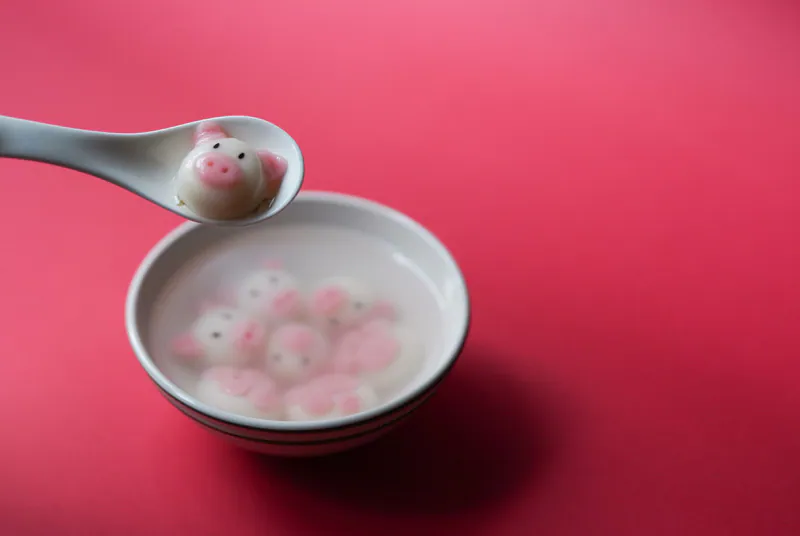
Tangyuan (black sesame rice balls in ginger syrup)
Chinese · 1 h 30 min · 429 kcal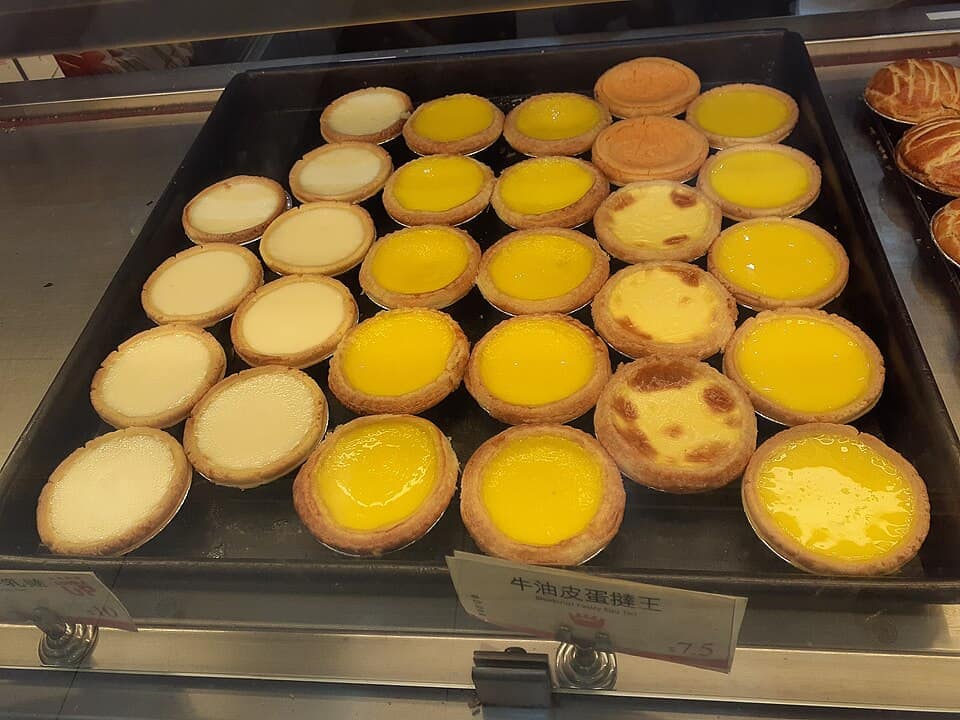
Cantonese egg tarts
Cantonese · 1 h 27 min · 193 kcal · Contains egg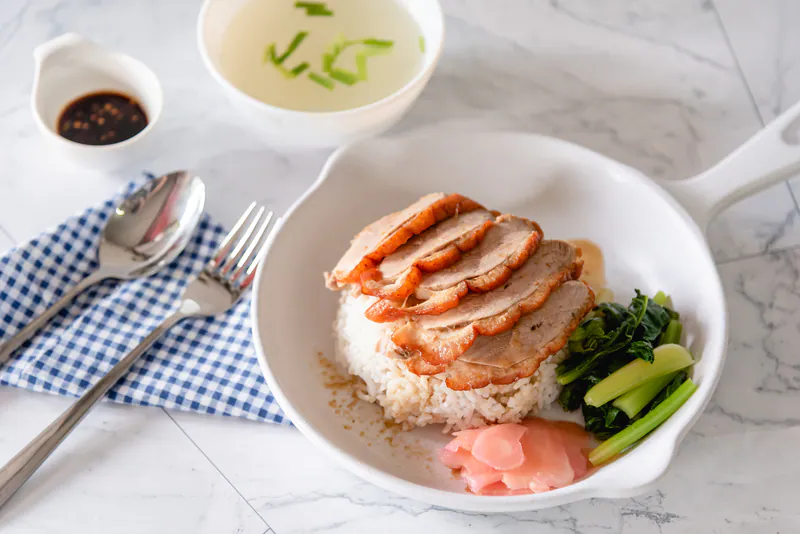
Roasted duck rice (Singapore)
 Singaporean · 14 h 30 min · 1267 kcal
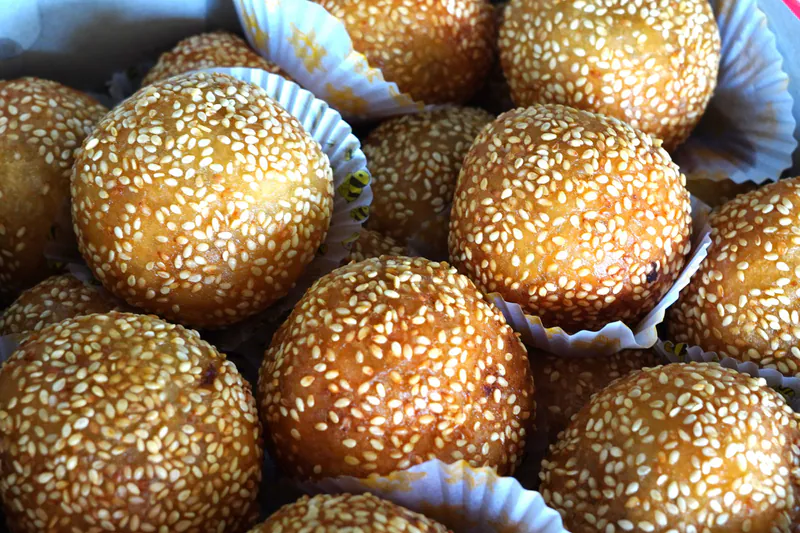
Jian dui (sesame balls)
Cantonese · 1 h 5 min · 150 kcal · Vegan