
Utensils & kitchen tools · Juicer
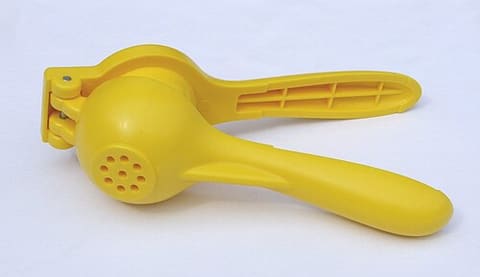
Citrus press / reamer
A hand tool or small device for squeezing juice from lemons, limes and oranges.
Useful to have · Manual · 15 recipes
Photo: Fritzs, via Wikimedia Commons (CC-BY-SA-3.0)
What it is
Several designs share the name: a ribbed cone reamer that you twist halved fruit on, often set over a dish that catches juice and pips; a hinged squeezer that presses half a fruit between two cups; and small electric citrus juicers with a motorised cone. They are simpler than a full juicer.
What it’s for: Extracting citrus juice quickly while holding back pips.
How to use it
- Roll the fruit firmly on the counter to loosen the juice.
- Cut it in half across the middle.
- Press cut side down on the reamer and twist, or squeeze in a hinged press cut side facing the holes.
- Strain out any pips or pulp.
Good to know
- Tasks
- juicing lemons and limes, juicing oranges, making lemonade and dressings, juicing for cocktails
- Cooking methods
- Raw, No-cook
- Materials
- glass, ceramic, plastic, aluminium, stainless steel, wood
- Care and cleaning
- Rinse right after use; citric acid can pit aluminium.
- Limitations
- Citrus only; zest must be removed before squeezing.
If you don’t have one
- Fork — Twist a fork inside the cut fruit while squeezing.
- Tongs — Squeeze a lime half between the arms of tongs.
Equipment guide
How it works: A ridged cone breaks the juice sacs as fruit is twisted or pressed against it, while a strainer catches seeds and pulp.
| Material | Good | Watch out |
|---|---|---|
| Stainless steel | Durable, non-reactive, dishwasher-safe, does not hold smells. | Can scratch non-stick pans; conducts heat, so all-metal handles get hot. |
| Borosilicate or tempered glass | Non-reactive, lets you see the browning on the sides and base; holds heat well once hot. | Slow to heat; can shatter with sudden temperature changes (e.g. cold liquid into a hot dish, or from fridge to hot oven). |
| Ceramic or stoneware | Holds heat and cooks gently and evenly; non-reactive; attractive for serving. | Heavy, slow to heat, can crack with thermal shock; glazes vary in quality. |
| Food-grade plastic (polypropylene, nylon) | Light, cheap, gentle on non-stick surfaces. | Melts or warps on contact with hot pans; scratches harbour residue; can stain and hold smells. |
| Wood (reamer) | Simple, light. | Absorbs juice. |
- Handheld lever press
- Lemons and limes.
- Hand reamer
- Over a bowl.
- Countertop cone press
- Bowl to catch juice.
- Electric citrus juicer
- Large quantities.
Buying guidance
Starting out: A handheld lever press sized for limes and lemons.
- Size matched to fruit
- Built-in strainer
- Non-reactive coating
No brands or prices — check current reviews before buying.
Related tools
Recipes that use it
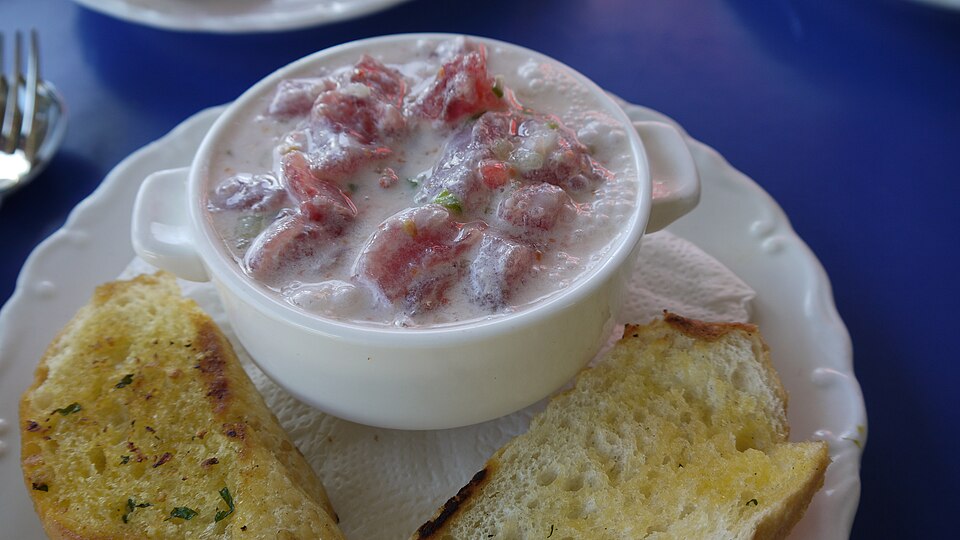
'Ota 'ika
 Tongan · 50 min · 235 kcal
Cumberland sauce
 British · 1 h 25 min · 88 kcal · Vegan

Fresh orange juice
International · 10 min · 99 kcal · Vegan
Kokoda
 Pacific Island · 50 min · 291 kcal
Kulukki sarbath
 Indian · 20 min · 112 kcal · Vegan
Masala soda
Indian · 5 min · 41 kcal · Vegan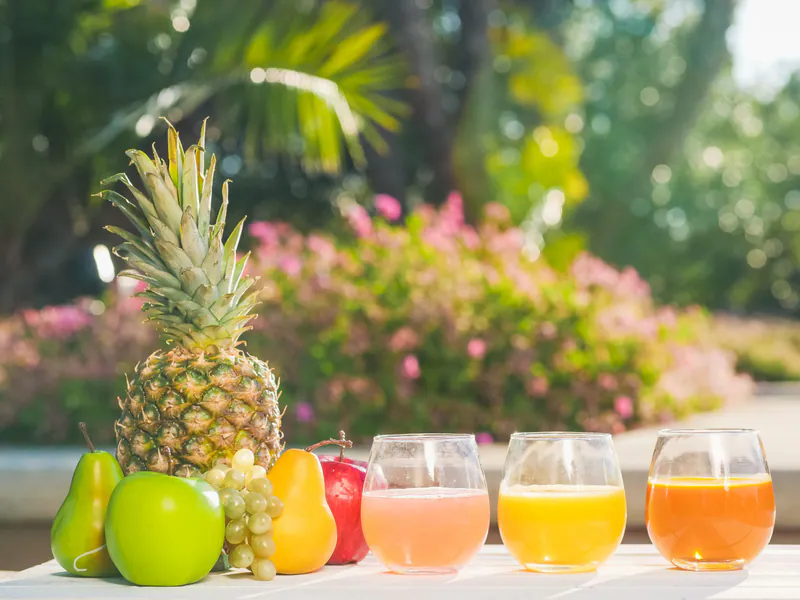
Mixed fruit juice
International · 15 min · 105 kcal · Vegan
Nam jim seafood
 Thai · 10 min · 22 kcal
Nimbu pani
Indian · 5 min · 54 kcal · VeganNước chấm
 Vietnamese · 8 min · 32 kcal
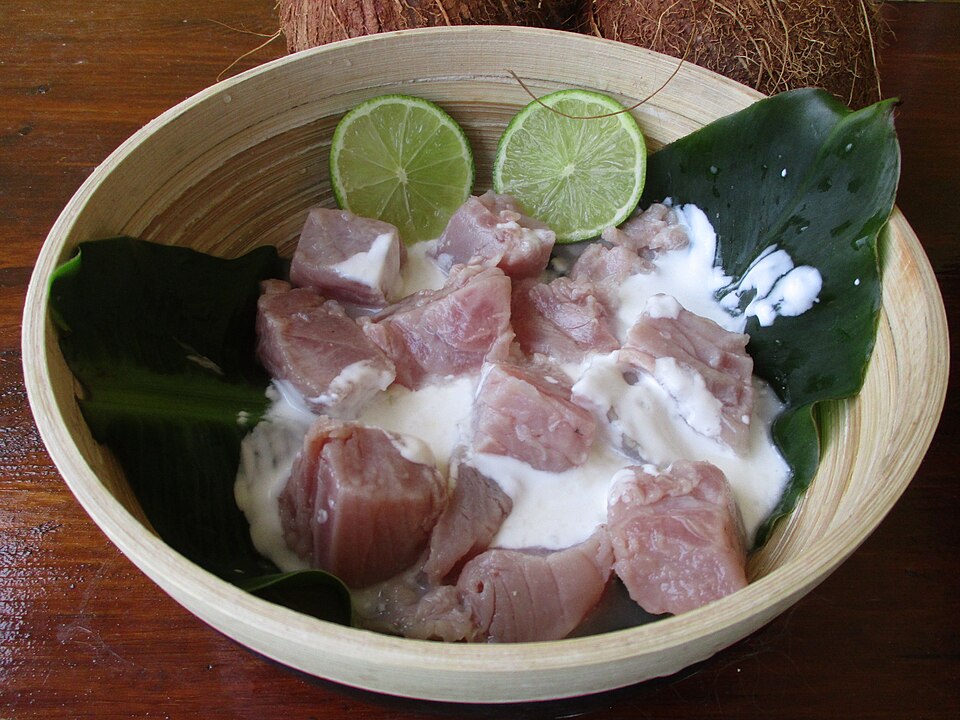
Oka i'a
 Samoan · 40 min · 318 kcal

Peruvian ceviche
 Peruvian · 30 min · 144 kcal
3 more
- Ponzu · Japanese
- Spaghetti al limone · Italian
- Strawberry lemonade · American