
 Trinidadian · Caribbean · Guyanese · Cakes
Cassava pone (Caribbean cassava and coconut cake)
Contains egg (no meat or fish)
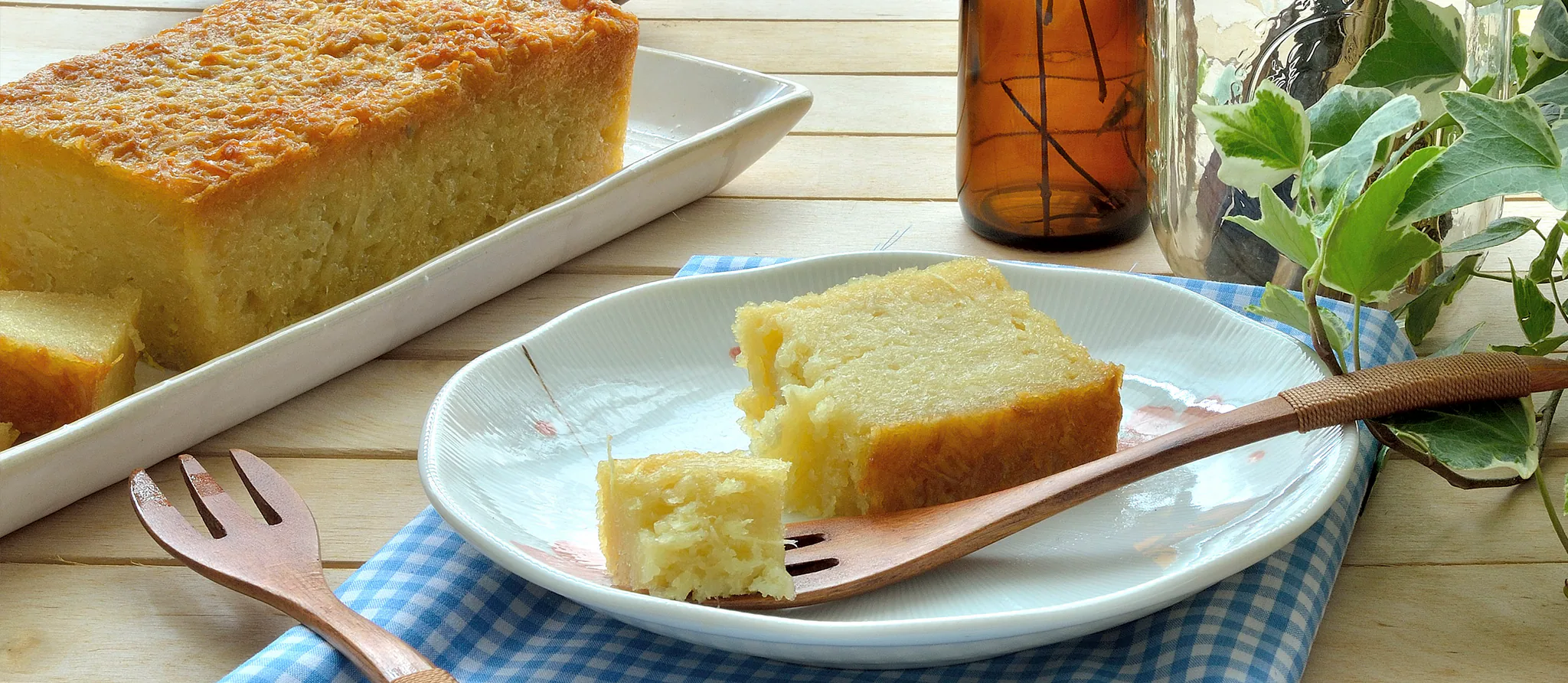
A dense, moist, slightly chewy bake of grated cassava, pumpkin, sweet potato and coconut, sweetened with brown sugar and warmed with nutmeg, cinnamon and a hint of black pepper. The bake-sale favourite of Trinidad and Tobago, Guyana and Barbados, cut into squares once cool.
Cassava pone (Caribbean cassava and coconut cake) is a Trinidadian cake, ready in about 3 hours 45 minutes and made with cassava, coconut and pumpkin. It serves 16 and is rated easy to cook.
- Prep
- 30 min
- Cook
- 1 h 15 min
- Rest
- 2 h
- Total
- 3 h 45 min
- Serves
- 16
- Level
- Easy
- Calories
- 283
Main ingredients
Method
Step 1
Heat the oven (opens in a new tab) to 180 °C and butter (opens in a new tab) a 23 × 33 cm baking dish (opens in a new tab).
- 2 min
- 180°C
- Baking dish (opens in a new tab)
Step 2
Put the grated cassava (opens in a new tab), coconut (opens in a new tab), pumpkin (opens in a new tab) and sweet potato (opens in a new tab) in a large bowl and mix well.
Food safety: Raw cassava contains natural cyanide-forming compounds. Peel it thoroughly, remove the woody core and always cook it right through; never eat it raw.
Step 3
Stir in the sugar, melted butter (opens in a new tab), evaporated milk (opens in a new tab), eggs (opens in a new tab), nutmeg (opens in a new tab), cinnamon (opens in a new tab), ginger, black pepper (opens in a new tab), vanilla (opens in a new tab), almond extract (opens in a new tab) and salt to a thick, wet batter.
- 5 min
Step 4
Spread in the dish and bake for 1 hour 15 minutes, until deep golden brown on top, darker at the edges and firm when pressed in the middle.
- 75 min
- 180°C
- Oven (opens in a new tab)
A dark, almost caramelised crust is part of good pone.
Step 5
Cool completely, at least 2 hours, before cutting into squares; it firms up as it cools.
At a glance
 Cassava
 Coconut
 Pumpkin
 Sweet potato
 Brown sugar
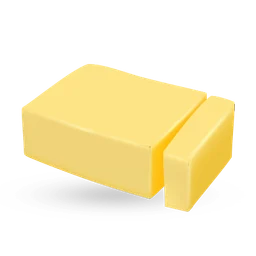 Butter
 Evaporated milk
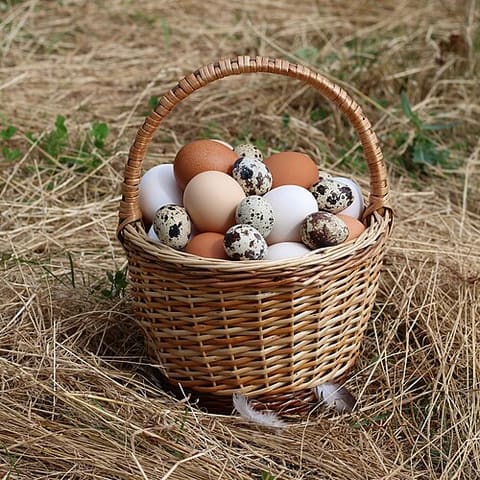 Egg
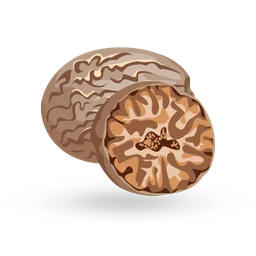 Nutmeg
 Cinnamon
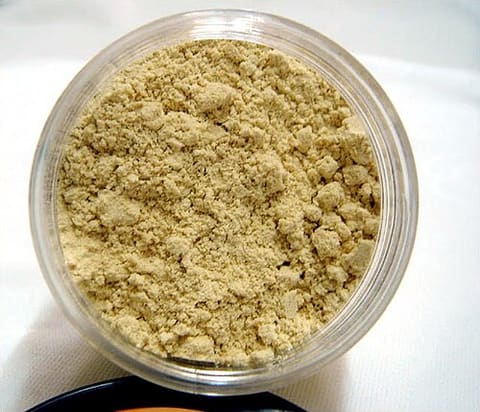 Ground ginger
 Black pepper
 Vanilla extract
- Almond extract
 Salt
About this dish
- Origin
- Trinidad and Tobago, Guyana and Barbados, Trinidad and Tobago · Origin disputedIts exact birthplace is unknown; it is claimed by Trinidad and Tobago, Guyana and Barbados and probably developed in all three from cassava, an Amerindian staple.Also popular in Guyana, Barbados, JamaicaMore food from Trinidad and Tobago
Trinidad and Tobago - Dish
- Dessert · Snack · Cakes · Desserts · Puddings & custards
- Cooking method
- Oven-baked
- Taste
- sweet, aromatic / warmly spiced, buttery, earthy
- Diet
- Vegetarian (lacto-ovo) · No gluten ingredientsWithout the optional extras: Lacto-vegetarian, Egg-freeWorked out from the ingredients. How labels work
All labels
Vegetarian (lacto-ovo) · Eggetarian · Pescatarian · Flexitarian-friendly · No gluten ingredients · Pork-free · Beef-free · Low-sodium - Good for
- Make-ahead · Festive & celebration · Portable / lunchbox
- Cook more with
- Cassava · Coconut · Pumpkin · Sweet potato · Brown sugar · Butter
- Techniques
- Baking
Allergens
- Contains: Milkfrom butter, evaporated milk
- Contains, can be adapted: Eggsfrom egg
- May contain: Tree nutsfrom almond extract
Based on typical versions of these ingredients and not verified allergen-free. Brands differ and cross-contact happens, so always check labels. For severe allergies, follow your clinician’s advice.
Nutrition
283 kcal per serving
Estimated1 serving ≈ 140 g · recipe makes 16
Where the energy comes from
- Protein 4%
- Carbohydrate 61%
- Fat 35%
| Nutrient | Per serving | Per 100 g* |
|---|---|---|
| Energy | 283 kcal | 202 kcal |
| Protein | 3.2 g | 2.3 g |
| Carbohydrate | 43.9 g | 31.4 g |
| Net carbohydrate | 41.5 g | 29.8 g |
| Sugars | 20.1 g | 14.4 g |
| Added sugars | 15.2 g | 10.9 g |
| Fibre | 2.3 g | 1.7 g |
| Fat | 11.1 g | 8 g |
| Saturated fat | 7.7 g | 5.5 g |
| Trans fat | — | — |
| Cholesterol | 23 mg | 16 mg |
| Sodium | 165 mg | 118 mg |
| Salt equivalent | 0.4 g | 0.3 g |
Vitamins & minerals per serving
- Potassium
- 372 mg
- Calcium
- 99 mg
- Iron
- 0.7 mg
- Magnesium
- 27 mg
- Vitamin A (RAE)
- 199 µg
- Vitamin C
- 14 mg
- Vitamin D
- 0.5 µg
- Vitamin B12
- 0.1 µg
- Folate (DFE)
- 24 µg
How these numbers were made
- Calculated from USDA FoodData Central (SR Legacy) per-100 g values and the listed quantities.
- *Per 100 g of combined raw ingredients; the cooked dish may weigh more or less.
- Optional ingredients are not included: egg, ground ginger.
- Almond extract: Vanilla extract (FDC 173471) used as a stand-in; almond extract is likewise mostly alcohol and water, flavoured with bitter-almond oil (benzaldehyde), used by the teaspoon.
- “—” means the value isn’t known for enough of the ingredients; it is never zero by default.
- Values are estimates for guidance, not for medical dosing. U.S. Department of Agriculture, Agricultural Research Service. FoodData Central, 2019. fdc.nal.usda.gov.
Good to know
Tips
- Grate everything on the fine side of a box grater or in a food processor with the grating disc; coarse shreds give a stringy pone.
- Frozen grated cassava from Caribbean or Asian shops saves the hardest part of the work.
Common mistakes
- Cutting it while warm; it will be gummy and fall apart.
Food safety
- Raw cassava contains natural cyanide-forming compounds. Peel it thoroughly, remove the woody core and always cook it right through; never eat it raw.
- Use pasteurised milk, keep the finished dish refrigerated and eat within the stated time.
Storage
- Keeps 2 days covered at room temperature or 5 days refrigerated; freezes well for 2 months.
Variations
- Guyanese cassava pone (Guyana): Usually made without pumpkin or sweet potato and with more coconut and spice.
- Bajan pone (Barbados): Made with grated sweet potato or pumpkin as the main base and less cassava.
Original editorial recipe · FriendsPantry editorial · source: TasteAtlas (dish facts) · Not yet independently reviewed · Added
Recipe DNA
How this dish is built
Grouped by each ingredient’s role in the dish. Each band’s width is its share of the dish by weight. Choose a component to see what it does.
What the dish is built around
Main ingredient
- Cassava, peeled, cored and finely grated (or frozen grated cassava, thawed)900 g
- Coconut, freshly grated150 g
- Pumpkin, peeled and finely grated250 g
- Sweet potato, peeled and finely grated150 g
- Butter, melted115 g
- Evaporated milk375 ml · 401 g
- Egg, beaten (optional)2 piece · 100 g
Reviews & corrections
Reviews come from signed-in cooks and appear after a moderator checks them. We never show made-up ratings.
You might also like
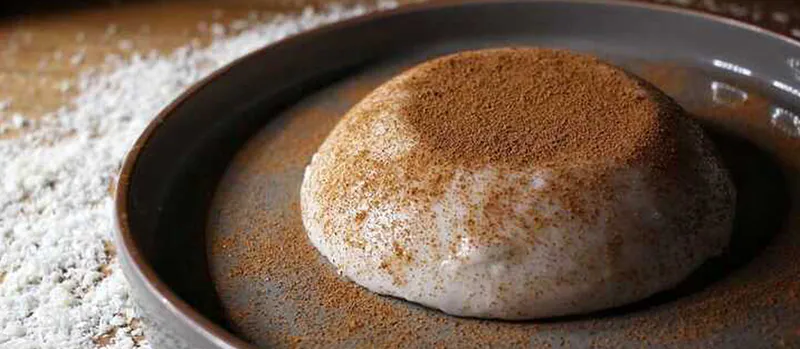
Tembleque
 Puerto Rican · 4 h 20 min · 270 kcal · Vegan
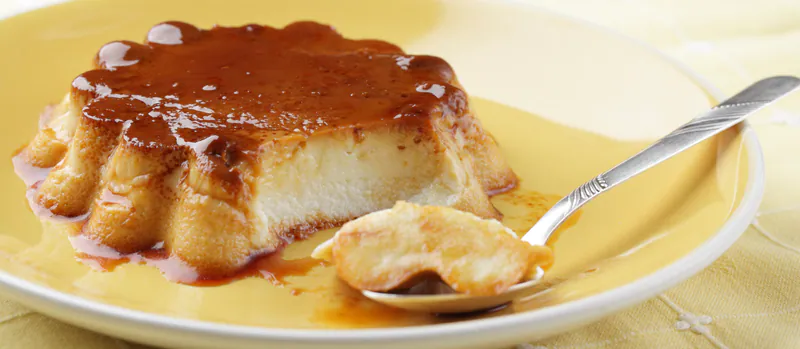
Flan de coco (coconut flan)
 Colombian · 7 h 30 min · 467 kcal · Contains egg
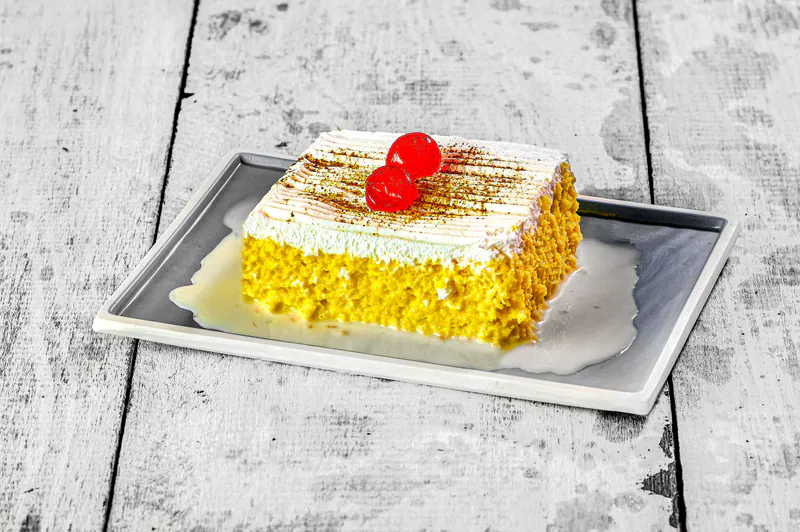
Tres leches cake
 Costa Rican · 4 h 55 min · 452 kcal · Contains egg
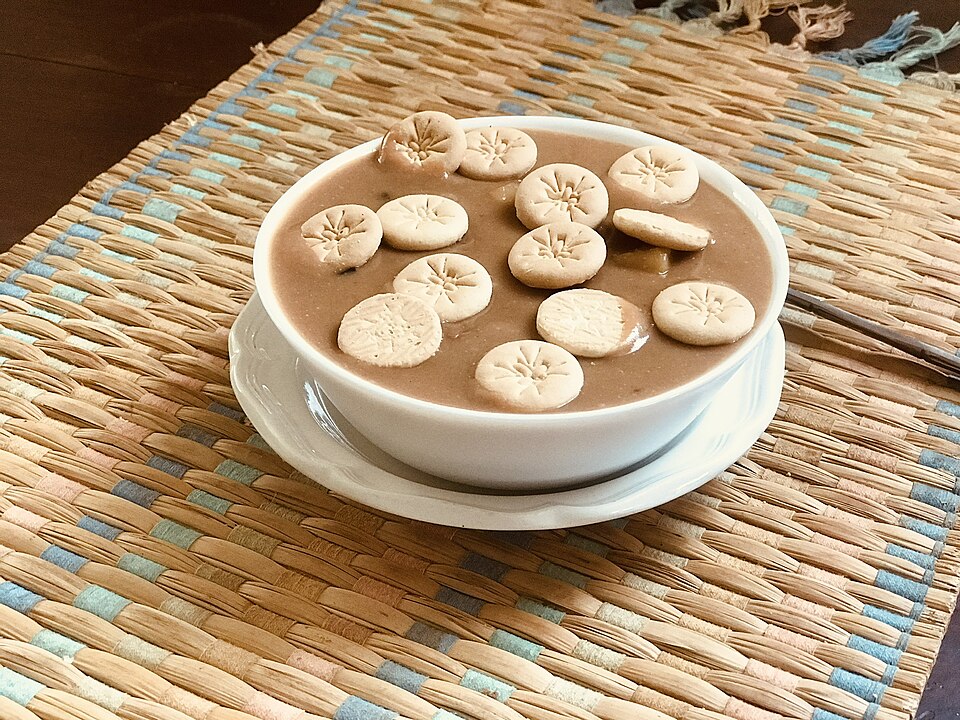
Habichuelas con dulce
 Dominican · 1 h 50 min · 388 kcal · Vegetarian