
 Cape Malay · South African · Condiments, chutneys & relishes
Blatjang (Cape Malay fruit chutney)
Vegetarian
Blatjang
A thick, sweet-sour South African chutney of dried apricots and raisins simmered with vinegar, sugar, ginger, garlic, onion and chilli. It is spooned beside braaied meat, bobotie and curries.
Blatjang (Cape Malay fruit chutney) is a Cape Malay condiment from South Africa, ready in about 2 hours 20 minutes and made with dried apricots, raisins and apple cider vinegar. It serves 20 and is rated easy to cook.
No licensed photograph of this dish yet.
- Prep
- 20 min
- Cook
- 1 h
- Rest
- 1 h
- Total
- 2 h 20 min
- Serves
- 20
- Level
- Easy
- Calories
- 92
Plus 1 hour soaking the fruit, which is the rest time.
Main ingredients
Method
Step 1
Soak the apricots and raisins (opens in a new tab) in the water for 1 hour, until plump.
- 2 min
Step 2
Tip the fruit and its soaking water into a heavy saucepan (opens in a new tab) with the peaches (opens in a new tab) (if using), onion (opens in a new tab), garlic (opens in a new tab), ginger, chillies, vinegar, sugar, salt, allspice (opens in a new tab) and coriander. Bring to the boil, stirring until the sugar dissolves.
- 8 min
- medium-high heat
- Saucepan (opens in a new tab)
- Wooden spoon (opens in a new tab)
Step 3
Lower the heat and simmer uncovered for 45–50 minutes, stirring more often towards the end, until the fruit is very soft and the chutney is thick and jammy.
- 50 min
- low heat
It should leave a clear trail when you drag a spoon across the bottom of the pan.
Step 4
Blend briefly with a stick blender for a smoother blatjang, leaving some texture. Stir in the walnuts (opens in a new tab), if using.
Step 5
Spoon into hot, sterilised jars, seal and leave to cool. The flavour mellows and improves after a few days.
Food safety: Pour hot preserves into jars sterilised in boiling water or a 140 °C oven, seal at once and refrigerate after opening.
At a glance
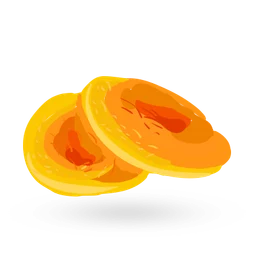 Dried apricots
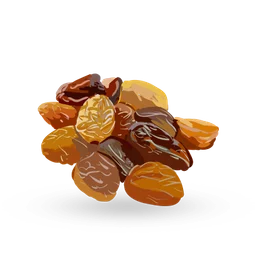 Raisins
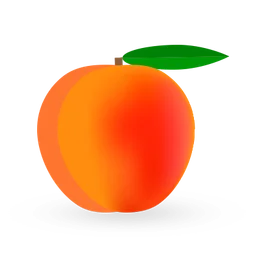 Peach
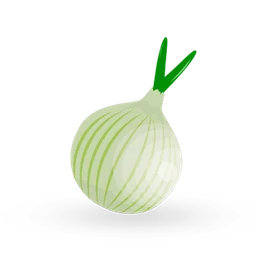 Onion
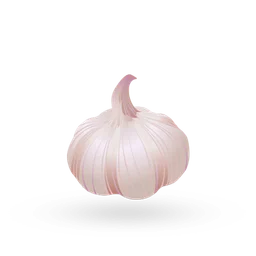 Garlic
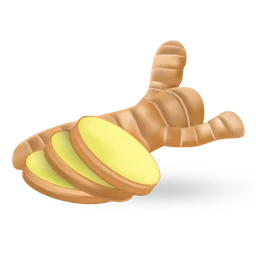 Fresh ginger
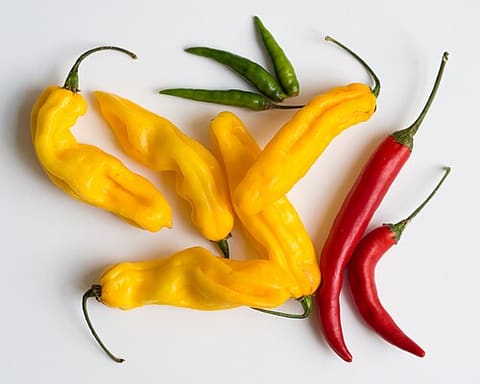 Dried whole chillies
 Apple cider vinegar
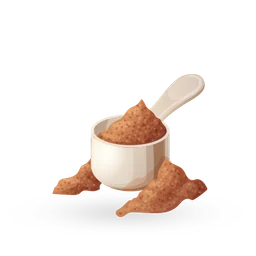 Brown sugar
 Salt
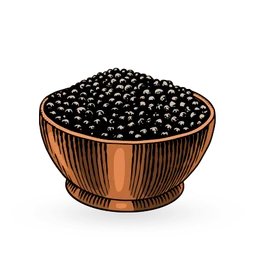 Allspice
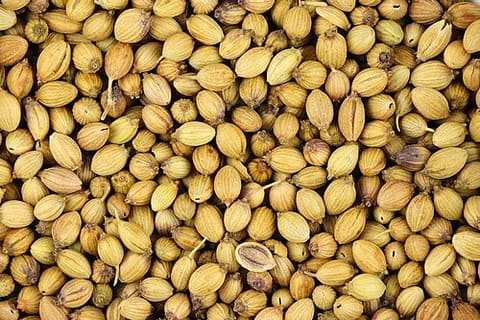 Ground coriander
 Walnuts
About this dish
- Origin
- Western Cape, South Africa · Commonly attributedThe name is thought to come from the Malay blachan, though Cape blatjang is fruit-based; it was carried into Cape cooking by enslaved cooks from the Dutch East Indies and has been bottled at home ever since.Also popular in NamibiaMore food from South Africa
South Africa - Dish
- Lunch · Dinner · Condiments, chutneys & relishes · Dips & spreads
- Cooking method
- Simmered, Blended
- Taste
- sweet & sour, fruity, spicy (chilli heat)
- Diet
- Vegan · No gluten ingredients · Dairy-freeWithout the optional extras: No nut ingredientsWorked out from the ingredients. How labels work
All labels
Vegan · Plant-based · Vegetarian (lacto-ovo) · Eggetarian · Lacto-vegetarian · Ovo-vegetarian · Pescatarian · Flexitarian-friendly · No gluten ingredients · Dairy-free · Egg-free · Alcohol-free · Pork-free · Beef-free · Low-fat · DASH-style - Good for
- Make-ahead · Budget-friendly
- Cook more with
- Dried apricots · Raisins · Apple cider vinegar · Onion · Garlic · Fresh ginger
- Techniques
- Boiling · Simmering · Wet grinding · Emulsification · Pickling
Allergens
- Contains, can be adapted: Tree nutsfrom walnuts
- Contains: Sulphitesfrom dried apricots, raisins
Based on typical versions of these ingredients and not verified allergen-free. Brands differ and cross-contact happens, so always check labels. For severe allergies, follow your clinician’s advice.
Nutrition
92 kcal per serving
Calculated1 serving ≈ 76 g · recipe makes 20
Where the energy comes from
- Protein 3%
- Carbohydrate 96%
- Fat 1%
| Nutrient | Per serving | Per 100 g* |
|---|---|---|
| Energy | 92 kcal | 121 kcal |
| Protein | 0.8 g | 1 g |
| Carbohydrate | 22.9 g | 30.3 g |
| Net carbohydrate | 21.5 g | 28.5 g |
| Sugars | 20 g | 26.4 g |
| Added sugars | 9.7 g | 12.8 g |
| Fibre | 1.4 g | 1.8 g |
| Fat | 0.1 g | 0.2 g |
| Saturated fat | 0 g | 0 g |
| Trans fat | — | — |
| Cholesterol | 0 mg | 0 mg |
| Sodium | 124 mg | 164 mg |
| Salt equivalent | 0.3 g | 0.4 g |
Vitamins & minerals per serving
- Potassium
- 231 mg
- Calcium
- 26 mg
- Iron
- 0.6 mg
- Magnesium
- 10 mg
- Vitamin A (RAE)
- 26 µg
- Vitamin C
- 1 mg
- Vitamin D
- 0 µg
- Vitamin B12
- 0 µg
- Folate (DFE)
- 3 µg
How these numbers were made
- Calculated from USDA FoodData Central (SR Legacy) per-100 g values and the listed quantities.
- *Per 100 g of combined raw ingredients; the cooked dish may weigh more or less.
- Optional ingredients are not included: peach, walnuts.
- “—” means the value isn’t known for enough of the ingredients; it is never zero by default.
- Values are estimates for guidance, not for medical dosing. U.S. Department of Agriculture, Agricultural Research Service. FoodData Central, 2019. fdc.nal.usda.gov.
Good to know
Tips
- Taste near the end and balance with more vinegar or sugar; blatjang should be distinctly sweet and sharp at once.
Common mistakes
- Not stirring as the chutney thickens — the sugar catches and burns on the bottom.
Serve with
- Serve with boerewors, lamb chops and sosaties from the braai.
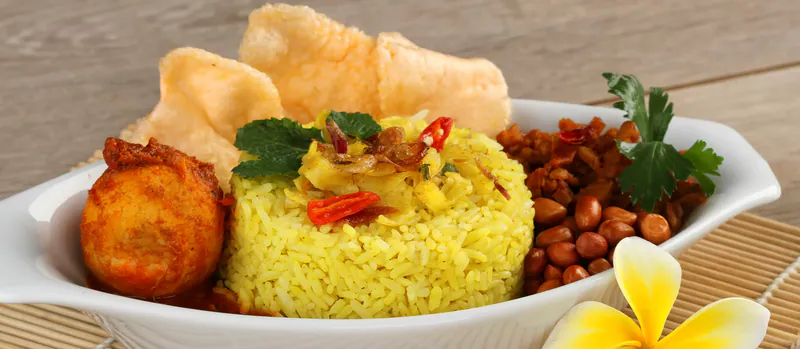
- Essential on the side of bobotie and Cape Malay curries with yellow rice.
Food safety
- Pour hot preserves into jars sterilised in boiling water or a 140 °C oven, seal at once and refrigerate after opening.
Storage
- Keeps 6 months in sealed sterilised jars in a cool, dark cupboard; refrigerate after opening and use within 1 month.
Variations
- Peach blatjang: Mostly fresh or dried peaches instead of apricots, especially in summer.
- Smooth blatjang: Fully blended into a pourable sauce, like the commercial bottled versions.
Original editorial recipe · FriendsPantry editorial · source: TasteAtlas (dish facts) · Not yet independently reviewed · Added
Sauces, chutneys & dips for this dish
Recipe DNA
How this dish is built
Grouped by each ingredient’s role in the dish. Each band’s width is its share of the dish by weight. Choose a component to see what it does.
What the dish is built around
Main ingredient
- Dried apricots, roughly chopped250 g
- Raisins100 g
- Peach, peeled, stoned and diced (optional)2 piece · 300 g
Reviews & corrections
Reviews come from signed-in cooks and appear after a moderator checks them. We never show made-up ratings.
You might also like
Bobotie
Cape Malay · 1 h 25 min · 480 kcalBoerewors with pap and sous
South African · 50 min · 981 kcal
Chakalaka
South African · 40 min · 179 kcal · Vegan
Cape Malay chicken curry
Cape Malay · 1 h 15 min · 355 kcal