
Oils & fats · Plant fats & spreads
Vegetable shortening
Solid white vegetable fat with no water or flavour, used for flaky pastry and tender baking.
Also called: shortening, crisco, white vegetable fat
What it is
Vegetable shortening is a solid fat made from vegetable oils processed to stay firm at room temperature. Unlike butter or margarine it contains no water and has no flavour, so pastry made with it is very short and flaky and cookies spread less. It is often sold in tubs or blocks.
How it’s used
- Pie crusts and biscuits
- Buttercream that holds in warm weather
- Greasing cake tins
- Frying doughnuts
Characteristics
- Texture
- Smooth, soft and white.
- Sold as
- whole
- Cooking uses
- Suitable for baking, Suitable for frying
- Common in
- American, Southern US, British, Canadian
Storage
Pantry-stable. Keep sealed in a cool cupboard; it slowly goes stale-smelling once opened.
Diet, allergens and safety
No major allergens in typical versions.
- Vegetarian
- Vegan
- Dairy-free
- Egg-free
- Gluten-free
- Nut-free
- Soy-free
- Caffeine-free
Nutrition per 100 g
- Energy
- 884 kcal
- Protein
- 0 g
- Carbohydrate
- 0 g
- Fat
- 99.97 g
- Fibre
- 0 g
- Sugars
- 0 g
USDA FoodData Central: Shortening, vegetable, household, composite.
Substitutes
Optional — what works if you don’t have it, and how it changes the dish.
Related ingredients
Recipes with vegetable shortening
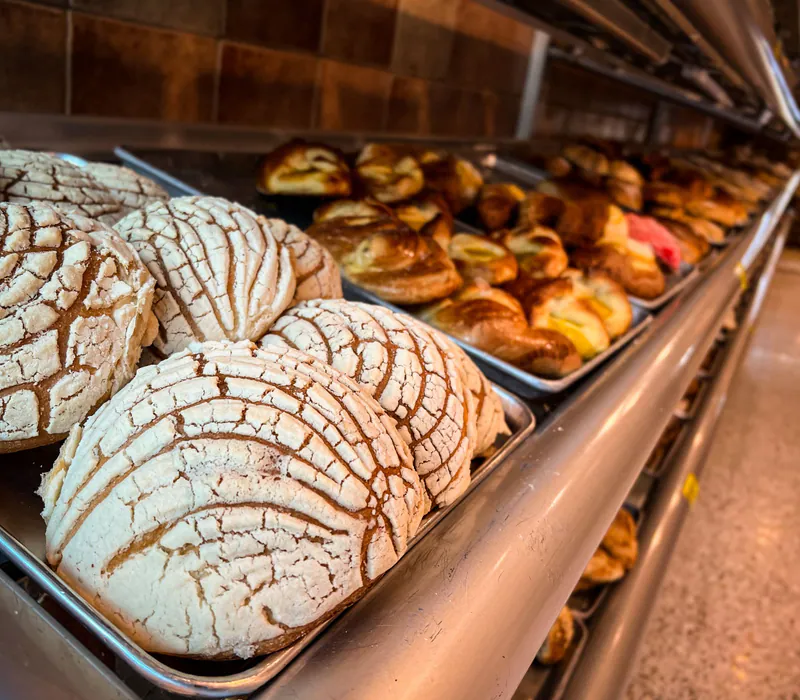
Conchas (Mexican sweet bread)
 Mexican · 3 h 40 min · 316 kcal · Contains egg
More plant fats & spreads
Plant fats & spreads
Palm nut cream (palm butter)
Thick red concentrate of palm fruit pulp, the base of West African palm nut soups and palm butter stew.
1 recipe
Plant fats & spreads
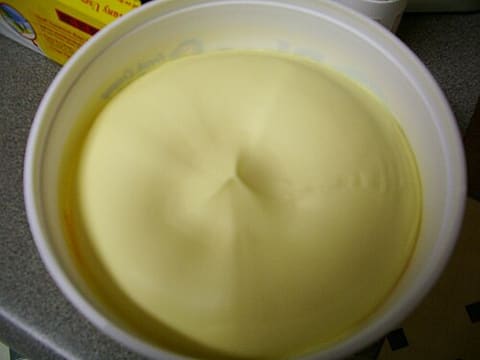
Plant-based butter
Dairy-free block or spread made from plant oils, used in place of butter for baking and spreading.
1 recipe