
Vegetables · Aromatic roots & stalks
Ginseng root
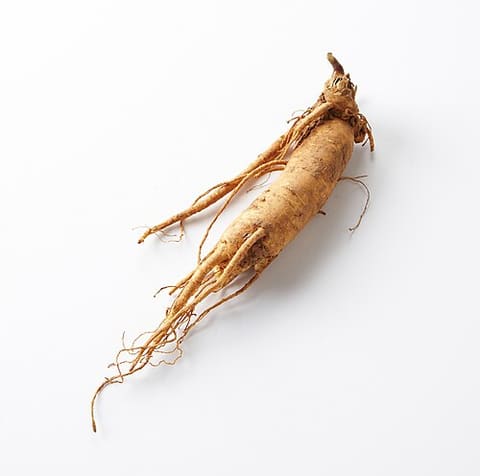
Pale, forked, bitter-sweet root simmered in Korean and Chinese soups such as samgyetang and in teas.
Also called: fresh ginseng, korean ginseng, insam, susam
Around the world: 인삼, insam (ko)
Photo: 국립국어원, via Wikimedia Commons (CC-BY-SA-2.0)
What it is
Fresh ginseng is a pale, beige, wrinkled root with a main body and thin trailing 'legs', often sold whole with rootlets. Korean insam is used fresh in cooking; dried red ginseng is steamed and dried. It is used in small amounts for its distinctive earthy bitterness, not as a bulk vegetable. It is unrelated to ginger.
Panax ginseng
How it’s used
- Stuffed into chicken for samgyetang
- Simmered in Chinese herbal soups
- Sliced and steeped in tea
- Candied or soaked in honey
Characteristics
Storage
Refrigerated. Wrap fresh roots in damp paper and refrigerate; use within a week or two. Dried ginseng keeps airtight in a cool, dry place.
Diet, allergens and safety
No major allergens in typical versions.
- Vegetarian
- Vegan
- Dairy-free
- Egg-free
- Gluten-free
- Nut-free
- Soy-free
- Caffeine-free
- Ginseng can interact with some medicines; people who are pregnant or on medication should check before eating it regularly.
Related ingredients

Recipes with ginseng root
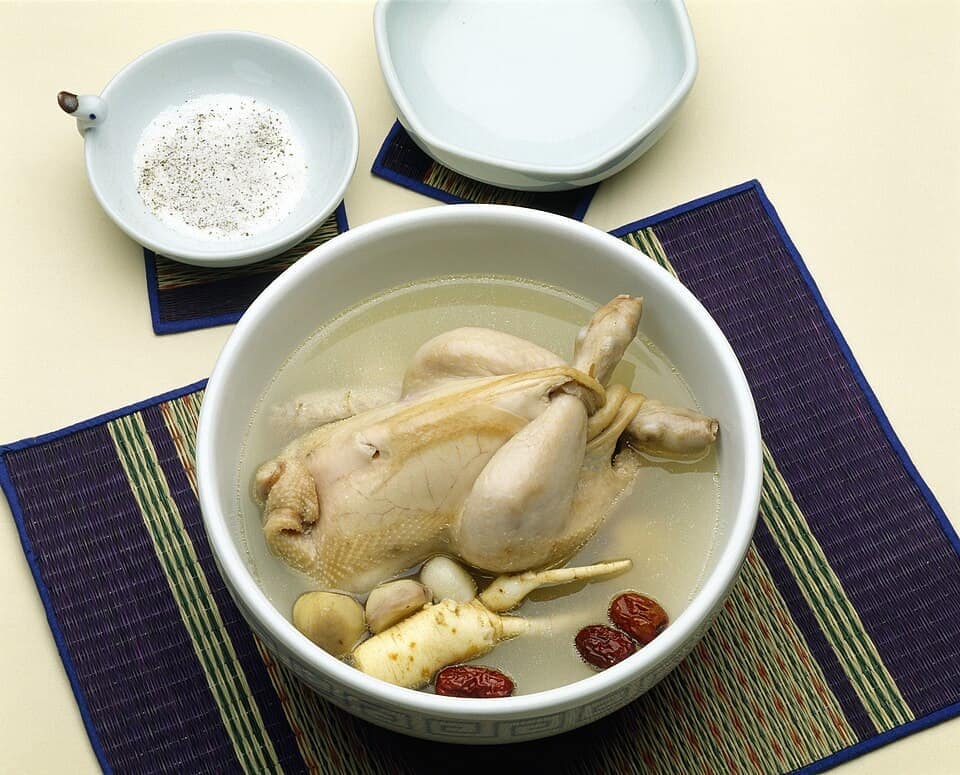
Samgyetang
 Korean · 2 h · 905 kcal
More aromatic roots & stalks
Aromatic roots & stalks
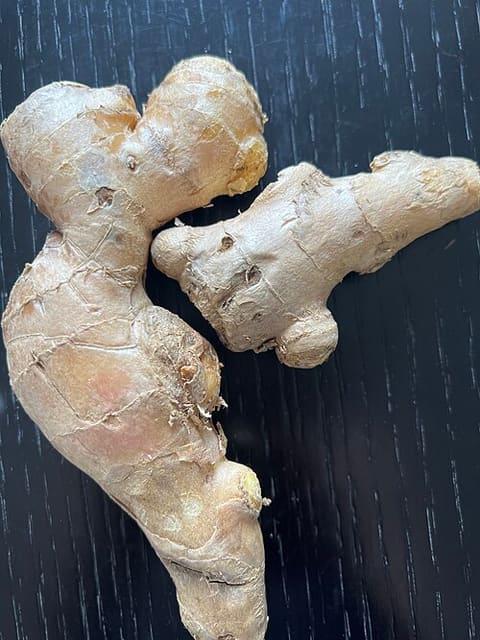
Fresh ginger
Knobbly, tan-skinned rhizome with hot, citrusy flesh, grated or sliced into curries, stir-fries, teas and baking.
357 recipes
Aromatic roots & stalks
Lemongrass
Tall, woody stalks with a lemony scent, bruised or minced into Southeast Asian curries, soups and pastes.
39 recipes
Aromatic roots & stalks
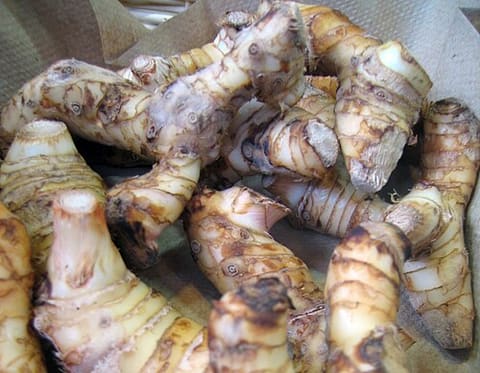
Galangal
Hard, pale rhizome with a peppery, piney citrus flavour; a key aromatic in Thai and Indonesian cooking.
27 recipes