
 Australian · Cantonese · Finger food
Salt and pepper calamari
Non-vegetarian
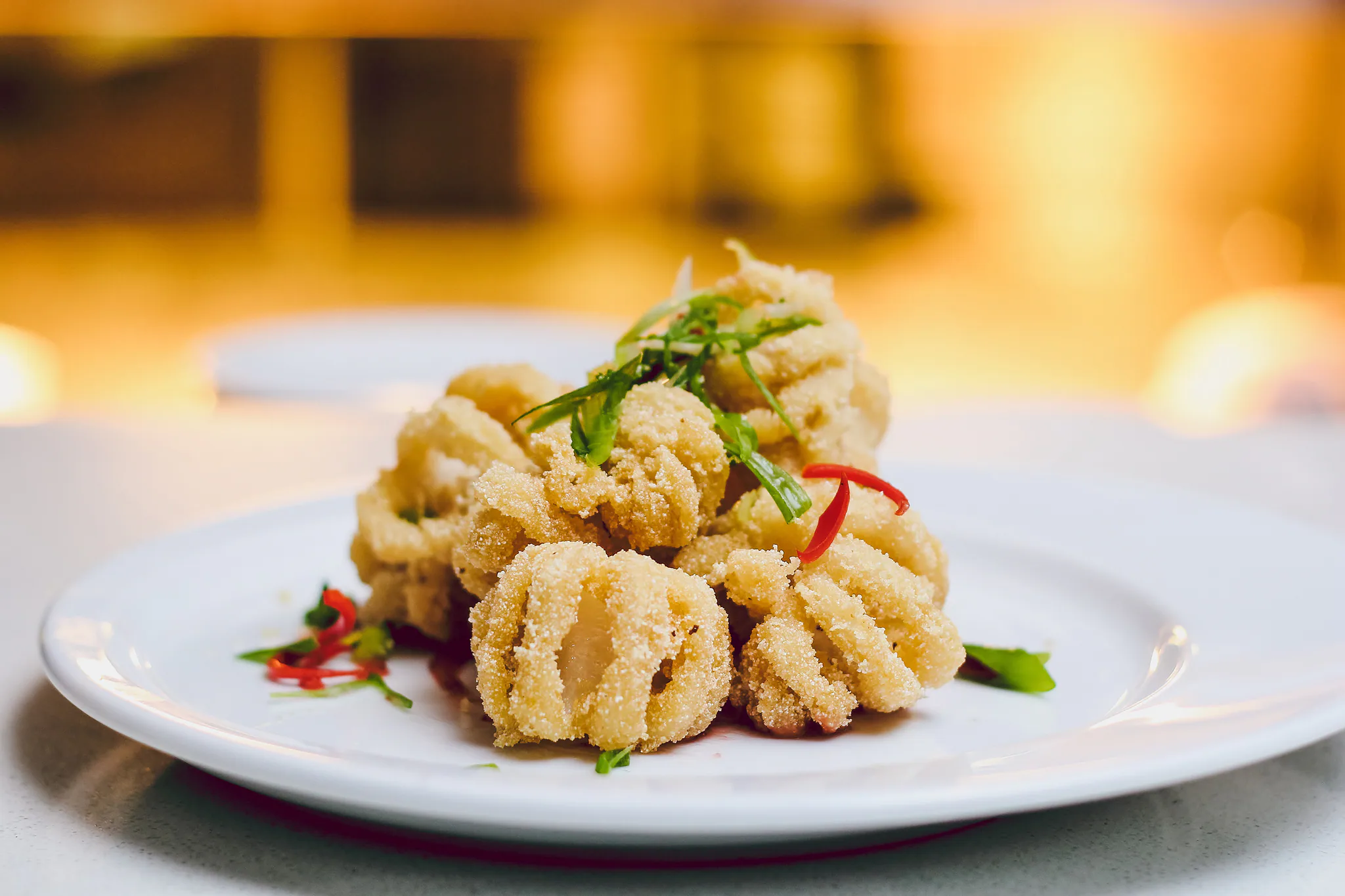
Strips of tender squid dusted in a crisp coating of flour, cornflour, salt and cracked pepper, fried in seconds and tossed with fried garlic, chilli and spring onion. Born of Cantonese salt-and-pepper cooking, it became a fixture of Australian pubs, clubs and cafés.
Salt and pepper calamari is an Australian starter, ready in about 47 minutes and made with squid, cornstarch and salt. It serves 4 and is rated easy to cook.
- Prep
- 20 min
- Cook
- 12 min
- Rest
- 15 min
- Total
- 47 min
- Serves
- 4
- Level
- Easy
- Calories
- 421
Main ingredients
Ingredients
For the squid
For the coating
For frying
For the garnish
To serve
Method
Squid
2 minStep 1
Soak the squid (opens in a new tab) strips in the milk (opens in a new tab) for 15 minutes while you prepare everything else.
Coating
2 minStep 2
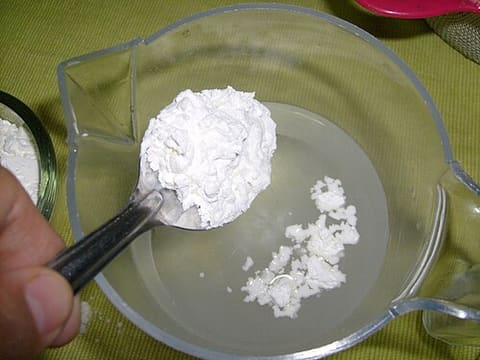
Mix the cornflour (opens in a new tab), flour, salt, black pepper (opens in a new tab), white pepper (opens in a new tab) and Sichuan pepper in a wide bowl.
Garnish
11 minStep 3
Heat the oil in a wok (opens in a new tab) or deep pan to 190 °C. Fry the sliced garlic (opens in a new tab) for 30–60 seconds until pale gold, then the chilli for 15 seconds; lift out onto paper towels.
- 5 min
- 190°C
- high heat
- Wok (opens in a new tab)
- Food thermometer (opens in a new tab)
- Slotted spoon (opens in a new tab)
Food safety: Never leave hot oil unattended; keep the pan's handle turned inwards and lower food in gently, away from you.
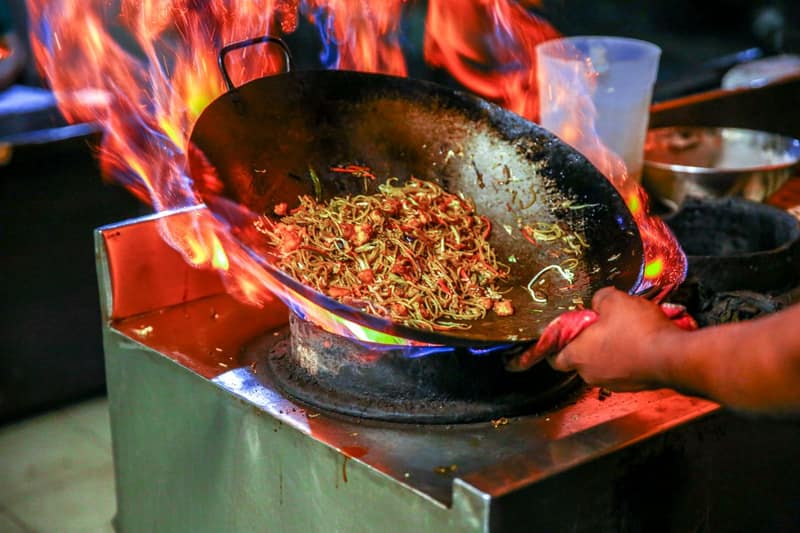
How it looks · Photo: Aesthos AR. Photography on Pexels Step 4
Drain the squid (opens in a new tab) well, toss a handful at a time in the seasoned flour and shake off the excess. Fry in small batches for 60–90 seconds, until just crisp and pale golden. Drain on paper towels.
- 6 min
- 190°C
- high heat
- Slotted spoon (opens in a new tab)
Squid toughens if fried longer than 2 minutes; keep batches small so the oil stays hot.
To serve
1 minStep 5
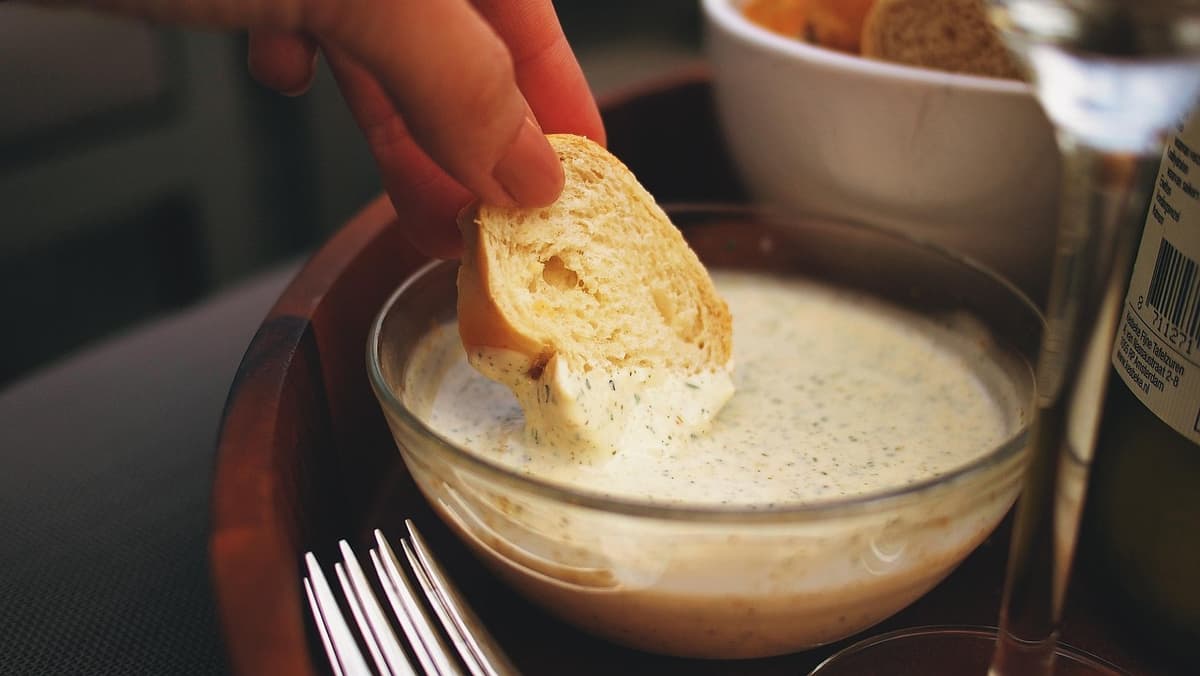
Toss the hot squid (opens in a new tab) with the fried garlic (opens in a new tab), chilli and spring onion (opens in a new tab) and a final pinch of salt. Serve at once with lemon (opens in a new tab) wedges and aioli.
- 1 min

How it looks · Photo: Willians Huerta on Pexels
At a glance
1 · Squid in a bowl
 Squid
 Milk
then mix
2 · Coating in a bowl
 Cornstarch
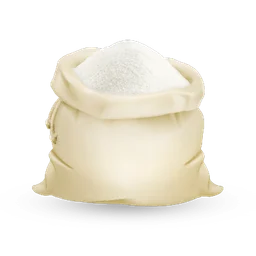 All-purpose flour
 Salt
 Black pepper
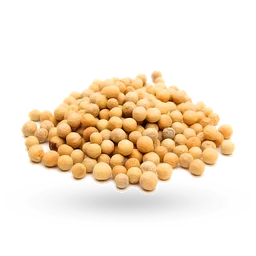 White pepper
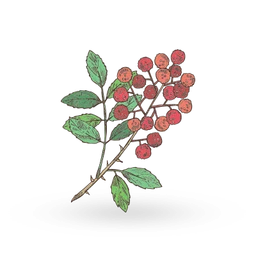 Sichuan peppercorns
then heat
3 · Garnish in a pan
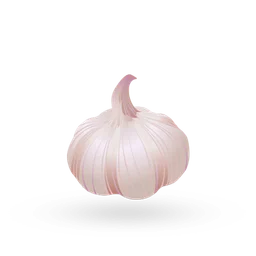 Garlic
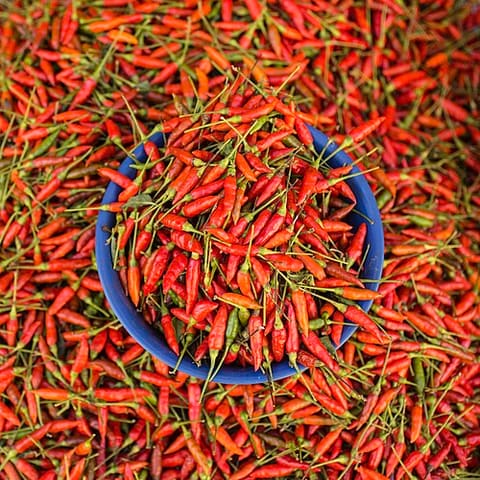 Fresh red chilli
 Spring onion
then toss
4 · To serve in a bowl
 Lemon
 Mayonnaise
About this dish
- Origin
- Australia · Commonly attributedAdapted from the Cantonese jiāo yán (salt and pepper) style of frying seafood; through Chinese-Australian restaurants it became one of Australia's most-ordered pub dishes.Also popular in New ZealandMore food from Australia
Australia - Dish
- Lunch · Dinner · Snack · Appetizers & starters · Finger food
- Cooking method
- Deep-fried
- Taste
- peppery, salty, savoury, spicy (chilli heat)
- Diet
- Pescatarian · No nut ingredients · High-proteinWithout the optional extras: Egg-freeWorked out from the ingredients. How labels work
All labels
Pescatarian · Non-vegetarian · No nut ingredients · No added sugar · Alcohol-free · Pork-free · Beef-free · High-protein · Calorie-conscious - Good for
- Street food · Child-friendly
- Cook more with
- Squid · Cornstarch · Milk · All-purpose flour · White pepper · Garlic
- Techniques
- Deep-frying
Allergens
- Contains: Milkfrom milk
- Contains, can be adapted: Eggsfrom mayonnaise
- Contains: Molluscsfrom squid
- Contains: Wheatfrom all-purpose flour
- Contains: Glutenfrom all-purpose flour
- May contain: Mustardfrom mayonnaise
Based on typical versions of these ingredients and not verified allergen-free. Brands differ and cross-contact happens, so always check labels. For severe allergies, follow your clinician’s advice.
Nutrition
421 kcal per serving
Calculated1 serving ≈ 301 g · recipe makes 4
Where the energy comes from
- Protein 27%
- Carbohydrate 37%
- Fat 37%
| Nutrient | Per serving | Per 100 g* |
|---|---|---|
| Energy | 421 kcal | 140 kcal |
| Protein | 27.9 g | 9.3 g |
| Carbohydrate | 38.4 g | 12.8 g |
| Net carbohydrate | 36.4 g | 12.1 g |
| Sugars | 4.3 g | 1.4 g |
| Added sugars | 0 g | 0 g |
| Fibre | 2 g | 0.7 g |
| Fat | 17 g | 5.6 g |
| Saturated fat | 2.7 g | 0.9 g |
| Trans fat | — | — |
| Cholesterol | 356 mg | 118 mg |
| Sodium | 1264 mg | 420 mg |
| Salt equivalent | 3.2 g | 1 g |
Vitamins & minerals per serving
- Potassium
- 573 mg
- Calcium
- 152 mg
- Iron
- 2.4 mg
- Magnesium
- 68 mg
- Vitamin A (RAE)
- 52 µg
- Vitamin C
- 26 mg
- Vitamin D
- 0.8 µg
- Vitamin B12
- 2.2 µg
- Folate (DFE)
- 65 µg
How these numbers were made
- Calculated from USDA FoodData Central (SR Legacy) per-100 g values and the listed quantities.
- *Per 100 g of combined raw ingredients; the cooked dish may weigh more or less.
- Optional ingredients are not included: sichuan peppercorns, mayonnaise.
- “—” means the value isn’t known for enough of the ingredients; it is never zero by default.
- Values are estimates for guidance, not for medical dosing. U.S. Department of Agriculture, Agricultural Research Service. FoodData Central, 2019. fdc.nal.usda.gov.
Good to know
Tips
- Scoring the inside of the tubes helps the coating cling and makes the strips curl attractively.
Common mistakes
- Overcooking the squid until rubbery.
- Coating the squid too early; the flour turns gluey within minutes.
Serve with
- Serve with rocket salad, lemon and aioli as a pub-style starter, with chips for a main.
Food safety
- Keep raw squid refrigerated and use it within a day of buying, or freeze it.
Storage
- Best eaten immediately.
Variations
- Cantonese jiāo yán yóu yú (China): The Cantonese original: squid fried in a thin starch coating, then wok-tossed with garlic, chilli and five-spice salt.
- Salt and pepper prawns or tofu: The same coating and garnish on peeled prawns or cubes of firm tofu.
Original editorial recipe · FriendsPantry editorial · source: TasteAtlas (dish facts) · Not yet independently reviewed · Added
Sauces, chutneys & dips for this dish
Recipe DNA
How this dish is built
Built from the recipe’s own sections. Each band’s width is its share of the dish by weight. Choose a component to see what it does.
Added at the end for aroma, freshness and richness
For the garnish
- Garlic, thinly sliced4 clove · 16 g
- Fresh red chilli, thinly sliced2 piece · 12 g
- Spring onion, thinly sliced3 piece · 45 g
Reviews & corrections
Reviews come from signed-in cooks and appear after a moderator checks them. We never show made-up ratings.
You might also like
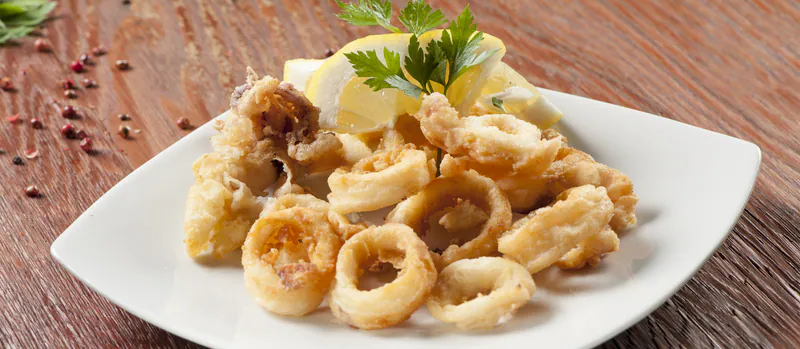
Kalamarakia tiganita (Greek fried calamari)
 Greek · 40 min · 463 kcal
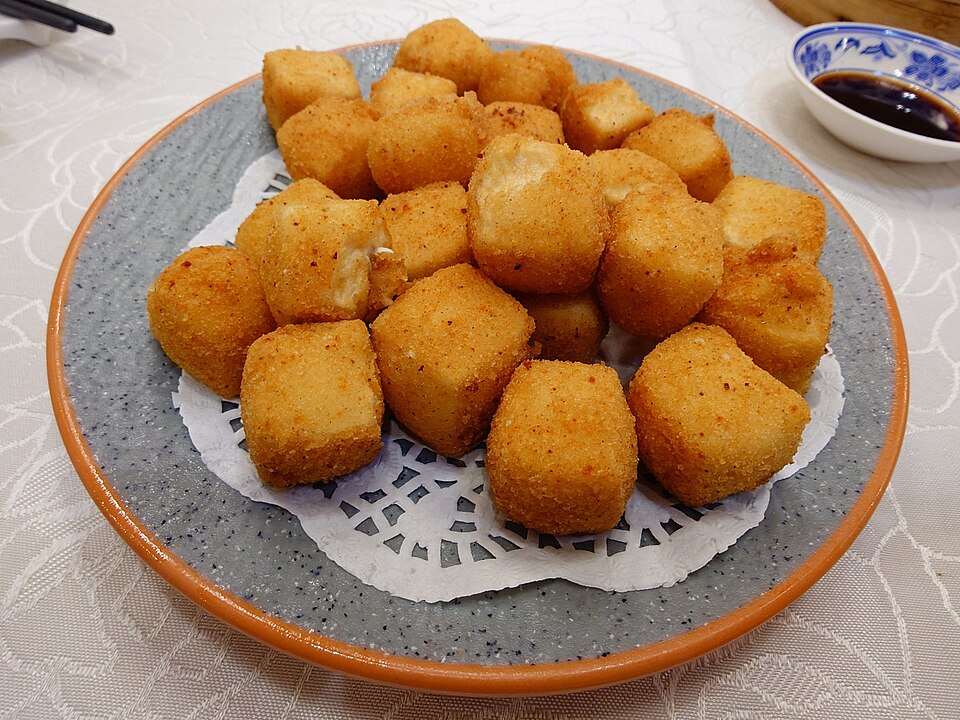
Salt and pepper tofu
 Cantonese · 35 min · 399 kcal · Vegan
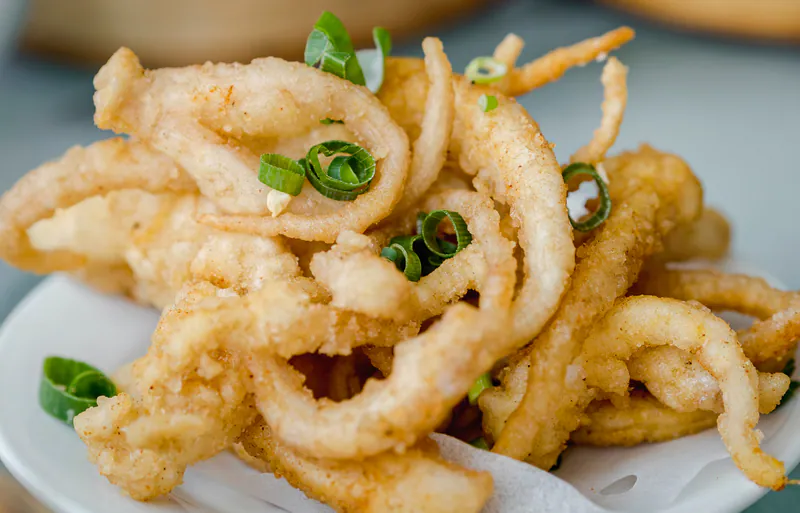
Jiao yan you yu (Cantonese salt-and-pepper squid)
Cantonese · 50 min · 344 kcal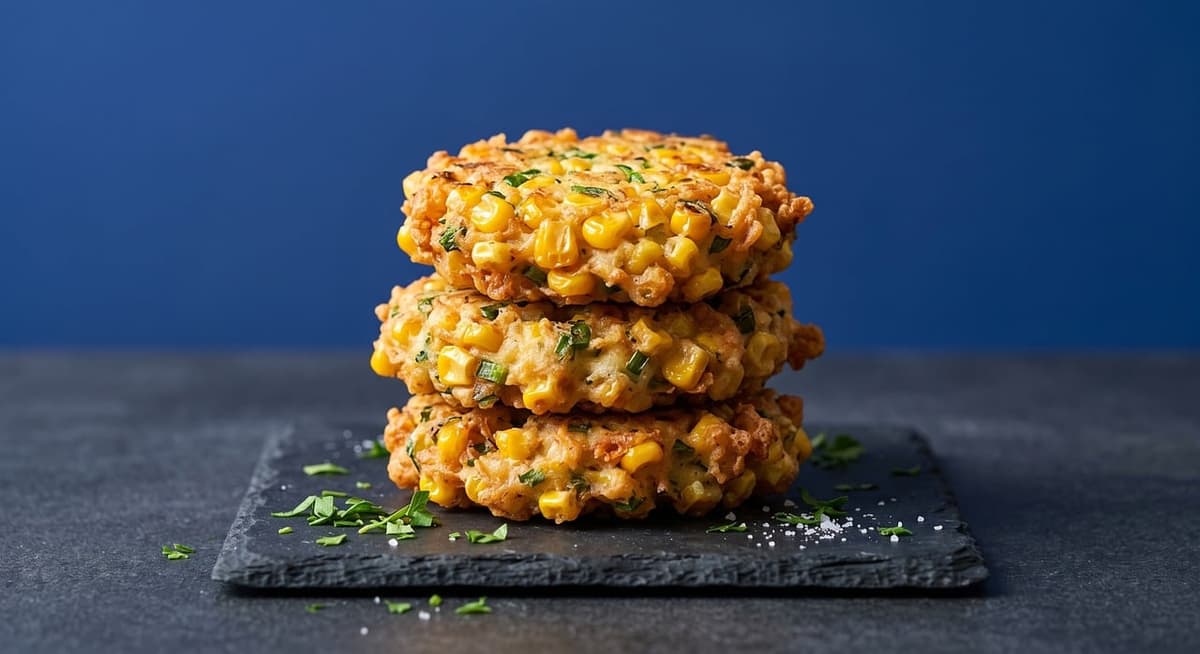
Corn fritters
 New Zealand · 25 min · 304 kcal