
Oils & fats · Plant fats & spreads
Plant-based butter
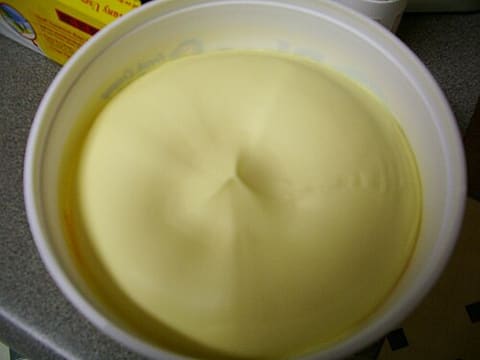
Dairy-free block or spread made from plant oils, used in place of butter for baking and spreading.
Also called: vegan butter, dairy-free butter, vegan block
Photo: Unknown author, via Wikimedia Commons (CC-BY-SA-2.0)
What it is
Plant-based butter is a blend of plant oils and fats (often palm, shea, coconut or rapeseed) with water, salt and emulsifiers, made to behave like dairy butter. Firm blocks are designed for baking; soft tub spreads have more water and give softer results. Check labels, as some margarines contain milk.
How it’s used
- Vegan pastry, cakes and cookies
- Spreading on toast
- Finishing vegetables and sauces
- Buttercream for dairy-free cakes
Characteristics
- When cooked
- Blocks cream and laminate much like butter; tub spreads can make cookies spread and pastry soggy.
- Sold as
- whole
- Cooking uses
- Suitable for baking, Commonly cooked
- Common in
- International
Storage
Refrigerated. Keep chilled and wrapped; freeze blocks for longer storage.
Diet, allergens and safety
No major allergens in typical versions. May contain Milk, Soy — check the label.
- Vegetarian
- Vegan
- Dairy-free (check label)
- Egg-free
- Gluten-free
- Nut-free
- Soy-free (check label)
- Caffeine-free
- Some brands contain soy, nuts or milk derivatives; read the label for allergens.
Nutrition per 100 g
- Energy
- 713 kcal
- Protein
- 0.22 g
- Carbohydrate
- 0.75 g
- Fat
- 80.17 g
- Fibre
- 0 g
- Sugars
- 0 g
USDA FoodData Central: Margarine, regular, 80% fat, composite, tub, with salt (a close stand-in).
Substitutes
Optional — what works if you don’t have it, and how it changes the dish.
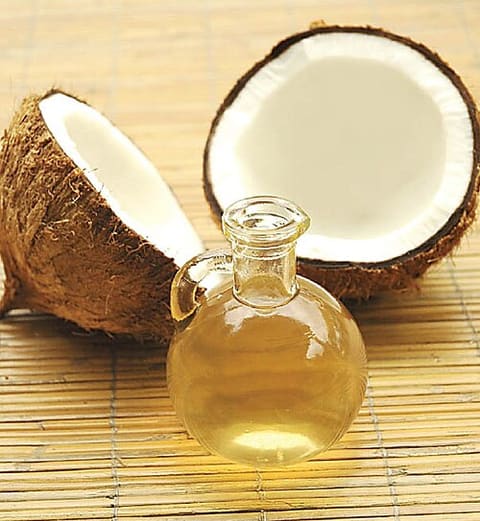
- Coconut oil — Use about 80% of the weight in baking since it has no water; adds coconut flavour unless refined.
Related ingredients
Recipes with plant-based butter
Vegan chocolate cake
International · 2 h 10 min · 367 kcal · Vegan