Cuisine
East African
Highland and lakeside cooking of maize porridge, beans, greens and grilled meat, alongside the spiced, coconut-rich Swahili cooking of the Indian Ocean coast.
Flavour character: Inland food is plain and filling, lifted by kachumbari and chilli; coastal Swahili food is aromatic with cardamom, cinnamon, cloves, cumin, coconut and tamarind.
History
Inland, pastoralist and farming peoples ate millet and sorghum porridges, beans, bananas and milk; maize, introduced from the Americas, later replaced older grains in ugali. The Swahili coast traded for centuries with Arabia, Persia and India, absorbing pilau, biryani, chapati, samosas and spices; Omani rulers established clove plantations on Zanzibar in the 19th century. Indian communities who arrived in the colonial era further shaped urban food.
Well documented
Geography and influences
Highlands and the Rift Valley, the shores of Lake Victoria, savanna grazing lands and the tropical Indian Ocean coast and islands.
- Bantu and Nilotic farming and herding traditions
- Arab, Persian and Indian traders on the Swahili coast
- Omani Zanzibar
- British colonial period and Indian communities
Regional variations
- Kenya highlands
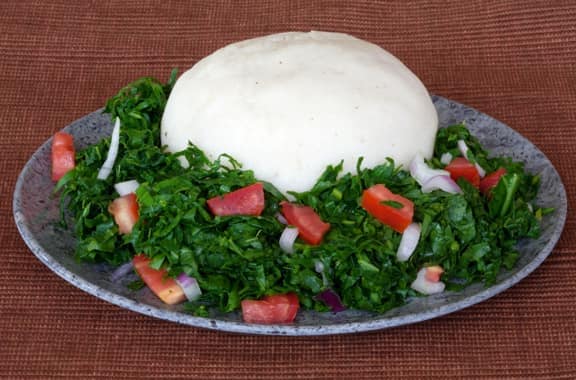
- Ugali, sukuma wiki, githeri and nyama choma.
- Swahili coast and Zanzibar
- Spiced pilau, coconut fish curries, urojo, cardamom-scented mandazi.
- Uganda
- Matoke, luwombo and the street-food rolex (chapati rolled with omelette).
Festive and seasonal food
- Pilau and biryani at Eid and weddings on the coast
- Nyama choma for celebrations
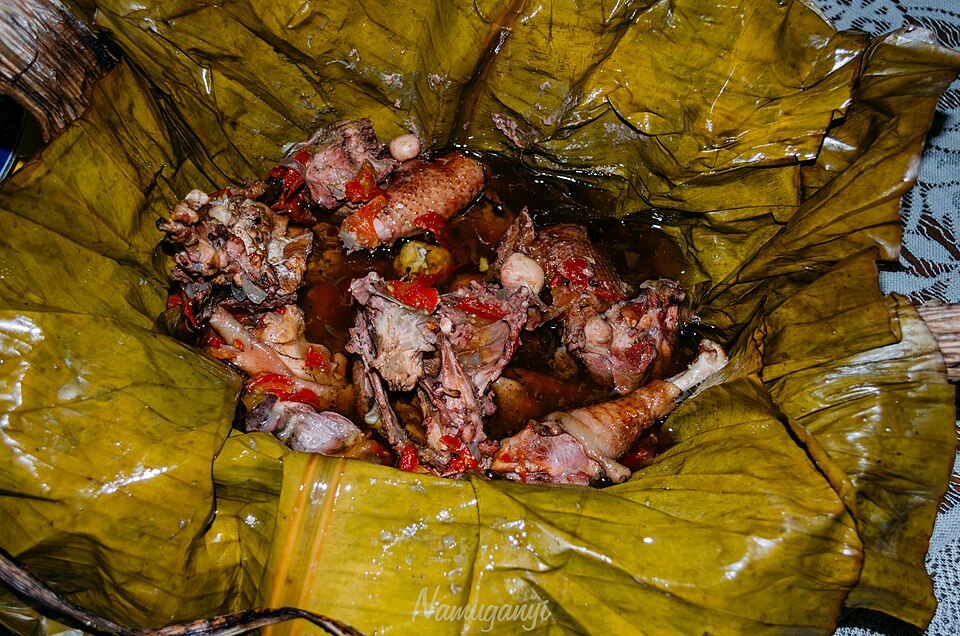
- Luwombo (food steamed in banana leaves) for Buganda feasts
Signature dishes
- Ugali
- Sukuma wiki
- Nyama choma
- Kenyan beef pilau
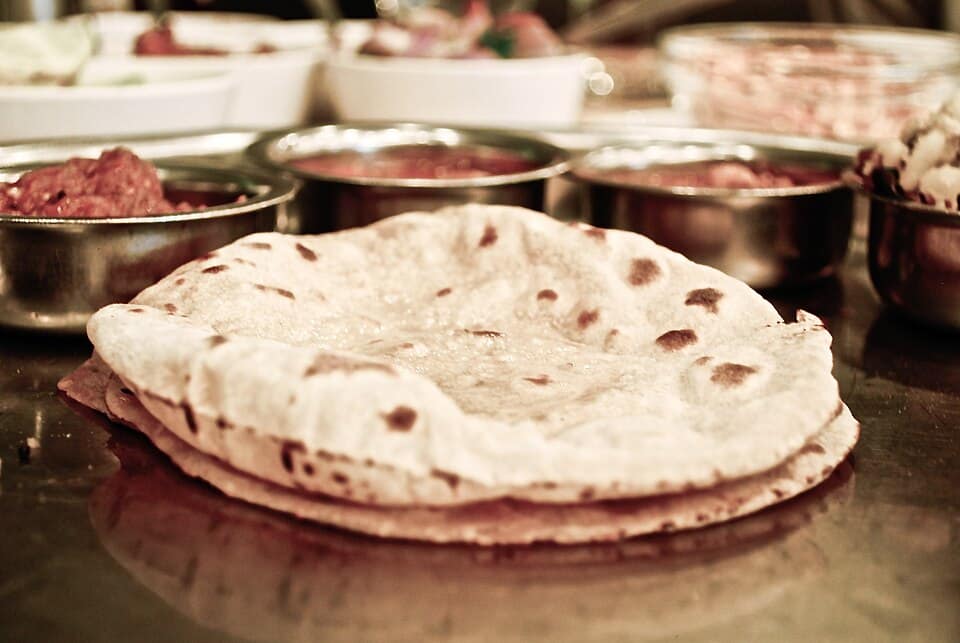
- Kenyan chapati
- Mandazi
- Githeri
- Kachumbari
- Maharagwe (coconut bean stew)
- Mchuzi wa samaki
- Zanzibar pizza
- Mshikaki
- Chipsi mayai
- Matoke with groundnut sauce
- Luwombo
- Rolex
Not on the site yet: Mutura (Kenyan blood sausage), Urojo (Zanzibar mix), Isombe (Rwanda)
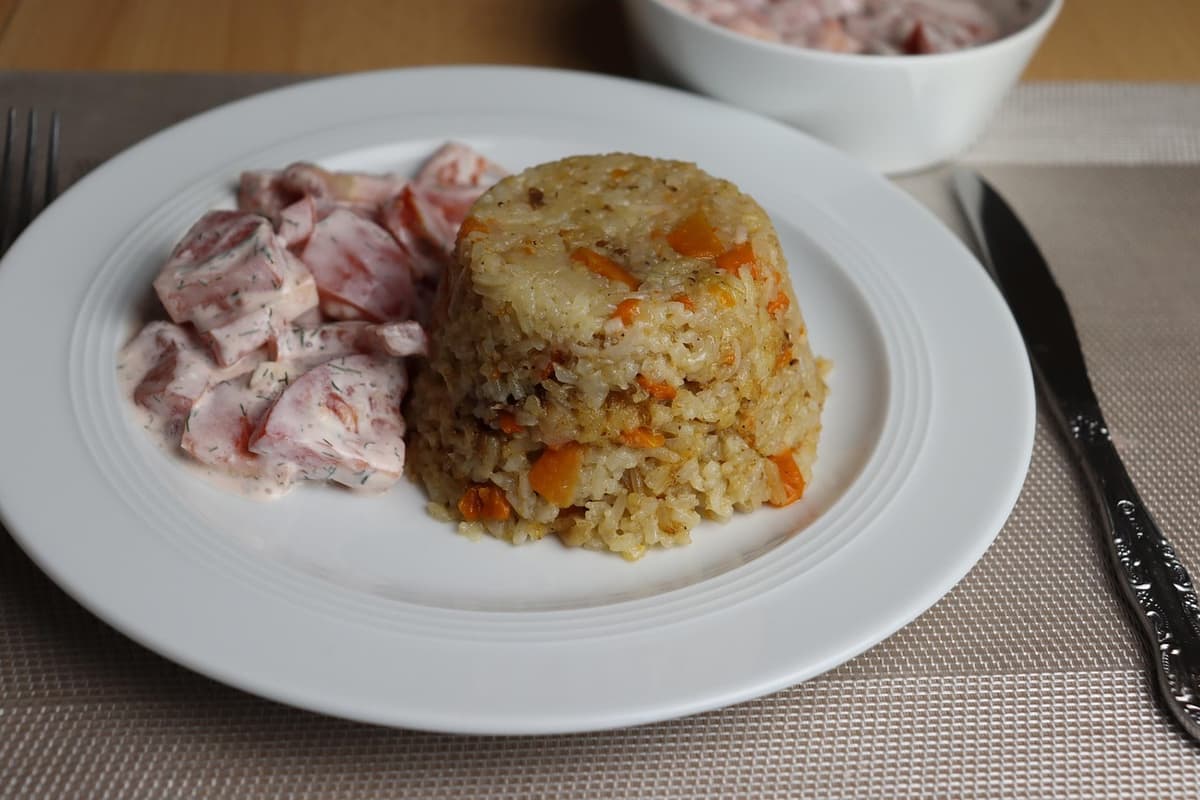
 Burundian · 2 h 45 min · 589 kcal
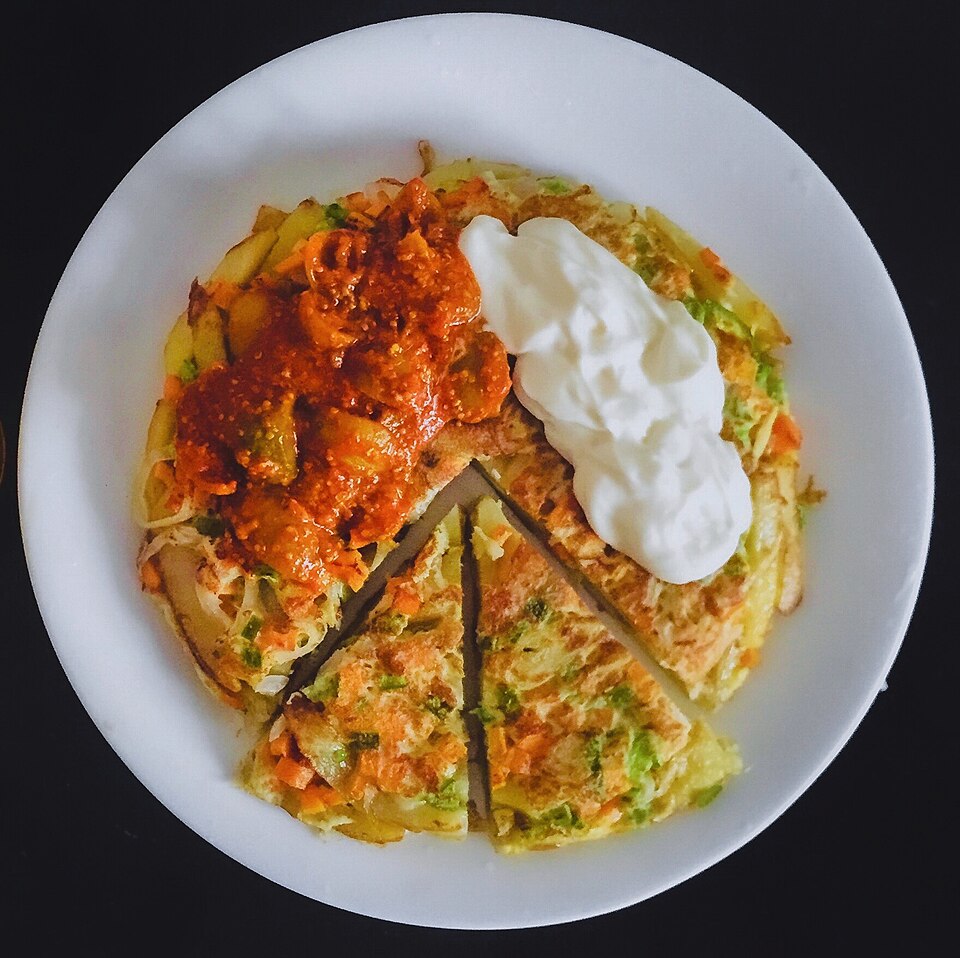
 Tanzanian · 30 min · 579 kcal ·
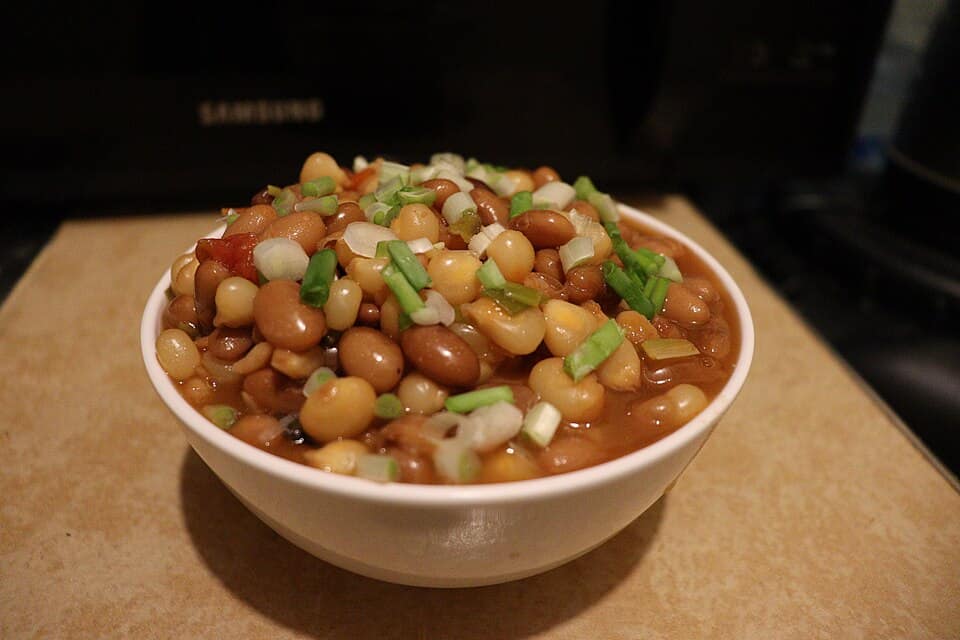
 Kenyan · 40 min · 362 kcal ·
 Rwandan · 45 min · 198 kcal ·
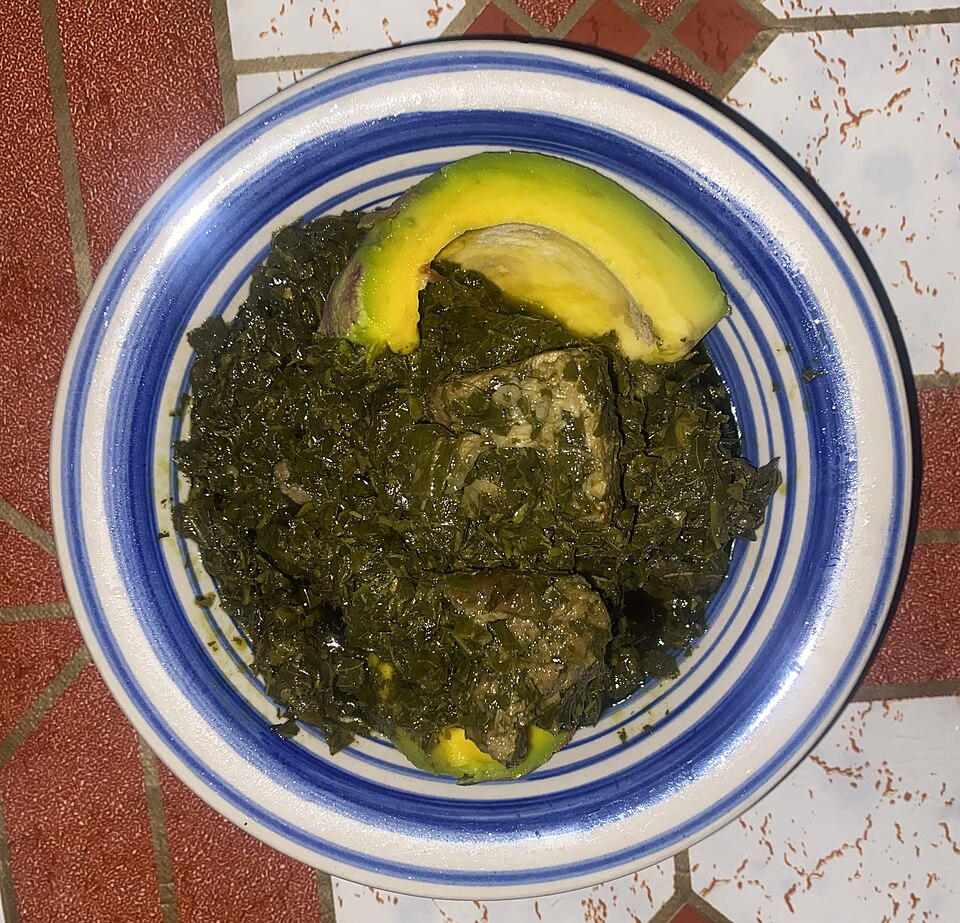
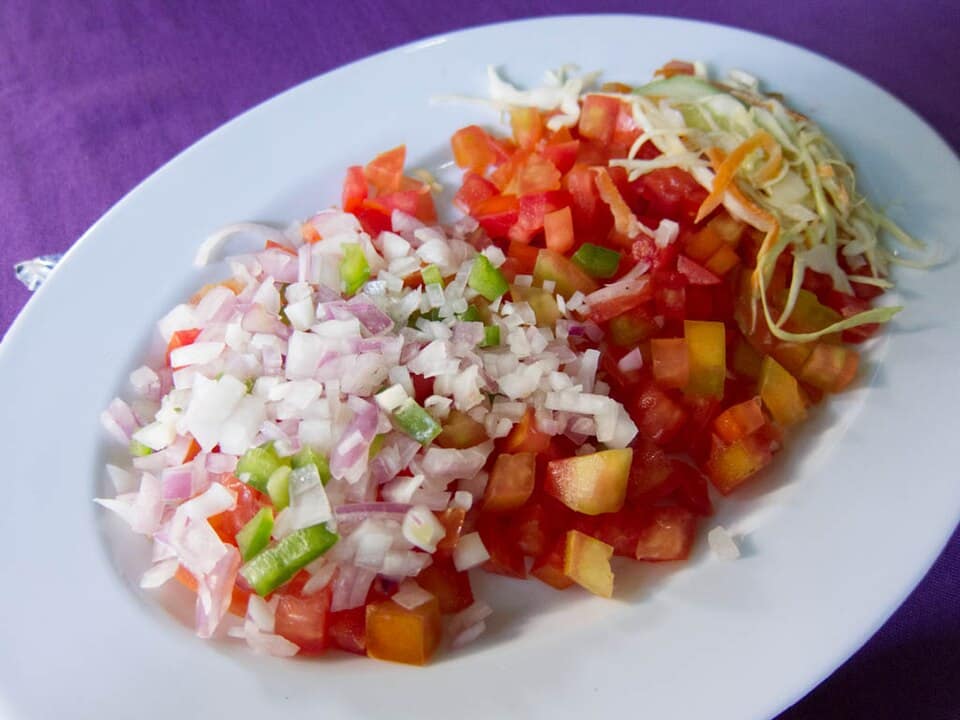
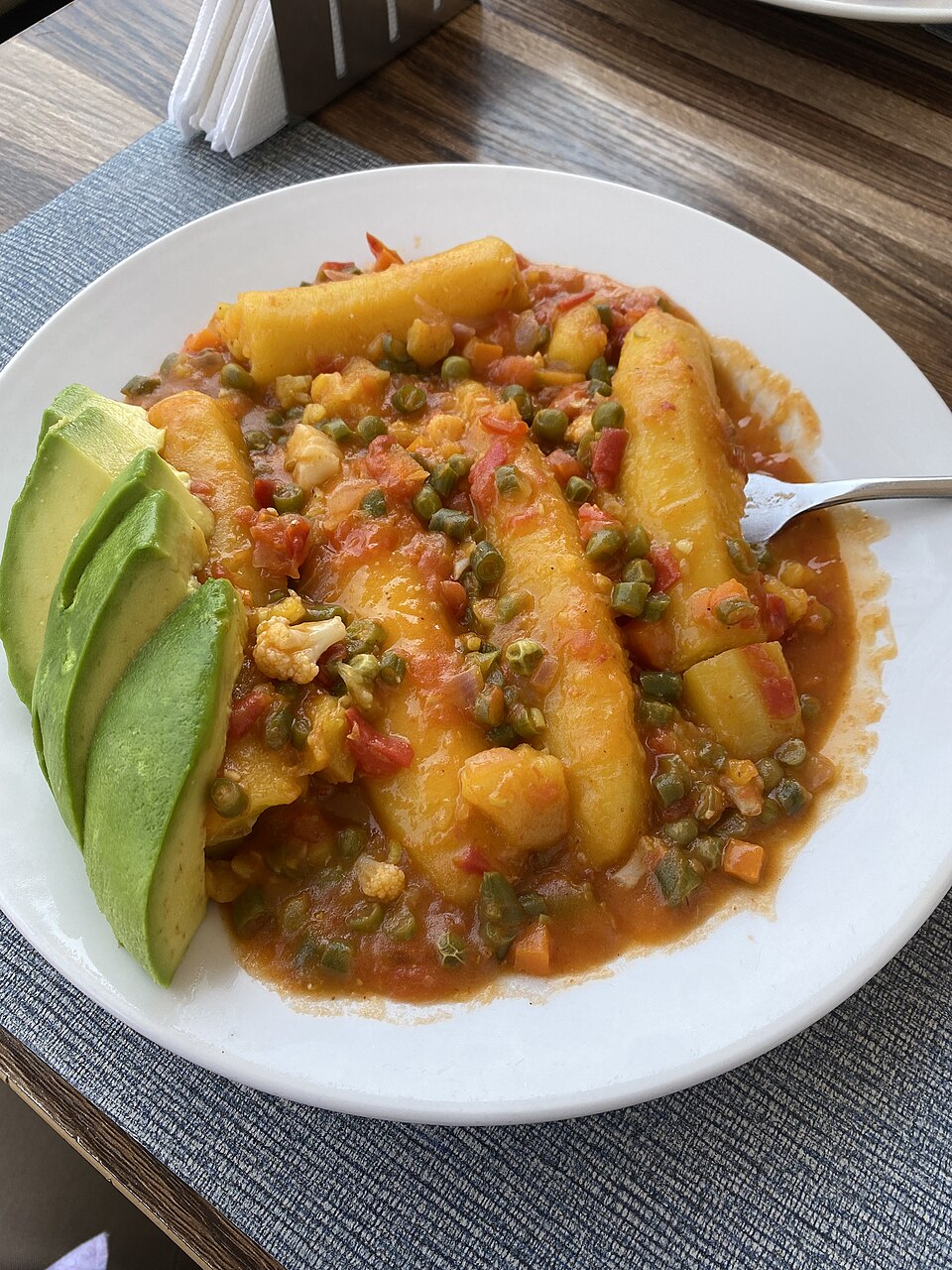
 Ugandan · 50 min · 571 kcal ·