
Pastel de Tentúgal (egg-custard filo pastry)
Contains egg (no meat or fish)
Pastel de Tentúgal
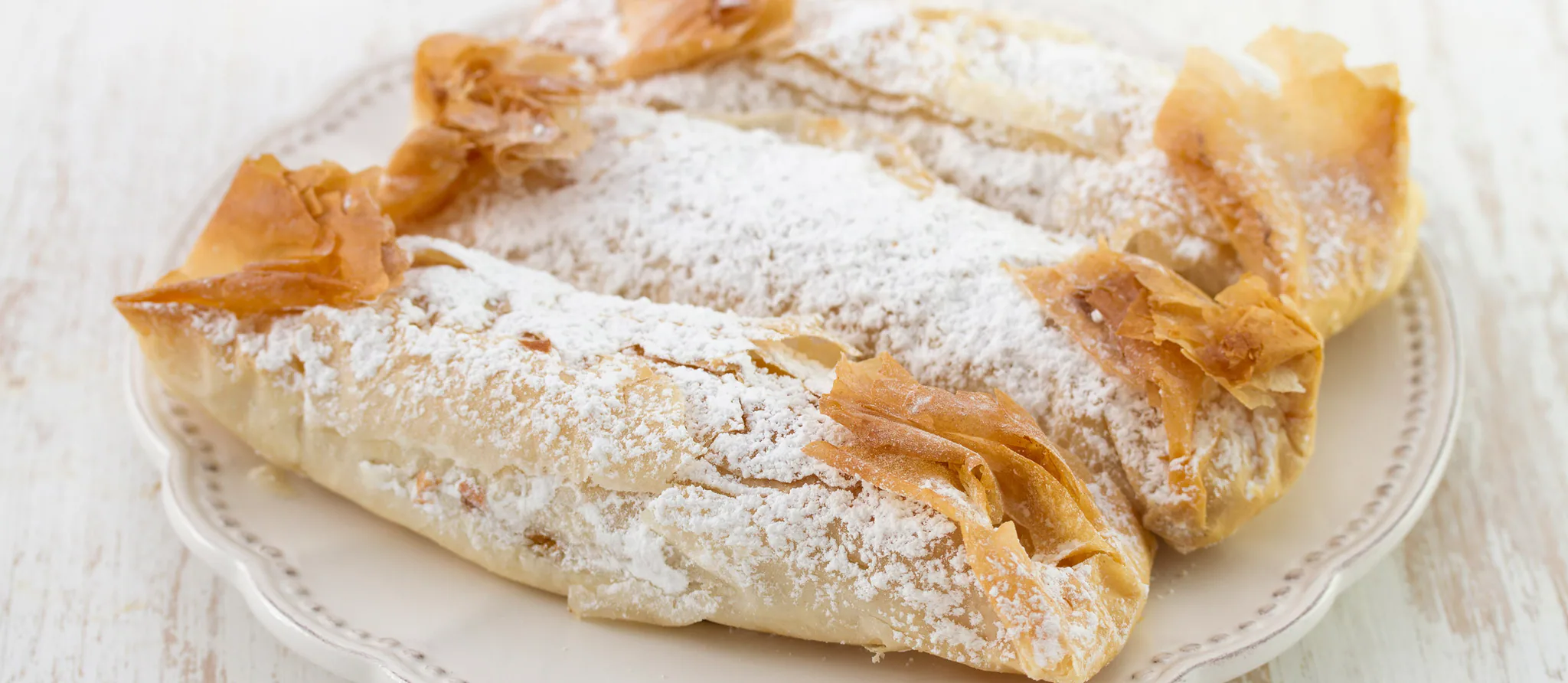
A crackling parcel of paper-thin buttered pastry wrapped around doces de ovos, a rich custard of egg yolks cooked in sugar syrup, and dusted with icing sugar. This home version uses filo in place of the convent dough that was famously stretched thin enough to read through.
Pastel de Tentúgal (egg-custard filo pastry) is a Portuguese pastry from Portugal, ready in about 1 hour 35 minutes and made with sugar, egg yolk and filo pastry. It serves 8 and is rated intermediate to cook.
- Prep
- 40 min
- Cook
- 35 min
- Rest
- 20 min
- Total
- 1 h 35 min
- Serves
- 8
- Level
- Intermediate
- Calories
- 342
Main ingredients
Ingredients
For the doces de ovos
For the pastry
To finish
Method
Doces de ovos
18 minStep 1
Boil the sugar (opens in a new tab) and water in a small pan until the syrup reaches 110 °C (a thread forms between two fingers dipped in cold water and then in the syrup), about 6 minutes. Let it cool for 5 minutes.
Step 2
Whisk (opens in a new tab) the yolks in a bowl and pour in the syrup in a thin stream, whisking all the time. Return to the pan and cook over low heat, stirring constantly, until thick enough to coat the spoon heavily, 6–8 minutes. Transfer to a bowl, cover the surface and cool completely, about 20 minutes.
- 10 min
- low heat
- Whisk (opens in a new tab)
Keep the heat low; if the yolks boil they scramble.
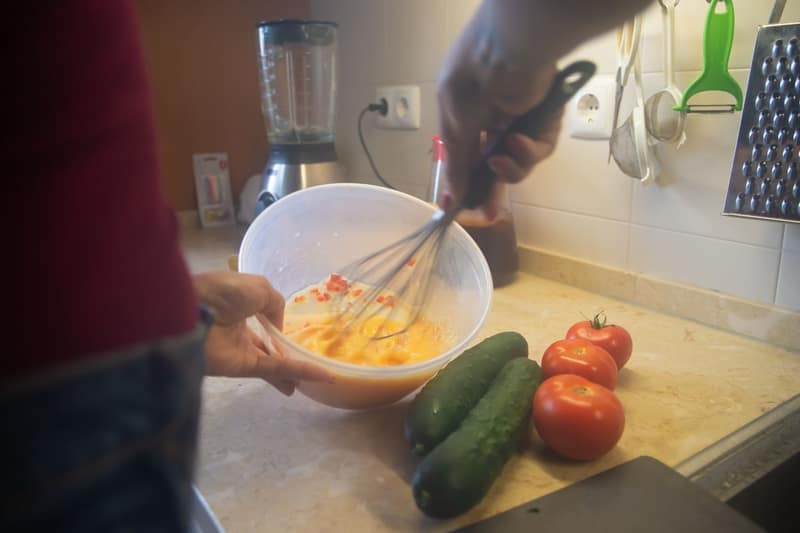
How it looks · Photo: Kampus Production on Pexels
Pastry
23 minStep 3
Heat the oven (opens in a new tab) to 190 °C and line a tray with baking paper. Keep the filo (opens in a new tab) under a damp cloth. Brush one sheet lightly with butter (opens in a new tab), lay another on top, brush again and add a third.
- 8 min
- 190°C
- Pastry brush (opens in a new tab)
Step 4
Cut the stack into rectangles about 15 × 20 cm. Spoon a line of about 1½ tbsp custard along one short edge, fold in the long sides and roll up loosely into a flat parcel. Brush with butter (opens in a new tab) and place seam side down on the tray. Repeat to make 8.
- 15 min
To finish
17 minStep 5
Bake for 15–18 minutes until golden and crisp. Cool slightly and dust with icing sugar (opens in a new tab).
At a glance
1 · Doces de ovos in a pan
 Sugar
 Egg yolk
then heat
2 · Pastry in a bowl
- Filo pastry
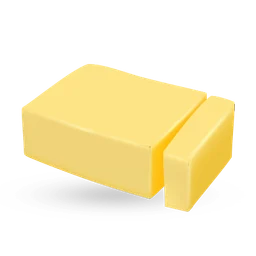 Butter
then bake
3 · To finish in a bowl
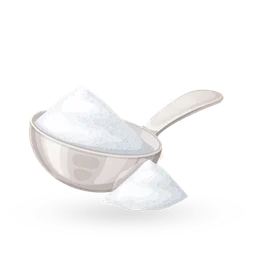 Icing sugar
About this dish
- Origin
- Tentúgal (Montemor-o-Velho, Coimbra district), Portugal · Well documentedFirst made by Carmelite nuns at the convent of Tentúgal in the 16th century, who stretched the dough across sheet-covered rooms. Today it carries an EU protected geographical indication and was voted one of the seven wonders of Portuguese gastronomy.More food from Portugal
Portugal - Dish
- Dessert · Snack · Pastries · Desserts
- Cooking method
- Simmered, Oven-baked
- Taste
- sweet, buttery, rich
- Diet
- Vegetarian (lacto-ovo) · No nut ingredientsWorked out from the ingredients. How labels work
All labels
Vegetarian (lacto-ovo) · Eggetarian · Pescatarian · Flexitarian-friendly · No nut ingredients · Alcohol-free · Pork-free · Beef-free - Good for
- Festive & celebration
- Cook more with
- Sugar · Egg yolk · Filo pastry · Butter · Icing sugar
Allergens
- Contains: Milkfrom butter
- Contains: Eggsfrom egg yolk
- Contains: Wheatfrom filo pastry
- Contains: Glutenfrom filo pastry
Based on typical versions of these ingredients and not verified allergen-free. Brands differ and cross-contact happens, so always check labels. For severe allergies, follow your clinician’s advice.
Nutrition
342 kcal per serving
Calculated1 serving ≈ 100 g · recipe makes 8
Where the energy comes from
- Protein 6%
- Carbohydrate 51%
- Fat 43%
| Nutrient | Per serving | Per 100 g* |
|---|---|---|
| Energy | 342 kcal | 341 kcal |
| Protein | 5 g | 5 g |
| Carbohydrate | 43.9 g | 43.9 g |
| Net carbohydrate | 43.3 g | 43.3 g |
| Sugars | 26.9 g | 26.9 g |
| Added sugars | 26.8 g | 26.8 g |
| Fibre | 0.6 g | 0.6 g |
| Fat | 16.5 g | 16.5 g |
| Saturated fat | 8.5 g | 8.5 g |
| Trans fat | — | — |
| Cholesterol | 211 mg | 211 mg |
| Sodium | 240 mg | 240 mg |
| Salt equivalent | 0.6 g | 0.6 g |
Vitamins & minerals per serving
- Potassium
- 45 mg
- Calcium
- 30 mg
- Iron
- 1.5 mg
- Magnesium
- 6 mg
- Vitamin A (RAE)
- 150 µg
- Vitamin C
- 0 mg
- Vitamin D
- 0.9 µg
- Vitamin B12
- 0.4 µg
- Folate (DFE)
- 68 µg
How these numbers were made
- Calculated from USDA FoodData Central (SR Legacy) per-100 g values and the listed quantities.
- *Per 100 g of combined raw ingredients; the cooked dish may weigh more or less.
- “—” means the value isn’t known for enough of the ingredients; it is never zero by default.
- Values are estimates for guidance, not for medical dosing. U.S. Department of Agriculture, Agricultural Research Service. FoodData Central, 2019. fdc.nal.usda.gov.
Good to know
Tips
- Use as little butter as possible between the layers — the original is light and dry-crisp, not greasy.
- The leftover egg whites make meringues or suspiros.
Common mistakes
- Rolling too tightly, so the custard bursts out during baking.
Serve with
- Serve with a small black coffee (bica) or a glass of tawny port.
Food safety
- The yolks are cooked in hot syrup; still cool the custard quickly and keep the pastries cool.
Storage
- Best on the day of baking; keep at cool room temperature, loosely covered, for up to 2 days.
Variations
- Savoury pastel de Tentúgal: A newer version filled with chicken, codfish or cheese instead of egg custard.
- Ovos moles de Aveiro: The same egg-yolk and sugar cream, served in thin wafer shells shaped like shells and fish.
History
Portugal's convents used vast numbers of egg yolks left over after whites were used to starch linen and clarify wine, giving rise to dozens of egg sweets (doces conventuais), of which the Tentúgal pastry is one of the most celebrated.
Confidence: Commonly attributed
Original editorial recipe · FriendsPantry editorial · source: TasteAtlas (dish facts) · Not yet independently reviewed · Added
Recipe DNA
How this dish is built
Built from the recipe’s own sections. Each band’s width is its share of the dish by weight. Choose a component to see what it does.
Reviews & corrections
Reviews come from signed-in cooks and appear after a moderator checks them. We never show made-up ratings.
You might also like
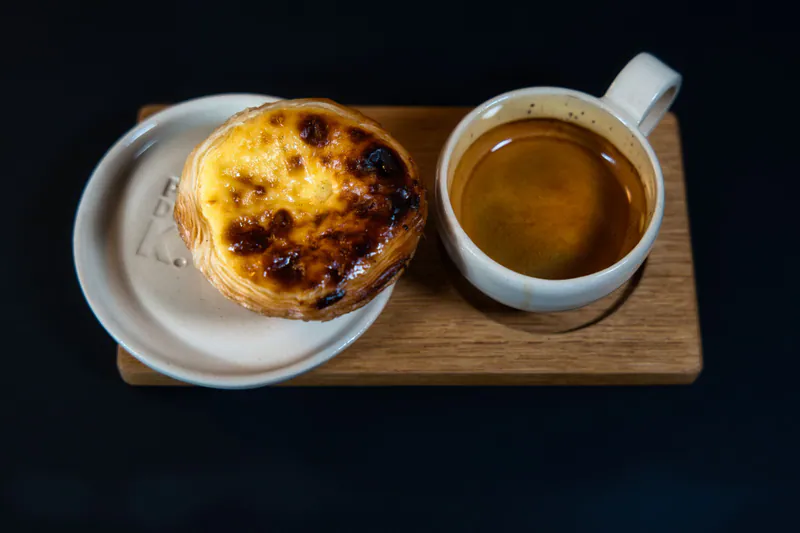
Pastéis de nata
 Portuguese · 1 h 10 min · 263 kcal · Contains egg
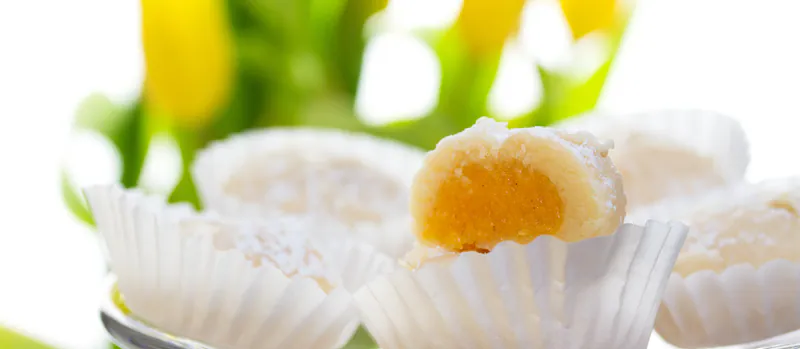
Queijinhos de amêndoa (Algarve almond 'little cheeses')
Portuguese · 4 h 40 min · 173 kcal · Contains egg
Arroz doce
Portuguese · 1 h 55 min · 278 kcal · Contains egg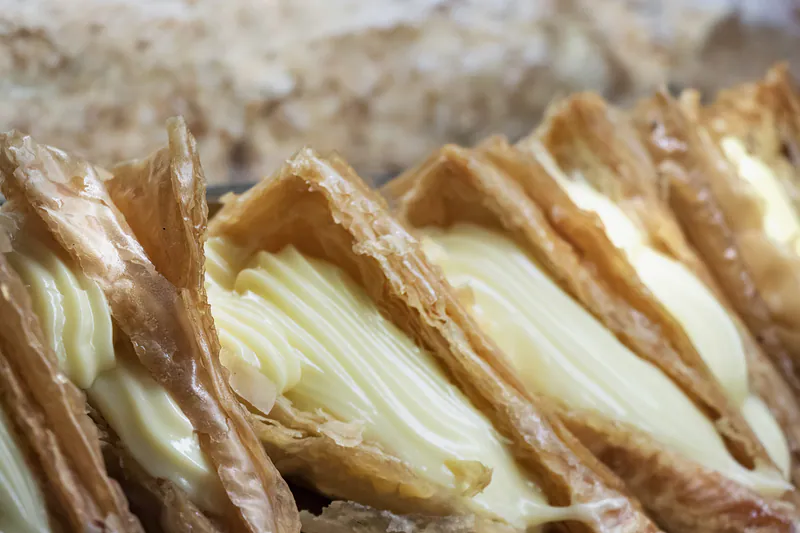
Trigona Panoramatos (custard-filled phyllo cones)
 Greek · 4 h 25 min · 388 kcal · Contains egg