
 Haitian · Caribbean · Porridge & cereals
Mayi moulen (Haitian savoury cornmeal)
Vegetarian
Mayi moulen
Fine cornmeal cooked slowly with garlic, onion, thyme, spring onion, parsley and a whole hot pepper until thick, smooth and savoury, finished with butter. Eaten across Haiti at any meal, usually with bean sauce, avocado, fish or a stew.
Mayi moulen (Haitian savoury cornmeal) is a Haitian porridge, ready in about 45 minutes and made with garlic, thyme (fresh) and cornmeal. It serves 4 and is rated easy to cook.
No licensed photograph of this dish yet.
- Prep
- 10 min
- Cook
- 35 min
- Total
- 45 min
- Serves
- 4
- Level
- Easy
- Calories
- 355
Main ingredients
Method
Step 1
Heat the oil in a heavy saucepan (opens in a new tab) and soften the onion (opens in a new tab) for 4 minutes. Add the garlic (opens in a new tab), spring onion (opens in a new tab), thyme (opens in a new tab) and half the parsley (opens in a new tab) and cook for 1 minute until fragrant.
- 5 min
- medium heat
- Saucepan (opens in a new tab)
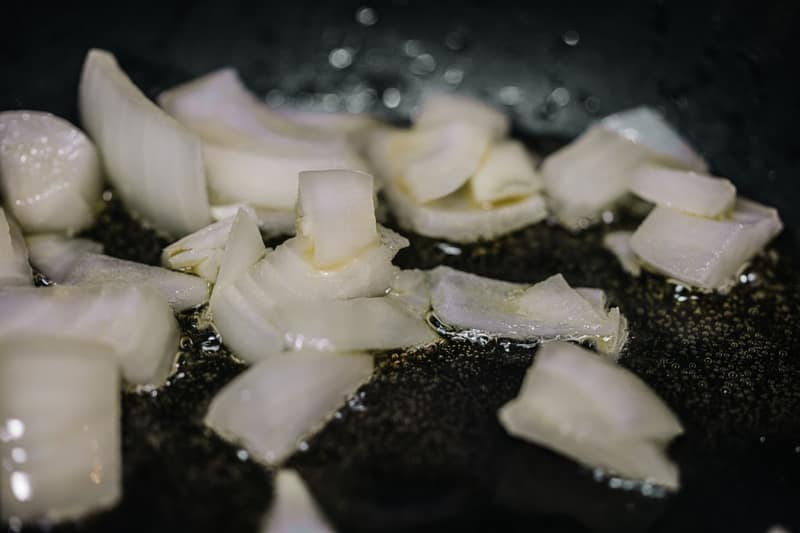
How it looks · Photo: Magda Ehlers on Pexels Step 2
Pour in the water, add the salt and the whole hot pepper and bring to the boil.
- 5 min
- high heat
Step 3
Whisking constantly, rain in the cornmeal (opens in a new tab) in a thin stream so no lumps form. Turn the heat to low.
- 2 min
- medium heat
- Whisk (opens in a new tab)
Food safety: Thickening cornmeal spits; stand back and use a long-handled whisk.
Step 4
Cover and cook gently for 20–25 minutes, stirring firmly every few minutes with a wooden spoon (opens in a new tab) and scraping the bottom, until the cornmeal (opens in a new tab) is thick, smooth and no longer gritty. Add a splash of hot water if it stiffens before it is cooked.
- 25 min
- low heat
- Wooden spoon (opens in a new tab)
Step 5
Remove the hot pepper and thyme (opens in a new tab) stems, stir in the butter (opens in a new tab) and the rest of the parsley (opens in a new tab), and serve hot.
- 2 min
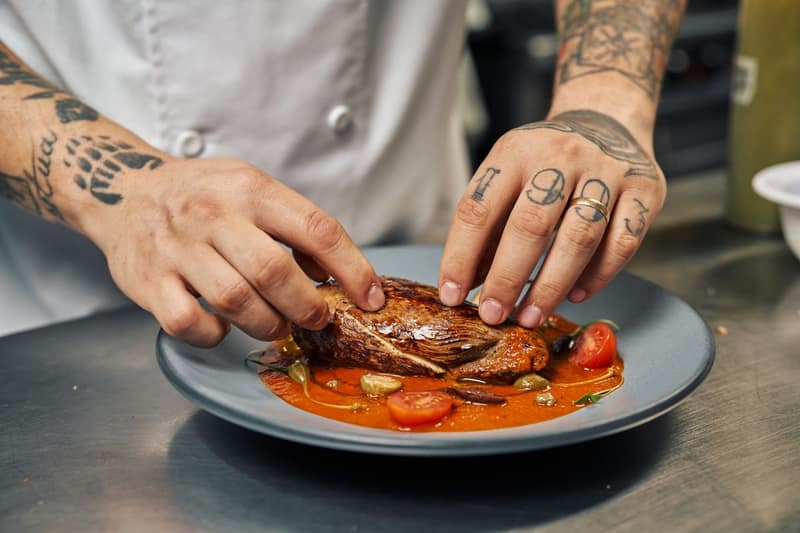
How it looks · Photo: Willians Huerta on Pexels
At a glance
 Neutral vegetable oil
 Onion
 Garlic
- Spring onion
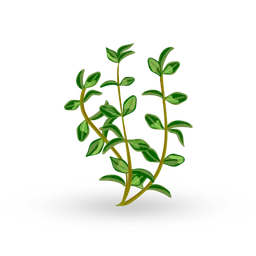 Thyme (fresh)
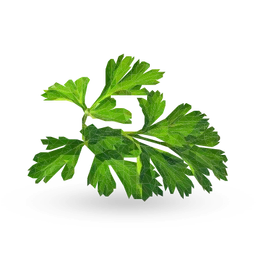 Parsley
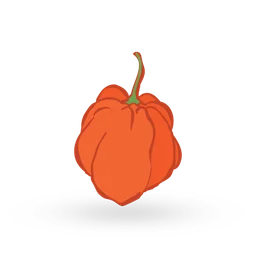 Scotch bonnet pepper
 Salt
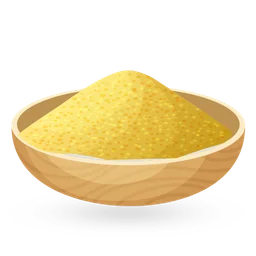 Cornmeal
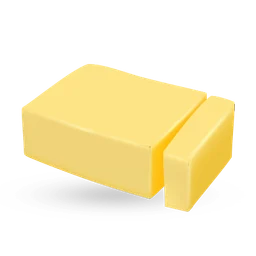 Butter
About this dish
- Origin
- Haiti · Well documentedThe Creole name simply means 'ground maize'; maize was grown on Hispaniola before 1492, and cornmeal became a staple of Haitian cooking in the centuries that followed.More food from Haiti
Haiti - Dish
- Breakfast · Lunch · Dinner · Porridge & cereals · Side dishes · Breakfast dishes
- Cooking method
- Simmered, Boiled
- Taste
- savoury, herby, garlicky, buttery
- Diet
- Vegetarian (lacto-ovo) · No gluten ingredients · No nut ingredientsWorked out from the ingredients. How labels work
All labels
Vegetarian (lacto-ovo) · Eggetarian · Lacto-vegetarian · Pescatarian · Flexitarian-friendly · No gluten ingredients · Egg-free · No nut ingredients · No added sugar · Alcohol-free · Pork-free · Beef-free - Good for
- Budget-friendly · Everyday · One-pot
- Cook more with
- Garlic · Thyme (fresh) · Cornmeal · Onion · Spring onion · Parsley
Allergens
- Contains: Milkfrom butter
Based on typical versions of these ingredients and not verified allergen-free. Brands differ and cross-contact happens, so always check labels. For severe allergies, follow your clinician’s advice.
Nutrition
355 kcal per serving
Estimated1 serving ≈ 358 g · recipe makes 4
Where the energy comes from
- Protein 6%
- Carbohydrate 56%
- Fat 37%
| Nutrient | Per serving | Per 100 g* |
|---|---|---|
| Energy | 355 kcal | 99 kcal |
| Protein | 5.8 g | 1.6 g |
| Carbohydrate | 51.4 g | 14.3 g |
| Net carbohydrate | 46.1 g | 12.9 g |
| Sugars | 1.3 g | 0.4 g |
| Added sugars | 0 g | 0 g |
| Fibre | 5.2 g | 1.5 g |
| Fat | 15.2 g | 4.2 g |
| Saturated fat | 4.7 g | 1.3 g |
| Trans fat | — | — |
| Cholesterol | 16 mg | 5 mg |
| Sodium | 807 mg | 225 mg |
| Salt equivalent | 2 g | 0.6 g |
Vitamins & minerals per serving
- Potassium
- 258 mg
- Calcium
- 50 mg
- Iron
- 2.6 mg
- Magnesium
- 91 mg
- Vitamin A (RAE)
- 75 µg
- Vitamin C
- 11 mg
- Vitamin D
- 0 µg
- Vitamin B12
- 0 µg
- Folate (DFE)
- 28 µg
How these numbers were made
- Calculated from USDA FoodData Central (SR Legacy) per-100 g values and the listed quantities.
- *Per 100 g of combined raw ingredients; the cooked dish may weigh more or less.
- Scotch bonnet pepper: Raw red hot chilli pepper used as a stand-in; scotch bonnets are a fleshy Capsicum chinense chilli of similar composition.
- “—” means the value isn’t known for enough of the ingredients; it is never zero by default.
- Values are estimates for guidance, not for medical dosing. U.S. Department of Agriculture, Agricultural Research Service. FoodData Central, 2019. fdc.nal.usda.gov.
Good to know
Tips
- For a firmer mayi that can be sliced, use 800 ml water; for a soft, spoonable porridge use up to 1.2 l.
- A spoonful of Haitian epis (green seasoning paste) stirred in with the garlic deepens the flavour.
Common mistakes
- Adding the cornmeal all at once, which makes lumps.
- Undercooking — mayi moulen tastes raw and gritty until it has simmered for at least 20 minutes.
Serve with
- Serve with sos pwa nwa (black bean sauce), sliced avocado and pikliz.
- Pair with fried fish, griot or a herring sauce for a bigger meal.
Storage
- Keeps 3 days refrigerated; it sets firm as it cools.
Reheating
- Slice and pan-fry in butter, or break up and warm with a splash of water, stirring until smooth.
Variations
- Mayi moulen ak zaboka: Served simply with sliced avocado for breakfast.
- Mayi moulen with coconut milk: Part of the water is replaced with coconut milk for a richer, sweeter porridge.
- Mayi ak aransò: Topped with a tomato and smoked herring sauce.
History
Maize was cultivated on Hispaniola by Taíno farmers alongside cassava long before European contact. Cornmeal remained an important food through the plantation era and after independence, and mayi moulen is today one of Haiti's most common everyday staples.
Confidence: Commonly attributed
Original editorial recipe · FriendsPantry editorial · source: TasteAtlas (dish facts) · Not yet independently reviewed · Added
Sauces, chutneys & dips for this dish
Recipe DNA
How this dish is built
Grouped by each ingredient’s role in the dish. Each band’s width is its share of the dish by weight. Choose a component to see what it does.
Reviews & corrections
Reviews come from signed-in cooks and appear after a moderator checks them. We never show made-up ratings.
You might also like
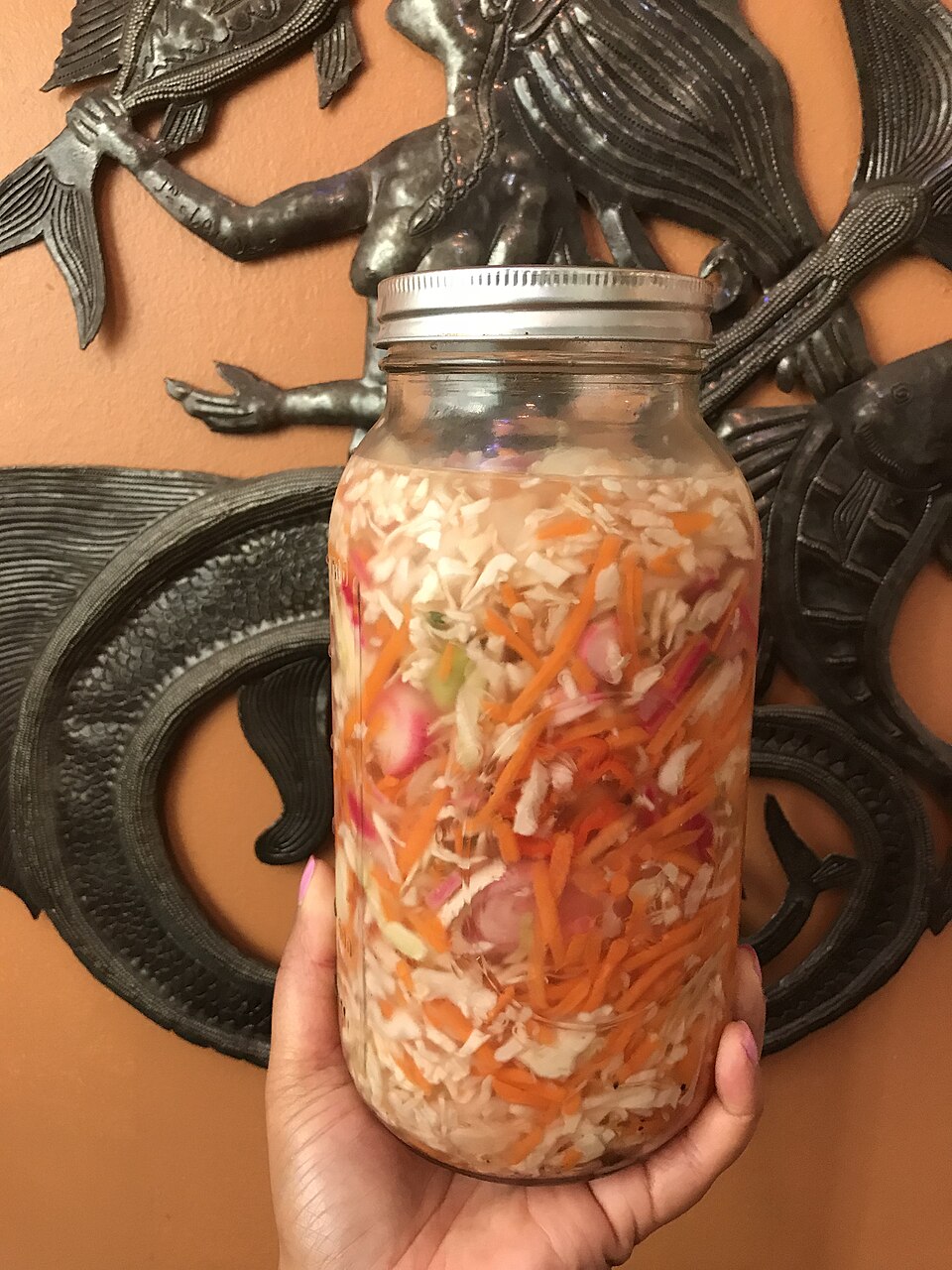
Pikliz
Haitian · 24 h 20 min · 21 kcal · Vegan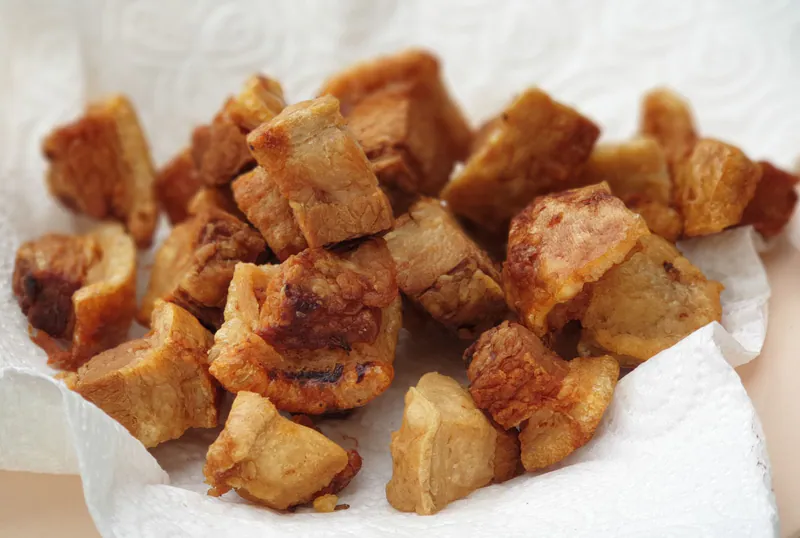
Griot
Haitian · 5 h 55 min · 524 kcal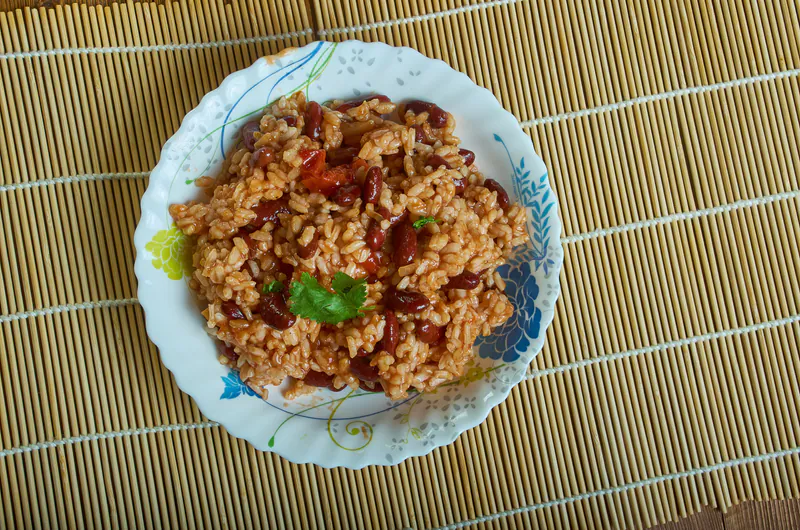
Diri ak pwa (Haitian rice and red beans)
Haitian · 1 h · 426 kcal · Vegetarian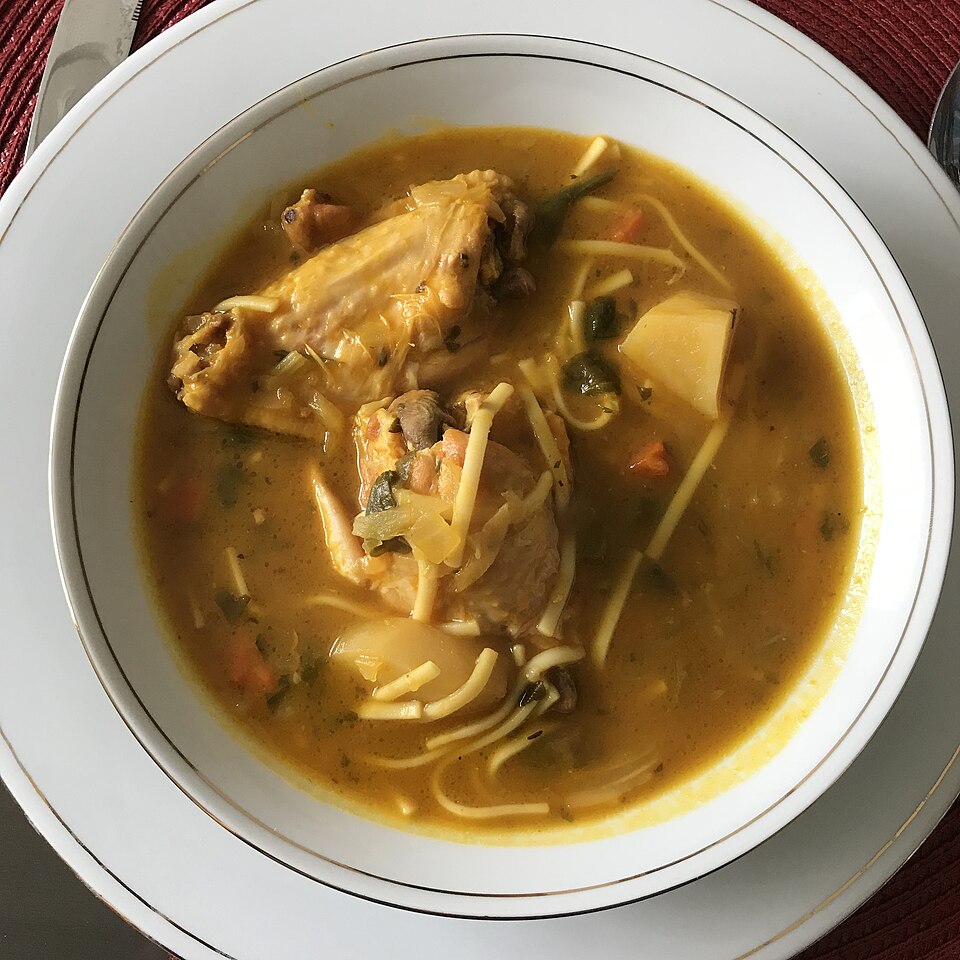
Soup joumou
Haitian · 3 h 30 min · 281 kcal