Ethiopian · Eritrean · Stews & braises
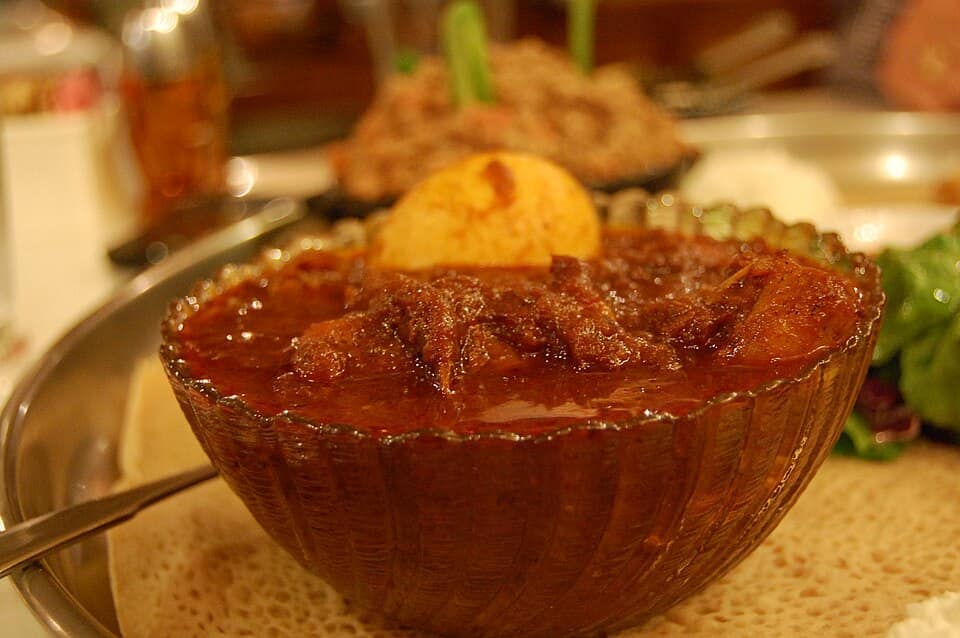
Key wat (Ethiopian red beef stew)
Non-vegetarian
ቀይ ወጥ · qey wet'
Beef simmered slowly in a deep red sauce of onions cooked down without fat, then enriched with spiced butter and plenty of berbere. The fiery classic of the wat family, the thick stews that Ethiopians and Eritreans scoop up with injera.
Key wat (Ethiopian red beef stew) is an Ethiopian stew, ready in about 2 hours 40 minutes and made with onion, niter kibbeh (ethiopian spiced butter) and berbere. It serves 6 and is rated intermediate to cook.
No licensed photograph of this dish yet.
- Prep
- 25 min
- Cook
- 2 h 15 min
- Total
- 2 h 40 min
- Serves
- 6
- Level
- Intermediate
- Calories
- 407
Main ingredients

Method
Step 1
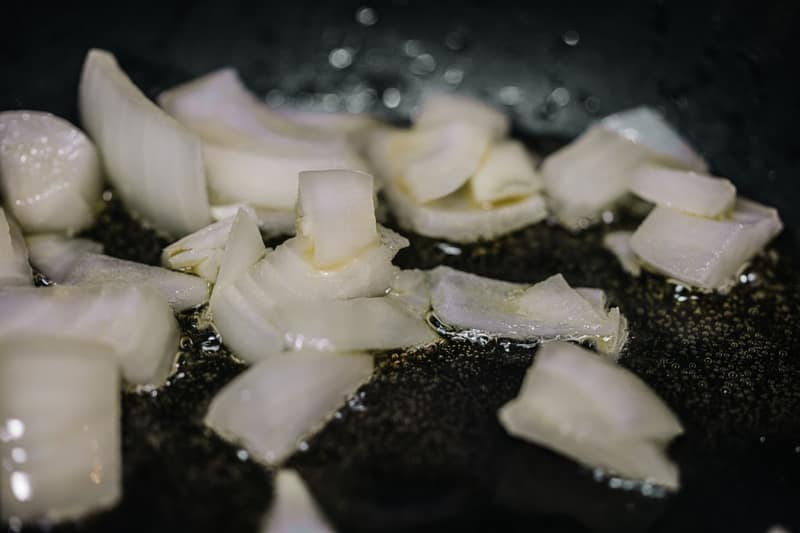
Put the onions (opens in a new tab) in a heavy pot with no fat and cook over medium-low heat, stirring often, for 20–25 minutes until they have lost their moisture, collapsed and turned a deep golden brown. Add a spoon of water if they start to catch.
- 25 min
- medium-low heat
- Dutch oven / casserole pot (opens in a new tab)
- Wooden spoon (opens in a new tab)
This dry-cooking step is what gives wat its thick, jammy body.
How it looks · Photo: Magda Ehlers on Pexels Step 2
Add the niter kibbeh (opens in a new tab) and, once it melts, the berbere (opens in a new tab). Stir for 5 minutes over low heat until the berbere darkens and smells toasty, adding a splash of water if it sticks. Add the garlic (opens in a new tab), ginger and tomato paste (opens in a new tab) and cook for 3 minutes more.
- 8 min
- low heat
Step 3
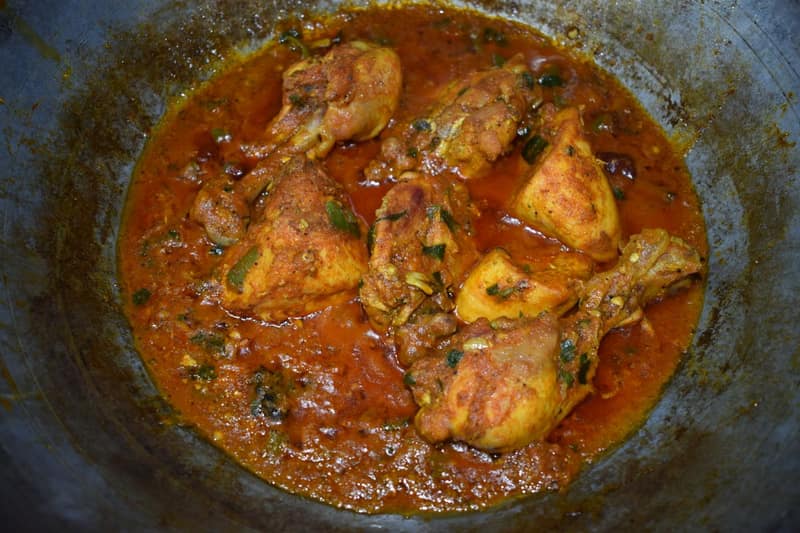
Add the beef and turn it in the red paste for 5 minutes. Pour in the wine (if using) and the water, bring to a simmer, cover and cook gently for 1½–2 hours, stirring occasionally, until the beef is very tender and the sauce is thick enough to coat it.
- 100 min
- low heat
Food safety: Wash hands, boards and knives after handling raw meat, and keep it apart from salad and other ready-to-eat food.
How it looks · Photo: Bachir Mamud on Pexels Step 4
Stir in the korerima (opens in a new tab), salt and pepper (opens in a new tab) and simmer uncovered for 5 minutes. Add the halved boiled eggs (opens in a new tab), if using, to warm through in the sauce.
- 5 min
- low heat
At a glance
 Onion
 Niter kibbeh (Ethiopian spiced butter)
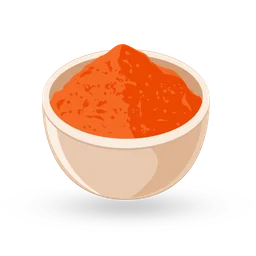 Berbere
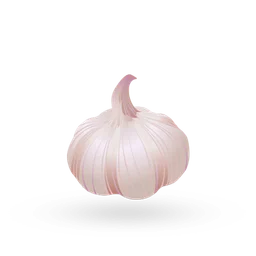 Garlic
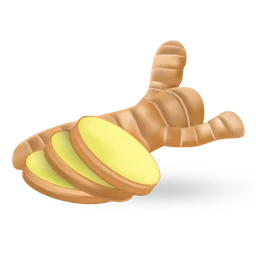 Fresh ginger
 Tomato paste
 Beef chuck
 Dry red wine
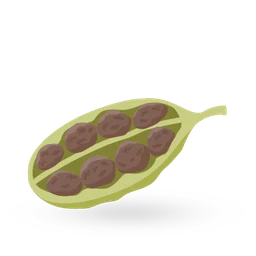 Korerima (Ethiopian cardamom)
 Salt
 Black pepper
 Egg
About this dish
- Origin
- Ethiopia · Well documentedWat (tsebhi in Eritrea) is the general name for stews built on a long-cooked onion base; key (red) wat is spiced with berbere, alicha wat is mild and yellow with turmeric, and plant-based versions use lentils, split peas or chickpea flour. In Eritrea the beef version is called tsebhi sga.Also popular in EritreaMore food from Ethiopia
Ethiopia - Dish
- Lunch · Dinner · Stews & braises · Main courses
- Cooking method
- Stewed, Simmered
- Taste
- spicy (chilli heat), rich, aromatic / warmly spiced, savoury
- Diet
- No gluten ingredients · No nut ingredients · Low-carb · High-proteinWithout the optional extras: Egg-free, Alcohol-freeWorked out from the ingredients. How labels work
All labels
Non-vegetarian · Whole-food focused · No gluten ingredients · No nut ingredients · No added sugar · Pork-free · Low-carb · High-protein · Calorie-conscious - Good for
- One-pot · Make-ahead · Freezer-friendly · Batch cooking
- Cook more with
- Onion · Niter kibbeh (Ethiopian spiced butter) · Berbere · Beef chuck · Garlic · Fresh ginger
Allergens
- Contains: Milkfrom niter kibbeh (ethiopian spiced butter)
- Contains, can be adapted: Eggsfrom egg
- Contains, can be adapted: Sulphitesfrom dry red wine
Based on typical versions of these ingredients and not verified allergen-free. Brands differ and cross-contact happens, so always check labels. For severe allergies, follow your clinician’s advice.
Nutrition
407 kcal per serving
Estimated1 serving ≈ 407 g · recipe makes 6
Where the energy comes from
- Protein 37%
- Carbohydrate 17%
- Fat 46%
| Nutrient | Per serving | Per 100 g* |
|---|---|---|
| Energy | 407 kcal | 100 kcal |
| Protein | 38.9 g | 9.5 g |
| Carbohydrate | 17.3 g | 4.2 g |
| Net carbohydrate | 13 g | 3.2 g |
| Sugars | 6.4 g | 1.6 g |
| Added sugars | 0 g | 0 g |
| Fibre | 4.3 g | 1.1 g |
| Fat | 21.6 g | 5.3 g |
| Saturated fat | 11.6 g | 2.8 g |
| Trans fat | 0.4 g | 0.1 g |
| Cholesterol | 141 mg | 35 mg |
| Sodium | 871 mg | 214 mg |
| Salt equivalent | 2.2 g | 0.5 g |
Vitamins & minerals per serving
- Potassium
- 977 mg
- Calcium
- 86 mg
- Iron
- 4.9 mg
- Magnesium
- 62 mg
- Vitamin A (RAE)
- 194 µg
- Vitamin C
- 12 mg
- Vitamin D
- 0.2 µg
- Vitamin B12
- 3.8 µg
- Folate (DFE)
- 31 µg
How these numbers were made
- Calculated from USDA FoodData Central (SR Legacy) per-100 g values and the listed quantities.
- *Per 100 g of combined raw ingredients; the cooked dish may weigh more or less.
- Optional ingredients are not included: dry red wine, korerima (ethiopian cardamom), egg.
- Niter kibbeh (Ethiopian spiced butter): Anhydrous butter oil (ghee) used as a stand-in; niter kibbeh is clarified butter simmered with spices, which add negligible nutrients.
- Berbere: Blended chili powder (FDC 171319) used as a stand-in; berbere is a chilli-based Ethiopian/Eritrean blend with fenugreek, coriander and warm spices and has a broadly similar profile.
- “—” means the value isn’t known for enough of the ingredients; it is never zero by default.
- Values are estimates for guidance, not for medical dosing. U.S. Department of Agriculture, Agricultural Research Service. FoodData Central, 2019. fdc.nal.usda.gov.
Good to know
Tips
- Wat tastes even better the next day, once the spices have mellowed.
Common mistakes
- Frying the onions in oil at the start; they should be cooked dry first, and the fat added afterwards.
Serve with
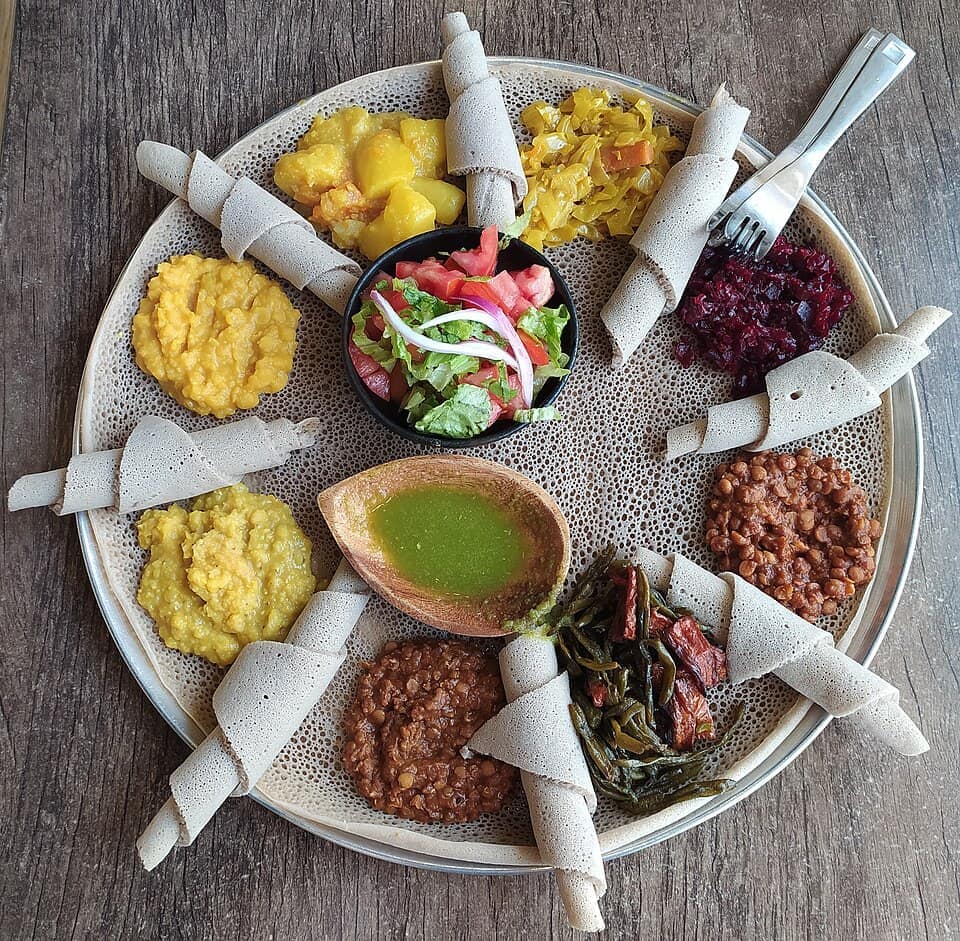
- Spoon onto a large round of injera with gomen (collard greens), ayib (fresh cheese) and misir wot on the side.
Food safety
- Wash hands, boards and knives after handling raw meat, and keep it apart from salad and other ready-to-eat food.
Storage
- Keeps 4 days refrigerated and freezes well for 3 months.
Reheating
- Warm gently in a covered pot with a splash of water until piping hot.
Variations
- Alicha wat: The mild, yellow version, spiced with turmeric, ginger and garlic instead of berbere.
- Doro wat: The festive chicken and egg stew made the same way.
- Shiro and misir wat: Plant-based wats of chickpea flour or red lentils for fasting days.
- Tsebhi sga (Eritrea): The Eritrean beef stew, made the same way with berbere.
Original editorial recipe · FriendsPantry editorial · source: TasteAtlas (dish facts) · Not yet independently reviewed · Added
Recipe DNA
How this dish is built
Built from the recipe’s own sections. Each band’s width is its share of the dish by weight. Choose a component to see what it does.
What the dish is built around
Main ingredient
- Onion, red onions, very finely chopped or pulsed in a food processor750 g
- Tomato paste2 tbsp · 33 g
- Beef chuck, chuck or round, cut into 2 cm cubes1 kg · 1000 g
Masalas in this recipe
Make the masala first, then come back to finish the dish.
Dry spice blend
Berbere spice blend
This recipe uses 30 g (30 g for 6 servings).
Reviews & corrections
Reviews come from signed-in cooks and appear after a moderator checks them. We never show made-up ratings.