
 Tunisian · Maghrebi · Pastries
Bambalouni (Tunisian sugared doughnuts)
Vegetarian
بمبالوني · bambalūnī
Large, light rings of a very soft yeasted dough stretched by hand straight into hot oil, fried golden and crisp at the edges and rolled in sugar. Tunisia's favourite doughnut, famously sold hot in the blue-and-white village of Sidi Bou Said.
Bambalouni (Tunisian sugared doughnuts) is a Tunisian pastry, ready in about 2 hours 45 minutes and made with all-purpose flour and sugar. It serves 10 and is rated intermediate to cook.

- Prep
- 15 min
- Cook
- 30 min
- Rest
- 2 h
- Total
- 2 h 45 min
- Serves
- 10
- Level
- Intermediate
- Calories
- 316
Main ingredients
Ingredients
For the dough
For frying
To finish
Method
Dough
10 minStep 1
Mix the flour, yeast, sugar (opens in a new tab) and salt, then beat in the warm water by hand or with a mixer for 8–10 minutes to a very soft, sticky, elastic dough. Cover and leave in a warm place until more than doubled and full of bubbles, 1½–2 hours.
The dough should be too sticky to knead on a board; that is what makes bambalouni so light.
Frying
30 minStep 2
Heat the oil in a wide, heavy pot to 180 °C. Oil your hands, pull off a piece of dough the size of a small orange, poke a hole through the middle with your thumbs and stretch it quickly into a thin ring about 12 cm across.
Food safety: Never leave hot oil unattended; keep the pan's handle turned inwards and lower food in gently, away from you.
Step 3
Lay the ring gently in the oil and fry for 1–2 minutes per side until puffed and golden brown. Drain briefly and roll in sugar (opens in a new tab) while hot. Repeat with the rest of the dough.
- 25 min
- medium-high heat
- Slotted spoon (opens in a new tab)
At a glance
1 · Dough in a bowl
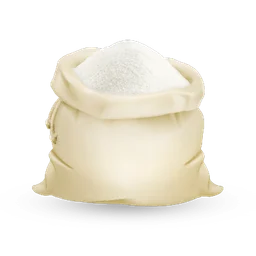 All-purpose flour
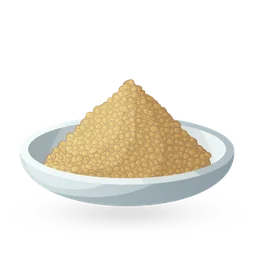 Instant yeast
 Sugar
 Salt
then heat
2 · Frying in a pan
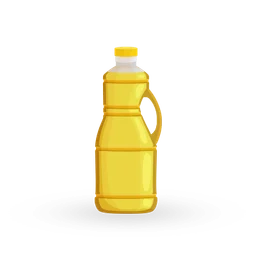 Neutral vegetable oil
About this dish
- Origin
- Sidi Bou Said, Tunisia · Well documentedThe name comes from the Italian bombolone, reflecting the Italian community in Tunis; the stalls of Sidi Bou Said are the most famous place to eat them.Also popular in LibyaMore food from Tunisia
Tunisia - Dish
- Breakfast · Snack · Pastries · Street food · Breakfast dishes · Fried dough & doughnuts
- Cooking method
- Deep-fried
- Taste
- sweet
- Diet
- Vegan · Dairy-free · No nut ingredientsWorked out from the ingredients. How labels work
All labels
Vegan · Plant-based · Vegetarian (lacto-ovo) · Eggetarian · Lacto-vegetarian · Ovo-vegetarian · Pescatarian · Flexitarian-friendly · Dairy-free · Egg-free · No nut ingredients · Alcohol-free · Pork-free · Beef-free · DASH-style - Good for
- Street food · Budget-friendly · Child-friendly
- Cook more with
- All-purpose flour · Sugar · Instant yeast
- Techniques
- Deep-frying
Allergens
- Contains: Wheatfrom all-purpose flour
- Contains: Glutenfrom all-purpose flour
Based on typical versions of these ingredients and not verified allergen-free. Brands differ and cross-contact happens, so always check labels. For severe allergies, follow your clinician’s advice.
Nutrition
316 kcal per serving
Calculated1 serving ≈ 109 g · recipe makes 10
Where the energy comes from
- Protein 7%
- Carbohydrate 63%
- Fat 30%
| Nutrient | Per serving | Per 100 g* |
|---|---|---|
| Energy | 316 kcal | 291 kcal |
| Protein | 5.4 g | 5 g |
| Carbohydrate | 49.7 g | 45.8 g |
| Net carbohydrate | 48.2 g | 44.4 g |
| Sugars | 11.4 g | 10.5 g |
| Added sugars | 11.3 g | 10.4 g |
| Fibre | 1.5 g | 1.4 g |
| Fat | 10.5 g | 9.7 g |
| Saturated fat | 0.8 g | 0.8 g |
| Trans fat | — | — |
| Cholesterol | 0 mg | 0 mg |
| Sodium | 235 mg | 217 mg |
| Salt equivalent | 0.6 g | 0.5 g |
Vitamins & minerals per serving
- Potassium
- 60 mg
- Calcium
- 12 mg
- Iron
- 2.3 mg
- Magnesium
- 12 mg
- Vitamin A (RAE)
- 0 µg
- Vitamin C
- 0 mg
- Vitamin D
- 0 µg
- Vitamin B12
- 0 µg
- Folate (DFE)
- 162 µg
How these numbers were made
- Calculated from USDA FoodData Central (SR Legacy) per-100 g values and the listed quantities.
- *Per 100 g of combined raw ingredients; the cooked dish may weigh more or less.
- “—” means the value isn’t known for enough of the ingredients; it is never zero by default.
- Values are estimates for guidance, not for medical dosing. U.S. Department of Agriculture, Agricultural Research Service. FoodData Central, 2019. fdc.nal.usda.gov.
Good to know
Tips
- Lay the rings in the oil away from you to avoid splashes.
Serve with
- Eat hot with a café crème or mint tea, for breakfast or as an afternoon snack.
Food safety
- Never leave hot oil unattended; keep the pan's handle turned inwards and lower food in gently, away from you.
Storage
- Best eaten within an hour of frying.
Variations
- Bambalouni with honey: Drizzled with honey or orange-blossom syrup instead of sugar.
- Filled bambalouni: Modern stalls slice them open and fill them with chocolate spread.
Original editorial recipe · FriendsPantry editorial · source: TasteAtlas (dish facts) · Not yet independently reviewed · Added
Recipe DNA
How this dish is built
Built from the recipe’s own sections. Each band’s width is its share of the dish by weight. Choose a component to see what it does.
Structure
For the dough
- All-purpose flour500 g
- Instant yeast7 g
- Sugar1 tbsp · 13 g
- Salt1 tsp · 6 g
- Water, warm360 ml · 360 g
Reviews & corrections
Reviews come from signed-in cooks and appear after a moderator checks them. We never show made-up ratings.
You might also like

Bomboloni (Italian doughnuts)
 Italian · 4 h 20 min · 392 kcal · Contains egg
Fricassé (Tunisian fried tuna sandwiches)
Tunisian · 3 h 10 min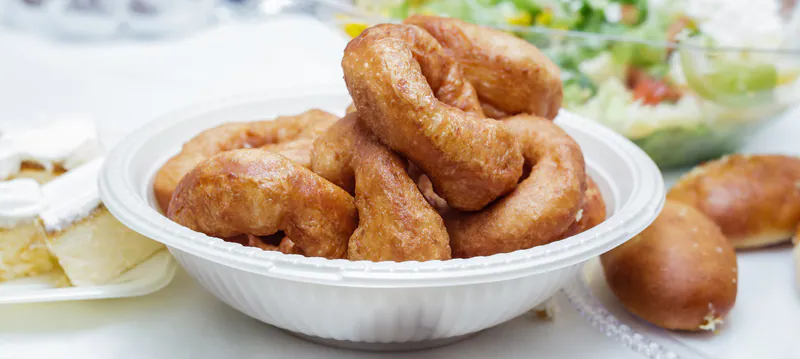
Khfaf (Algerian sfenj doughnut rings)
 Algerian · 2 h 45 min · 428 kcal · Vegetarian
Sfinz (Libyan fried bread with honey or egg)
 Libyan · 2 h · 499 kcal · Egg optional