
Regional spice blends
Berbere
Hot, complex Ethiopian chilli blend with fenugreek, ginger, cardamom and spices, the base of wats.
Also called: berbere spice, berbere spice blend, ethiopian chili blend
Around the world: በርበሬ, berbere (am) · berbere (ti)
- Hot & numbing
- Warm & sweet
- Earthy
- Medium
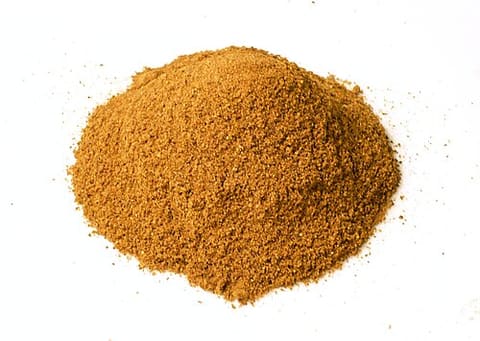
Photo: Badagnani, via Wikimedia Commons (CC-BY-3.0)
Flavour and aroma
hot, warm, smoky, slightly bitter. Hot, smoky, sweet-spiced.
- Heat
- Medium
- Forms
- ground, paste
How to use it
fry · Tadka (tempering) technique
In wats: cook finely chopped onions in a dry pot until soft, add niter kibbeh or oil, then stir in berbere and cook on low heat for 3–5 minutes, adding a splash of water if it catches, before adding the main ingredient.
dry roast · Spice roasting (dry-roasting) technique
If making your own, toast the whole spices and dried chillies separately in a dry pan until fragrant, cool, then grind with the powders.
use raw
Mix with oil, water or tej into awaze, a dipping paste.
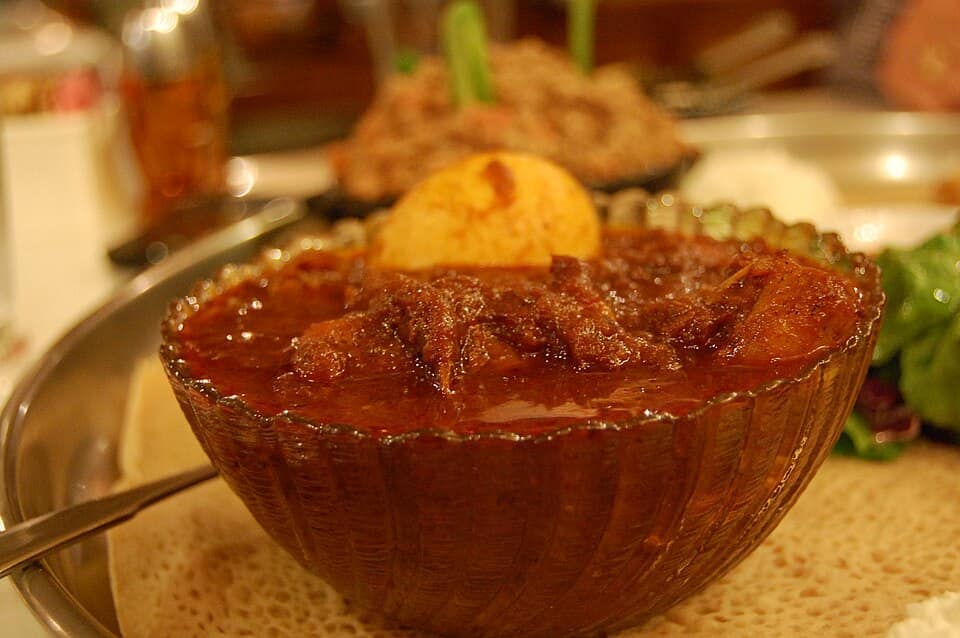
- Doro wat (chicken stew)
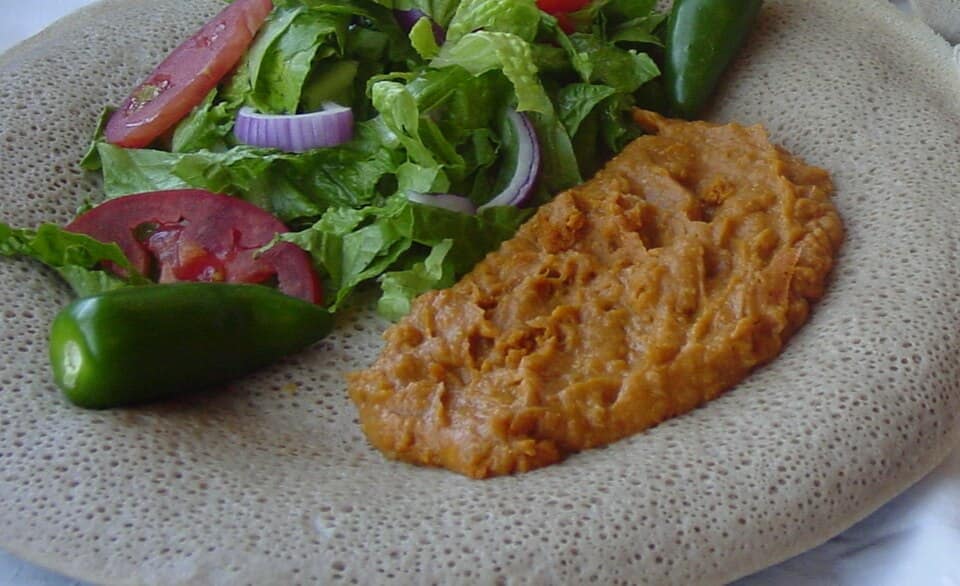
- Misir wat (red lentil stew)
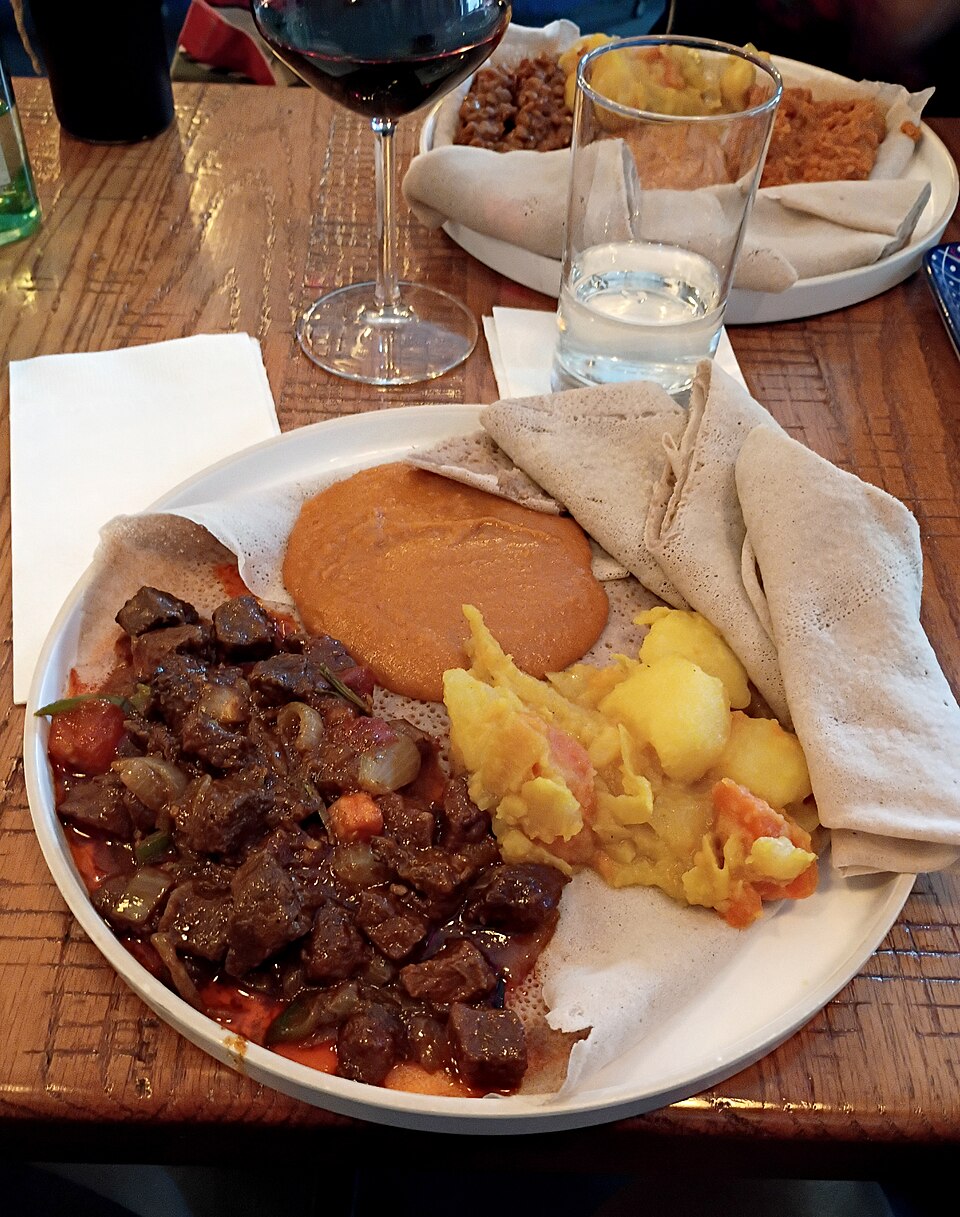
- Tibs and other meat dishes
- Rubs and dips
Identifying good quality
A brick-red to rust-coloured fine powder with a hot, warm, slightly bitter smell. Home-made berbere is often a paste (awaze when mixed with liquid). Colour and heat vary a lot by maker.
- Not to be confused with Mitmita: Mitmita is hotter, orange-red and used mainly as a finishing or table spice.
Origin and history
Origin: Ethiopia and Eritrea.. Grown and used: Used throughout Ethiopian and Eritrean cooking and by their diaspora..
Berbere is the foundational spice blend of Ethiopian and Eritrean cooking, built on dried red chilli with garlic, ginger, korerima, fenugreek, and other spices such as cloves, cinnamon, black pepper and ajwain. Since chillies arrived from the Americas after the 16th century, its modern chilli-based form is post-Columbian, though many of its other spices were traded in the region much earlier.
Commonly told; not firmly documented
 Ethiopian · 20 min · 42 kcal ·
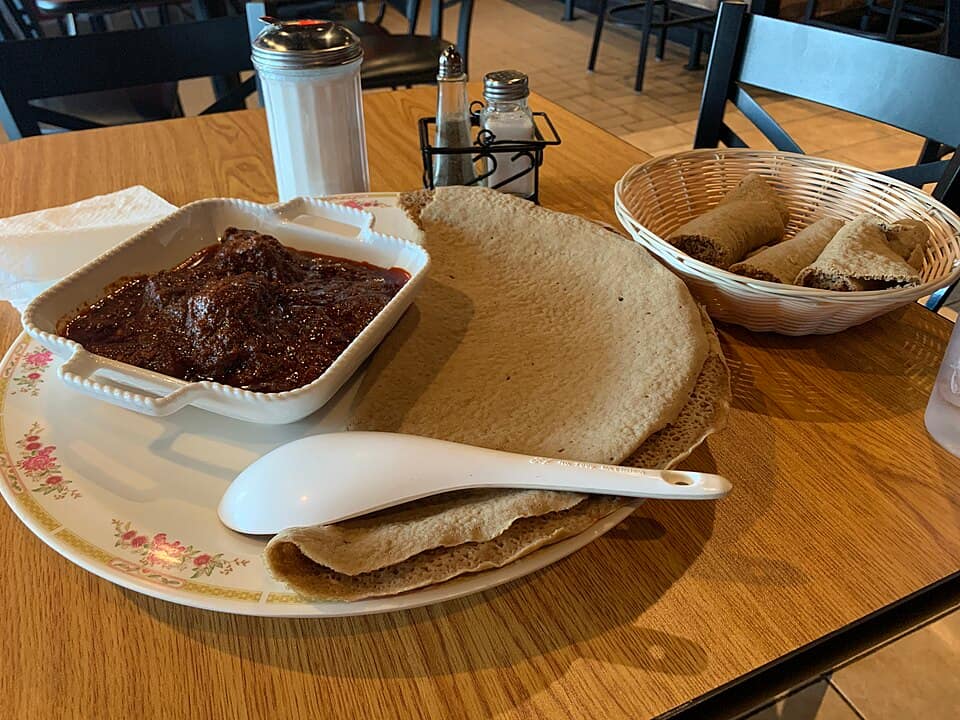
 Eritrean · 2 h 5 min · 295 kcal