
Eggs & dairy · Fresh cheeses
Mascarpone
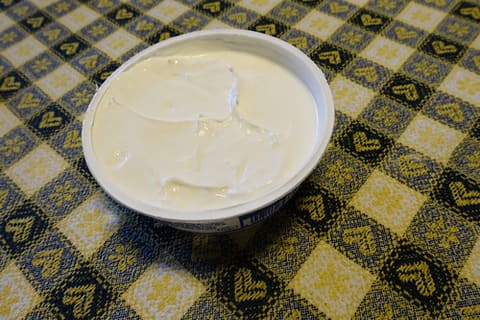
Very rich, smooth Italian cream cheese with a sweet, buttery taste; essential for tiramisu.
Also called: mascarpone cheese
Around the world: mascarpone (it)
A kind of cheese
Photo: Brodolò1, via Wikimedia Commons (CC-BY-SA-4.0)
What it is
Mascarpone is made by setting cream with acid and draining it, producing a thick, ivory spread with a very high fat content. It is richer, softer and sweeter than cream cheese, with almost no tang. It sits between clotted cream and cream cheese in texture.
How it’s used
- Tiramisu
- Whipped with sugar for cake fillings and tarts
- Stirred into risotto and pasta sauces
- Spooned onto fruit and desserts
Characteristics
- Taste
- Sweet, buttery and mild.
- Texture
- Thick, silky and spreadable.
- When cooked
- Melts quickly into sauces; overbeating, especially with cream, can make it grainy or split.
- Sold as
- fresh
- Cooking uses
- Usually eaten raw, Commonly cooked, Suitable for baking
- Common in
- Italian
Storage
Refrigerated. Keep sealed and use within a few days of opening.
Diet, allergens and safety
Contains Milk.
- Vegetarian
- Vegan
- Dairy-free
- Egg-free
- Gluten-free
- Nut-free
- Soy-free
- Caffeine-free
- Contains milk (allergen).
- Tiramisu is traditionally made with raw eggs; use pasteurised eggs for vulnerable groups.
Nutrition per 100 g
- Energy
- 350 kcal
- Protein
- 6.15 g
- Carbohydrate
- 5.52 g
- Fat
- 34.44 g
- Fibre
- 0 g
- Sugars
- 3.76 g
USDA FoodData Central: Cheese, cream (a close stand-in).
Substitutes
Optional — what works if you don’t have it, and how it changes the dish.
- Cream cheese — Beat with a little heavy cream (about 3:1) to soften and enrich.
Related ingredients
Recipes with mascarpone

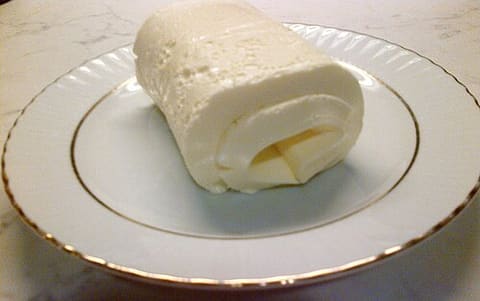
Tiramisu
 Italian · 6 h 45 min · 405 kcal · Contains egg
More fresh cheeses
Fresh cheeses
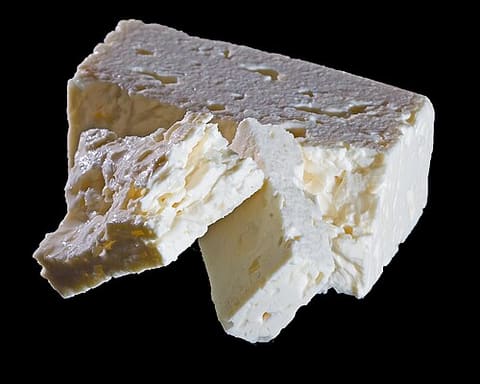
Feta
Salty, tangy white brined cheese from Greece, traditionally sheep's milk; crumbled into salads and pastries.
35 recipes
Fresh cheeses
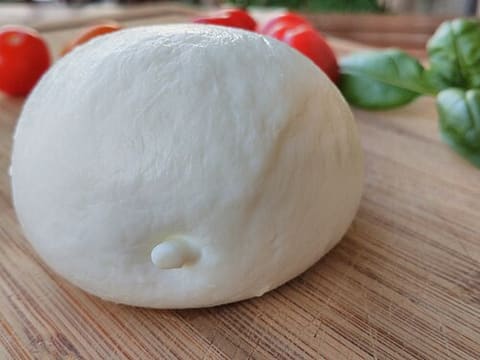
Mozzarella
Mild, milky Italian stretched-curd cheese; fresh balls for salads, low-moisture blocks for pizza.
24 recipes
Fresh cheeses
Cream cheese
Smooth, spreadable, mildly tangy fresh cheese for cheesecake, frosting, dips and bagels.
9 recipes
Fresh cheeses
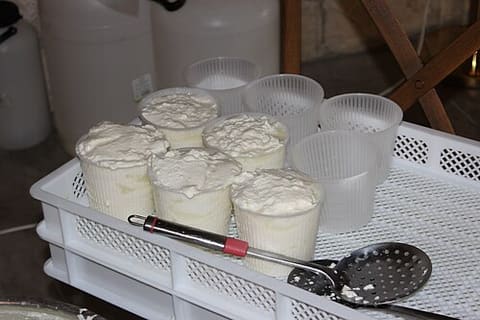
Ricotta
Soft, moist, mildly sweet Italian whey cheese for lasagne, cannoli, pancakes and pasta fillings.
9 recipes
Fresh cheeses
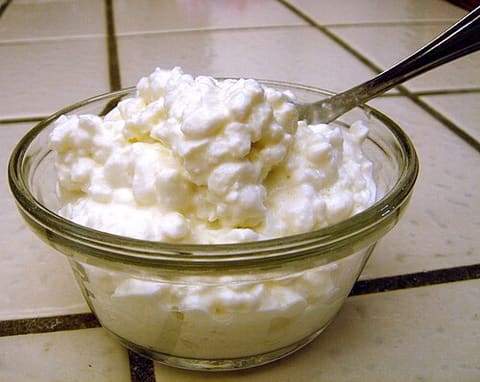
Cottage cheese
Mild fresh cheese of soft, moist curds in a light creamy dressing; eaten plain, in bakes and pancakes.
9 recipes
Fresh cheeses
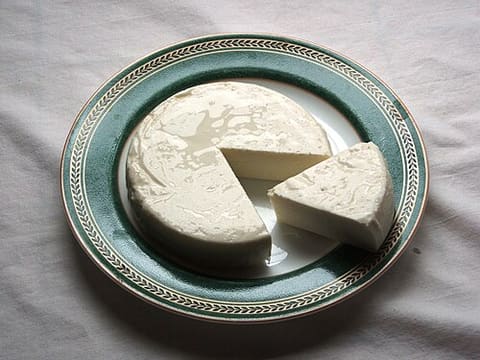
Queso fresco
Mild, moist, crumbly Mexican fresh cheese that softens but does not melt; crumbled over tacos and beans.
28 recipes
Fresh cheeses
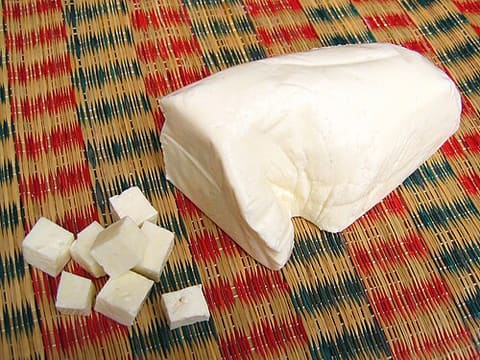
Paneer
Firm, mild South Asian fresh cheese set with acid; holds its shape in curries, grills and fritters.
9 recipes
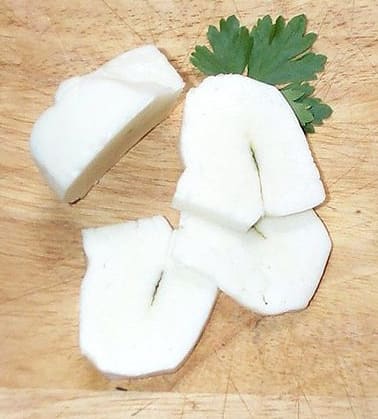
Fresh cheeses
Halloumi
Firm, salty, squeaky Cypriot brined cheese that browns on a grill or pan without melting.
1 recipe