
Vegetables · Root vegetables
Parsnip
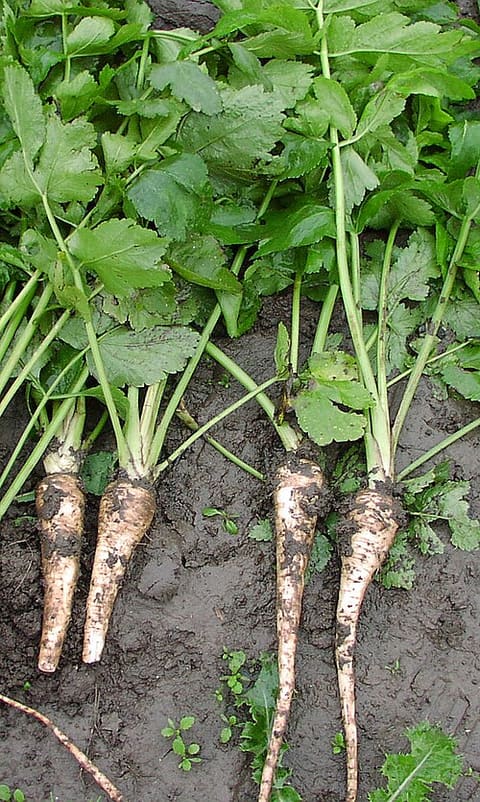
Cream-coloured carrot-like root with sweet, nutty, aromatic flesh; best roasted, mashed or in soups.
Photo: Goldlocki, via Wikimedia Commons (CC-BY-SA-3.0)
What it is
Parsnips are long, tapering roots with ivory skin and flesh, related to carrots. They are starchier, sweeter and more aromatic, with hints of spice. Large parsnips can have a woody core that is best cut out. They are not eaten raw much.
Pastinaca sativa
How it’s used
- Roasted, often with honey
- Puréed into soups or mash
- Added to stews and stocks
- Grated into cakes
Characteristics
- Taste
- Sweet, nutty and slightly spicy.
- Texture
- Firm raw; soft and fluffy when cooked.
- When cooked
- Caramelises and crisps at the edges when roasted; turns soft quickly when boiled.
- Sold as
- fresh
- Cooking uses
- Commonly cooked, Suitable for baking, Suitable for boiling, Suitable for grilling
Kinds in our pantry
Storage
Refrigerated. Refrigerate in a bag and use while firm; limp or spotted roots are past their best.
Diet, allergens and safety
No major allergens in typical versions.
- Vegetarian
- Vegan
- Dairy-free
- Egg-free
- Gluten-free
- Nut-free
- Soy-free
- Caffeine-free
Nutrition per 100 g
- Energy
- 75 kcal
- Protein
- 1.2 g
- Carbohydrate
- 17.99 g
- Fat
- 0.3 g
- Fibre
- 4.9 g
- Sugars
- 4.8 g
USDA FoodData Central: Parsnips, raw.
Substitutes
Optional — what works if you don’t have it, and how it changes the dish.
Related ingredients
Recipes with parsnip
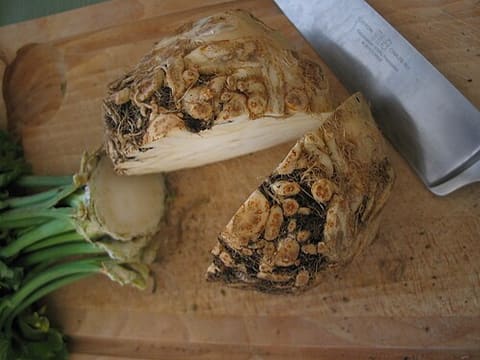
Barszcz czerwony
 Polish · 1 h 35 min · 104 kcal · Vegan
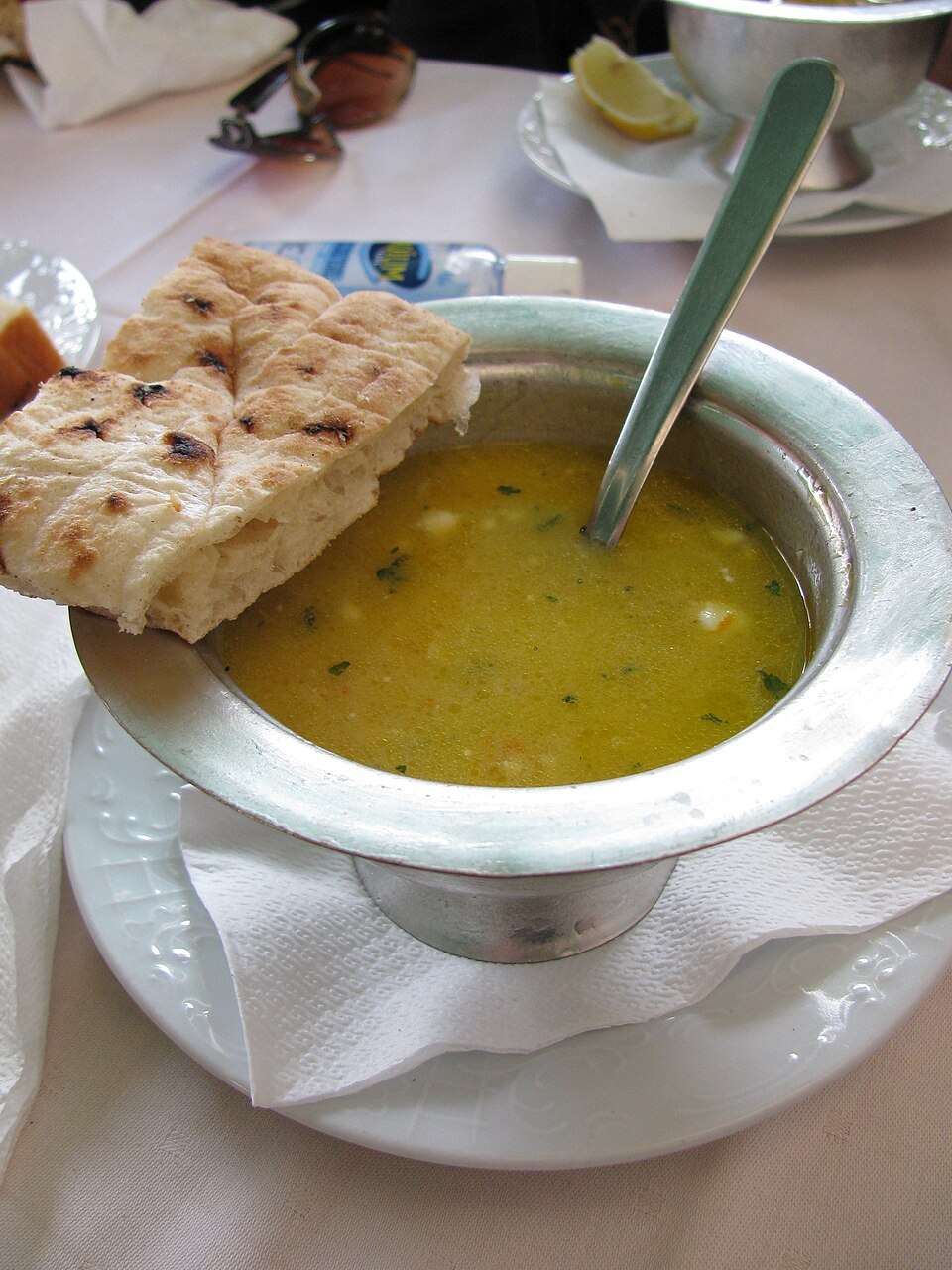
Begova čorba (Bey's soup)
 Bosnian · 1 h 35 min · 456 kcal
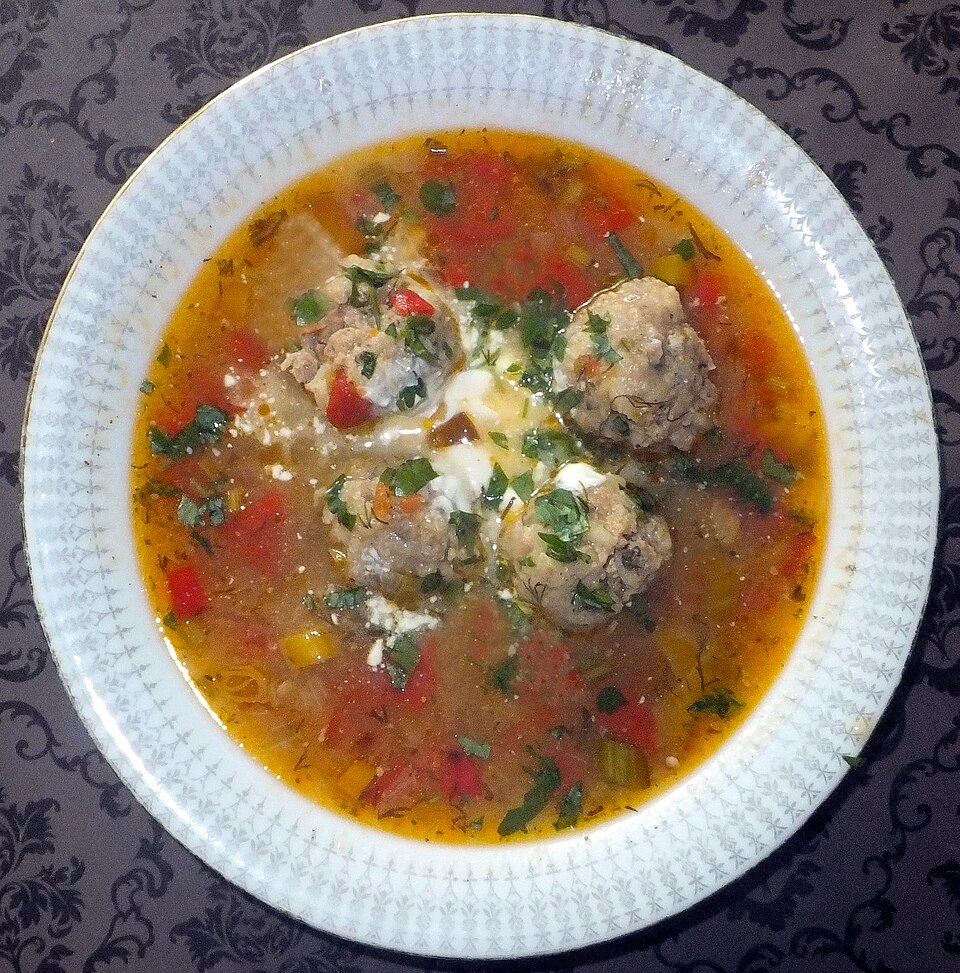
Ciorbă de perișoare
 Romanian · 1 h 20 min · 332 kcal
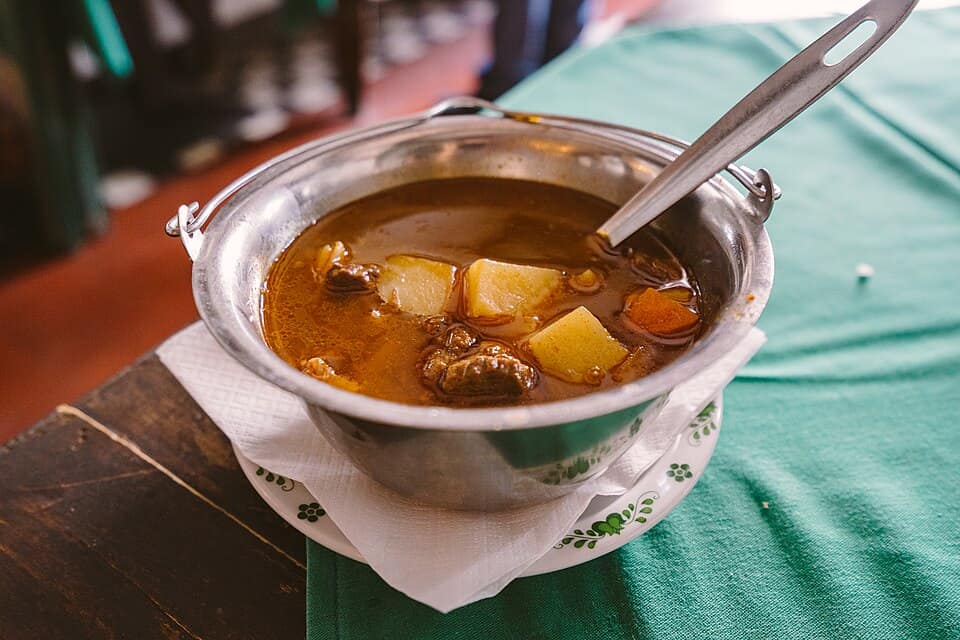
Gulyásleves (Hungarian goulash soup)
 Hungarian · 2 h 20 min · 309 kcal
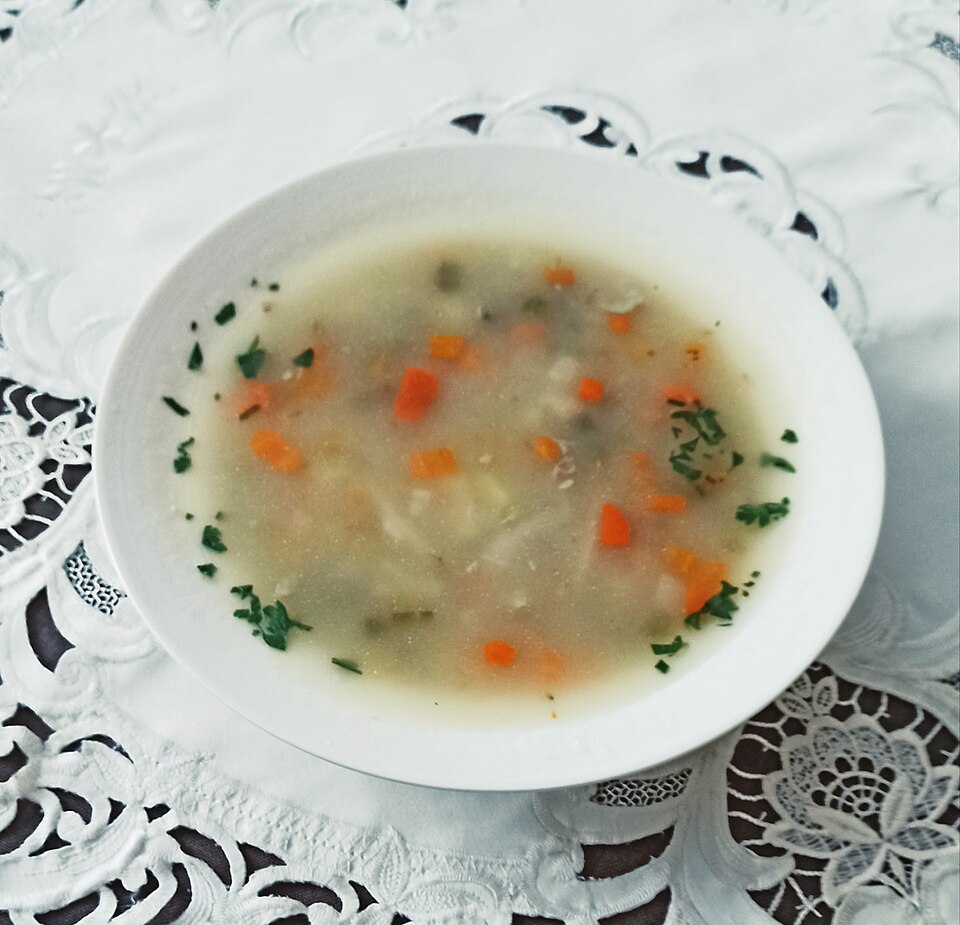
Krupnik
Polish · 1 h 45 min · 325 kcalMatzo ball soup
 American · 2 h 50 min · 330 kcal
Pašticada
 Croatian · 16 h 10 min · 516 kcal
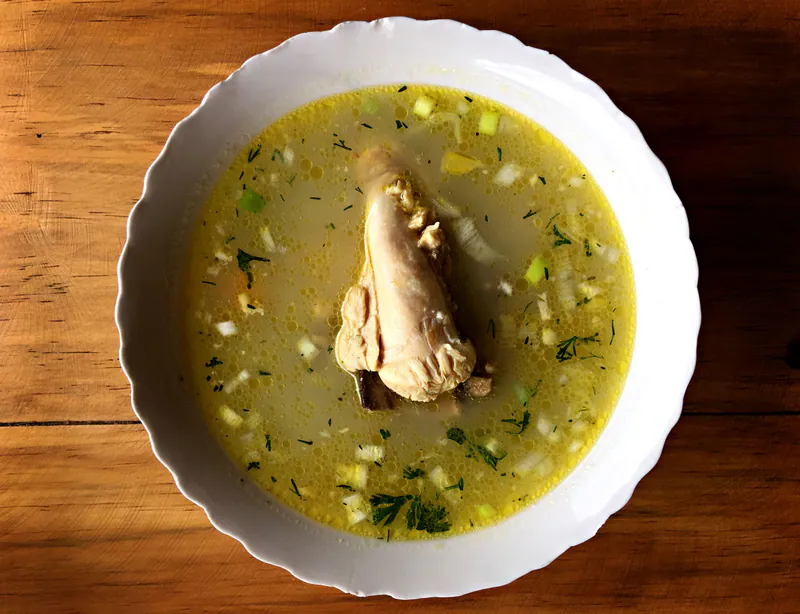
Rosół
Polish · 3 h 20 min · 361 kcal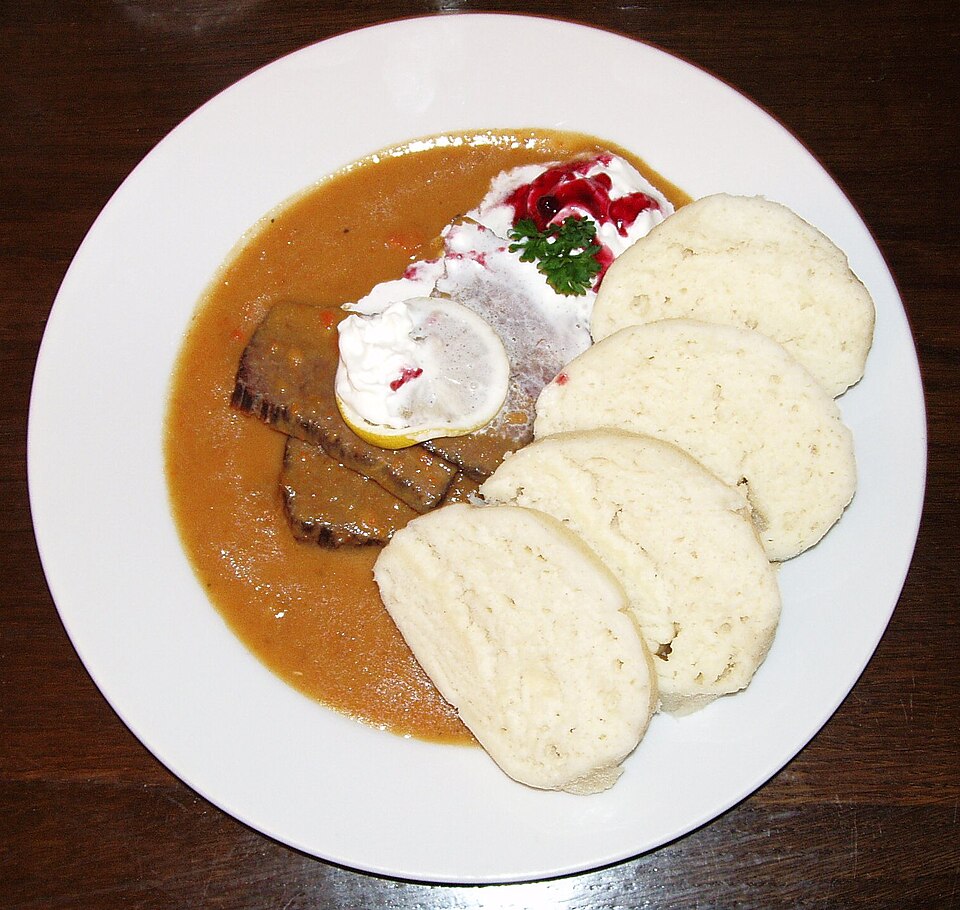
Svíčková na smetaně
 Czech · 3 h · 536 kcal
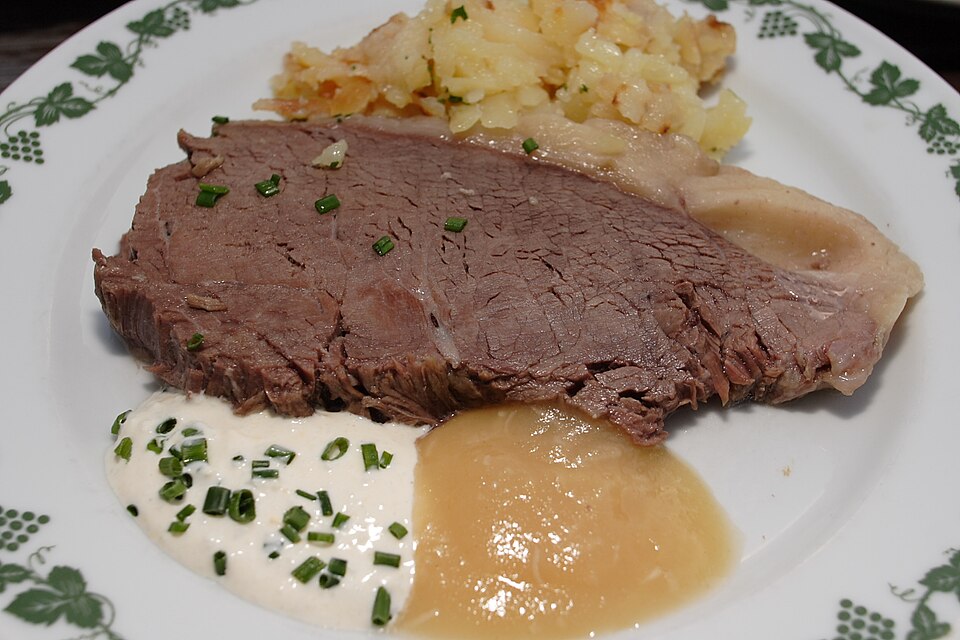
Tafelspitz
 Austrian · 3 h 20 min · 344 kcal
Zeamă
 Moldovan · 1 h 50 min · 353 kcal
More root vegetables
Root vegetables
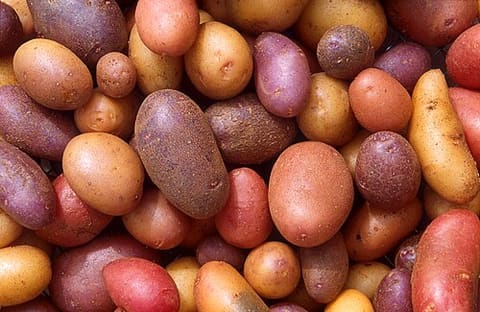
Potato
Starchy tuber with thin skin and pale flesh, eaten boiled, mashed, roasted, fried or simmered in curries worldwide.
225 recipes
Root vegetables
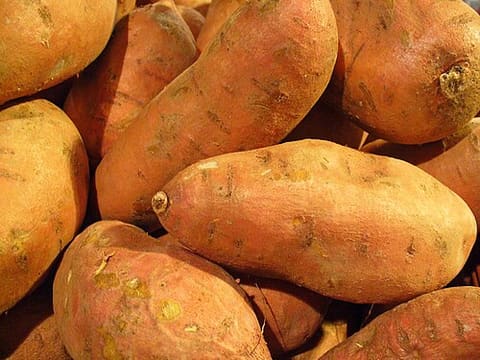
Sweet potato
Sweet, orange- or pale-fleshed root that roasts, mashes and bakes well; not a true yam despite the US nickname.
19 recipes
Root vegetables
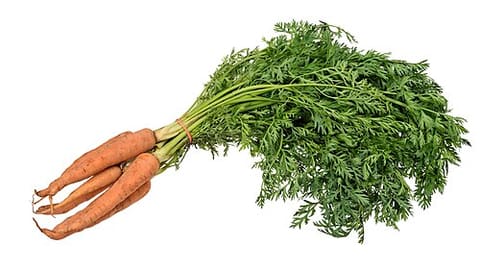
Carrot
Crunchy orange root, sweet raw or cooked, used in salads, stews, stocks, curries and cakes.
183 recipes
Root vegetables
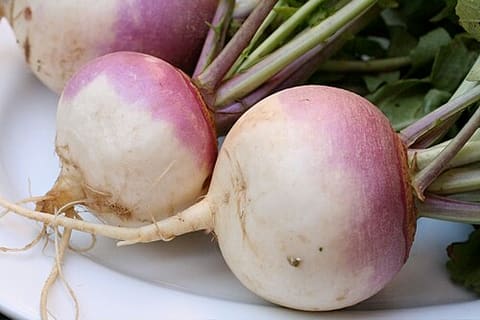
Turnip
Round white root with a purple top and peppery flesh, cooked in stews, curries and pickles.
9 recipes
Root vegetables
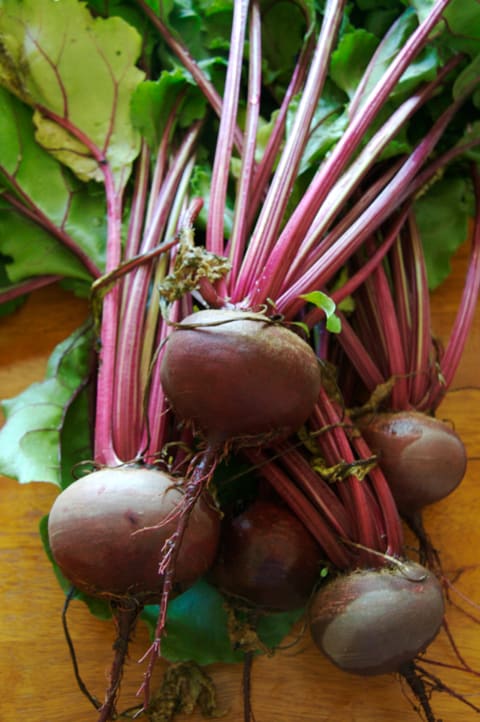
Beetroot
Earthy, sweet root with deep red flesh, roasted, boiled, pickled or grated raw into salads.
12 recipes
Root vegetables
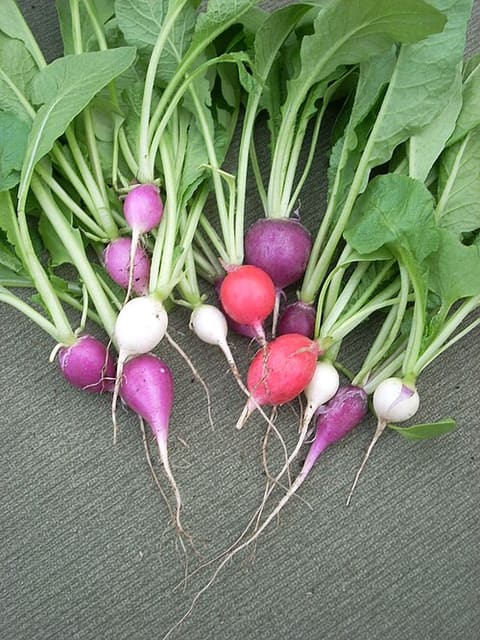
Radish
Small, crisp red or pink root with a peppery bite, mostly eaten raw in salads or as a crunchy garnish.
27 recipes
Root vegetables
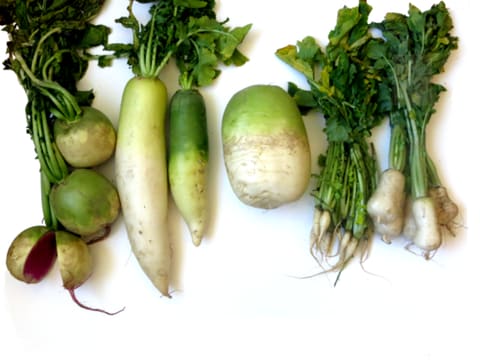
Daikon
Long white radish (mooli) with juicy, mildly peppery flesh, eaten raw, pickled, braised or stuffed into parathas.
23 recipes
Root vegetables
Cassava
Long, starchy tropical root with bark-like brown skin and white flesh; must be peeled and cooked.
14 recipes