
Cookware & bakeware · Bakeware
Muffin tin
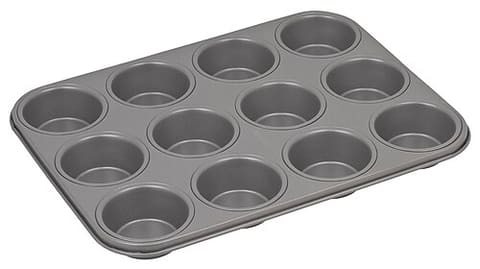
A tray with a grid of round cups for baking muffins, cupcakes, mini quiches and Yorkshire puddings.
Useful to have · No power needed · 7 recipes
Photo: Evan-Amos, via Wikimedia Commons (public-domain)
What it is
A metal or silicone tray with 6, 12 or 24 deep round hollows. Standard, mini and jumbo sizes exist. Shallow bun or patty tins have the same layout with shallower cups, suited to fairy cakes and jam tarts.
What it’s for: Baking many small, individual portions with even size and timing.
How to use it
- Grease the cups or fit paper cases.
- Fill each cup about two-thirds to three-quarters full.
- Pour a little water into any empty cups to protect them and help even baking.
- Bake, cool for a few minutes, then lift out.
Good to know
- Tasks
- baking muffins and cupcakes, making egg muffins and mini quiches, baking Yorkshire puddings, freezing portions of stock or herbs
- Cooking methods
- Oven-baked, Roasted
- Materials
- aluminium, non-stick steel, silicone
- Care and cleaning
- Wash and dry well; use a soft brush in the corners. Silicone trays need a baking tray under them for support.
- Limitations
- Only small portions; cup sizes vary between brands.
Safety
- Oil for Yorkshire puddings must be very hot; take care when pouring batter in.
If you don’t have one
- Paper cases on a baking tray — Sturdy foil or doubled paper cases hold batter without a tin, though they spread a little.
Equipment guide
How it works: Separate cups hold small portions of batter, each surrounded by hot metal on all sides, so they cook quickly and evenly. A domed top forms because the edges set first and the centre keeps rising.
| Material | Good | Watch out |
|---|---|---|
| Carbon or aluminised steel | Rigid, good browning. | Can rust. |
| Non-stick (PTFE or ceramic sol-gel coating on aluminium) | Eggs, fish and pancakes release with little fat; easy to clean; forgiving for beginners. | Coatings wear out (ceramic often faster than PTFE); PTFE should not be heated empty or above about 260 °C; poor at building fond; needs non-metal utensils. |
| Silicone | Flexible, so bakes pop out; non-stick; does not rust. | Poor heat conductor, so browning is weak; floppy when full and needs a tray underneath. |
| Aluminium (plain or hard-anodised) | Light, conducts heat about 15 times better than stainless steel and heats quickly; anodising hardens the surface and stops reaction with acids. | Plain aluminium reacts with acidic and alkaline foods and can discolour them; thin gauges warp; not magnetic, so it needs a steel base for induction. |
- Standard 12-cup tin
- Cups about 7 cm across.
- Mini muffin tin
- Bite-sized bakes.
- Jumbo (Texas) tin
- Large muffins.
Buying guidance
Starting out: One standard 12-cup non-stick tin; use paper cases for easy release.
- Number of cups and cup size
- Heavy gauge to avoid warping
- Wide rim for gripping
No brands or prices — check current reviews before buying.
Techniques:Baking
Related tools
Recipes that use it
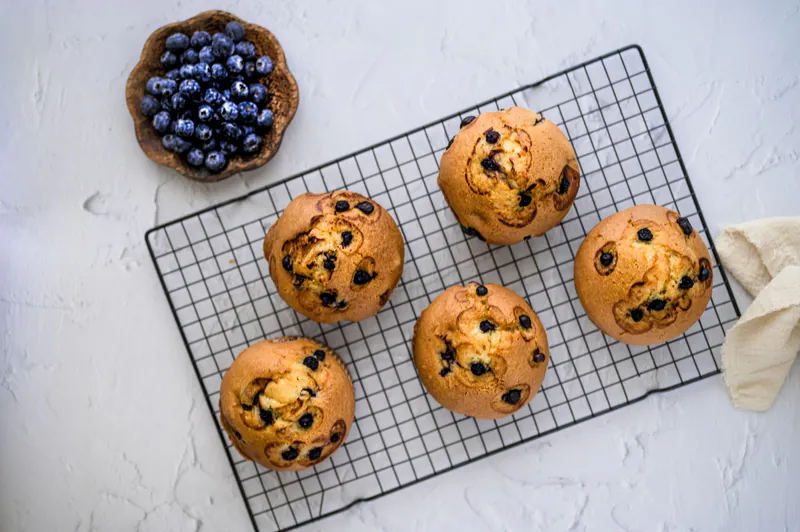
Blueberry Muffins
 American · 47 min · 220 kcal · Contains egg
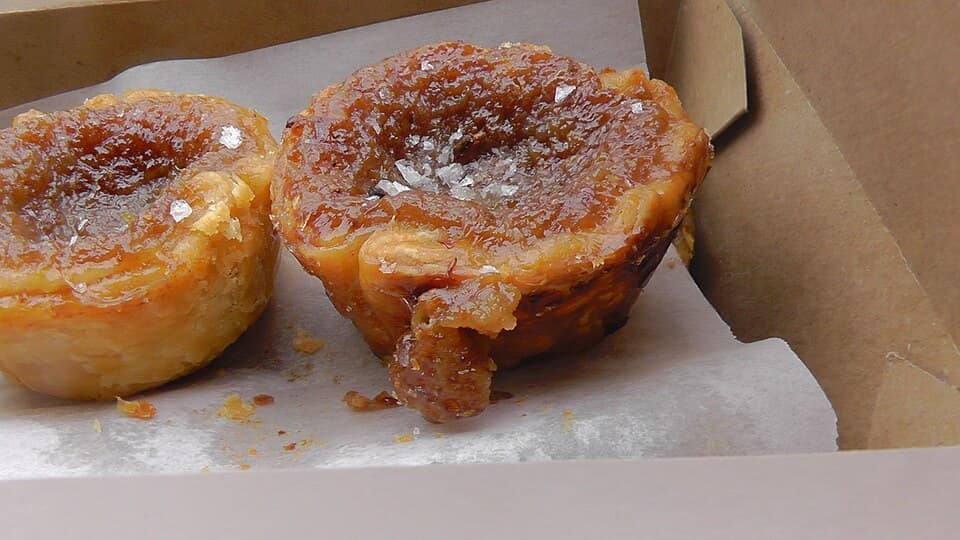
Butter tarts
 Canadian · 1 h 40 min · 258 kcal · Contains egg
Financiers (brown-butter almond cakes)
 French · 1 h · 171 kcal · Contains egg
Kouign-amann
French · 4 h 33 min · 284 kcal · Vegetarian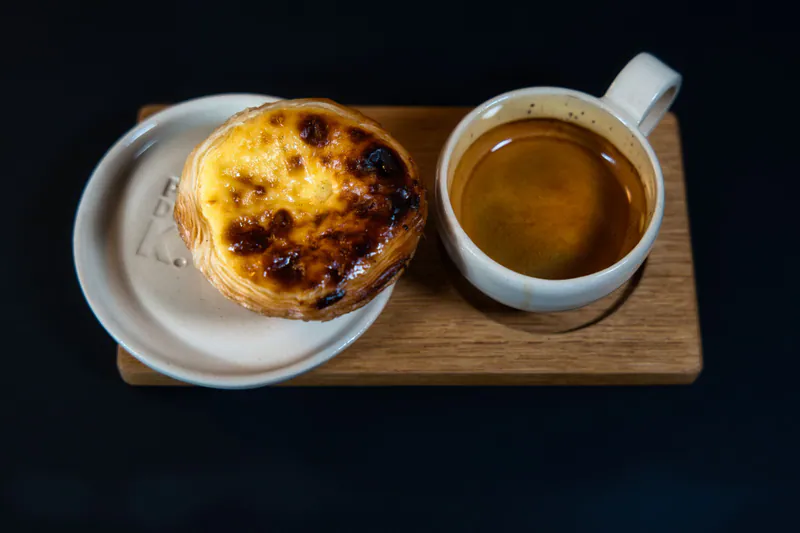
Pastéis de nata
 Portuguese · 1 h 10 min · 263 kcal · Contains egg
Vanilla cupcakes with buttercream
American · 1 h 35 min · 397 kcal · Contains egg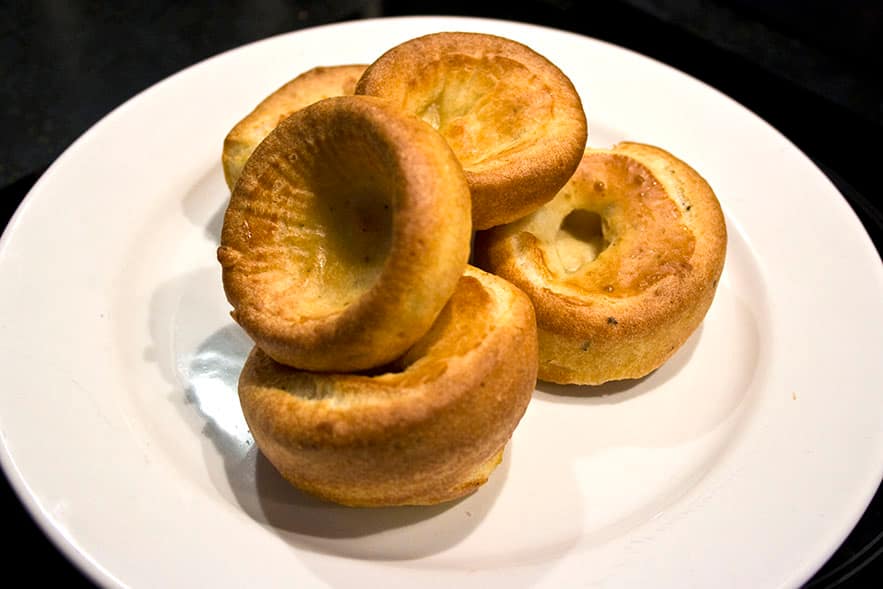
Yorkshire puddings
 British · 1 h 5 min · 190 kcal · Contains egg