
Nature's Pantry
Oats
Also: porridge oats · jai (Hindi) · Avena sativa
Oat beta-glucan lowering cholesterol is one of the best-established food findings there is.
Overall evidence
Assessed and accepted by both EFSA and the FDA for this specific effect at food amounts.
Consistent results from good-quality trials or reviews, or a conclusion by a food-safety or health authority (for example an authorised EFSA claim or FDA health claim) about this food at normal food amounts.
What it is
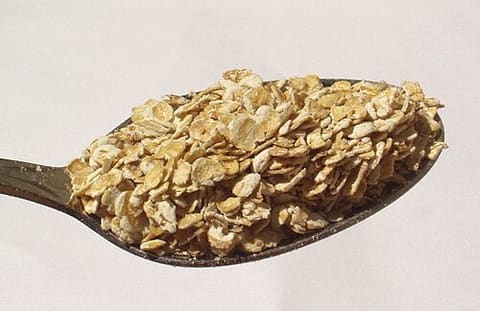
A cereal grain eaten rolled, steel-cut or as flour. Oats are rich in beta-glucan, a soluble fibre that thickens into a gel.
Traditional use
Tradition, not evidence: how cultures use it, not proof that it works.
Scotland and Northern England
Porridge and oatcakes are everyday staples, with porridge long seen as a warming, sustaining breakfast.
Scandinavia
Oats go into breads and gruels; oat drinks are a modern Swedish invention.
What the research says
Each claim graded on its own evidence.
Oat beta-glucan and LDL cholesterol
Evidence level: Strong evidenceEFSA concluded that a cause-and-effect relationship has been established between eating oat beta-glucan and lowering LDL cholesterol, at 3 g of oat beta-glucan a day. In the US, the FDA allows a health claim for beta-glucan soluble fibre from whole oats, as part of a diet low in saturated fat and cholesterol.[1][2]
Oats as a fibre source
Evidence level: Strong evidenceThe NHS names porridge oats as a good way to work towards 30 g of fibre a day; eating plenty of fibre is associated with lower risk of heart disease, stroke, type 2 diabetes and bowel cancer.[3]
In food amounts
The regulators' reference amount is 3 g of beta-glucan a day, which comes from oat foods such as porridge and oat bran spread across the day. A food label that carries the claim will tell you how much one portion provides.
We describe everyday cooking amounts only, never supplement doses.
Safety
- Allergies
- Oats are often contaminated with wheat. People with coeliac disease should only choose oats labelled gluten-free and check with their care team.
- General
- Increase fibre gradually and drink enough fluids to avoid wind and bloating.
If you take regular medicines, are pregnant or breastfeeding, or are cooking for a baby or someone who is unwell, check with a doctor, pharmacist or midwife before using any food or supplement for a health reason.
Sources
- [1] Scientific Opinion on the substantiation of a health claim related to oat beta-glucan and lowering blood cholesterol — European Food Safety Authority (EFSA Journal 8(12):1885), 2010
- [2] 21 CFR 101.81 — Health claims: soluble fiber from certain foods and risk of coronary heart disease — US Food and Drug Administration (Code of Federal Regulations)
- [3] How to get more fibre into your diet — NHS (UK)
Sources were checked when this entry was written. Research changes; if you spot something out of date, please tell us.
Cook with oats
Anzac biscuits
 Australian · 44 min · 148 kcal · Vegetarian
Apple and Berry Crumble
 British · 1 h 10 min · 410 kcal · Vegetarian
Apple cinnamon oat breakfast smoothie
International · 10 min · 306 kcal · Vegetarian
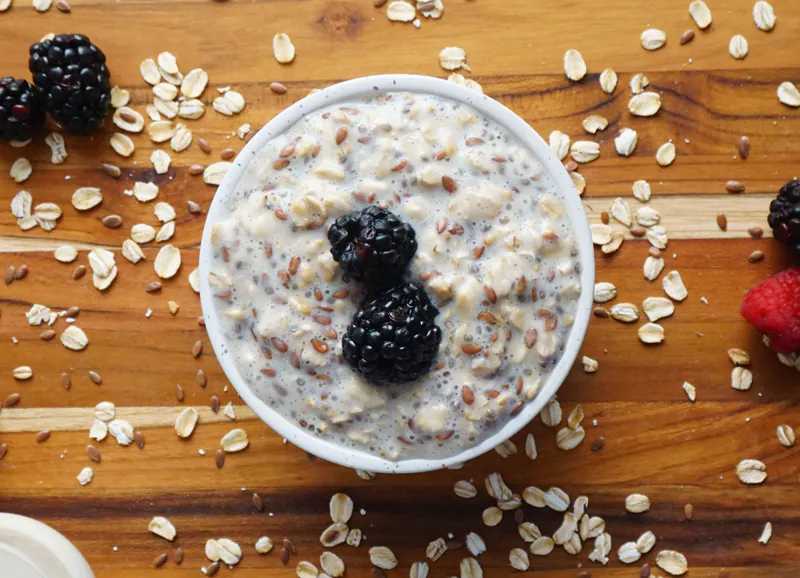
Berry Overnight Oats
International · 5 min · 460 kcal · Vegetarian
Bircher muesli
 Swiss · 8 h 10 min · 372 kcal · Vegetarian
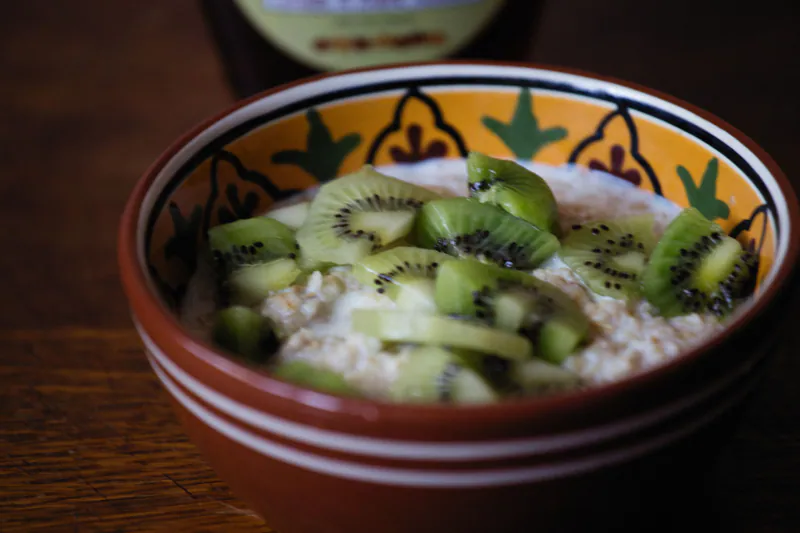
Classic Oat Porridge
International · 7 min · 230 kcal · Vegetarian
Dairy-free berry oat smoothie
International · 10 min · 201 kcal · Vegan
Greek Yogurt Berry Parfait
International · 9 min · 406 kcal · Vegetarian
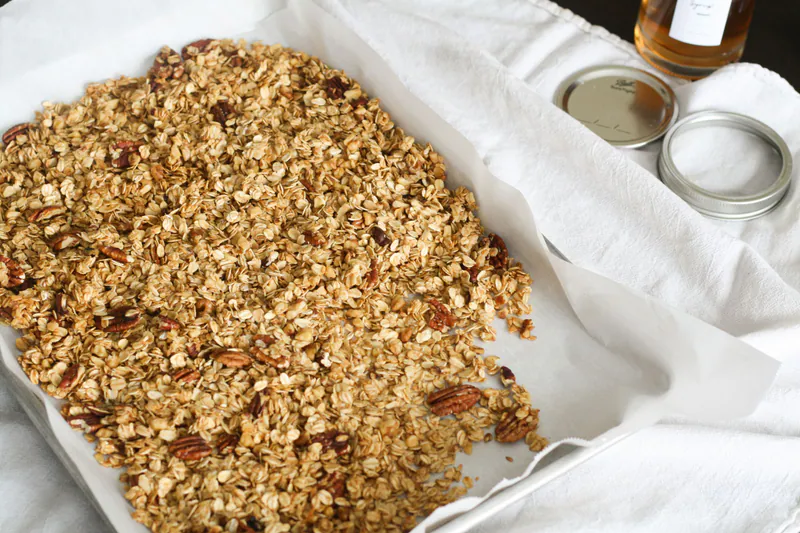
Homemade Honey Nut Granola
International · 1 h · 243 kcal · Vegetarian
7 more
- Irish wheaten bread · Irish
- Kjötsúpa · Icelandic
- Peanut Butter Banana Oat Smoothie · International
- Plant protein berry shake · International
- Reduced-sugar oat cookies · International
- Scottish oatcakes · British
- Three-Ingredient Banana Pancakes · International
Showing 9 of 16 recipes.
More from Nature's Pantry
- Amla (Indian gooseberry)Evidence level: Limited or early evidence
- BarleyEvidence level: Strong evidence
- Beans, lentils and chickpeasEvidence level: Moderate evidence
- BeetrootEvidence level: Moderate evidence
- Citrus fruitEvidence level: Evidence against
- Cocoa and dark chocolateEvidence level: Strong evidence