
Fish & seafood · Molluscs
Octopus
Eight-armed cephalopod with firm, meaty flesh; simmered or braised until tender, then grilled or dressed.
Also called: pulpo, ahtapot, tako
A kind of shellfish
Photo: StoppedTime, via Wikimedia Commons (CC0-1.0)
What it is
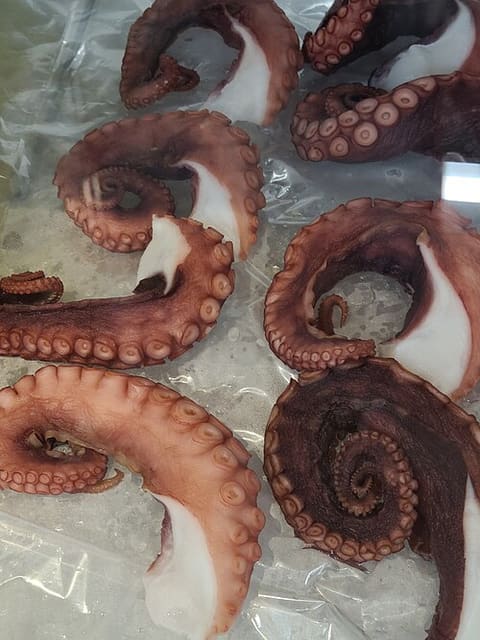
Octopus has a round head and eight thick, sucker-covered arms that turn purple-red when cooked. Its flesh is denser and chewier than squid and needs long, gentle cooking to become tender. Freezing before cooking helps tenderise it, so frozen octopus is often preferred.
How it’s used
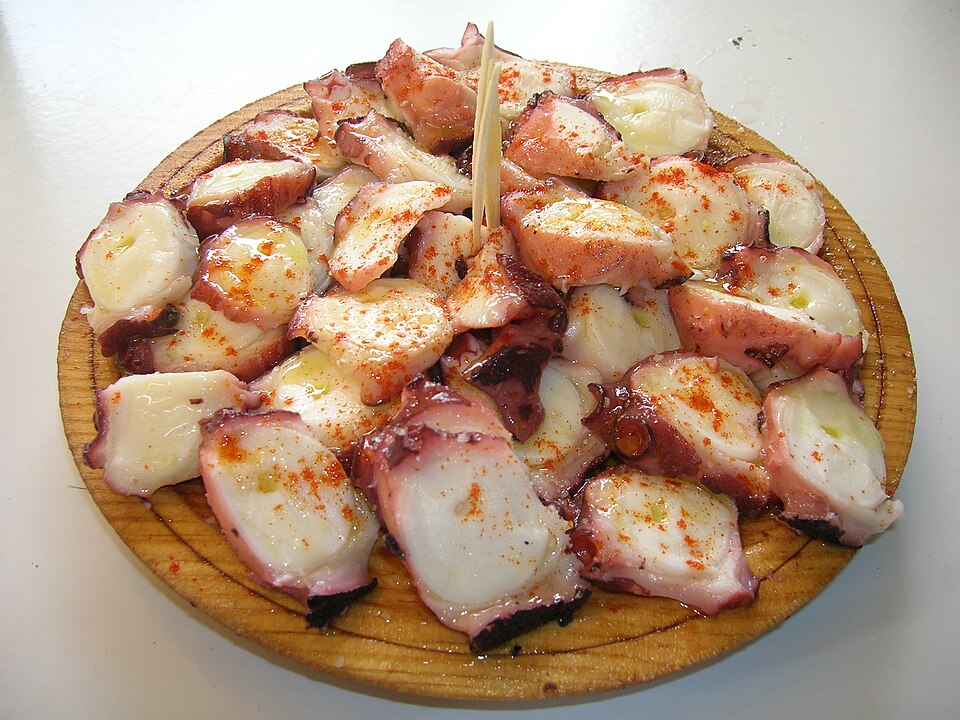
- Pulpo a la gallega with paprika and olive oil
- Grilled octopus with lemon and oregano
- Braised in wine and tomato
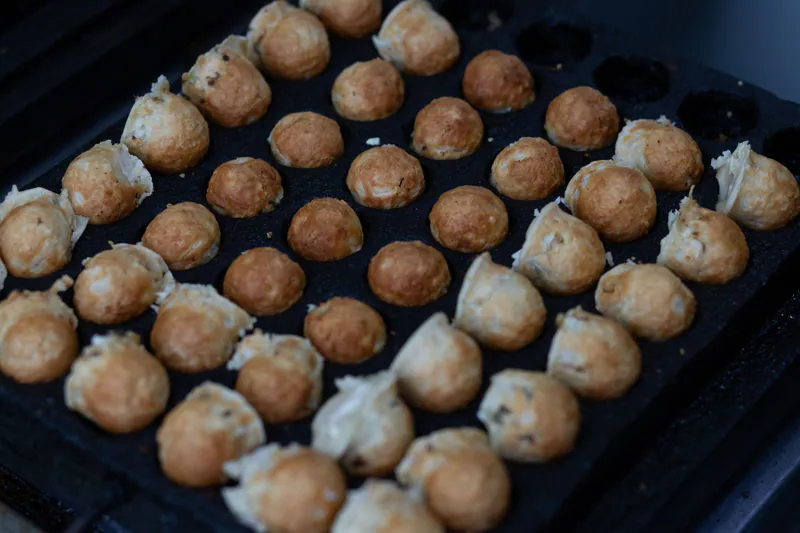
- Takoyaki and Japanese tako salads
- Seafood salads and ceviche (precooked)
Characteristics
- Taste
- Mild, sweet and savoury.
- Texture
- Firm and meaty; tender when cooked long enough.
- When cooked
- Simmer gently for about 45–90 minutes, depending on size, until a knife slides into the thickest part; then grill or dress.
- Sold as
- fresh, frozen
- Cooking uses
- Commonly cooked, Suitable for boiling, Suitable for grilling
Storage
Refrigerated. Cook fresh octopus within a day or freeze; cooked octopus keeps a few days in the fridge.
Diet, allergens and safety
Contains Molluscs.
- Vegetarian
- Vegan
- Dairy-free
- Egg-free
- Gluten-free
- Nut-free
- Soy-free
- Caffeine-free
- Contains molluscs, a recognised allergen separate from crustaceans; some people react to both.
Nutrition per 100 g
- Energy
- 82 kcal
- Protein
- 14.91 g
- Carbohydrate
- 2.2 g
- Fat
- 1.04 g
- Fibre
- 0 g
- Sugars
- 0 g
USDA FoodData Central: Mollusks, octopus, common, raw.
Substitutes
Optional — what works if you don’t have it, and how it changes the dish.
- Squid — Thickly cut squid, grilled or braised; less meaty.
Related ingredients
Recipes with octopus
Pulpo a la gallega
 Spanish · 1 h 20 min · 342 kcal
Seychellois octopus curry
 Seychellois · 1 h 40 min · 477 kcal
Takoyaki (octopus balls)
 Japanese · 35 min · 322 kcal
More molluscs
Molluscs
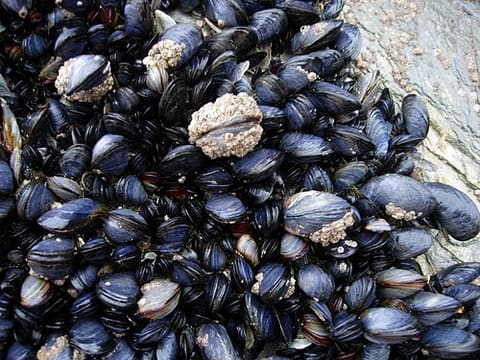
Mussels
Blue-black bivalves with sweet orange flesh, steamed open in wine, cream, tomato or coconut broths.
4 recipes
Molluscs
Clams
Small hard-shelled bivalves with sweet, briny meat; steamed for spaghetti alle vongole, chowder and stews.
8 recipes
Molluscs
Squid
Cephalopod sold as tubes, rings and tentacles; flash-fried as calamari or slowly braised until tender.
5 recipes
Molluscs
Scallops
Sweet, tender round mollusc muscles, best seared quickly until golden outside and just translucent within.
No recipes yet
Molluscs
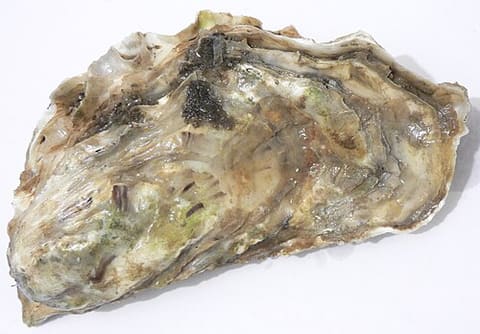
Oysters
Briny bivalves eaten raw on the half shell or cooked in stews, fritters and omelettes.
1 recipe
Molluscs
Squid / cuttlefish ink
Black ink from squid or cuttlefish, sold in sachets or jars; colours and flavours black rice and pasta.
1 recipe
Molluscs
Conch
Large sea snail with firm, sweet, chewy meat; pounded and fried, stewed or 'cooked' in lime as conch salad.
2 recipes