
Seeds
Anise seed
Pimpinella anisum
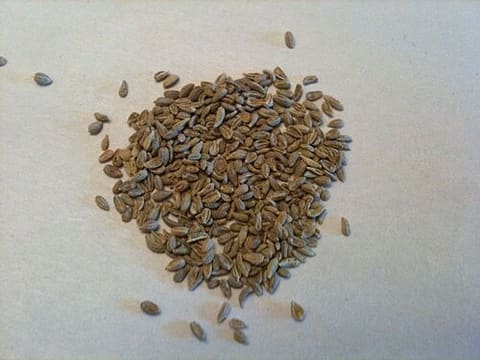
Small, grey-green oval seeds with a sweet liquorice flavour, used in breads, sweets and liqueurs.
Also called: aniseed, anís, anis, erva-doce, saunf (anise)
- Anise & liquorice
- Warm & sweet
- No heat
Photo: OttawaAC, via Wikimedia Commons (CC-BY-SA-3.0)
Flavour and aroma
liquorice, sweet, warm. Sweet liquorice.
- Heat
- No heat
- Forms
- whole, ground
How to use it
crush · Dry grinding technique
Crush lightly in a mortar before adding to doughs and batters; whole seeds can stay hard in quick bakes.
toast · Toasting technique
Toast for 30–60 seconds in a dry pan for a rounder flavour before grinding for savoury rubs.
infuse · Simmering technique
Simmer whole in sugar syrup, milk or poaching liquid for 5–10 minutes, then strain.
- Biscuits, breads and cakes
- Mexican and Spanish sweets
- Liqueurs and teas
- Some sausages and pickles
Identifying good quality
Small, greyish-green to brown, egg-shaped seeds about 3–5 mm long, often with a short stalk, finely ribbed and slightly hairy. Strong liquorice smell when crushed. Smaller and greyer than fennel seed.
- Not to be confused with Fennel seeds: Fennel seed is larger, greener and milder, with a sweeter anise note.
- Not to be confused with Star anise / anise: Star anise is a woody star-shaped pod from an unrelated tree, with a similar but stronger aroma.
Origin and history
Origin: The eastern Mediterranean and southwest Asia.. Grown and used: Grown in Turkey, Egypt, Spain, Syria, Iran, Mexico and Chile; used across the Mediterranean, Latin America and Germany..
Anise was well known to the Greeks and Romans as a flavouring and digestive. It is the traditional flavouring of the Mediterranean anise spirits (ouzo, rakı, arak, anisette) and of many festive breads and biscuits, including German Springerle, Italian anise biscotti and pizzelle, and Mexican pan de muerto.
Commonly told; not firmly documented
Recipes with anise seed
Chipa
 Paraguayan · 50 min · 395 kcal · Contains egg
Khobz (Moroccan round bread)
 Moroccan · 2 h 35 min · 244 kcal · Vegan
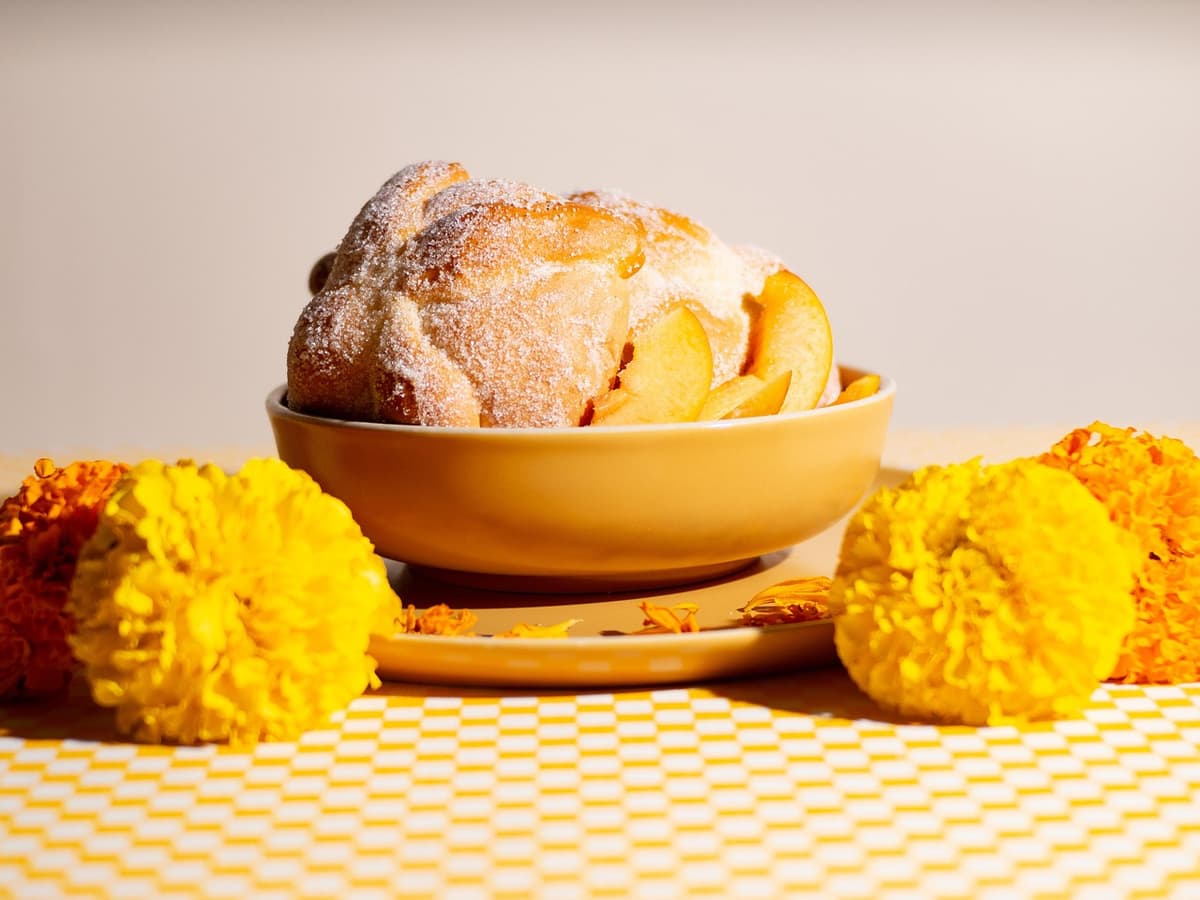
Pan de muerto
 Mexican · 4 h 5 min · 316 kcal · Contains egg