Advanced food science · advanced
Molecular gastronomy
The scientific study of what happens to food during cooking, and the modernist techniques it helped bring into kitchens.
What happens
Molecular gastronomy began as a scientific field studying the physics and chemistry behind cooking: why soufflés rise, how emulsions form, what happens to meat proteins at each temperature. It is widely credited to the physicist Nicholas Kurti and the chemist Hervé This, who used the term from the late 1980s. In restaurants the name became attached to a style of cooking that used lab-derived tools and ingredients such as precise water baths, gelling agents from seaweed, siphons for foams and liquid nitrogen. Many chefs prefer terms like 'modernist cuisine', since much of it applies old principles with new precision.
Why it matters in the kitchen
Its most useful legacy for home cooks is not spheres and foams but understanding: cooking by temperature, salting at the right time, controlling emulsions and gels. That knowledge improves everyday dishes.
Temperatures and conditions
- Sous-vide cooking 50–85 °C
- Agar gels set 32–45 °C
- Liquid nitrogen -196–-196 °C · Professional use only; causes severe cold burns and can burst sealed containers.
In practice
- Sous-vide eggs and meat cooked to an exact temperature.
- Spherified 'caviar' and liquid-centred spheres.
- Light foams made in a cream siphon.
- Gels cut into cubes or sheets with agar.
- Modern Indian restaurant dishes that deconstruct chaat or reimagine classics with these techniques.
Myths and facts
Myth: Molecular gastronomy means using artificial chemicals.
Fact: The common agents are mostly natural in origin: agar and alginate come from seaweed, gelatin from animal collagen, xanthan gum from bacterial fermentation, lecithin from soy or egg.
Myth: It's only for restaurants with special equipment.
Fact: Its core ideas, such as cooking by temperature, controlling texture and understanding why recipes work, apply at home with a thermometer and a few cheap ingredients.
Myth: Dishes made with liquid nitrogen are a harmless party trick.
Fact: Liquid nitrogen at -196 °C causes severe cold burns, and swallowing it before it has fully evaporated has caused serious injuries. It is for trained professionals only.
Use it to cook better
- Use a probe thermometer to cook meat, custards and sugar by temperature.
- Use agar to set jellies and panna cotta that stay firm in warm weather.
- Try a simple foam: froth flavoured milk or a light stock with a stick blender and a little lecithin-rich ingredient.
- Think in terms of 'why': if a recipe fails, ask which process (protein, starch, emulsion, gel) went wrong.
Going deeper
Hervé This proposed testing culinary 'precisions' (rules and old wives' tales) scientifically, which is behind many corrected myths in this library. The term is commonly dated to 1988, and an influential series of workshops on 'Molecular and Physical Gastronomy' was held in Erice, Sicily, from 1992.
Ingredients it affects most
Techniques that rely on it
Worth double-checking
- Dates for the coining of 'molecular gastronomy' (usually given as 1988) and the Erice workshops (from 1992) are commonly cited; check primary sources if quoting them.
 Mauritian · 1 h 15 min · 230 kcal ·
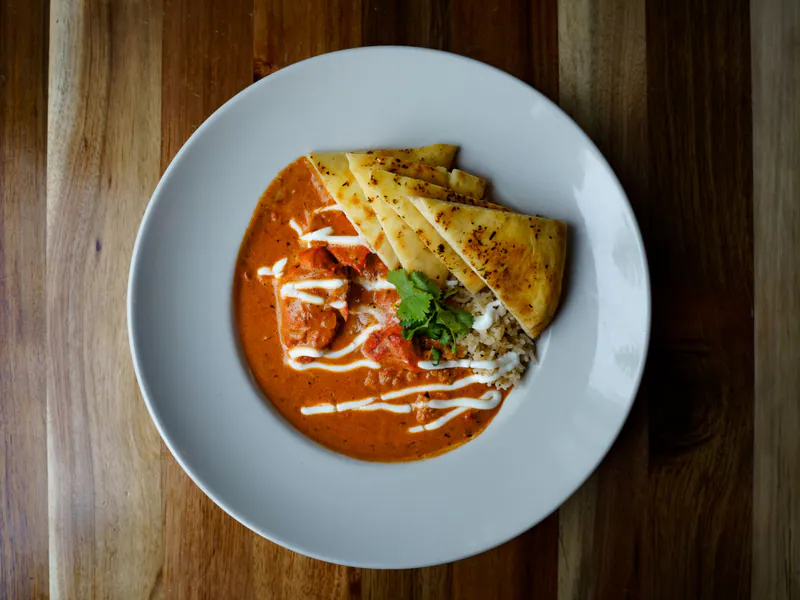
 Punjabi · 2 h 5 min · 559 kcal
 Cantonese · 4 h 18 min · 130 kcal
 Filipino · 5 h 5 min · 335 kcal ·
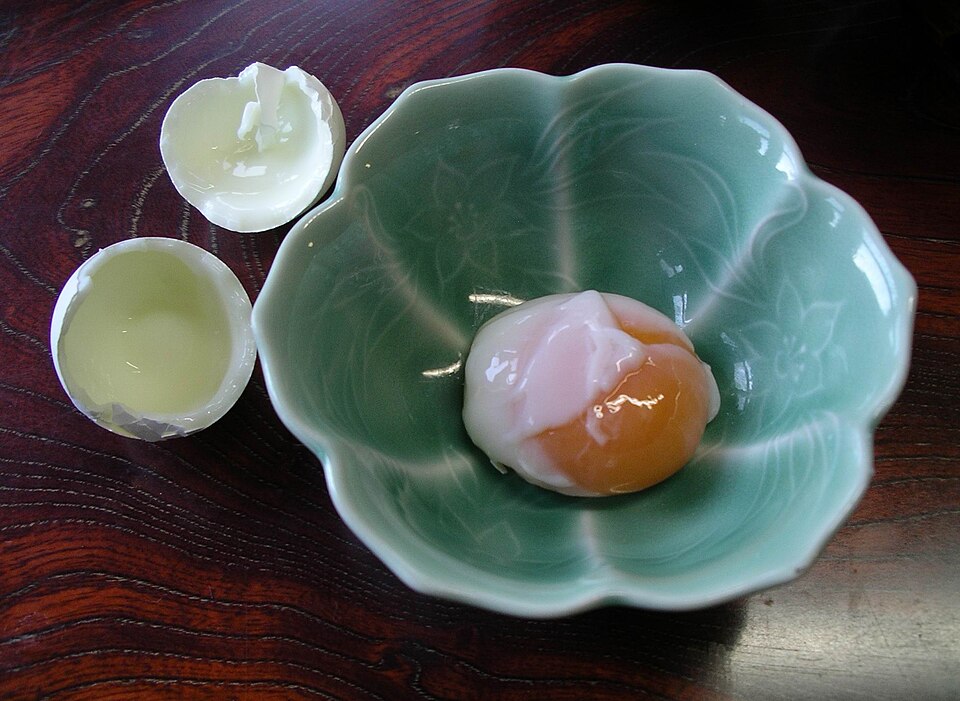
 Japanese · 50 min · 81 kcal
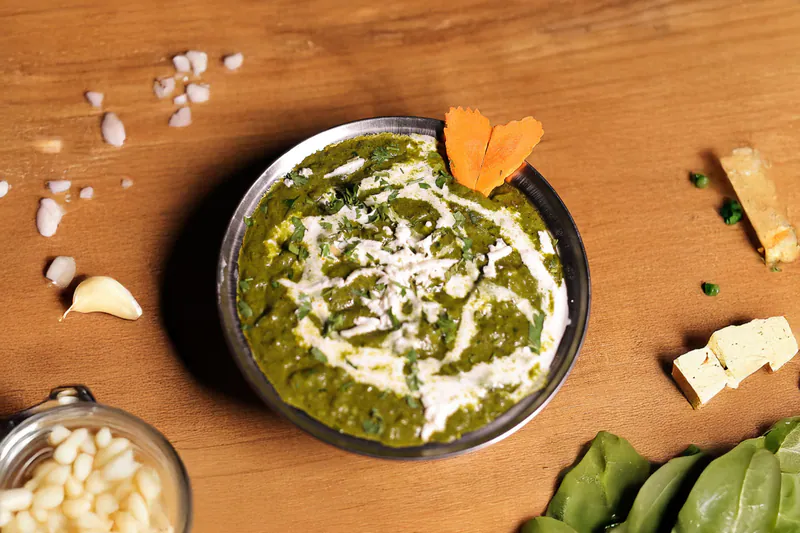
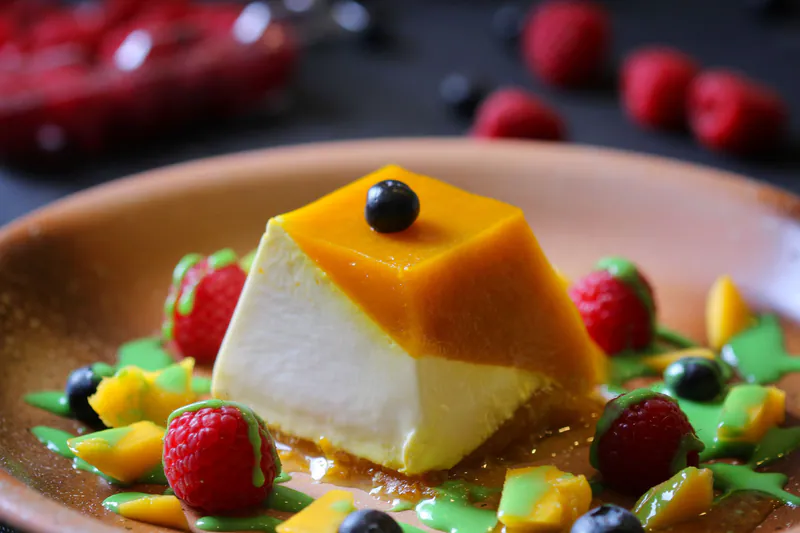
 Italian · 4 h 20 min · 432 kcal
 Bolivian · 6 h 15 min · 646 kcal