Advanced food science · advanced
Hydrocolloids: thickeners and gelling agents
Starches, gums, pectin, agar, gelatin and seed mucilages hold water to thicken, gel or stabilise food.
What happens
Hydrocolloids are long molecules that disperse in water and either thicken it or form a gel. Starches swell when heated (see starch gelatinisation). Gums such as xanthan and guar thicken cold or hot liquid at tiny amounts. Pectin, from fruit, forms a gel when there is enough sugar and acid, or with calcium for low-sugar types. Agar and carrageenan from seaweed form gels on cooling; alginate, also from seaweed, gels instantly when it meets calcium. Gelatin is a protein, not a carbohydrate, but is often grouped with them. Psyllium, chia and flax seeds release a gel-like mucilage when soaked. Each has its own needs for temperature, acidity, sugar and minerals, and gives a different texture.
Why it matters in the kitchen
They let cooks thicken without flour, make gluten-free breads hold together, set jams and keep sauces stable, often at very small amounts.
Temperatures and conditions
- Pectin jam setting point (sea level) 104–105 °C
- Agar: dissolves when boiled, sets on cooling 32–100 °C
- Methylcellulose: thickens or gels when hot, thins when cold 50–70 °C · Opposite of most gels; used in some plant-based burgers.
In practice
- Jams and jellies set with fruit pectin, especially from guava, apple and citrus.
- Gluten-free bread bound with psyllium husk or xanthan.
- Flax or chia 'eggs' in vegan baking.
- Sabja (basil) seeds swelling in falooda and sherbets.
- Okra thickening gumbo or a bhindi gravy with its mucilage.
Myths and facts
Myth: Gums and thickeners are synthetic additives.
Fact: Xanthan is produced by bacterial fermentation, guar from a bean, pectin from fruit, agar and alginate from seaweed, psyllium from a seed husk. Some modified forms are chemically treated, but the basics are natural.
Myth: More thickener is always safer.
Fact: Small changes matter: too much xanthan makes food slimy, too much agar rubbery, too much pectin gummy. Weigh amounts, especially for gums used at fractions of a percent.
Myth: Any jam will set if boiled long enough.
Fact: High-sugar pectin gels need enough pectin, about 60–65% sugar and acidic conditions. Low-pectin fruits like strawberries often need lemon juice or a high-pectin fruit added; overboiling darkens and breaks down pectin.
Use it to cook better
- Disperse gums and powdered gelling agents into liquid while blending or whisking, or mix them with sugar first, to prevent lumps.
- Test jam with the cold-plate test: a spoonful on a chilled plate should wrinkle when pushed after a minute.
- Use arrowroot or tapioca starch for clear sauces; cornflour for opaque, glossy ones; and avoid cornflour sauces you plan to freeze, as they weep when thawed.
- Soak chia, sabja or flax in water for at least 10–15 minutes before using as a binder or in drinks.
- Use a fine scale (0.1 g) for gums and gelling agents.
Try it at home
Chia, sabja and flax gels
You need: 1 tbsp each of chia seeds, sabja seeds and ground flaxseed, 3 small glasses of water
- Stir each into its own glass with about 100 ml water.
- Watch for the first 2 minutes, then check after 15 minutes.
- Stir each and compare thickness and texture.
What you’ll see: Sabja swells within minutes, chia over 10–15 minutes, and flax makes a slippery gel. All are mucilages holding water.
Going deeper
High-methoxyl pectin forms gels when sugar draws water away and acid (about pH 2.8–3.5) neutralises the pectin's charge so chains can link. Low-methoxyl pectin instead links through calcium bridges, allowing low-sugar jams. Alginate gels instantly with calcium ions, which is the basis of spherification; strong acid (below about pH 3.6) stops it dissolving properly. Many hydrocolloids show 'shear thinning': they flow when stirred or poured but thicken at rest, which is why xanthan-thickened dressings pour yet cling.
Ingredients it affects most
Techniques that rely on it
Worth double-checking
- Usage levels for xanthan, agar and other agents vary by product and application; follow the packet or a tested recipe.
- The pH limit for alginate spherification is approximate.
 Mauritian · 1 h 15 min · 230 kcal ·
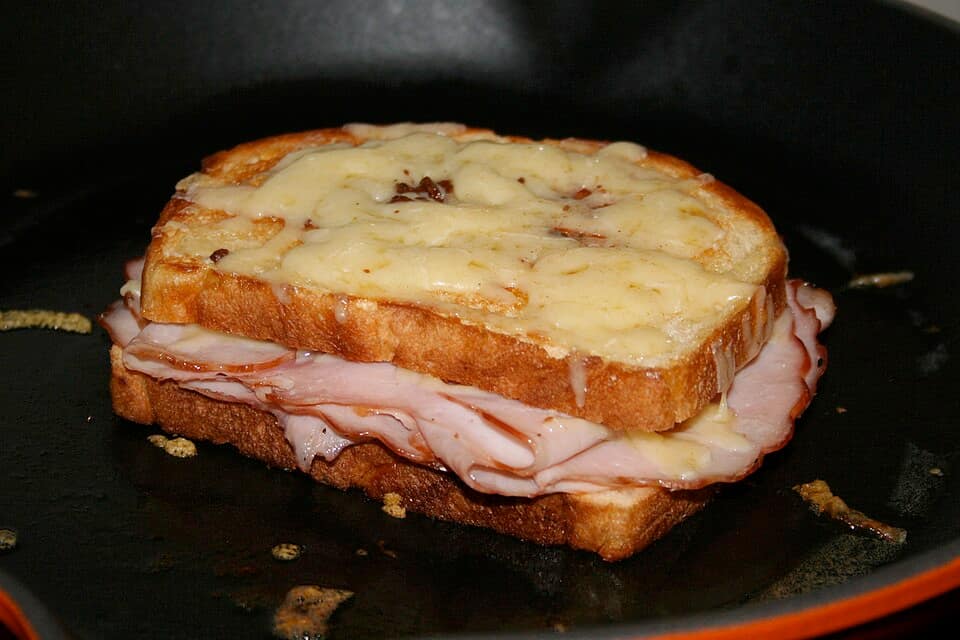
 French · 35 min · 452 kcal
 Cantonese · 4 h 18 min · 130 kcal
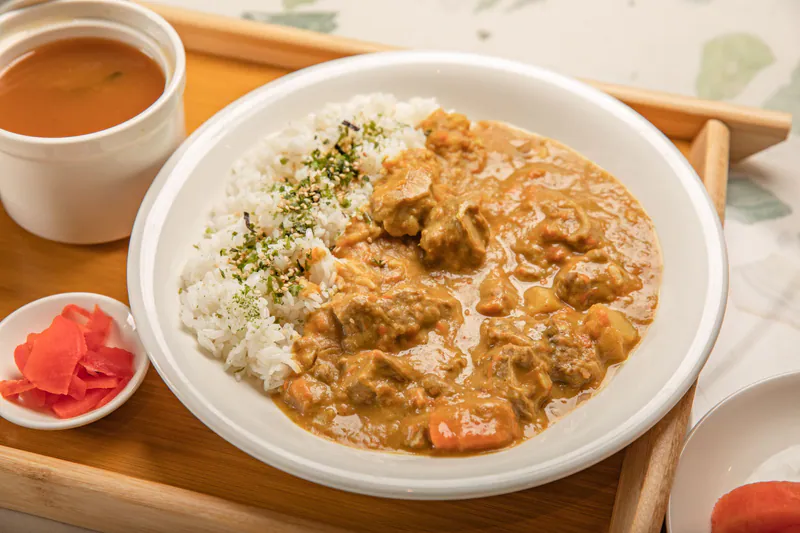
 Japanese · 1 h 5 min · 748 kcal
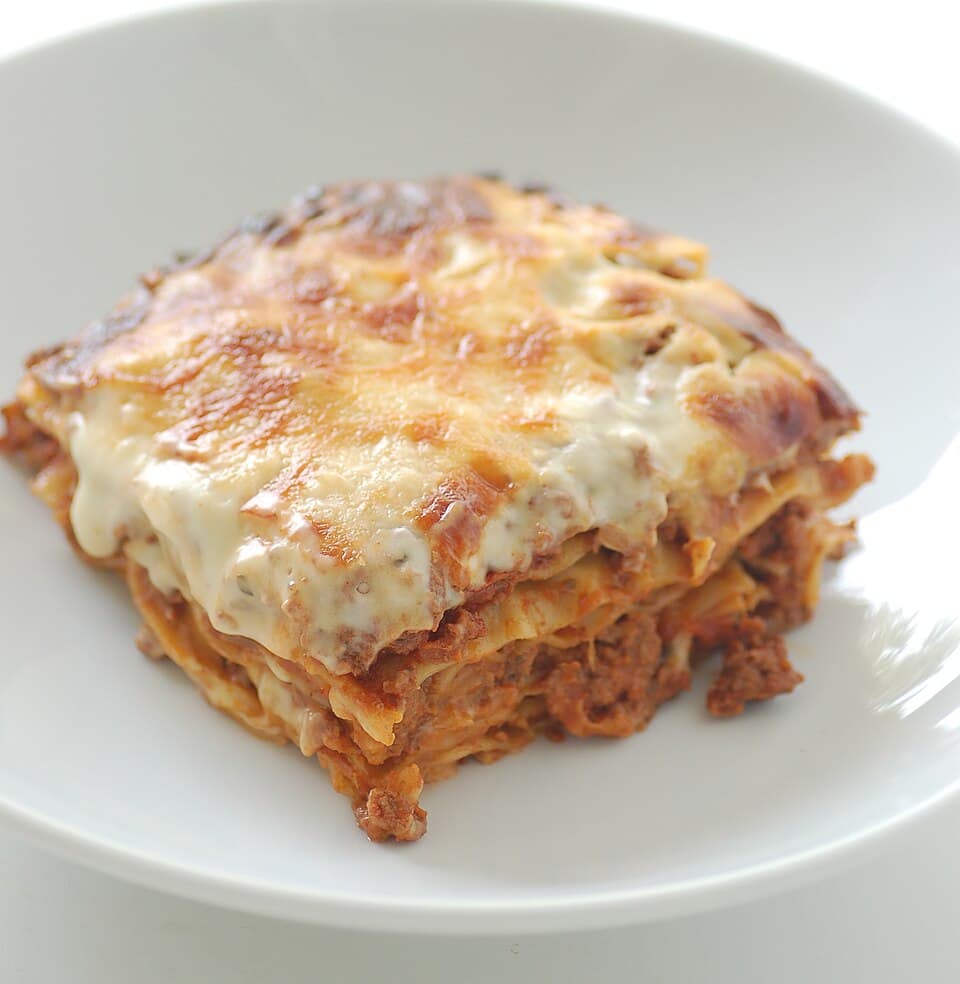
 Italian · 3 h · 547 kcal
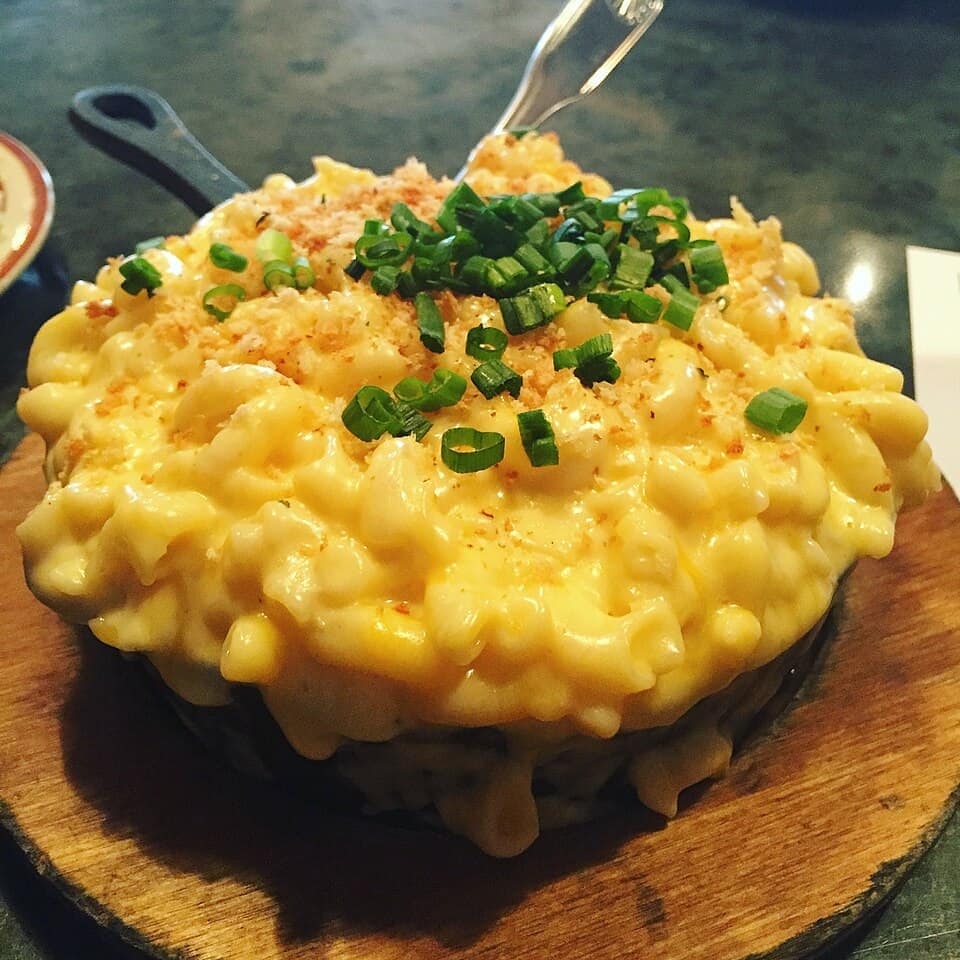
 American · 35 min · 725 kcal ·
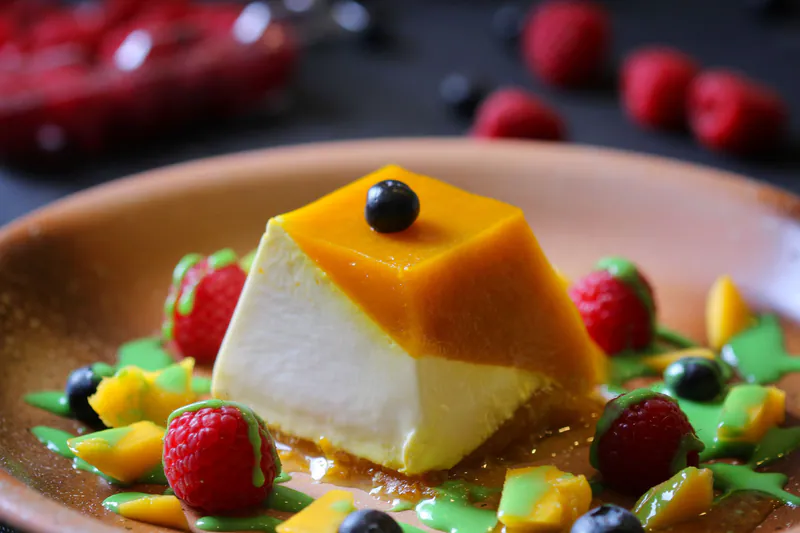
 Bolivian · 6 h 15 min · 646 kcal