
Meat · Game
Wild boar
Leaner, darker and more strongly flavoured than farmed pork; braised in ragù, stews and roasts.
Also called: boar, wild boar shoulder, cinghiale, jabalí, Wildschwein, sanglier
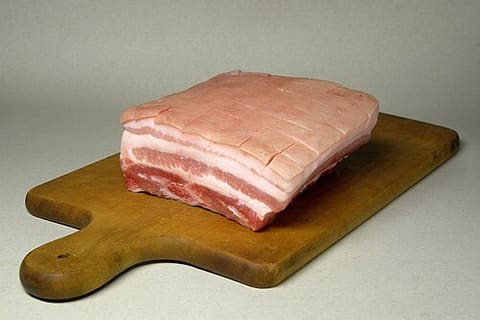
A kind of pork
What it is
Meat from wild or semi-wild boar, the ancestor of the domestic pig. It is darker red and leaner than pork, with a gamey flavour that varies with the animal's age and diet. It is a classic of Tuscan cinghiale ragù, Central European game stews and French civet.
How it’s used
- Slow-cooked ragù for pappardelle
- Marinated in red wine and braised
- Roasted joints and sausages
- Cured into salami and hams
Characteristics
Storage
Refrigerated. Refrigerate and cook within 2–3 days, or freeze for up to 6 months.
Diet, allergens and safety
No major allergens in typical versions.
- Vegetarian
- Vegan
- Dairy-free
- Egg-free
- Gluten-free
- Nut-free
- Soy-free
- Caffeine-free
- Wild boar can carry parasites such as Trichinella and is not inspected in the same way as farmed pork everywhere; cook it right through to at least 71 °C (160 °F), never pink.
- Store raw game sealed on the bottom shelf of the fridge and keep separate boards for raw meat and ready-to-eat food.
Nutrition per 100 g
- Energy
- 109 kcal
- Protein
- 20.95 g
- Carbohydrate
- 0 g
- Fat
- 2.17 g
- Fibre
- 0 g
- Sugars
- 0 g
USDA FoodData Central: Pork, fresh, loin, tenderloin, separable lean only, raw (a close stand-in).
Substitutes
Optional — what works if you don’t have it, and how it changes the dish.
- Pork shoulder — Add a little red wine and juniper for a gamier note.
Related ingredients
Recipes with wild boar
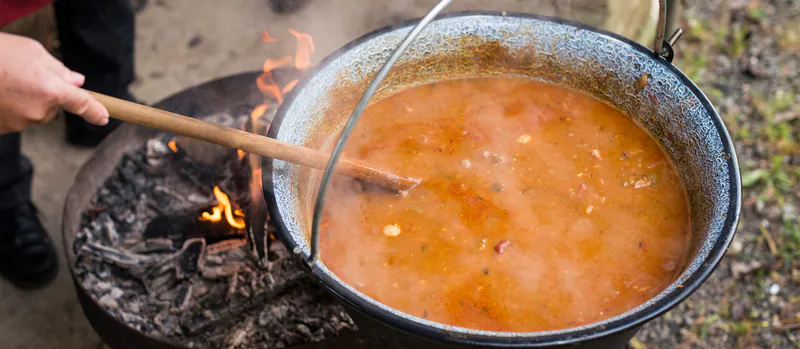
Bograč (Prekmurje four-meat stew)
 Slovenian · 3 h 40 min · 496 kcal
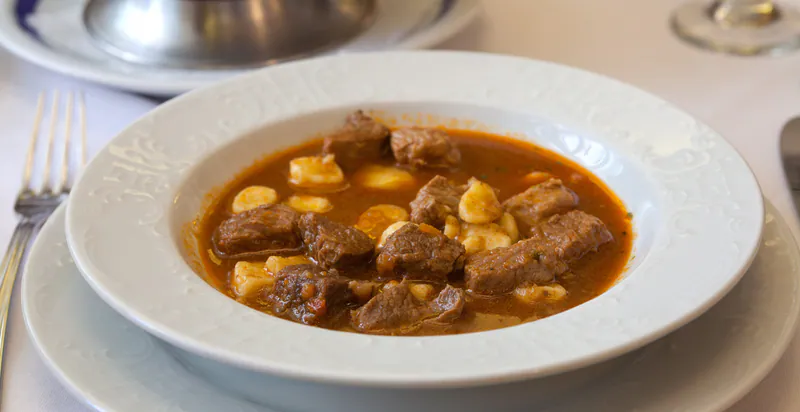
Čobanac (Slavonian shepherd's stew)
 Croatian · 4 h · 474 kcal
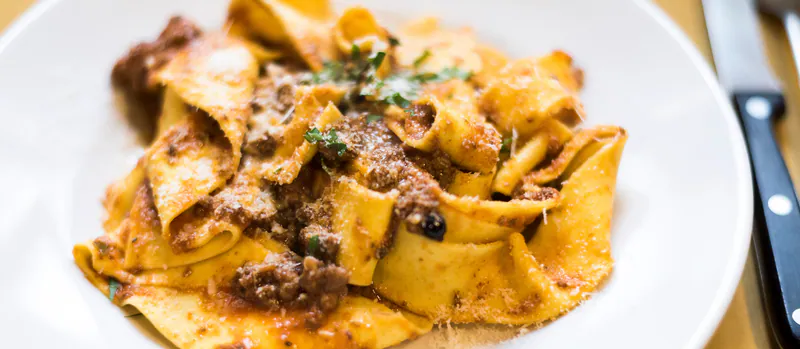
Pappardelle al cinghiale (pappardelle with wild boar ragù)
 Italian · 15 h 50 min · 786 kcal
More game
Game
Reindeer meat
Lean, dark meat of herded Nordic reindeer, best known shaved and sautéed with lingonberries (poronkäristys).
1 recipe
Game
Hare
Dark, strongly flavoured wild hare, jointed and slow-cooked in rich wine sauces such as lepre in salmì and jugged hare.
1 recipe
Game
Kangaroo meat
Very lean, dark red Australian meat, cooked quickly to rare or medium-rare as steaks, fillets and burgers.
1 recipe
Game
Venison (deer meat)
Lean, dark deer meat for roasting, quick-cooked steaks, stews and sausages.
2 recipes