
Drinks & liquids · Wines & spirits
Pisco
A clear grape brandy from Peru and Chile; the spirit in the pisco sour and a flavouring in ceviche and desserts.
Also called: pisco (Peru), pisco (Chile), grape brandy, aguardiente de uva
Around the world: pisco (es)
What it is
Pisco is distilled from fermented grape juice in Peru and Chile, both of which claim it. Peruvian pisco is distilled once to strength and not watered or aged in wood; Chilean pisco may be diluted and sometimes oak-aged. It is fruity and floral. It is the base of the pisco sour and chilcano and is used in marinades, ceviche variations and desserts.
How it’s used
- Pisco sour and chilcano
- Flambéing prawns and meats
- Ceviche and tiradito variations
- Soaking fruit for desserts
Characteristics
Storage
Pantry-stable. Keeps for years tightly closed.
Diet, allergens and safety
No major allergens in typical versions.
- Vegetarian
- Vegan
- Dairy-free
- Egg-free
- Gluten-free
- Nut-free
- Soy-free
- Caffeine-free
- Contains alcohol. Much, but not all, of it evaporates during cooking; avoid in food for children, in pregnancy, and for anyone avoiding alcohol for health or religious reasons.
- A strong spirit (about 35–45% alcohol); use in small amounts and keep away from children.
Nutrition per 100 g
- Energy
- 231 kcal
- Protein
- 0 g
- Carbohydrate
- 0 g
- Fat
- 0 g
- Fibre
- 0 g
- Sugars
- 0 g
USDA FoodData Central: Alcoholic beverage, distilled, all (gin, rum, vodka, whiskey) 80 proof (a close stand-in).
Substitutes
Optional — what works if you don’t have it, and how it changes the dish.
- Grappa — Harsher; use a little less.
- Unaged brandy or white rum — For cocktails.
Related ingredients
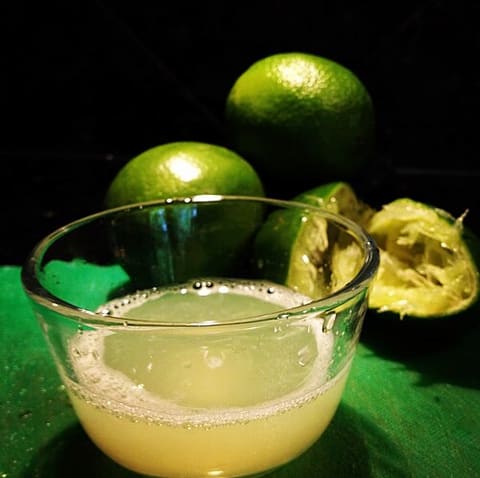
Recipes with pisco
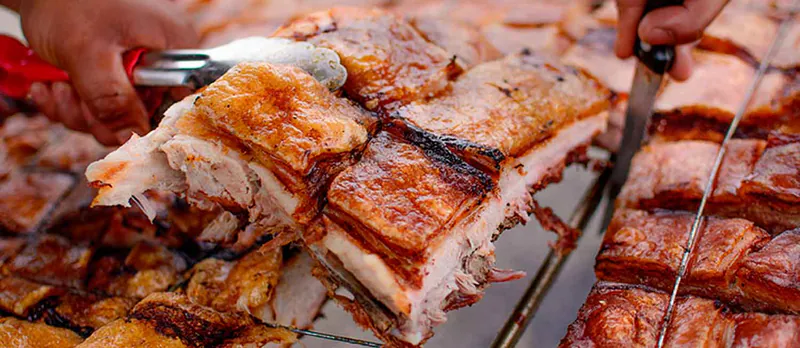
Chancho al palo (Peruvian pork roasted by the fire)
 Peruvian · 4 h 10 min · 886 kcal
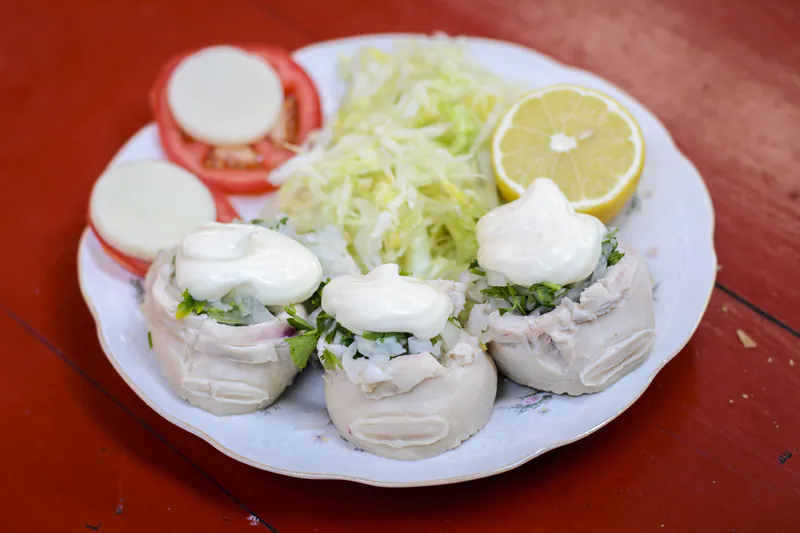
Locos con mayonesa (Chilean abalone with mayonnaise)
 Chilean · 2 h 55 min · 512 kcal
More wines & spirits
Wines & spirits
Dry white wine
Dry white wine used to deglaze, poach and build sauces, risottos and mussels.
103 recipes
Wines & spirits
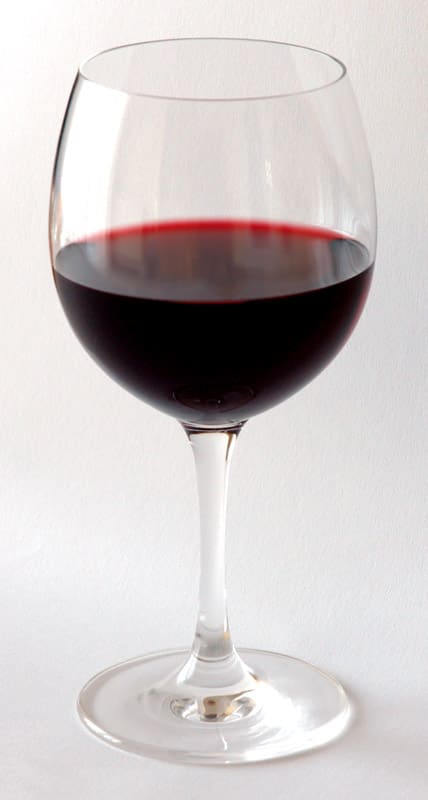
Dry red wine
Dry red wine for braises, stews, marinades and pan sauces such as coq au vin and boeuf bourguignon.
54 recipes
Wines & spirits
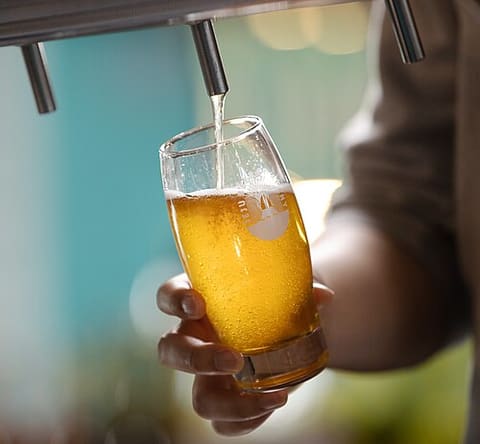
Beer
Brewed, carbonated alcoholic drink of malted barley and hops; used in batters, stews, breads and marinades.
23 recipes
Wines & spirits
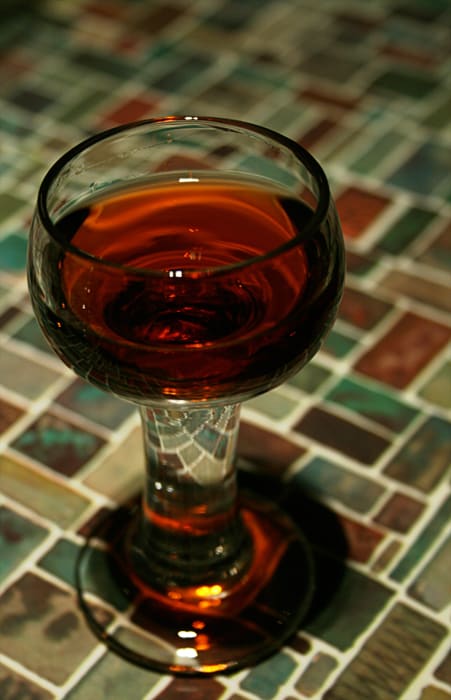
Rum
Spirit distilled from sugarcane juice or molasses; used in cakes, desserts, sauces and cocktails.
25 recipes
Wines & spirits
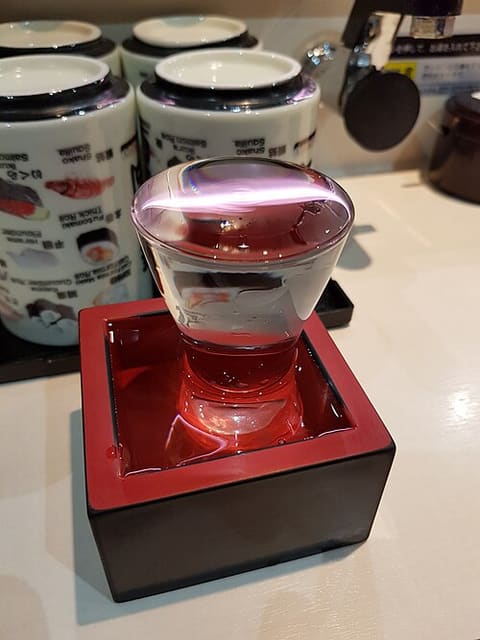
Sake
Japanese rice wine, clear and dry-to-sweet; drunk and used to tenderise, deglaze and remove fishy odours in cooking.
31 recipes
Wines & spirits
Coffee liqueur
Sweet coffee-flavoured spirit used in tiramisu, cocktails such as the White Russian and desserts. Contains caffeine.
2 recipes
Wines & spirits
Kirsch (cherry brandy)
Clear, dry cherry brandy (eau-de-vie) used in Black Forest gâteau, cheese fondue and fruit desserts.
6 recipes
Wines & spirits
Dry sherry
Pale, dry fortified wine from Jerez in Spain, used in tapas sauces, soups and Chinese-style stir-fries.
6 recipes